
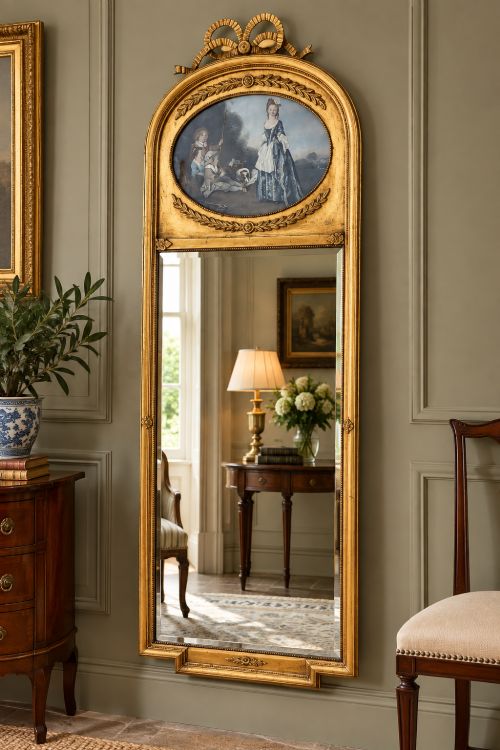
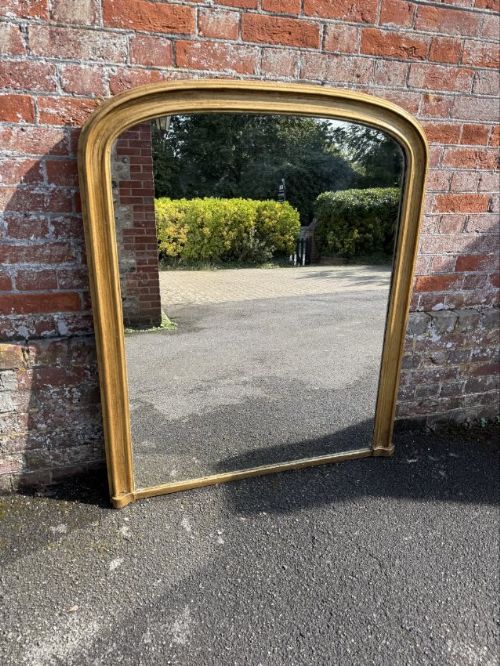
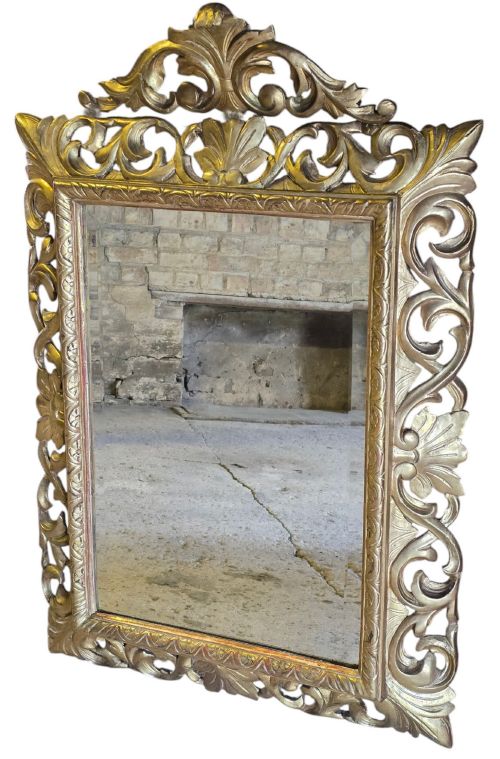
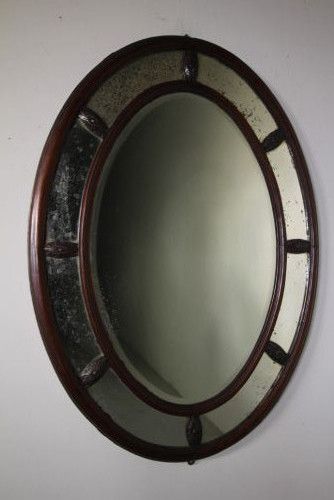


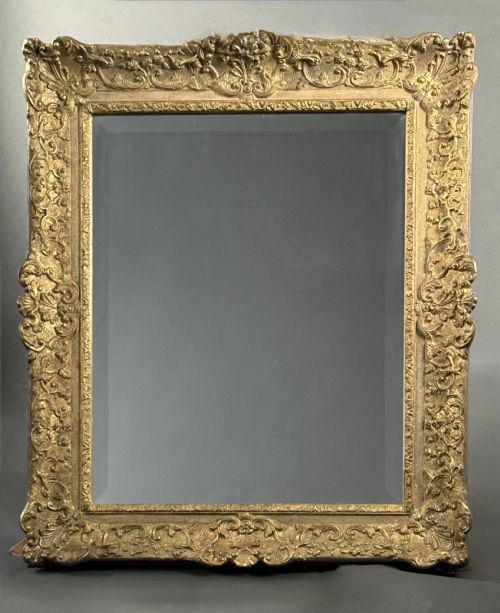
Victorian Framed Mirror
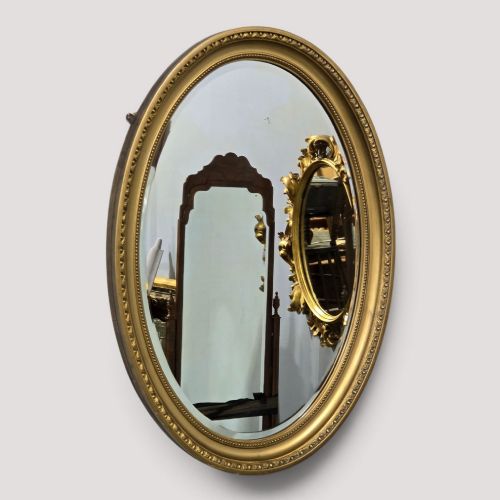
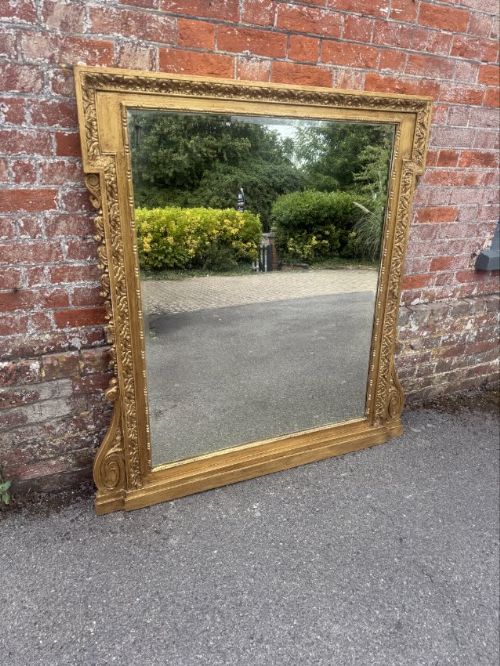
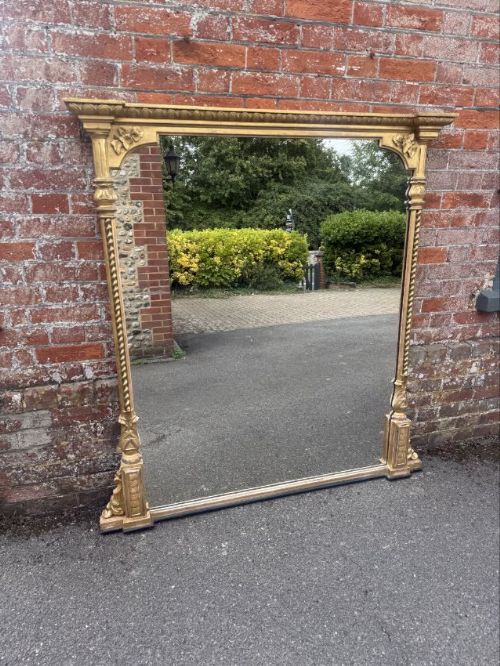
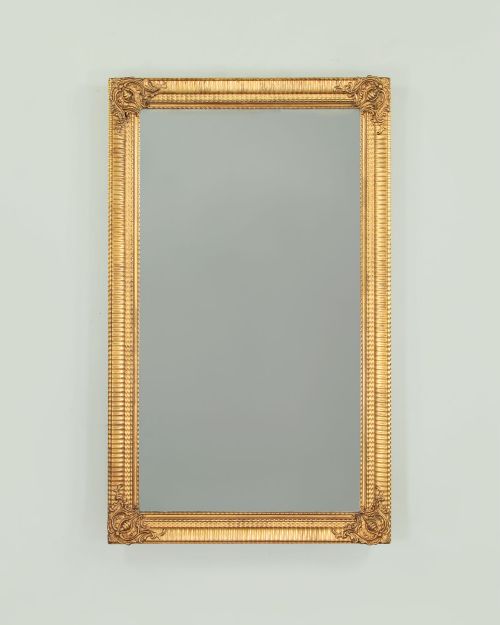
When choosing a victorian framed mirror, collectors seek substantial timber and ornate giltwork that anchored nineteenth-century interiors.
Victorian Framed Mirror
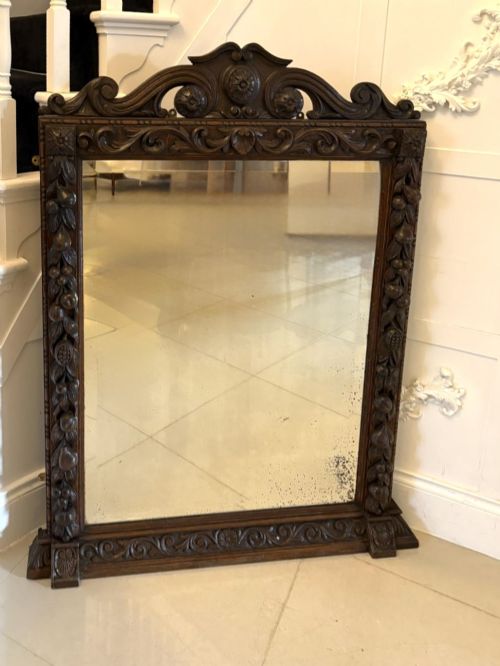
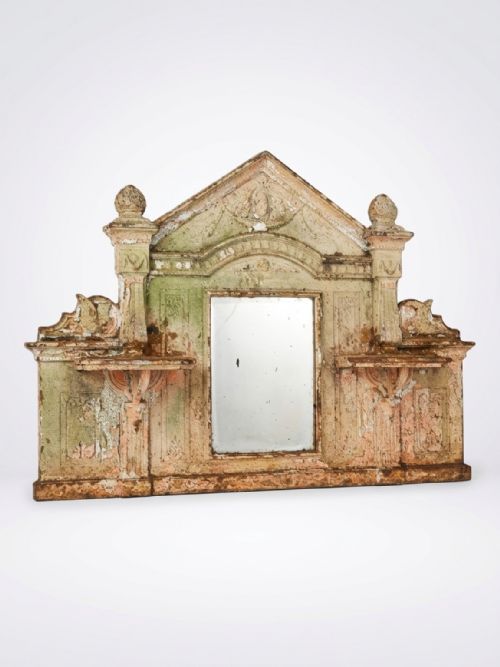
A victorian framed mirror spans grand overmantels designed for parlour fireplaces, sturdy mahogany and oak wall hangings, and smaller dressing table pieces.
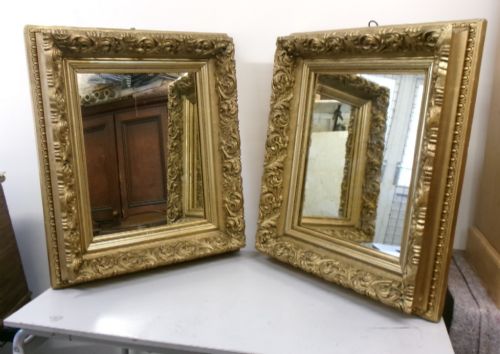
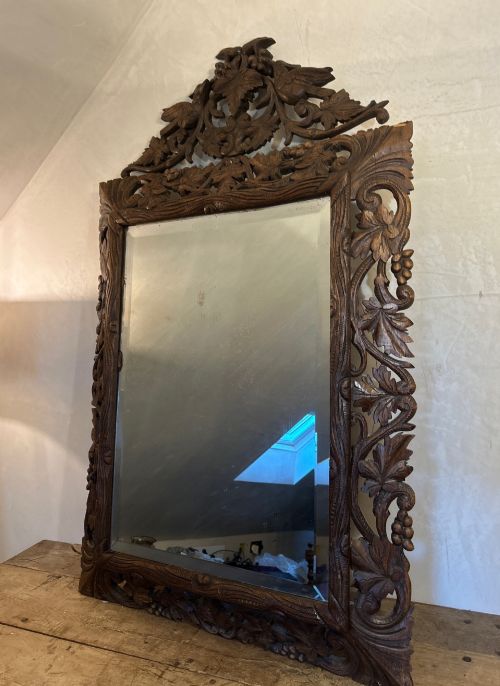
The most common examples on this page are substantial giltwood overmantels and carved wooden wall mirrors originating from the nineteenth century.
Makers utilised various timbers including walnut, maple, and rosewood alongside gilded gesso to suit both formal reception rooms and intimate boudoirs.
How they were made
Carvers shaped solid woods such as oak and mahogany before applying intricate details, whilst gesso and composition ornaments were moulded onto wooden substrates for gilded frames.
Gilt finishings relied upon gold leaf or paint applied over prepared grounds, frequently complemented by specialised elements like rope twist or acanthus leaf motifs.
Plate glass was secured within rebated frames, sometimes featuring bevelled edges or cushion-moulded profiles characteristic of the period's cabinet-making techniques.
Listings feature nineteenth-century materials including giltwood, gesso, mahogany, oak, and brass across wall, overmantel, and dressing table forms.
What varies in quality
The depth and crispness of hand-carving distinguish superior examples from standard production, particularly in complex foliage and crest decorations.
The integrity of the original gilding and the preservation of the underlying gesso layers dictate the visual weight and historical value of gilt frames.
Substantial timber construction with well-fitted joints and original mirror plates demonstrates higher craftsmanship than later assembled alternatives.
P and MA Nicholson·Drew and Cadman·Henry Matthews
The Victorian Framed Mirror Glossary
- Gesso
- A plaster-like mixture applied to wooden frames as a smooth base for gilding or painting. It allowed craftsmen to create intricate low-relief ornamentation.
- Overmantel mirror
- A large horizontal mirror designed specifically to hang above a fireplace mantelpiece. These pieces often dominated the Victorian reception room.
- Giltwood
- Timber that has been coated with gold leaf or gold paint. It reflects candlelight and daylight to brighten domestic interiors.
- Girandole
- A decorative wall mirror featuring attached candle sconces. The candle flames reflected brightly in the glass plate.
- Acanthus leaf
- A classical carved ornamentation modelled on the foliage of the Mediterranean acanthus plant. Victorian carvers utilised this motif extensively on wooden frames.
Victorian Framed Mirror: Frequently Asked Questions
Where should I hang an overmantel mirror?
These large horizontal mirrors anchor formal reception rooms when positioned centrally above a fireplace mantelpiece. They bounce natural light across the space and create an illusion of depth.
Ensure the wall fixings match the considerable weight of timber and gesso frames. Professional mounting is recommended for larger nineteenth-century pieces.
How do I identify a genuine nineteenth-century mirror?
Examine the timber construction, backboards, and fixings for signs of period manufacturing techniques. Hand-cut screws and oxidisation on the glass plate often indicate age.
Gilt surfaces on older frames typically display fine craquelure and gentle wear beneath the gold leaf rather than uniform modern paint.
What is the difference between an overmantel and a wall mirror?
Overmantel mirrors are traditionally wider than they are tall, proportioned specifically to sit above fireplace surrounds. Standard wall mirrors take vertical, circular, or oval shapes for general room placement.
Both forms utilise similar decorative vocabulary including carved wood, gesso, and gilt finishes.
How do I care for antique giltwood frames?
Dust surfaces gently with a soft, dry brush to protect fragile gesso and gold leaf layers. Avoid liquid cleaners and modern chemicals which strip historical finishes.
Keep wooden and gilt pieces away from direct sunlight and damp environments to prevent timber movement and flaking.