



Victorian Fluted Armchair
A victorian fluted armchair offers deep comfort and traditional nineteenth-century seating form, making it a robust centrepiece for a period room.
Victorian Fluted Armchair
When you search for a victorian fluted armchair, you encounter nineteenth-century seating defined by vertical fluting and rounded enclosing profiles. These pieces span library chairs, desk chairs, and salon models shaped during the Victorian and Edwardian eras.
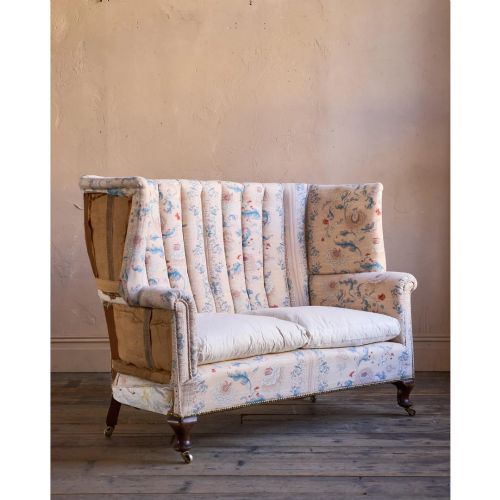
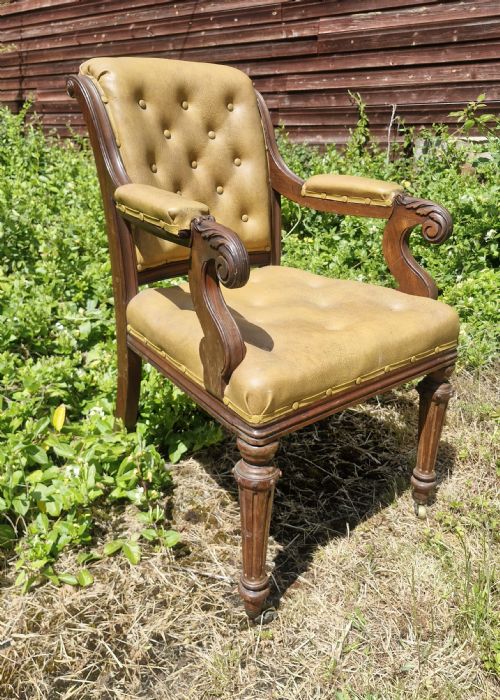
The most common forms on this page are barrel back and tub shell back designs, frequently upholstered in fabric or leather. Walnut and mahogany provide the primary timber structures for these nineteenth-century seats.
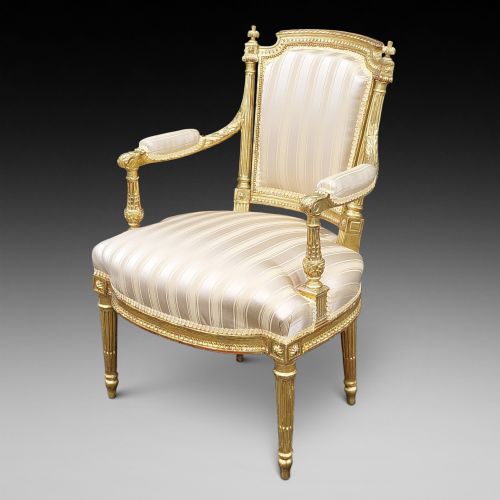
Makers of the period also adapted Louis XVI revival and George III styles, introducing carved crest rails and showwood frames. Examples range from compact country house library seating to larger folding campaign chairs.
Materials and construction
Makers constructed these frames from solid hardwoods like mahogany and walnut, occasionally applying ebonised finishes to the exposed showwood. Brass hardware and bone button decorations appear as functional or decorative accents.
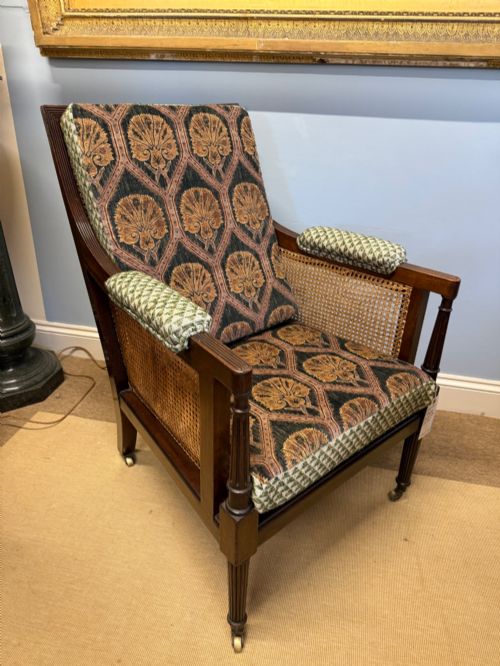
Upholstery techniques relied on cane seating, linen foundations, and leather coverings over sprung or stuffed interiors. Woodworking joinery combined with carved fluting on legs, rails, and wingback supports.
Victorian Fluted Armchair Retail Price Guide 2026
Typical asking prices for victorian fluted armchair among the pieces listed under this phrase on Sellingantiques today, from the lower quarter to the upper quarter. They describe what is for sale here now, not the wider market.
What separates the fine examples
Quality rests in the crispness of the hand-carved fluting on the timber frame and the structural integrity of the barrel or tub back. Denser hardwoods and intact showwood display superior original craftsmanship.
The integration of materials, from the tightness of the cane work to the quality of the leather and fabric upholstery, dictates the standing of an individual piece within the nineteenth-century range.
The Victorian Fluted Armchair Glossary
- Fluting
- Vertical parallel grooves carved into the wooden legs, arms, or rails of a chair. This classical decorative technique adds linear detail to nineteenth-century furniture.
- Barrel back
- An upholstered seating form where the curved backrest wraps continuously around the sitter in a cylindrical shape. It provides enclosed support.
- Showwood
- Exposed polished timber frame components left visible around the upholstered sections of an armchair. Walnut and mahogany frequently serve this purpose.
- Bergere
- An enclosed armchair featuring woven cane panels on the back and sides. It originated in France and remained popular through the nineteenth century.
- Fauteuil
- An open-framed upholstered armchair with exposed wooden armrests. The style often reflects Louis XVI revival influences during the Victorian period.
Victorian Fluted Armchair: Frequently Asked Questions
How do I identify a Victorian chair?
Victorian chairs show construction methods and stylistic revivals specific to the nineteenth century, including walnut and mahogany frames, carved fluting, and specific upholstery fabrics. Examining the timber and joinery helps confirm the period.
Makers of this era frequently combined traditional forms like tub backs with French revival or George III stylistic influences.
Where were these armchairs used?
These armchairs served in nineteenth-century libraries, studies, country house drawing rooms, and formal salons. Their enclosed shapes suited reading and writing tasks.
Desk chairs and campaign chairs offered practical seating solutions for offices and travel, utilising robust woods like mahogany.
What is a campaign chair?
A campaign chair is a portable piece of nineteenth-century furniture designed to fold or dismantle for transport. Walnut folding examples often included carved decoration and bone buttons.
Despite their portable nature, these chairs incorporated fine woodwork and fluting similar to stationary domestic seating.
How do I care for leather upholstery?
Leather upholstery on nineteenth-century seating requires gentle cleaning and conditioning to maintain its flexibility. Avoid placing antique leather in direct sunlight or near heat sources.
Natural ageing and patination form part of the historic character of Victorian leather armchairs and sofas.