



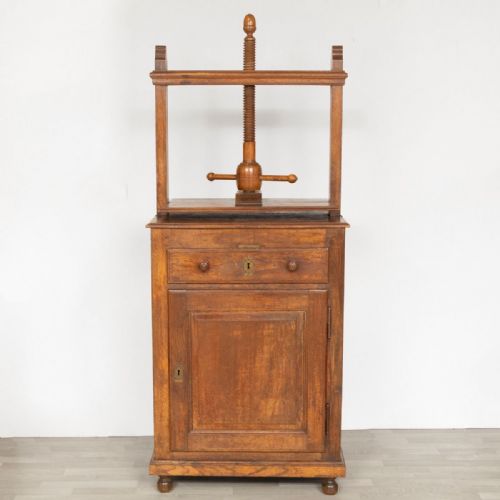


Victorian Flower Stand
A victorian flower stand brings botanical display indoors, offering tiered or pedestal iron, brass and hardwood for plants and urns.

Victorian Flower Stand
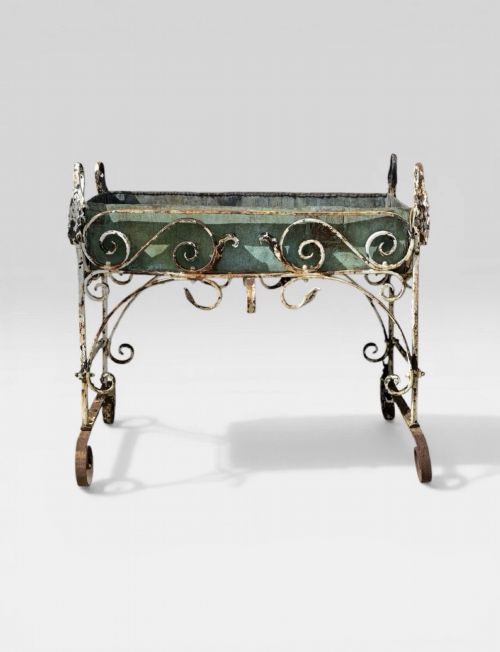
A victorian flower stand encompasses plant stands, jardinieres, and epergnes shaped by nineteenth century conservatory culture and domestic horticulture. The buyer encounters cast iron and wrought iron framework, alongside carved hardwood stands designed for oriental ceramics or domestic foliage.
Many examples emerge from English and French workshops, while Chinese export pieces in padouk and rosewood appear frequently among the listings. Forms range from multi-tiered iron structures intended for garden rooms to ebonised and walnut planter tables suited to drawing rooms.
Materials and Construction
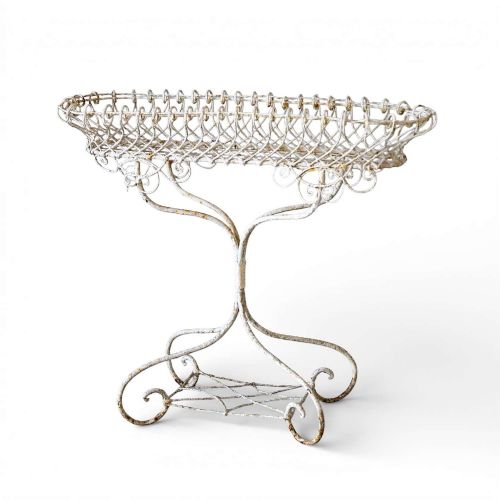
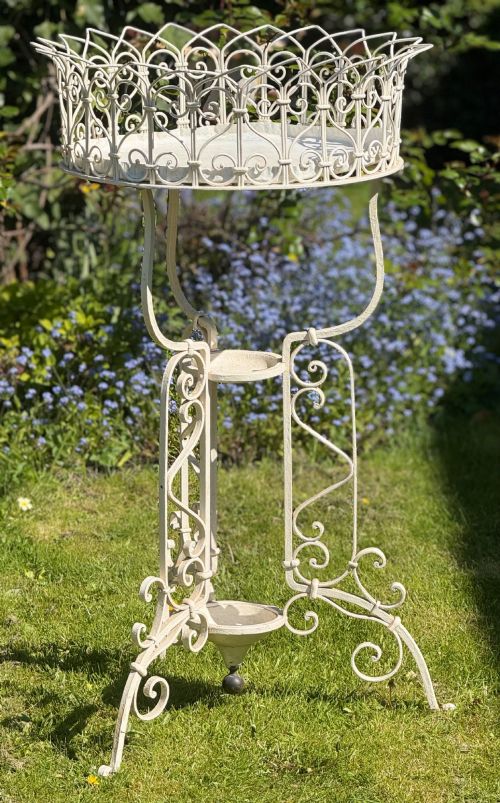
Makers utilised cast iron and wrought iron for durable garden and conservatory pieces, employing scrollwork, lattice basket tops, and riveted construction. Metal stands often retain traces of early paint or black finishes applied to resist moisture.
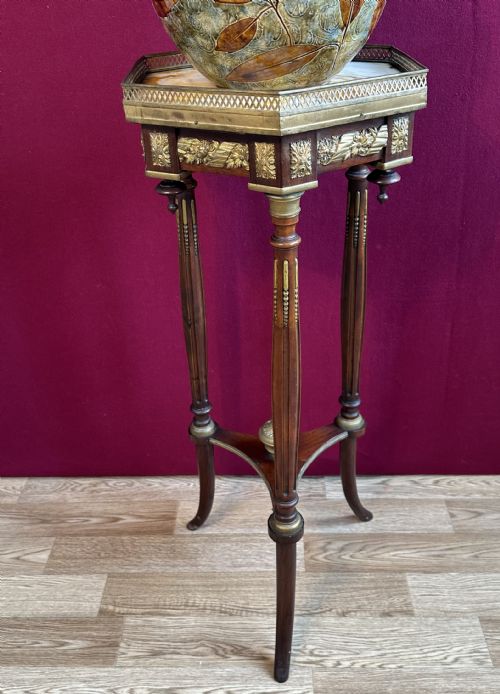
Cabinetmakers worked with walnut, burr walnut, kingwood, and oak, incorporating marquetry inlay, gilt mounts, and marble inserts. Carved Chinese hardwood stands utilise dense padouk and rosewood with intricate joinery to support heavy porcelain and ceramic vessels.
Listings feature nineteen century materials spanning wrought iron, cast iron, burr walnut, padouk, and silver plate.
Assessing Quality
Quality rests upon the crispness of the casting in ironwork and the depth of carving in hardwood and walnut frames. Superior pieces show precise scrollwork, well-fitted marble tops, and intact original mounts without structural compromise.
The integration of decorative elements, such as etched glass inserts in silver plated epergnes or fine marquetry on planter tables, separates standard utilitarian items from exhibition pieces.
Walker and Hall·C.G. Schierholz and Sohn
The Victorian Flower Stand Glossary
- Jardinieres
- A decorative pot or stand designed to hold a plant or flower arrangement. These pieces sit on floor pedestals or table bases.
- Epergne
- A centrepiece dish with multiple branching holders for fruit, sweets, or cut flowers. Victorian examples often feature cranberry or ruby glass.
- Padouk
- A heavy, durable tropical hardwood used in Chinese export stands. Its dense grain allows for deep and sharp carving.
- Wirework
- Metal strands bent and joined to form lightweight plant stands and garden baskets. This technique creates an open, airy silhouette.
Victorian Flower Stand: Frequently Asked Questions
What is a jardiniere stand?
A jardiniere stand is a raised pedestal or table specifically designed to hold a plant container or flower pot off the floor. These pieces allowed nineteenth century households to display greenery within formal living spaces and conservatories.
They appear in various heights and materials, ranging from heavy cast iron for garden use to polished walnut and ebonised wood for interior parlours.
How do I use an epergne?
An epergne serves as a dramatic table centrepiece, featuring a central trumpet flanked by smaller hanging baskets or dishes. Victorian hosts used them for displaying cut flowers, fruit, or sweetmeats during formal dining.
Place the epergne in the centre of a dining table or on a side table where light can pass through the coloured glass.
Where were plant stands placed?
Plant stands were positioned in conservatories, near bay windows, or in hallways to maximise sunlight for potted ferns and flowering plants. Tiered iron stands allowed multiple plants to occupy a compact floor footprint.
Smaller wooden and marble-topped stands served as pedestals for single decorative ceramic pots or lamps within the home.
How do I identify a Victorian stand?
Identification relies on material combinations like cast iron, ebonised wood, burr walnut, and applied brass or gilt mounts. Stylistic clues include Gothic revival ironwork, aesthetic movement ebonising, and transitional Georgian forms.
Examining the construction methods, such as riveted iron joints or hand-carved hardwood joinery, helps confirm the nineteenth century date.