



Victorian Floral Lamp
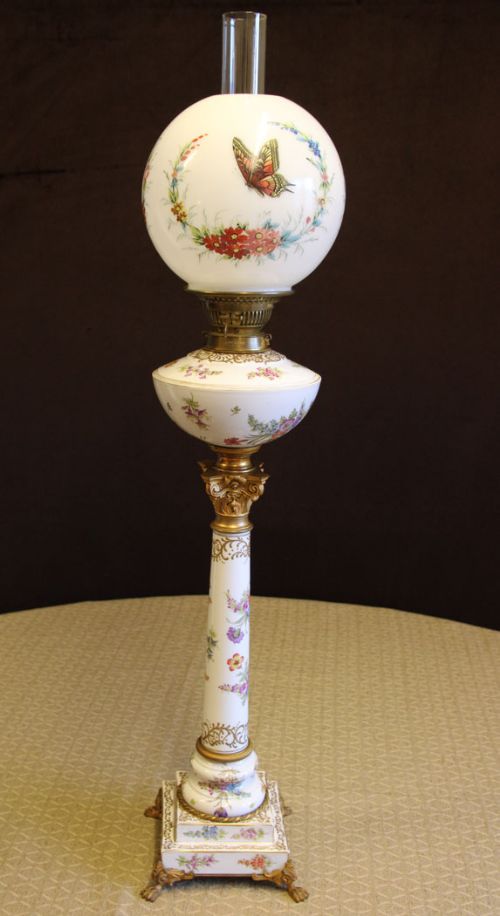
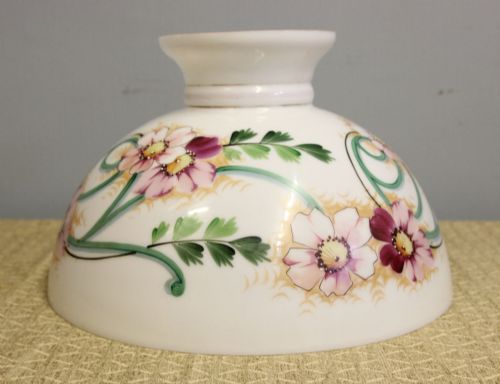
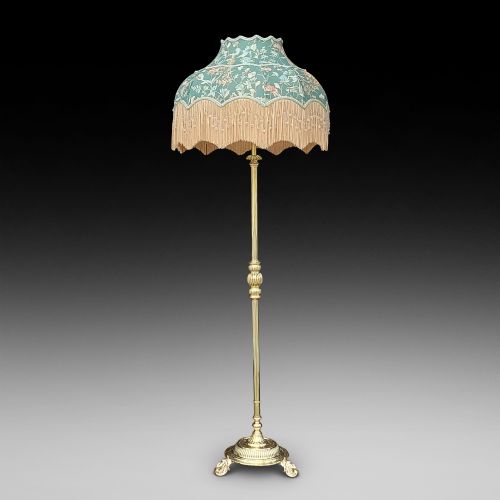
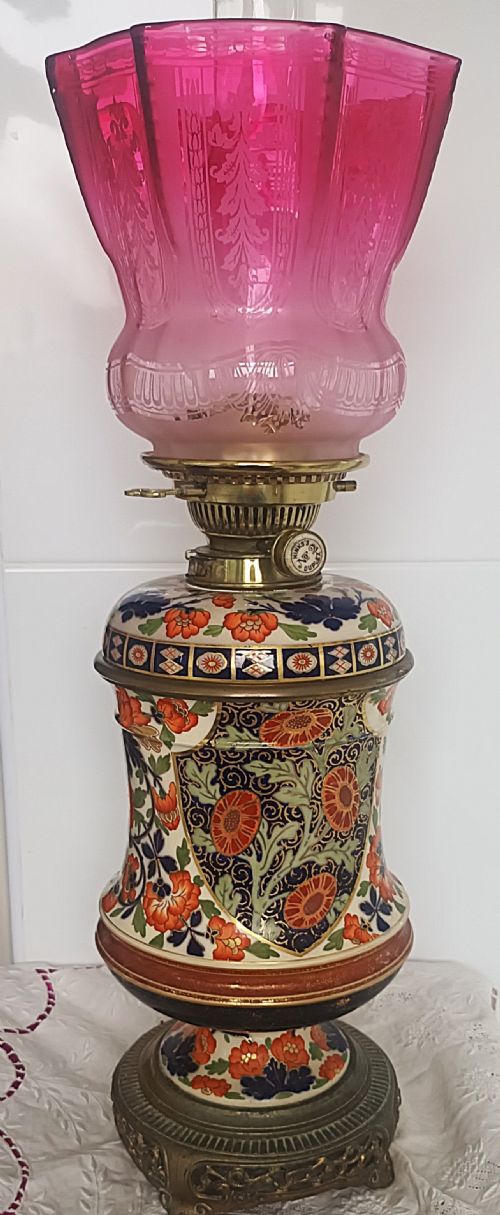
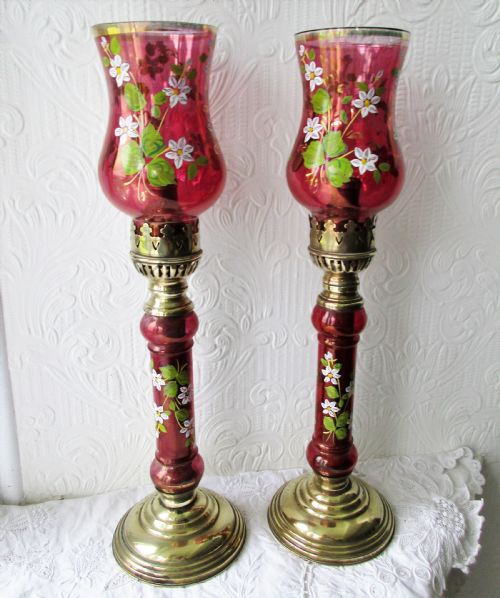
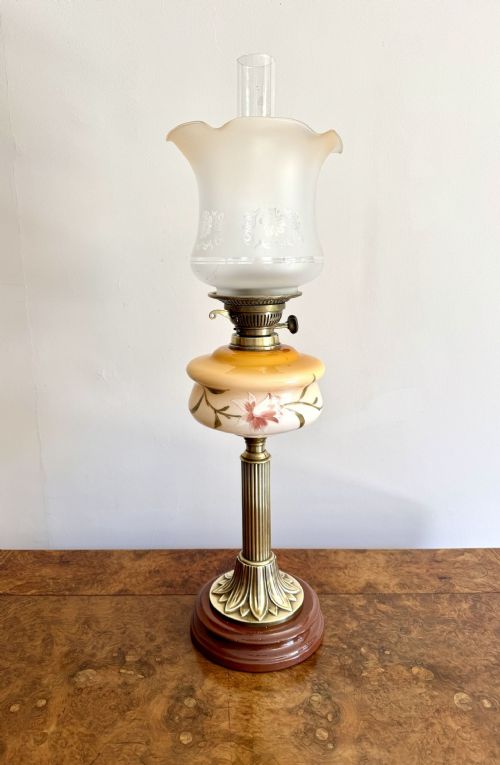
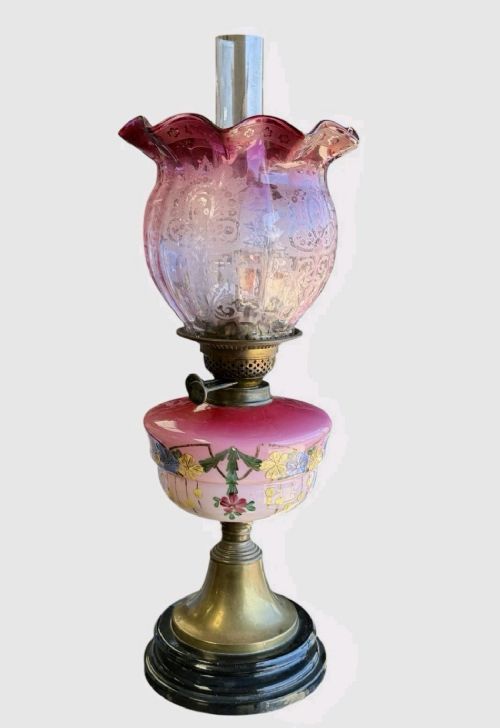
A victorian floral lamp brings nineteenth-century warmth and colour into a room through hand-painted glass fonts and porcelain bases.
Victorian Floral Lamp
When you search for a victorian floral lamp, you encounter lighting and small furniture designed to illuminate nineteenth-century interiors. The selection spans the nineteenth century into the Edwardian era, incorporating styles from Rococo Revival and Chinoiserie to Arts and Crafts.
Oil lamps and table lamps dominate the offerings, often paired with matching glass shades or hand-painted ceramic fonts. Alongside these, occasional tables, side tables, and lamp stands appear frequently to support the lighting.
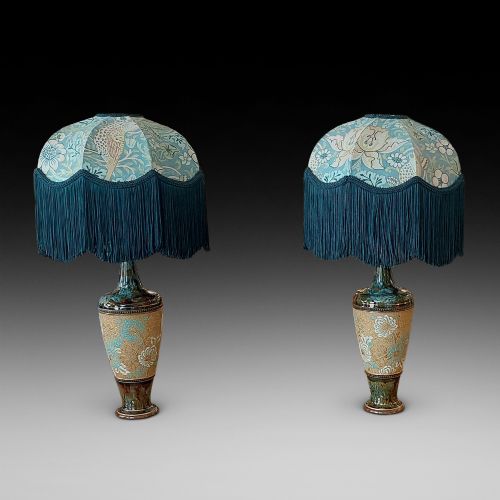
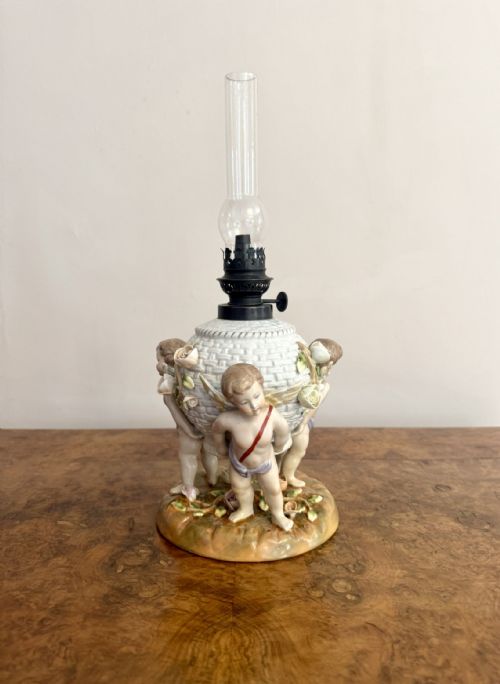
The most common pieces combine brass or porcelain bases with vibrant glass shades, reflecting the decorative tastes of the period. Makers such as Royal Doulton and Sitzendorf contribute ceramic and stoneware elements to the grouping.
Materials and construction
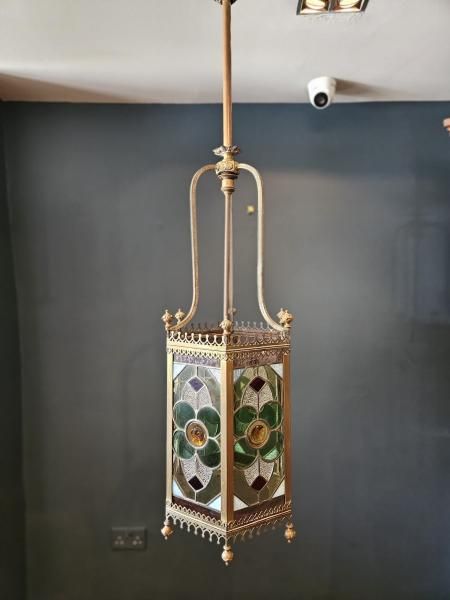
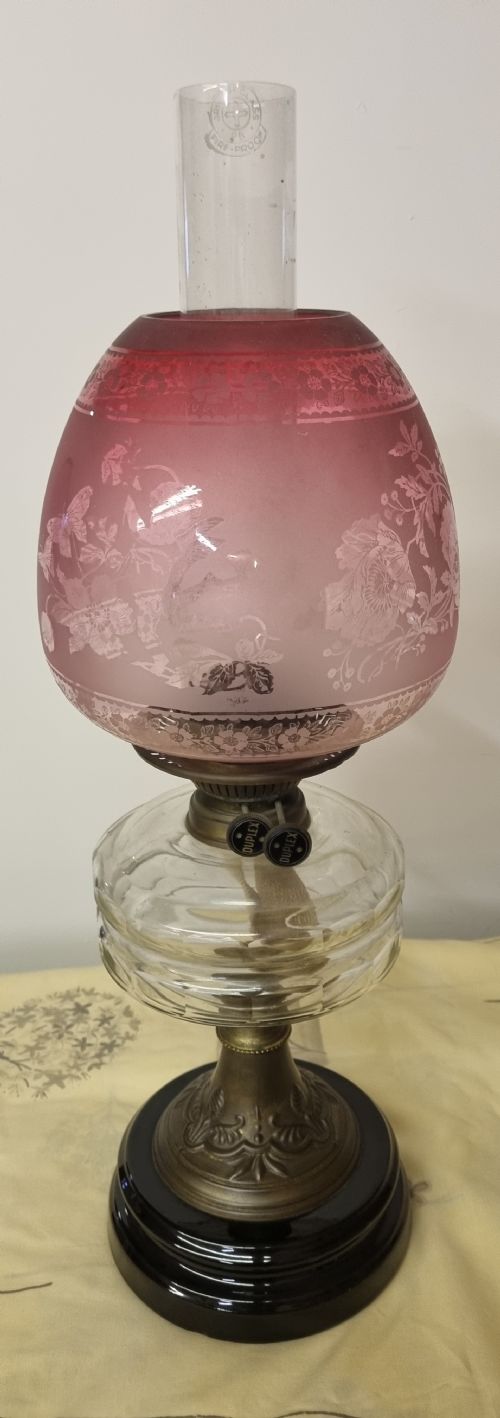
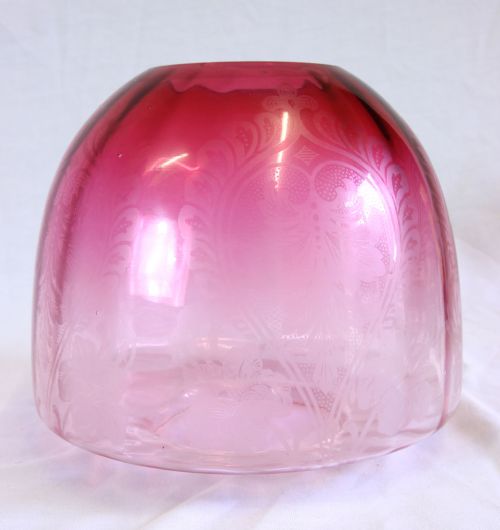
Brass, glass, and porcelain form the primary structural and decorative components of these lamps. Metalwork involves cast and openwork brass, while glasswork includes leaded panels, opaline, and cranberry glass.
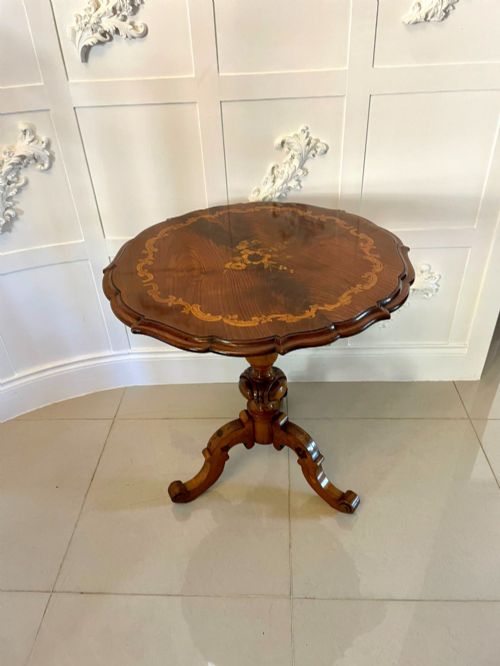
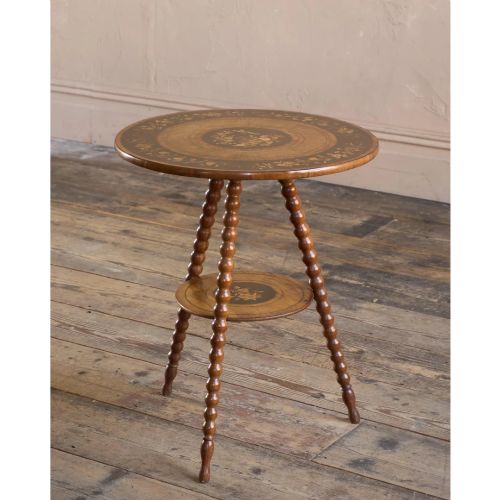
Ceramic elements utilise stoneware and hand-painted porcelain bodies from factories like Royal Doulton and Sitzendorf. Tables in walnut, rosewood, and mahogany incorporate marquetry inlay, bone inlay, and bobbin legs.
Victorian Floral Lamp Retail Price Guide 2026
Typical asking prices for victorian floral lamp among the pieces listed under this phrase on Sellingantiques today, from the lower quarter to the upper quarter. They describe what is for sale here now, not the wider market.
Listings feature items from the 1870s, 1880s, 1890s, and Edwardian periods utilising brass, glass, porcelain, and rosewood.
Factors of quality
Quality rests in the crispness of the brass casting, the delicacy of the hand-painted floral details on porcelain and glass, and the precision of marquetry inlay on associated tables. Superior pieces display harmonious proportions and intact original components.
Lighter or mass-produced items show simpler turning and less detailed floral painting. The depth of colour in cranberry or opaline glass and the weight of the brass base distinguish finer examples.
Royal Doulton·Sitzendorf·Hinks·Taylor Tunnicliff
The Victorian Floral Lamp Glossary
- Opaline glass
- An opaque or translucent pale glass popular in nineteenth-century lighting and decorative shades.
- Marquetry
- Decorative woodwork where pieces of veneer form intricate floral or geometric patterns on tables.
- Slaters stoneware
- A textured ceramic technique developed by Royal Doulton, often featuring lace impressions beneath floral glazes.
- Cranberry glass
- A rich red-pink glass created by adding gold chloride to the molten batch, seen in Victorian lamp shades.
Victorian Floral Lamp: Frequently Asked Questions
What is a victorian floral lamp?
A victorian floral lamp is a nineteenth-century lighting fixture featuring painted ceramic or glass decorated with plant motifs. They were originally designed to burn oil for illumination in domestic rooms.
Today, many have been adapted for modern electrical wiring while retaining their original aesthetic and decorative presence.
How do I identify a period piece?
Look for authentic materials like heavy cast brass, hand-blown cranberry glass, and traditional ceramic bodies. Maker marks from firms like Sitzendorf or Royal Doulton help confirm origin.
Construction details such as hand-cut threads on brass burners and aged patination further indicate nineteenth-century manufacture.
Were these lamps used with tables?
Yes, oil lamps and table lamps sat upon occasional tables, wine stands, and centre tables specifically constructed from rosewood, walnut, or mahogany.
Many of these small tables feature marquetry inlay and sturdy pedestal bases designed to support heavy ceramic and brass lighting.
How do I clean glass lamp shades?
Wash glass shades gently in warm water with mild soap, avoiding harsh abrasives that could damage hand-painted floral decorations. Rinse thoroughly and dry with a soft cloth.
Take care with antique glass edges and painted surfaces during handling to preserve the finish.