

Victorian Fitted Desk
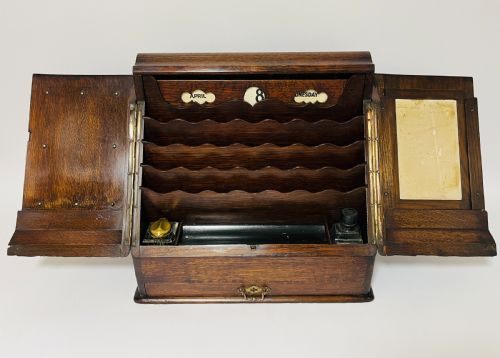
A victorian fitted desk brings together heavy timber and clever interior compartments, offering a working surface equipped with organised drawers and pigeonholes.
Victorian Fitted Desk
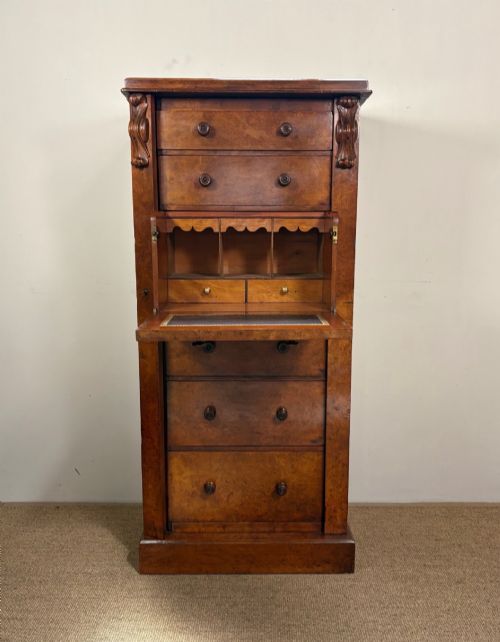
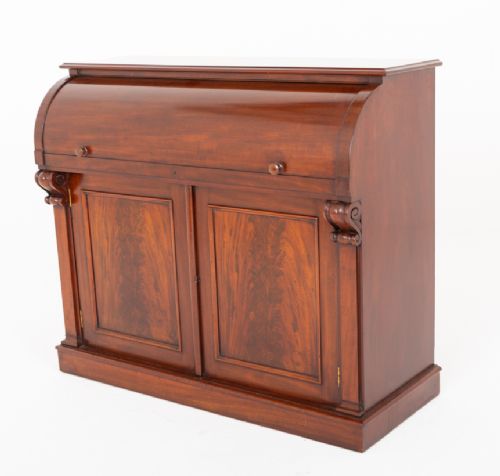
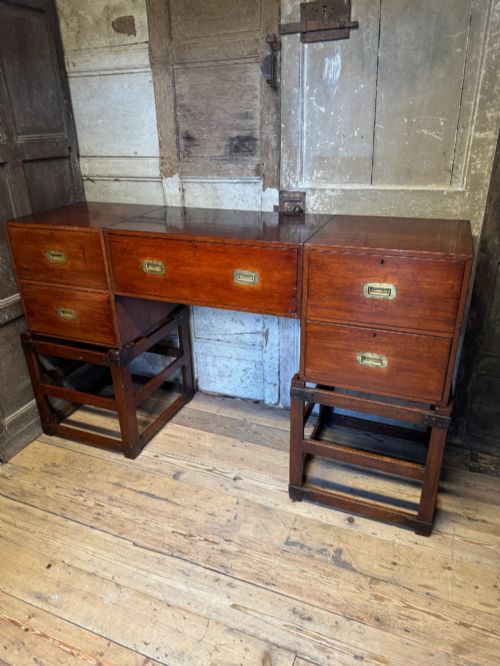
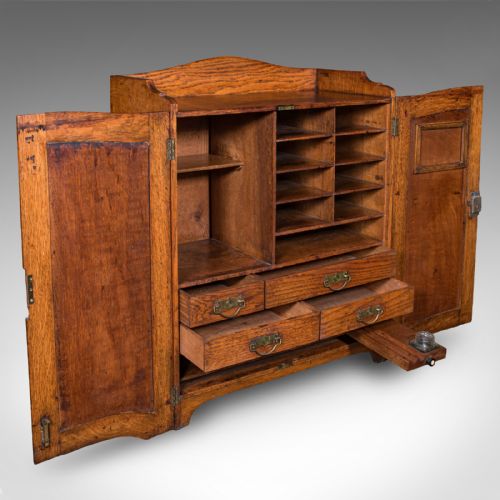
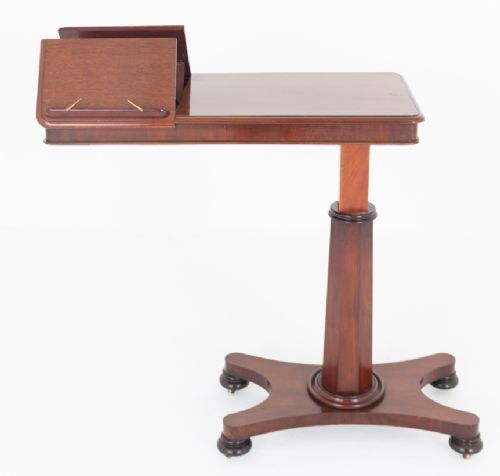
When you search for a victorian fitted desk, you encounter pieces designed for private correspondence and household administration during the nineteenth century. These forms range from pedestal kneehole desks and cylinder desks to smaller writing slopes and lap desks with fitted interiors.
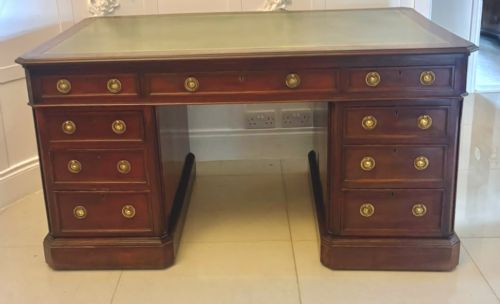
The pieces appearing here include examples from the Victorian and Edwardian eras, spanning timber pedestal desks, Davenport desks, and secretaire bookcases. Mahogany and walnut dominate the selection, often accompanied by brass mounts and leather writing surfaces.
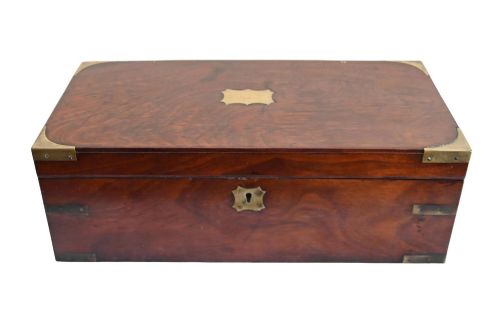
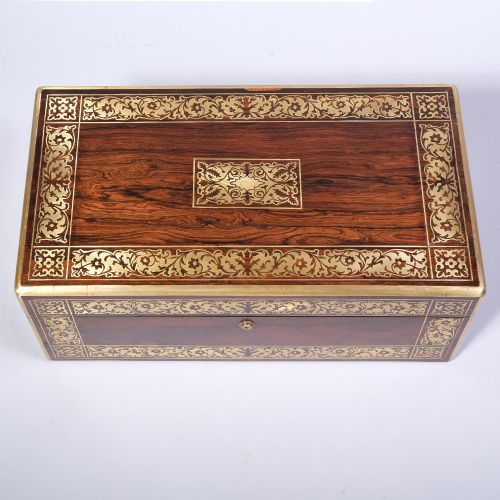
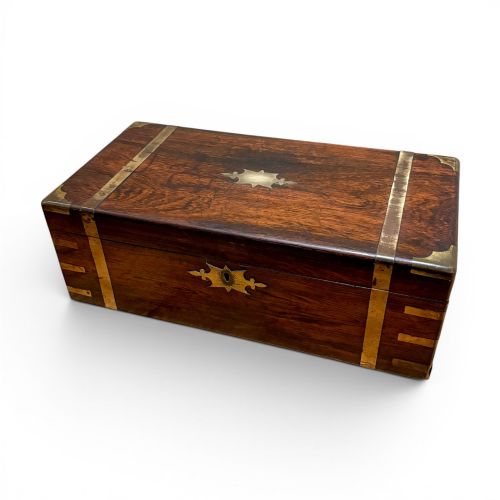
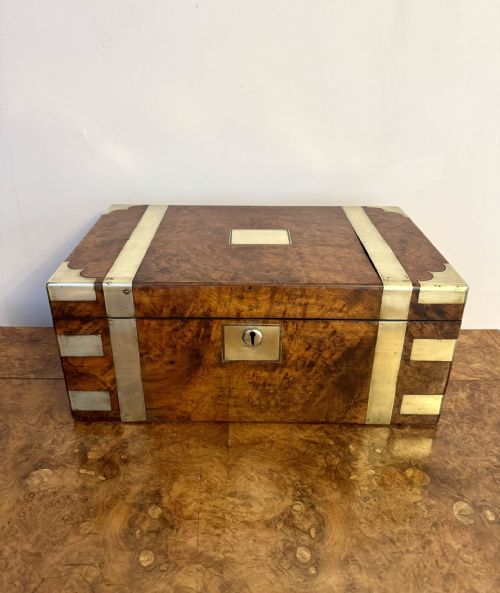
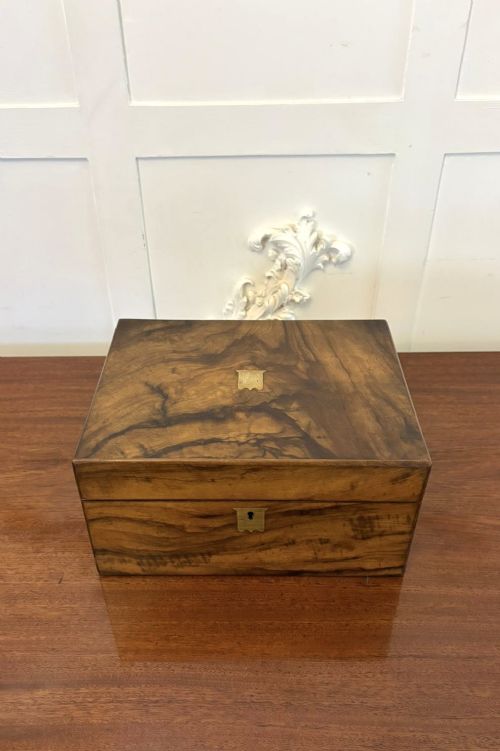
Smaller portable writing boxes and writing slopes also populate this category, providing compartments for stationery and inkwells. Many of these date from the mid-nineteenth century, around eighteen fifty to eighteen eighty.
How They Were Made
Cabinet makers built these pieces using solid timbers and veneers of mahogany, walnut, burr walnut, rosewood, and oak. Secondary woods were utilised for interior drawer linings and backing boards.
Secret sovereign sections and hidden spring-loaded drawers kept hidden wealth safe from prying eyes during the Victorian era.
What Varies in Quality
The distinction between ordinary and superior pieces rests on the choice of timber and the precision of the interior joinery. Highly figured burr walnut and carefully selected mahogany veneers indicate higher workshop standards.
Ingenuity in the design of internal stationery compartments and secret drawers separates standard writing boxes from exceptional examples. The integration of working locks with original keys and flush brass binding further elevates a piece.
Harrison Brothers & Howson
The Victorian Fitted Desk Glossary
- Kneehole desk
- A writing table with drawers on either side of the central space for the user's legs. These freestanding pedestal pieces often include fitted stationery drawers and writing slides.
- Writing slope
- A portable box with an inclined lid that opens to reveal a velvet or leather writing surface and internal compartments for ink and pens. Many feature secret drawers.
- Cylinder desk
- A desk featuring a curved rolling wooden shutter that conceals a pull-out writing surface and internal pigeonholes. This form keeps correspondence hidden from view.
- Secretaire chest
- A chest of drawers where the top drawer pulls down to reveal a fitted writing interior with small drawers and pigeonholes. It combines storage with a pull-out desk surface.
Victorian Fitted Desk: Frequently Asked Questions
What is a fitted desk?
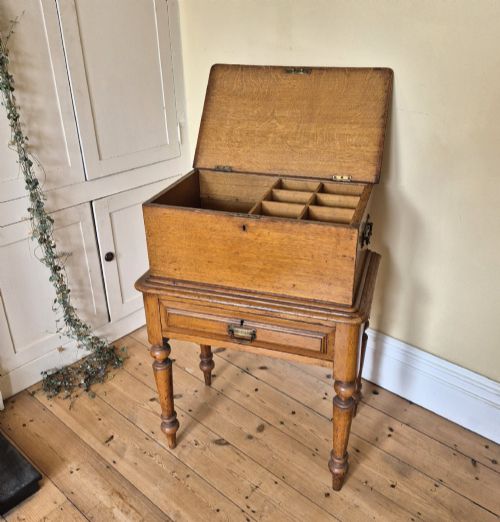
A fitted desk contains built-in interior compartments, small drawers, and pigeonholes designed for stationery, letters, and writing implements.
These additions distinguish them from standard writing tables by providing dedicated storage for paperwork.
How do I use a writing slope?
A writing slope opens to form an inclined writing surface covered in leather or velvet. The interior holds inkwells, pens, and paper.
When closed, the box stores correspondence securely for travel or home use.
What woods were used?
Cabinet makers utilised dense hardwoods such as mahogany, walnut, burr walnut, rosewood, and oak. These timbers provided durability and a smooth surface for polishing.
Secondary woods like pine often appear inside drawer construction.
How do I spot a cylinder desk?
A cylinder desk has a quarter-circle wooden shutter that rolls backward into the body of the desk. Pulling the writing slide forward often retracts the cylinder automatically.
This mechanism reveals the fitted interior and pigeonholes.