

Victorian Fitted Case
A victorian fitted case organises travel, sewing, or writing with tailored compartments in mahogany, leather, or rosewood.
Victorian Fitted Case
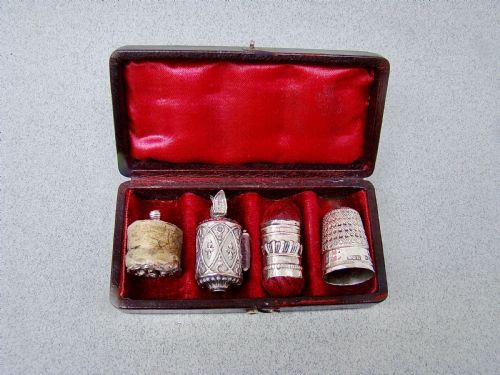
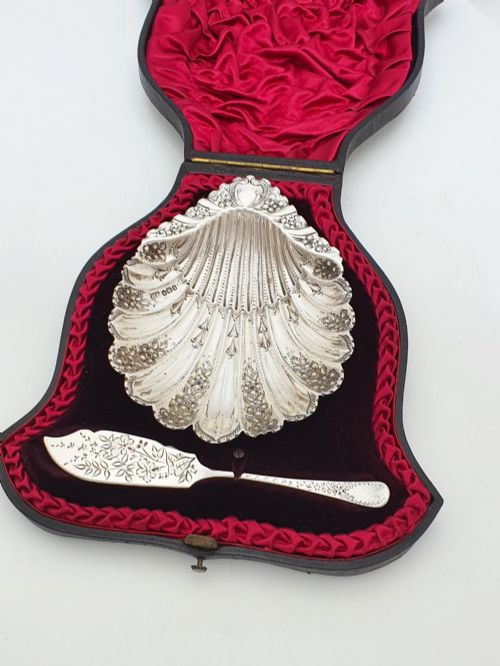
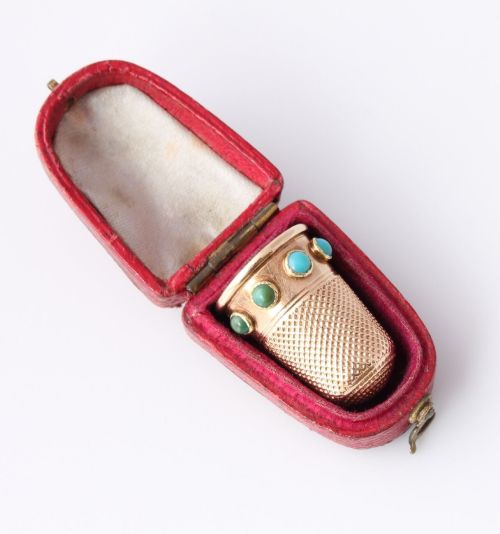
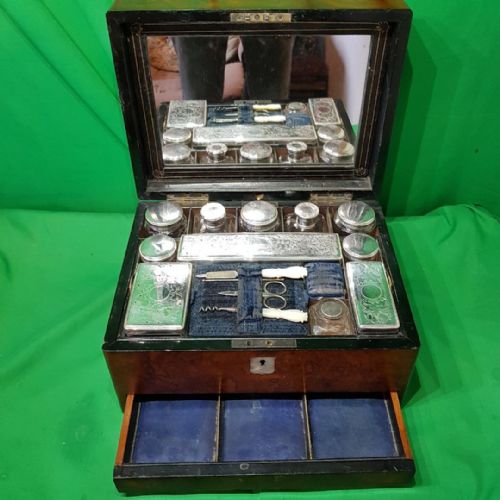
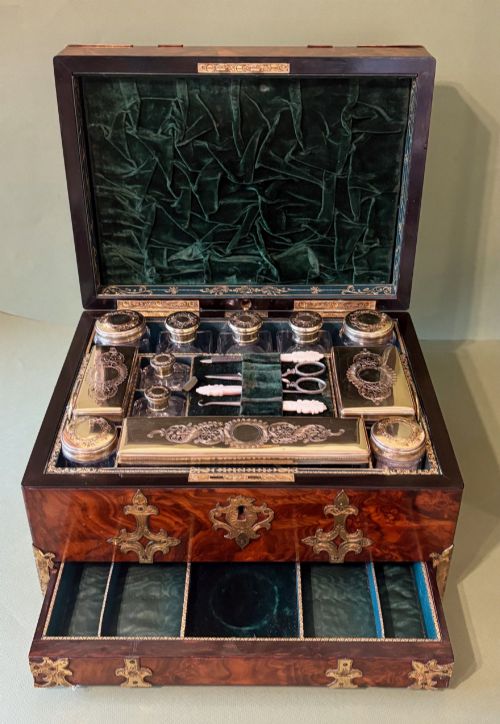
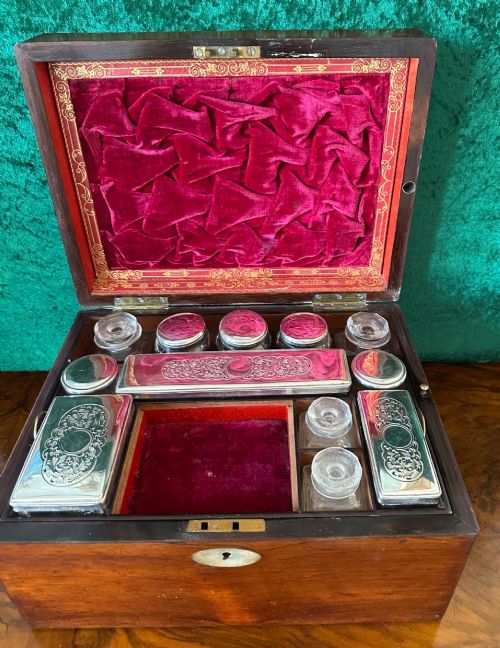
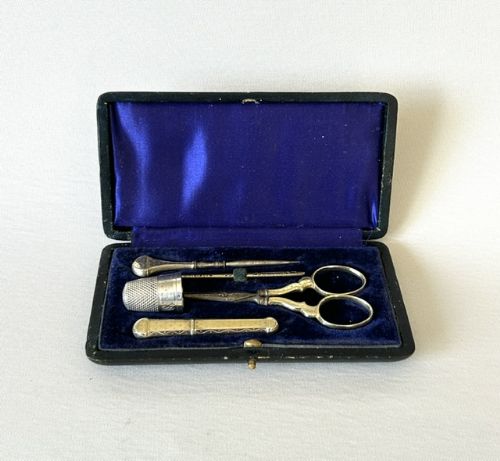
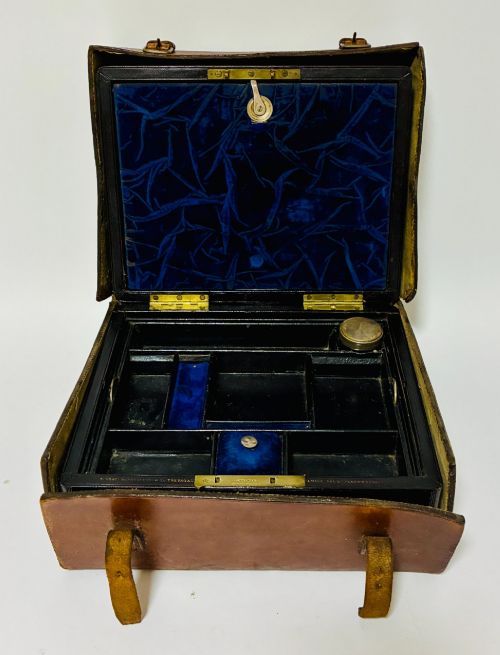
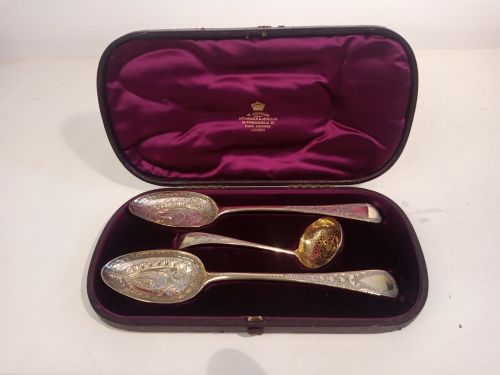
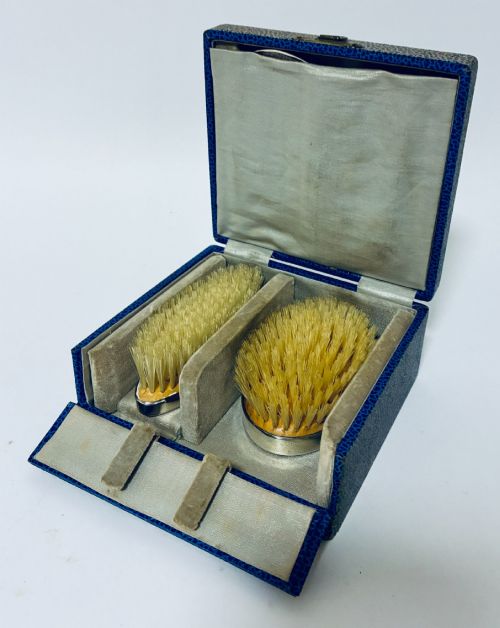
A victorian fitted case encompasses a wide range of compartmentalised containers, including dressing boxes, vanity cases, scientific instrument boxes, and sewing sets originating from the nineteenth century. These objects were designed to secure and display personal possessions, instruments, or silver services during transit or at home.
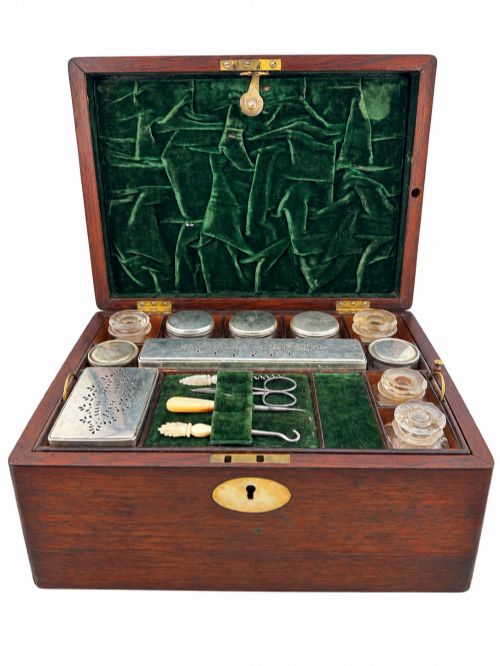
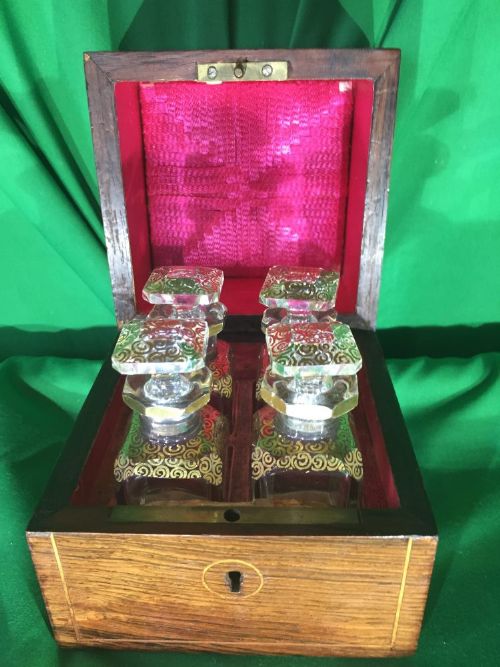
The versions most frequently encountered on this page are rosewood and mahogany jewellery or dressing boxes dating from around eighteen-sixty to eighteen-eighty. They typically feature velvet or silk linings, lift-out trays, and secret drawers tailored for specific utility.
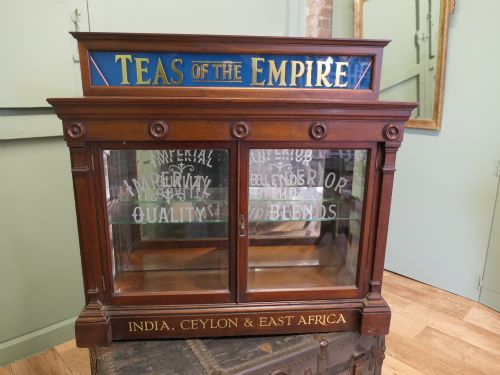
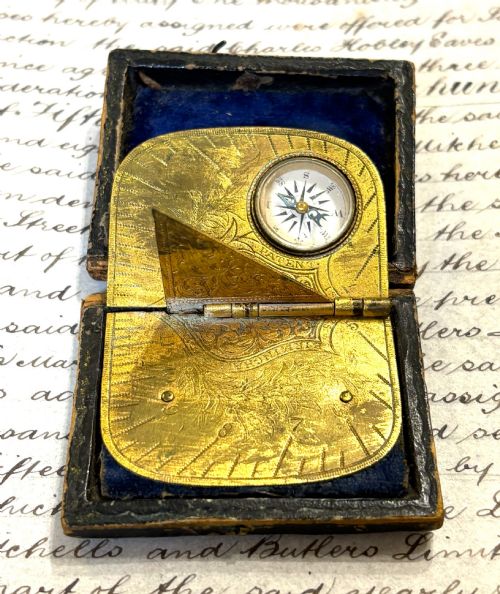
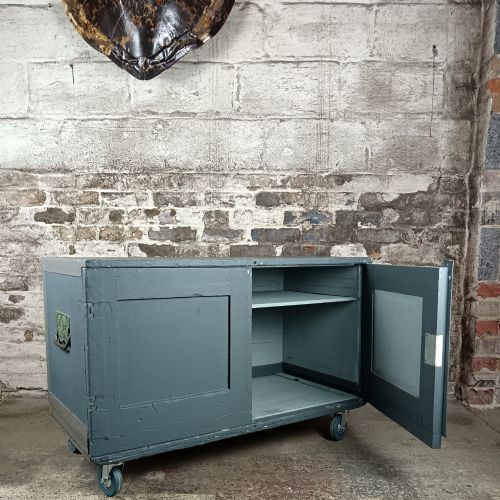
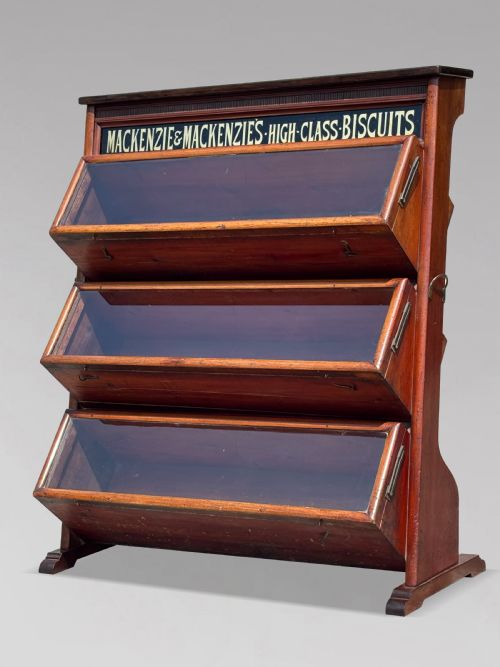
Beyond personal vanity and travel, the category extends to specialised containers such as military campaign chests, scientific instrument cases, and commercial display cabinets. Each type shares the defining characteristic of internal fittings custom-built for its contents.
How they were made
Cabinet makers utilised dense hardwoods such as mahogany, walnut, and rosewood, often enhanced with burr veneers or brass banding to protect corners during travel. Internal layouts relied on precision joinery to create snug compartments for glass scent bottles, silver instruments, and razors.
Interiors were lined with velvet, silk, or leather, while receptacles for liquids incorporated cut glass fitted with sterling silver or silver-gilt lids. Metal hardware, including hinges, campaign handles, and locks, was cast in brass and countersunk into the wood.
Victorian Fitted Case Retail Price Guide 2026
Typical asking prices for victorian fitted case among the pieces listed under this phrase on Sellingantiques today, from the lower quarter to the upper quarter. They describe what is for sale here now, not the wider market.
Fittings across the selection incorporate sterling silver, glass, brass, silk, velvet, and leather.
What varies in quality
Quality rests upon the integrity of the internal fittings and the completeness of the original contents. A high-grade example maintains its matching set of glass bottles, instruments, or razors, alongside functional locks and original silk or velvet linings.
The choice of exterior timber and veneer work also distinguishes finer pieces, particularly those employing burr walnut or coromandel with secret compartments, contrasted against simpler constructions in oak or mahogany.
F. West·H Mitchell·L Casella & Co·John Stow Ltd·Robert West
The Victorian Fitted Case Glossary
- Campaign case
- A portable container designed for military travel, featuring brass corners and recessed carrying handles for durability.
- Dressing box
- A fitted container for personal grooming items, frequently housing glass bottles, razors, and brushes alongside a mirror.
- Secret drawer
- A concealed compartment accessed by releasing a hidden spring mechanism or removing a false partition.
- Silver-gilt
- Sterling silver that has been coated with a thin layer of gold on its surface.
- Coromandel
- A dense, heavily figured southeast Asian timber utilised for luxury nineteenth-century boxes.
Victorian Fitted Case: Frequently Asked Questions
What fits inside a dressing box?
These boxes accommodate grooming and personal items, typically holding glass scent bottles with silver lids, razors, brushes, and small instruments.
Lower trays often provide open compartments for jewellery, studs, and spare buttons, sometimes complemented by a folding mirror in the lid.
How are scientific instrument cases organised?
Scientific instrument containers feature custom-carved wooden blocks or padded velvet grooves designed to hold specific items such as drainage levels or sundials securely in place.
These fitted interiors prevented delicate brass and glass components from shifting during transport across rough terrain.
What is a military campaign case?
A campaign case is a robust storage trunk built for transport during military deployment or long-distance travel.
They feature reinforced brass corners, flush-fitting handles, and durable timbers to withstand frequent handling and variable climates.
How do I care for velvet and silk linings?
Fabric linings require dry environments and protection from direct sunlight to prevent fading and textile degradation over time.
Dust should be removed gently with a soft brush rather than liquid cleaners, which can damage aged silk and velvet fibres.