
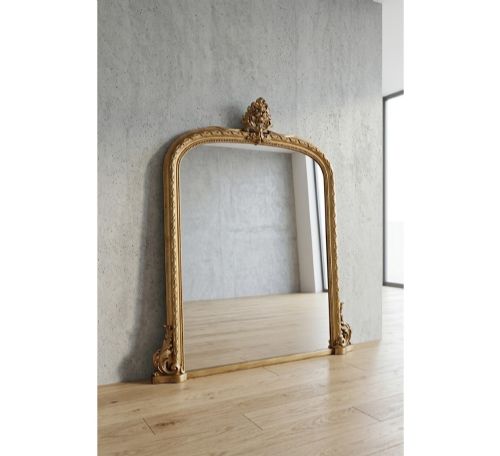
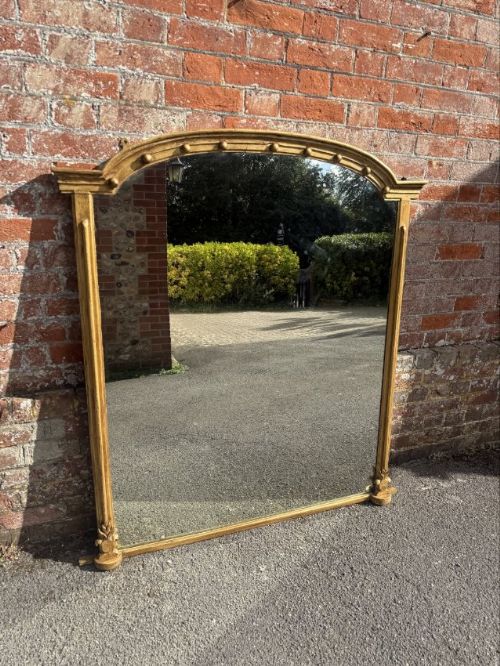
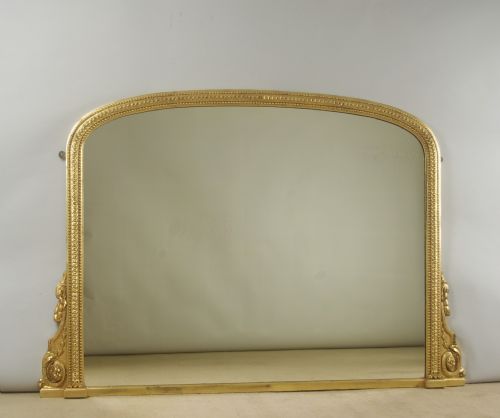
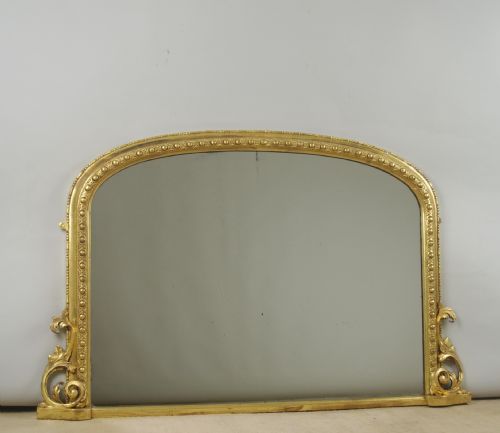
Victorian Fireplace Mantle
When you search for a victorian fireplace mantle, you find heavy architectural timber surrounds and grand overmantel mirrors designed to anchor a nineteenth-century room.
Victorian Fireplace Mantle
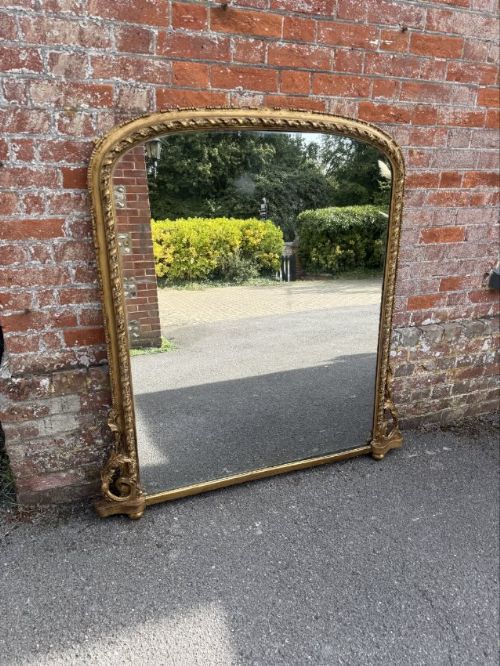
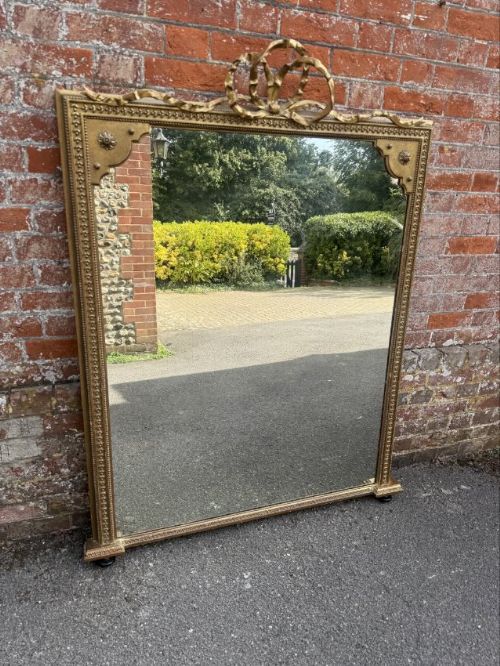
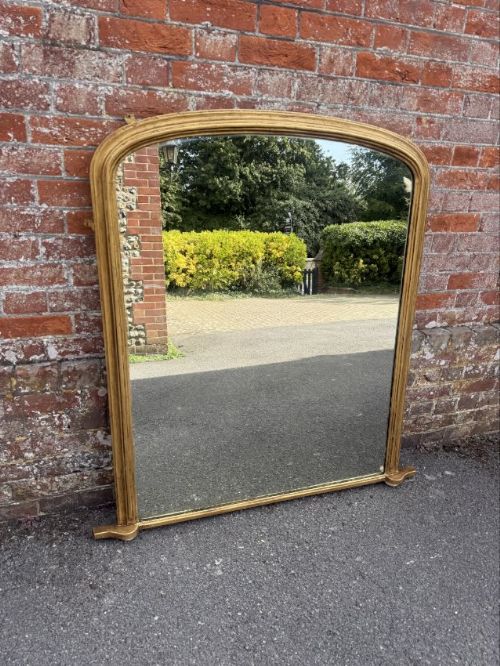
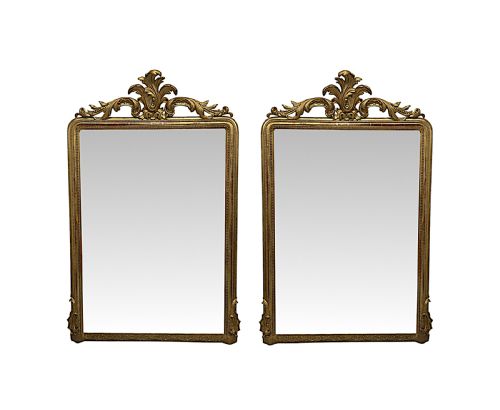
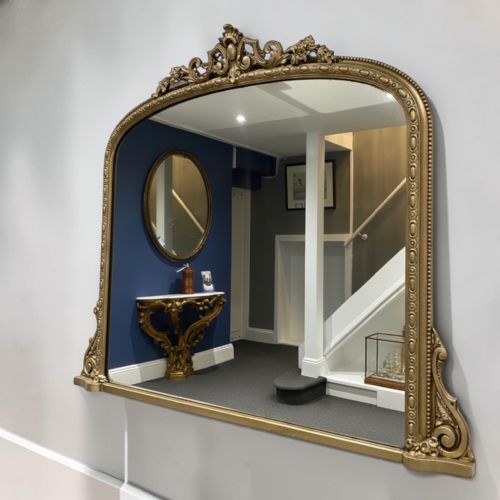
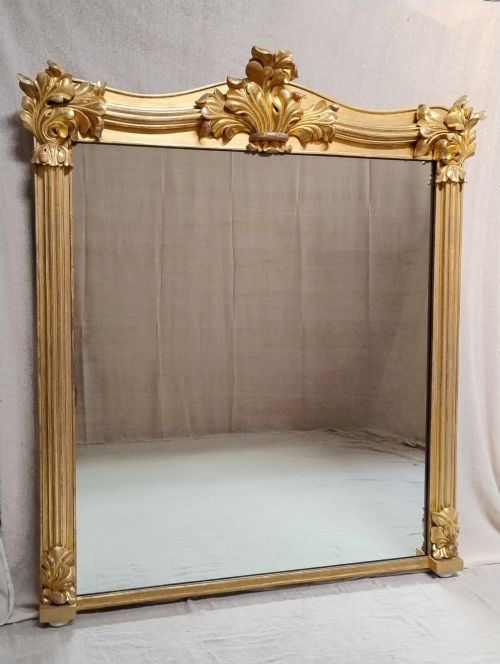
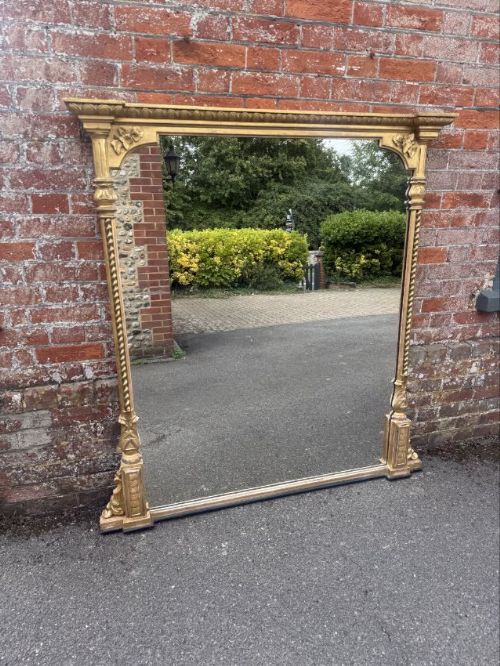
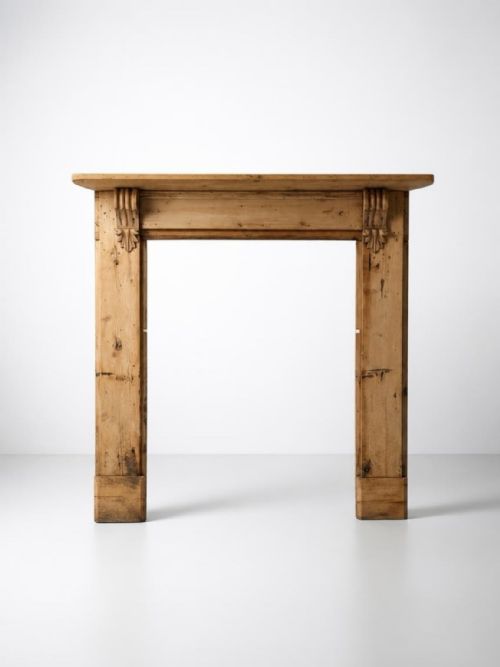
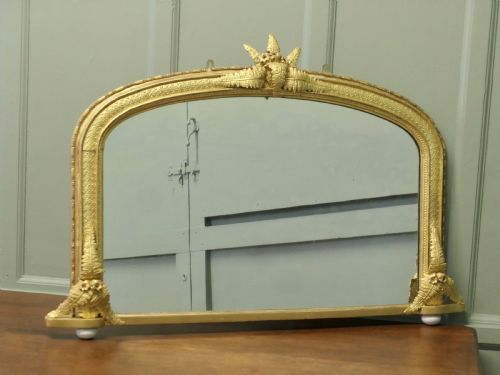
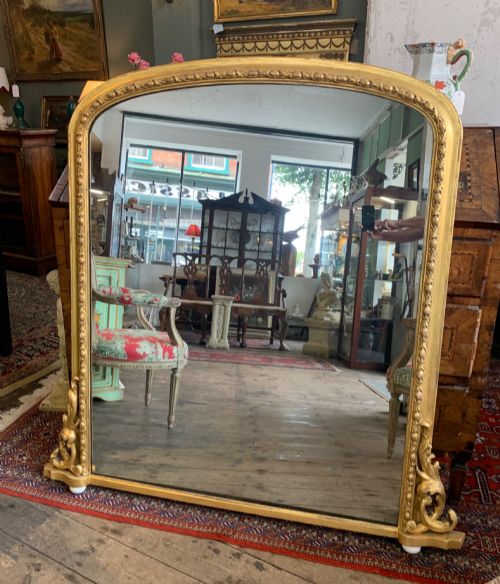
A victorian fireplace mantle encompasses both architectural surrounds built from solid timbers and large glass mirrors made to hang directly above the hearth. The predominant forms on this page are grand overmantel mirrors and substantial fire surrounds originating in the nineteenth century.
How they were made
Makers shaped the architectural surrounds from native timbers such as pine, oak, and pitch pine, often leaving the grain visible or applying paint and silvering. Carved wood and gesso formed the relief ornamentation on mirror frames, providing a stable base for subsequent gilding.
Giltwood and gold leaf finishes required meticulous application over layers of gesso to achieve a reflective metallic surface on the wooden mouldings. Glass plates were fitted into these frames, sometimes incorporating triple plate configurations to create expansive reflections.
Listings feature nineteenth-century pine, oak, and gesso pieces alongside mirror glass and gold leaf finishes.
What varies in quality
The depth and crispness of the hand-carved detail on the wood and gesso elements distinguish standard production from exceptional pieces. Superior overmantel mirrors retain their original gilding and heavy glass plates without excessive foxing or distortion.
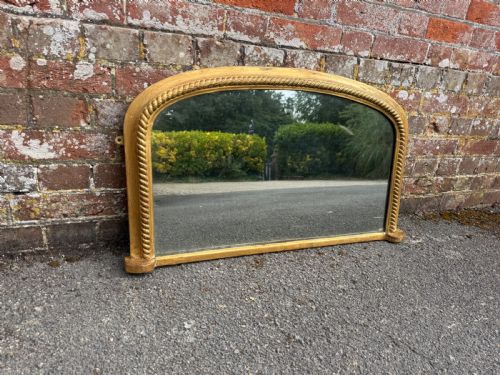
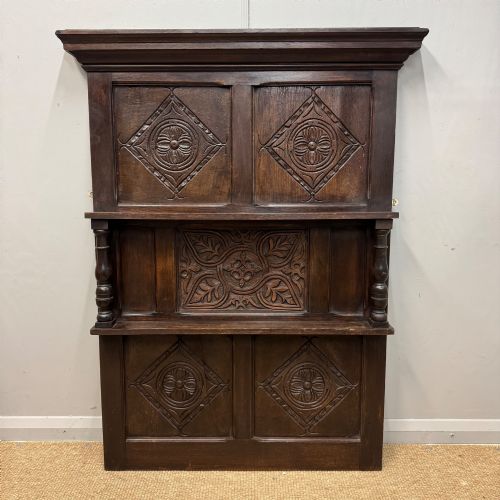
Architectural integrity sets the better timber surrounds apart, particularly where joints remain tight and original mouldings survive intact. The complexity of the design, such as rope twists, columns, or central cartouches, indicates the level of craftsmanship invested in the object.
The Victorian Fireplace Mantle Glossary
- Overmantel mirror
- A large wall mirror specifically proportioned to hang on the chimney breast directly above a fireplace mantle. These pieces frequently incorporate arched tops and gilt frames to dominate the wall space.
- Gesso
- A plaster-like mixture applied to wood frames to create a smooth surface for carving and gilding. It allows for intricate relief ornamentation before gold leaf is laid down.
- Giltwood
- Timber that has been coated with gold leaf or metallic paint for a decorative golden finish. It forms the lustrous surface seen on many nineteenth-century mirror frames.
- Pitch pine
- A durable resinous softwood utilised for structural joinery and fireplace surrounds during the Victorian period. It yields a pronounced grain pattern when finished.
- Cartouche
- An ornamental framed tablet or oval design, often resembling a rolled-up scroll, placed centrally on the top of mirror frames. It adds a focal point to grand architectural pieces.
Victorian Fireplace Mantle: Frequently Asked Questions
How do I hang a heavy overmantel mirror?
These large nineteenth-century mirrors require secure fixings anchored directly into the masonry or heavy studs of the chimney breast. Professional installation is essential due to the combined weight of the timber frame, gesso, and thick glass.
Ensure the hanging wire or brackets match the weight distribution specified by the frame structure to prevent shifting over the hearth.
Can I use an original timber surround with a modern fireplace?
Victorian pine and oak surrounds can often be adapted to fit modern hearth openings, provided the internal dimensions match safety clearance regulations. A qualified installer must check the distance between the combustible timber and the heat source.
Many buyers pair these antique architectural pieces with contemporary gas or electric inserts to blend period character with modern convenience.
What indicates a nineteenth-century date?
Indicators include hand-beveled or thick plate glass, traditional joinery methods in the timber backing, and the composition of the gesso under the gilding. Construction details on the reverse of the mirror often reveal period craftsmanship.
Examining the original wood types, such as pitch pine or birdseye maple, also helps confirm the era of manufacture.