



Victorian Fireback
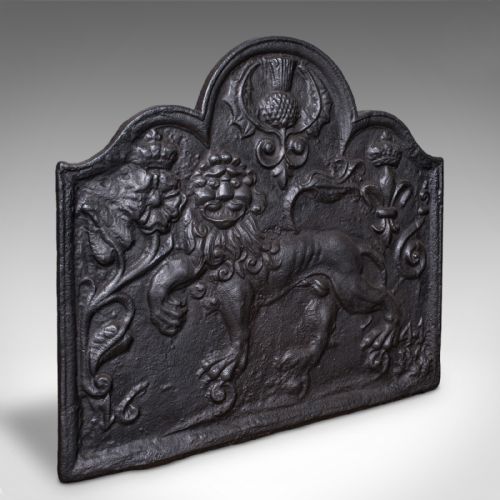
These heavy cast iron plates are designed to protect the rear masonry of a hearth while reflecting radiant heat back into the room.
Victorian Fireback
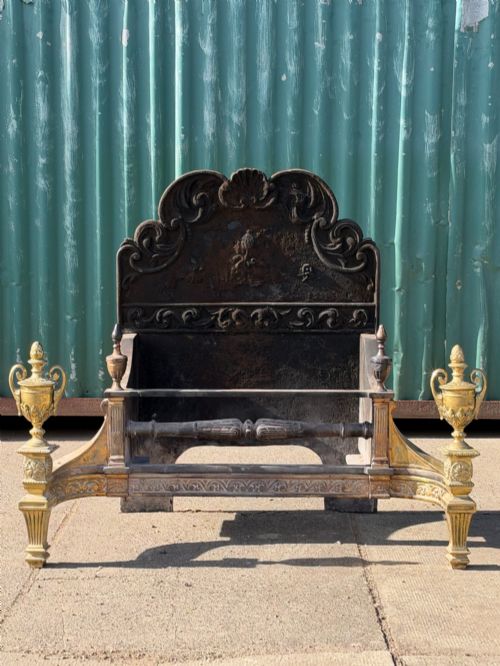
A victorian fireback sits against the back wall of an open fireplace, absorbing and re-emitting warmth into the living space. Most examples encountered here are cast iron plates produced during the nineteenth century, often functioning as fireplace reflectors.
Designs range from simple decorative rectangular panels to elaborate architectural pieces incorporating revival styles. Buyers frequently select these items to anchor a traditional hearth setup or to complement period grates and andirons.
Materials and construction
Foundries manufactured these items primarily using cast iron poured into moulds to create deep relief ornamentation. Some grander configurations integrate brass components alongside iron and wrought iron elements to accent the neoclassical or gothic styling.
The casting process allowed makers to replicate intricate heraldic motifs, botanical patterns such as the tree of life, and classical architectural details. Metal thickness varied according to the intended placement within domestic or institutional hearths.
Victorian Fireback Retail Price Guide 2026
Typical asking prices for victorian fireback among the pieces listed under this phrase on Sellingantiques today, from the lower quarter to the upper quarter. They describe what is for sale here now, not the wider market.
Listings incorporate cast iron, brass, and wrought iron formed into firebacks, grates, and complete fireplace inserts from the nineteenth century.
Judging quality in ironwork
Depth and crispness of the cast relief distinguish finer examples from plain utilitarian plates. The clarity of moulded details in neoclassical or heraldic motifs demonstrates the skill of the nineteenth-century foundry.
Substantial metal weight and structural integrity govern durability under intense hearth heat. Pieces combining brass fittings with cast iron demand superior metal-working technique compared to single-material panels.
The Victorian Fireback Glossary
- Fireback
- A heavy metal plate placed at the rear of an open fireplace to protect the wall and reflect heat. These items usually feature cast relief ornamentation.
- Register grate
- A metal fireplace insert featuring a moveable flap or valve to control the draught up the chimney. They frequently incorporate decorative cast iron frames.
- Andirons
- Horizontal bars or firedogs supporting burning logs in an open hearth. They often appear alongside fire baskets and firebacks.
- Neoclassical revival
- A decorative style drawing inspiration from classical antiquity, popular during the nineteenth century. It relies on symmetrical urns, swags, and classical architectural motifs.
Victorian Fireback: Frequently Asked Questions
How do I install a fireback?
A fireback simply stands upright against the rear brickwork of an open hearth, often supported by small feet or leaning at a slight angle. Ensure the hearth floor is level and clear of ash before positioning the heavy iron plate.
Larger configurations may benefit from dedicated fireback feet or the front pressure of a fire grate to keep the plate secure during use.
Can I use these with a gas fire?
These cast iron plates work safely behind modern gas log fires as well as traditional wood-burning hearths. The metal absorbs and radiates the heat regardless of the fuel source.
Confirm the dimensions of your fireplace recess allow adequate clearance around the plate before placing any heavy iron accessory inside.
How do I clean cast iron?
Remove accumulated soot and ash using a stiff natural bristle brush without harsh chemical solvents. Lightly oiling the cool metal surface helps prevent rust formation in damp environments.
Avoid using water directly on unsealed cast iron surfaces to prevent corrosion over time.
What styles were popular?
Nineteenth-century design drew heavily on historical precedents, producing George III revival, gothic, and neoclassical motifs. Heraldic emblems and botanical themes such as trees of life also appeared frequently on domestic plates.
Foundries combined these historical references with practical considerations for coal grates and register inserts.