




Victorian Figural Vases
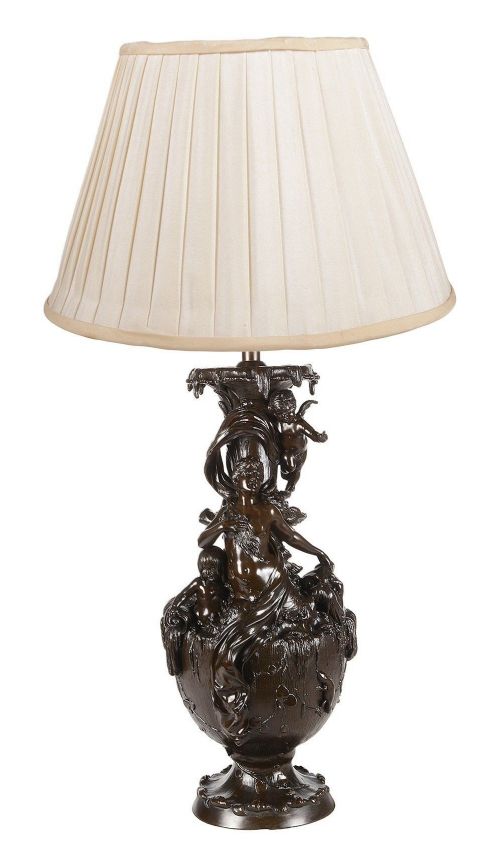
Victorian figural vases bring sculpted human and animal forms together with decorative vessels, offering a striking centrepiece for a traditional interior.
Victorian Figural Vases
Victorian figural vases combine functional vessel forms with sculpted human figures, cherubs, or animals, merging sculpture with decorative utility. When searching for victorian figural vases, collectors encounter a diverse range of objects spanning the nineteenth century.
The selections on this page draw from periods across the nineteenth century, including specific dates such as eighteen eighty, eighteen ninety, and nineteen ten alongside the broader Victorian era. Forms range from decorative jugs and lidded vessels to centrepiece vases, clock garniture, and porcelain figures.
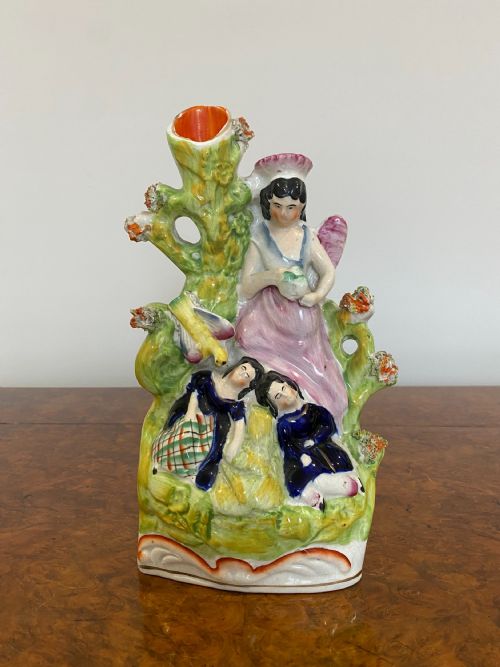
Origins vary across the inventory, encompassing continental porcelain, Staffordshire flat backs, Japanese Satsuma, and Dutch Delftware. Buyers frequently find pairs of continental vases alongside single monumental pieces featuring detailed figural modelling.
Assessing quality and craftsmanship
Quality in these pieces rests upon the crispness of the modelling in the figural elements and the precision of the hand-painted enamel and gilding. Superior examples display careful attention to anatomical proportion and facial expression.
The integration between the vessel and the sculpted figures separates standard production from exceptional work. Pieces attributed to notable potteries or modelled with complex multi-figure arrangements command closer attention from discerning collectors.
Listings feature periods spanning the Victorian era alongside specific dates from eighteen sixty to nineteen ten, executed in porcelain, earthenware, and enamel.
Royal Worcester·Royal Dux·Minton·Kinkozan·Vion et Baury·Albert Carrier·Mason
The Victorian Figural Vases Glossary
- Bisque porcelain
- Unglazed fired porcelain that possesses a matte, marble-like surface texture. This finish allows sculptural details to remain sharp and unmasked by glossy transparent coatings.
- Clock garniture
- A set comprising a central timepiece matched with flanking decorative pieces such as urns or vases. These sets were designed to sit harmoniously on a mantelpiece.
- Maiolica
- Tin-glazed earthenware decorated with opaque colours over a white enamel ground. The technique permits vibrant painterly effects on three-dimensional forms.
- Gilt
- A thin layer of gold applied to the surface of ceramic or metal objects for ornamentation. It is often used to highlight rims, handles, and raised relief details.
- Flat back
- A ceramic figure or vase moulded with a finished front and a flat, unpainted rear. These pieces were traditionally designed to stand directly against a wall or mantel.
Victorian Figural Vases: Frequently Asked Questions
What defines Victorian figural vases?
These pieces combine standard vessel shapes with three-dimensional human, animal, or mythological figures. They serve both decorative and functional display purposes.
They reflect the nineteenth-century preference for ornate, narrative-driven interior ornaments that drew on classical and continental styles.
How were these vases displayed originally?
They were typically placed on mantelpieces, central tables, or as part of matched clock garniture sets in formal Victorian reception rooms.
Pairs were often arranged symmetrically to anchor a room scheme, while large single centrepieces stood alone on prominent display surfaces.
How do I care for antique ceramic figures?
Dust them gently with a soft, dry brush to prevent dirt accumulation on delicate enamel and gilt surfaces. Avoid using liquid cleaners that might damage unglazed bisque porcelain.
Keep them out of direct sunlight to preserve the vibrancy of hand-painted polychrome enamel details over time.
Can I use these vases for holding water?
Many antique ceramic and porcelain vessels are porous or feature delicate interior glazes that make them unsuitable for holding fresh water and flowers.
It is safer to treat them as decorative objects or utilise discreet internal liners if displaying dried or artificial stems.