


Victorian Faux Bamboo Furniture
Victorian faux bamboo furniture captures the 19th-century fascination with exotic design, offering charmingly turned wooden frames that mimic natural cane.
Victorian Faux Bamboo Furniture
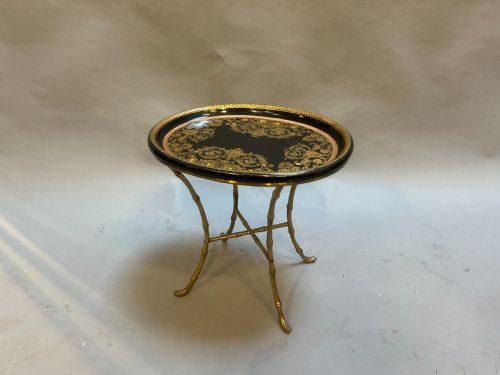
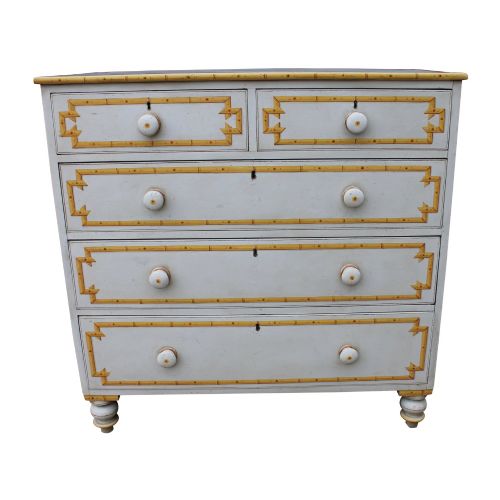
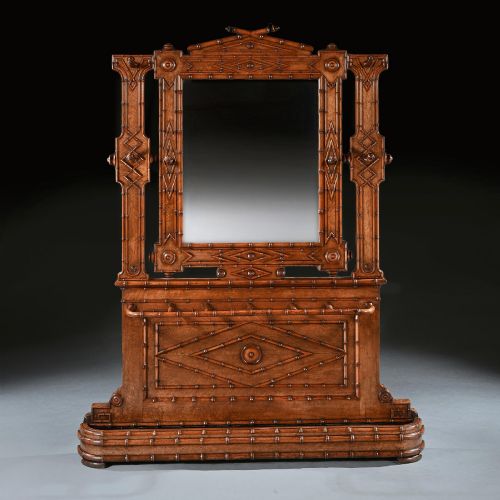
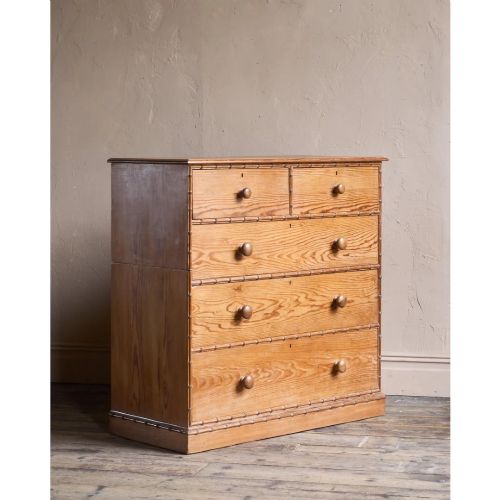
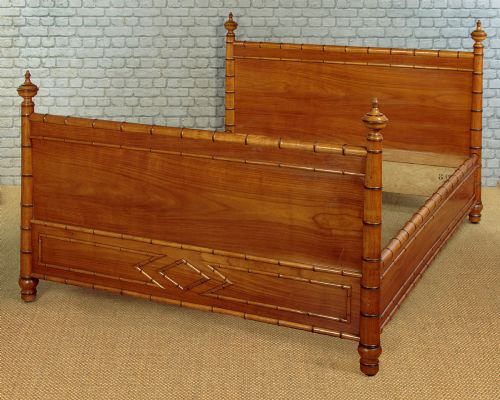
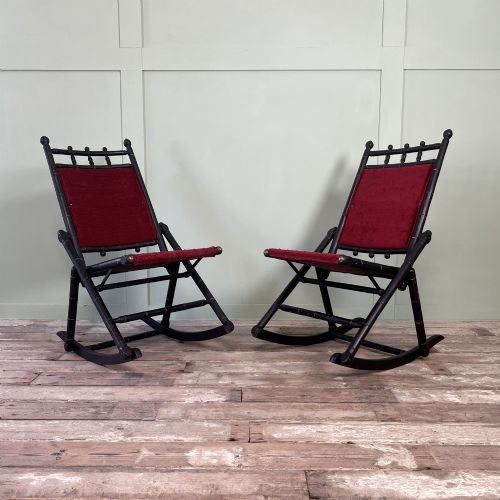
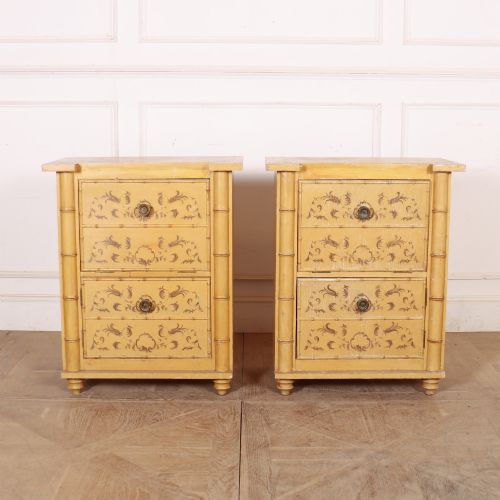
Victorian faux bamboo furniture encompasses an imaginative range of domestic household items produced during the nineteenth century, drawing heavily on Aesthetic Movement and Chinoiserie tastes. You will frequently encounter bedroom and hallway furnishings, such as washstands, chests of drawers, and hall stands, alongside occasional pieces like rocking chairs and side tables.
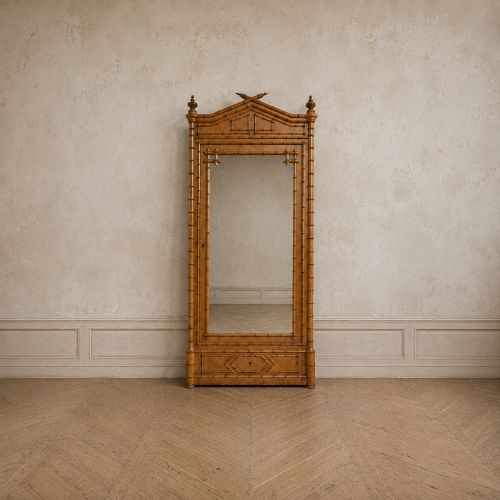
The selection here spans significant production eras, including Victorian, Edwardian, and Regency periods, featuring Continental French influences as well as British workshop designs. These pieces range from substantial wardrobes and mirrored armoires down to smaller bedside cabinets and children's furniture, reflecting the diverse domestic utility of the era.
Materials and Construction Methods
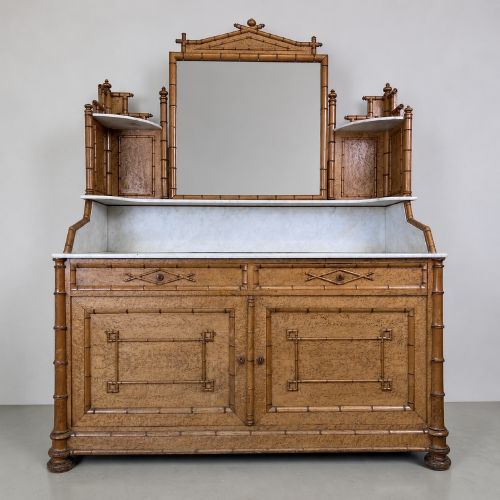
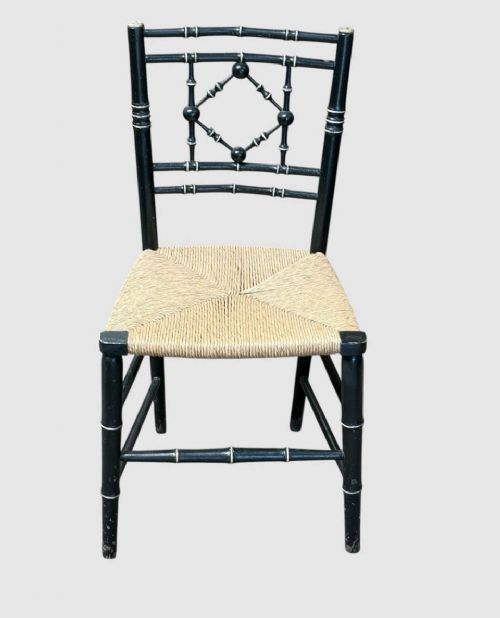
Makers utilised resilient timbers such as pine, cherry wood, and birch, often pairing painted wood with bird's-eye maple veneers to create contrasting surfaces and decorative depth. The characteristic nodes and rings of bamboo were meticulously turned on a lathe or carved by hand to replicate natural cane.
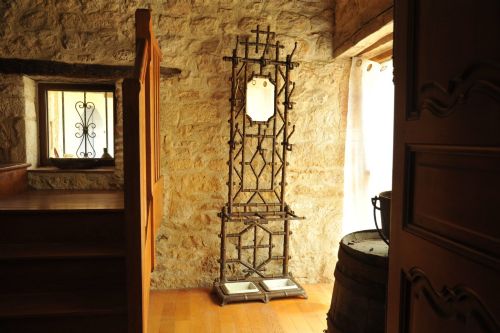
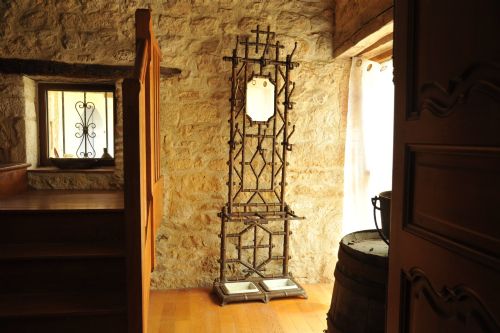
Metal items also feature within this tradition, utilising cast iron to mould robust hall stands, hat racks, and umbrella holders that imitate the lighter Oriental plant forms. Additional elements incorporate brass hardware, inset marble tops for washstands, and glass mirrors within dressing cabinets.
Even fishing rod rests received the exotic treatment, proving that Victorian anglers insisted on cane-style decoration even while angling with wood.
Assessing Craftsmanship and Detail
The distinction between standard utility items and finer examples rests largely in the precision of the turning and the selection of secondary timbers. Superior pieces display crisp, sharply defined nodes along the faux bamboo mouldings and incorporate desirable secondary materials like bird's-eye maple panels rather than plain painted pine.
Structural complexity and maker attribution further separate the grades of these furnishings, with multi-tiered hall stands, folding mechanisms, and documented workshop origins commanding greater appreciation. Surface preservation, particularly the integrity of hand-painted finishes and original lacquering, dictates the enduring visual presence of each piece.
Howard and Sons·John Taylor Edinburgh
The Victorian Faux Bamboo Furniture Glossary
- Aesthetic Movement
- A late 19th-century design philosophy that prioritised visual beauty and artistic expression over moral or narrative purpose in household objects.
- Bird's-eye maple
- A decorative wood veneer characterised by tiny circular swirls in the grain pattern, frequently used on the cabinet fronts of finer Victorian pieces.
- Chinoiserie
- European artistic interpretations of Chinese and East Asian decorative styles, commonly applied to lacquerwork and painted furniture surfaces.
- Japonisme
- The influence of Japanese art and design on Western decorative arts during the second half of the nineteenth century.
- Washstand
- A dedicated wooden cabinet or table designed to hold a basin and jug for morning ablutions, often featuring a marble top and splashback.
Victorian Faux Bamboo Furniture: Frequently Asked Questions
What is faux bamboo furniture?
Faux bamboo furniture consists of wooden or cast iron pieces where the frames are painstakingly carved or turned to resemble natural bamboo canes. This style gained immense popularity during the Victorian era due to a widespread fascination with exotic travel and Eastern design motifs.
Craftsmen applied this decorative treatment to a broad spectrum of household goods, ranging from bedroom suites to hallway umbrella stands. The result is a durable piece of functional furniture that introduces a light, whimsical aesthetic to an interior space.
How do I clean faux bamboo?
Maintaining these pieces requires gentle care to protect the hand-painted surfaces and delicate turned details from moisture damage. Use a soft, dry cloth to remove dust regularly, avoiding modern chemical polishes that might degrade the historic finish.
If the piece incorporates a marble top, such as a washstand, wipe it down carefully with a damp cloth and dry immediately. Keeping the wood away from direct sunlight and extreme humidity preserves the painted details and prevents the timber from warping.
Where were these pieces used?
Victorian households integrated these items across various domestic spaces, from formal reception areas to private bedrooms and nurseries. Hall stands and umbrella holders welcomed visitors in entranceways, while washstands and armoires furnished sleeping quarters.
Smaller items like tray tables and rocking chairs offered versatile seating and serving options that could easily move around the home. Their playful appearance made them particularly popular for garden rooms, dressing rooms, and children's spaces.
How can I date faux bamboo furniture?
Dating these items involves examining the underlying construction techniques, secondary timbers, and stylistic influences present in the design. Pieces marked by Aesthetic Movement or Japonisme characteristics typically point towards the later decades of the nineteenth century.
Hardware fixtures, such as brass pulls, dovetail joints on drawers, and the presence of cast iron elements, also provide clear indicators of period manufacture. Comparing the specific form against documented nineteenth-century cabinetmaker outputs helps narrow down the production window.