


Honey Wood Armoire
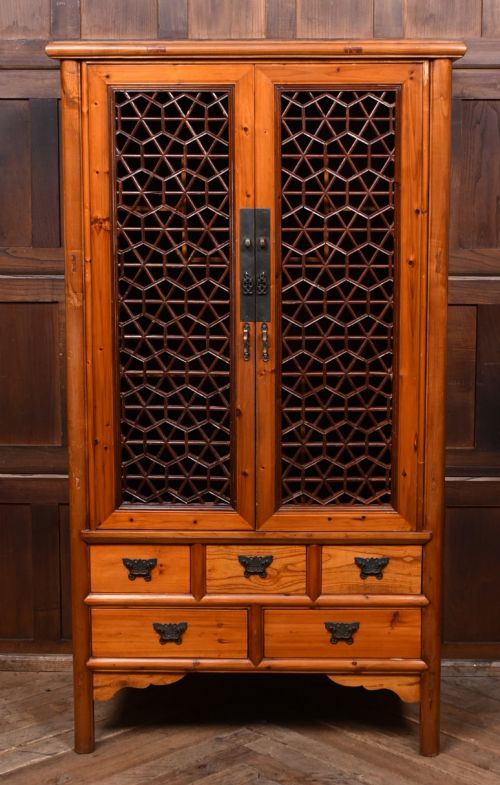
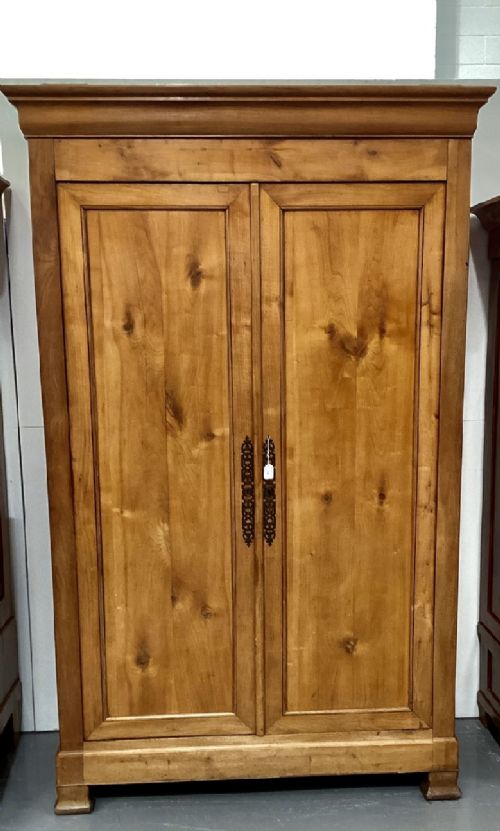
A honey wood armoire brings warmth and generous storage to a room through lighter timber tones like birch, maple, and pine.
Honey Wood Armoire
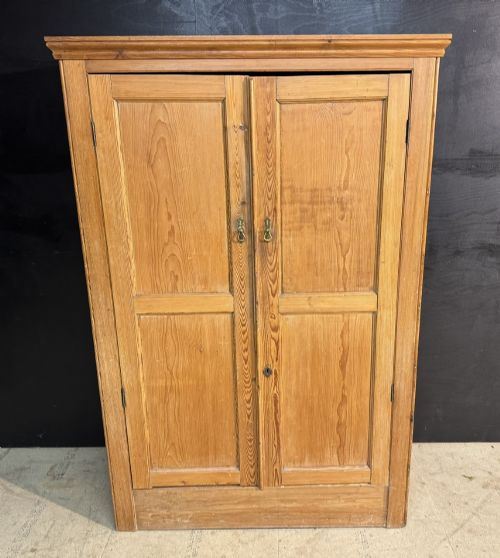
A honey wood armoire encompasses large wardrobes, compactum cabinets, and larder cupboards constructed from pale or golden timbers. These pieces offer substantial hanging and shelving space while maintaining a visually light presence in domestic spaces.
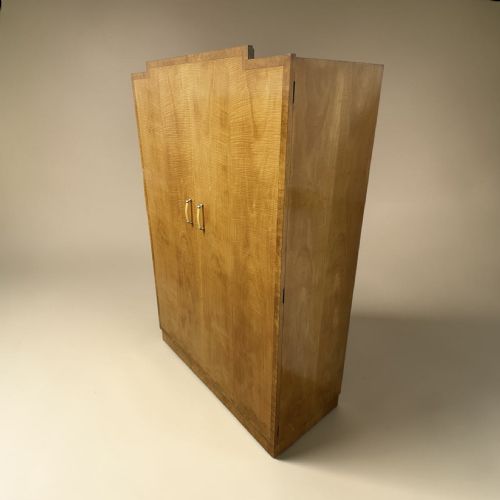
The honey wood armoire selection on this page draws from several distinct eras, including Georgian, Victorian, Edwardian, and Art Deco periods. Makers utilised native and exotic light woods, resulting in surfaces that glow with natural warmth rather than dark heavy polish.
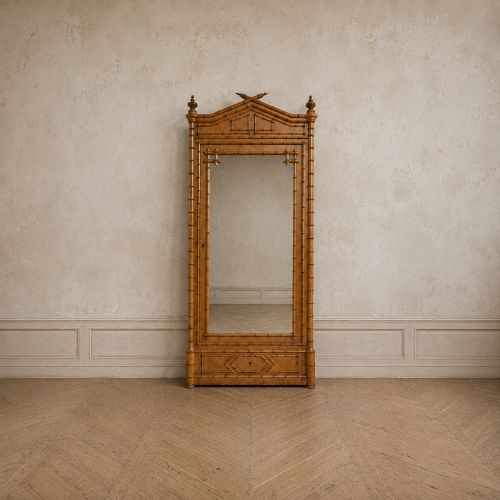
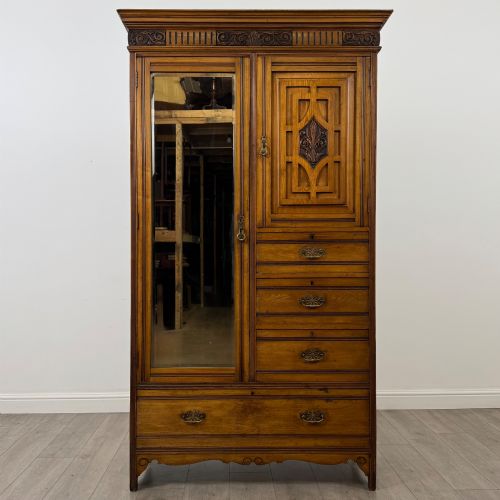
Forms range from simple pine country cupboards to sophisticated French mirrored armoires in bird's-eye maple and grand birch cabinets by known designers. Buyers frequently encounter wardrobes featuring mirrored doors, panelled fronts, and fitted internal drawers.
Materials and construction methods
Carpenters constructed these wardrobes using solid pine, ash, birch, and maple, often applying decorative veneers like bird's-eye maple over secondary woods. Iron and brass hardware, including handles, hinges, and locking mechanisms, secured the heavy doors and internal compartments.
Designers utilised glass for mirrored door panels and incorporated knockdown construction techniques to allow large furniture pieces to be dismantled for transport. Surface finishes relied on traditional wax or polish to highlight the natural grain patterns of the pale timber.
Several wardrobes feature clever knockdown engineering, proving that flat-pack furniture troubled Victorian house movers just as much as it troubles us today.
Distinguishing quality in honey wood furniture
Superior examples demonstrate careful timber selection, where highly figured veneers like bird's-eye maple or figured birch match symmetrically across the door panels. Simpler pine pieces rely instead on robust joinery and proportions that balance utility with clean lines.
The sophistication of the internal configuration separates standard storage cupboards from fine bedroom suites and combination wardrobes. Original brass and iron fittings, intact mirrored glass, and smooth mechanical operation indicate higher standards of original manufacture.
Otto Schulz for Boet
The Honey Wood Armoire Glossary
- Compactum
- A multi-functional wardrobe featuring a combination of hanging space, shelves, and internal drawers. This design maximises storage capacity within a single footprint.
- Bird's-eye maple
- A figure in maple wood that resembles tiny swirling eyes interrupting the grain. Furniture makers prized this decorative veneer for high-status cabinet work.
- Knockdown wardrobe
- A large piece of furniture engineered with pegged joints or bolts so it can be taken apart into manageable sections. This technique facilitated transport in period homes.
- Larder cupboard
- A tall cabinet originally designed for food storage with interior shelving and ventilation panels. These versatile pieces now function as general living space storage.
Honey Wood Armoire: Frequently Asked Questions
What is a honey wood armoire?
A honey wood armoire is a large wardrobe or cupboard made from pale or golden timbers such as pine, maple, birch, and ash. These pieces provide enclosed hanging and shelving storage while introducing warm, light tones to a bedroom or living area.
Designs vary from utilitarian country pine cupboards to decorative French and Art Deco cabinets featuring mirrored doors and figured veneer surfaces.
How do I date an antique wardrobe?
Dating relies on examining the construction methods, timber choices, hardware, and stylistic details present in the piece. Georgian and Victorian examples often feature hand-cut joints and solid timber construction, whereas Edwardian and Art Deco pieces introduce different veneer patterns and hardware styles.
Makers' marks, panel construction, and the presence of original glass or brass fittings also help place the furniture within a specific period.
Can these wardrobes be taken apart?
Certain period wardrobes utilise knockdown construction designed specifically to be dismantled for moving between rooms or properties. These pieces use internal bolts, wedges, or pegged joints rather than fixed glue.
Buyers should inspect the interior framework to determine whether a particular wardrobe separates into smaller sections for transport.
How do I care for pale timber furniture?
Maintaining light wood surfaces involves regular dusting with a soft, dry cloth and avoiding placement in direct sunlight to prevent uneven fading. Periodic application of natural beeswax nourishes the grain and protects the finish without darkening the timber.
Avoiding excessive moisture and extreme temperature fluctuations preserves the stability of both solid woods and decorative veneers.