
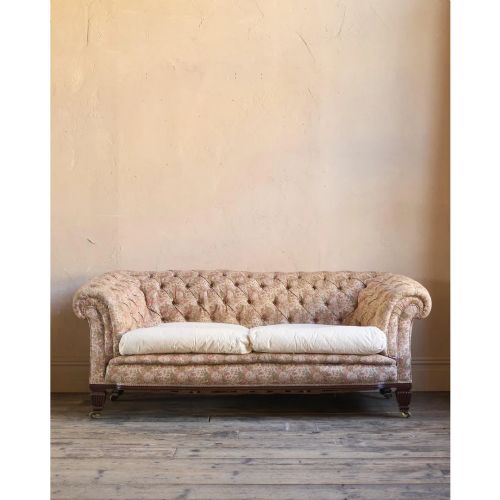
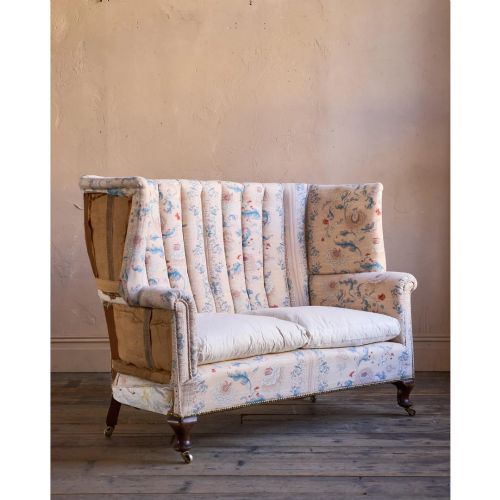
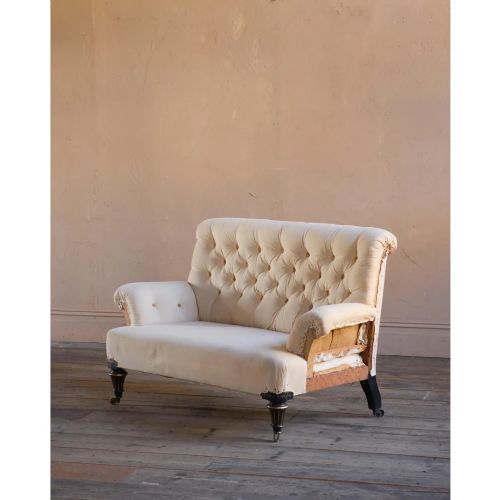
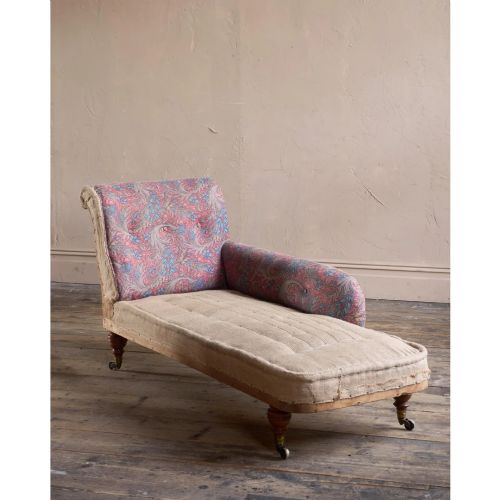
Victorian Fabric Sofa
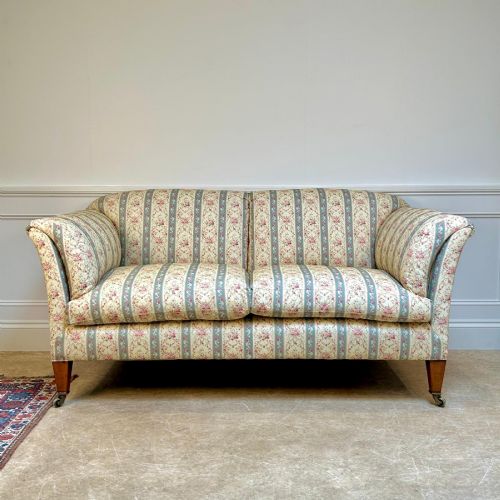
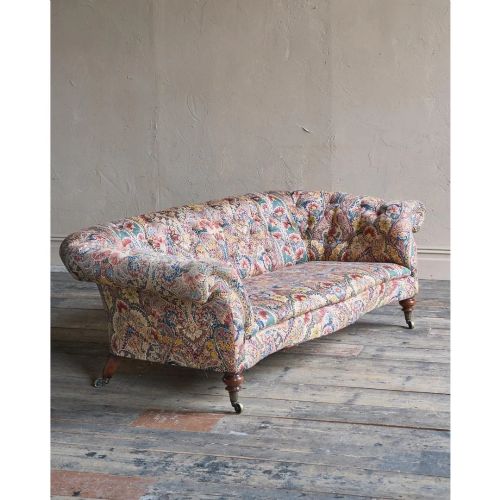
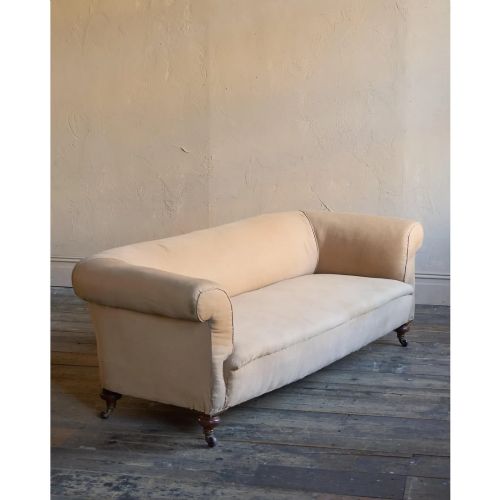
A victorian fabric sofa brings nineteenth-century comfort and substantial presence into a modern interior.
Victorian Fabric Sofa
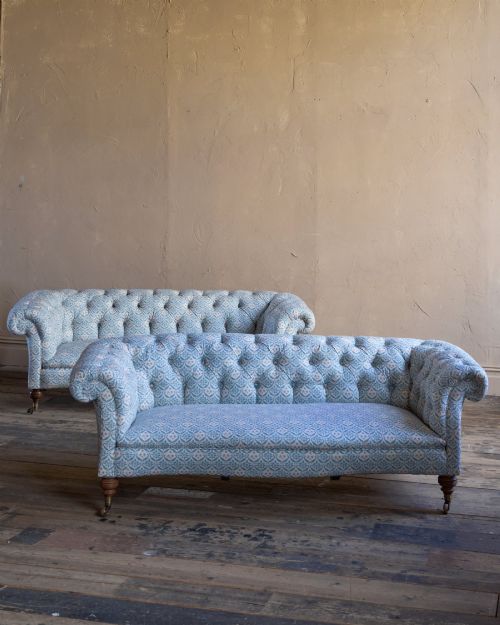
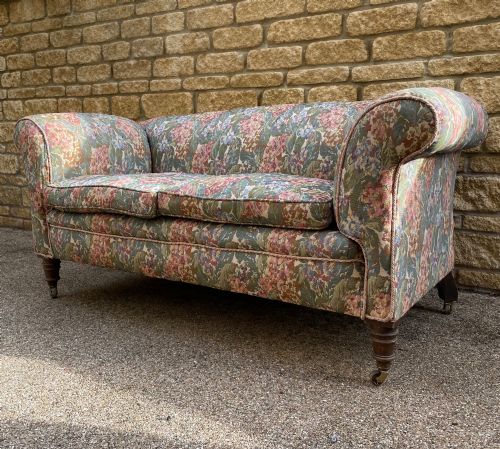
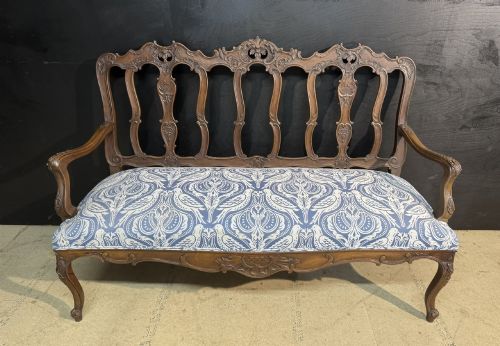
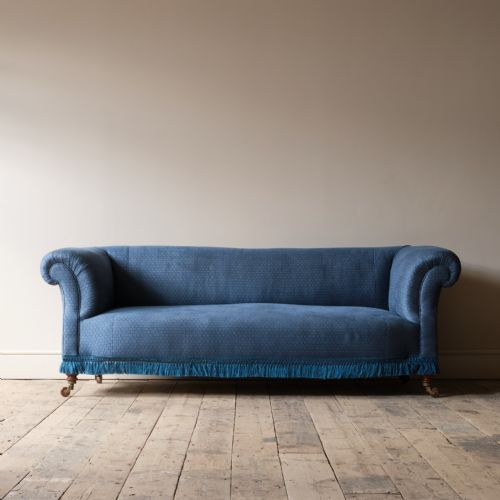
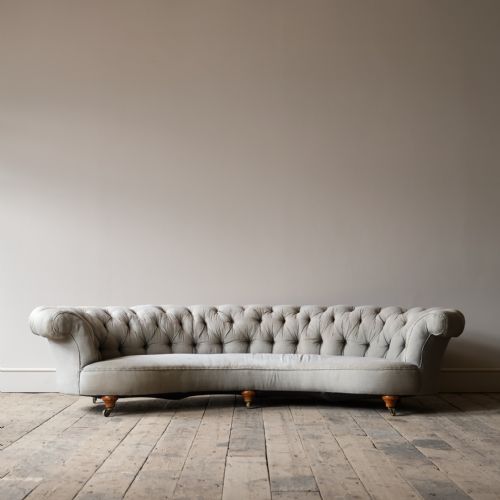
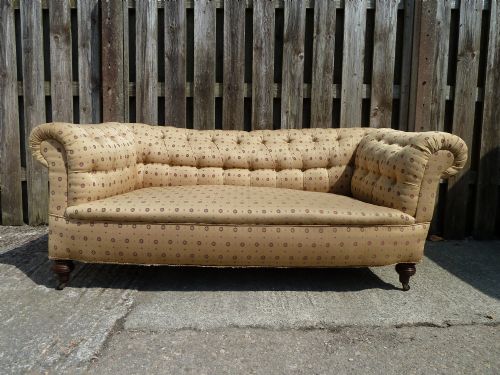
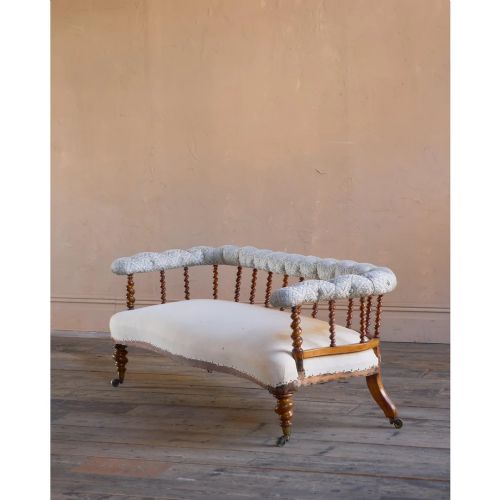
A victorian fabric sofa encompasses nineteenth-century seating forms including deep chesterfields, drop-arm settees, and chaise longues. These pieces emerge primarily from the Victorian era and the broader nineteenth century, reflecting periods such as 1850, 1870, 1880, 1890, and 1900.
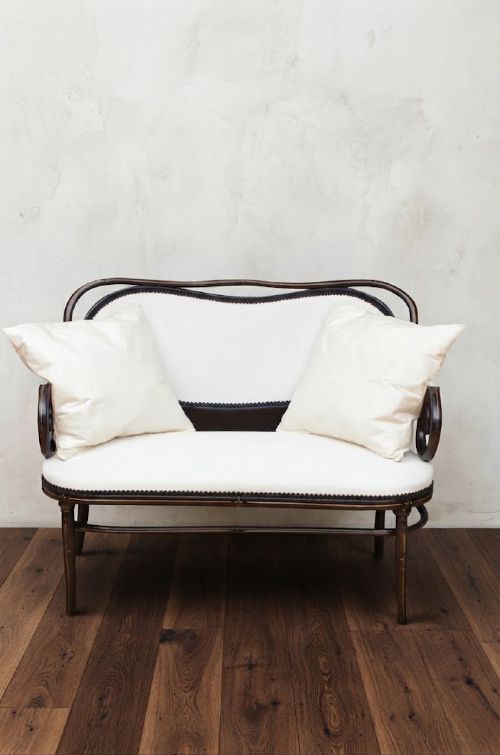
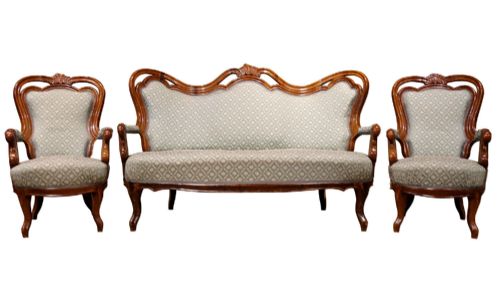
The most common form on this page is the upholstered chesterfield or salon sofa, often paired with related seating such as day beds, benches, and settees. Styles range from traditional English and English country to rococo revival, aesthetic movement, grand regency, and william iv influences.
Makers and retailers like Howard & Sons, C. Hindley & Sons, Jackson and Graham, and Hampton & Sons frequently shape the selection. Pieces appear covered in materials spanning calico linen, cotton, upholstery fabric, wool, damask, and designer textiles.
Materials and Construction
The underlying frames utilise robust hardwoods such as mahogany and walnut, providing a stable skeleton for heavy upholstery. Visible woodwork on legs and arms is often turned, fluted, or carved.
Support systems integrate brass castors and internal webbing to sustain deep padding. Upholstery fabrics range from historical cotton and linen calico to patterned wool and damask.
Listings feature nineteenth-century seating across the Victorian, Edwardian, and William IV eras, constructed from mahogany, walnut, and brass.
Assessing Quality and Build
Quality rests in the integrity of the hardwood frame and the tautness of the internal springing. Superior pieces maintain rigid joinery in the mahogany or walnut structure without excessive movement in the arms or back.
The refinement of the turning on legs and the retention of original brass castors distinguish finer examples. Furthermore, the precision of the upholstery work, whether in traditional horsehair stuffing or replacement designer fabric, marks the tier of the piece.
Howard & Sons·C. Hindley & Sons·Jackson and Graham·Hampton & Sons·Thonet
The Victorian Fabric Sofa Glossary
- Chesterfield
- A deep-buttoned upholstered sofa with arms and back of the same height. This form provides a formal yet deeply comfortable seat.
- Chaise Longue
- An upholstered sofa in the form of a chair with a long seat for reclining. Originating in French fashion, it became a staple of nineteenth-century drawing rooms.
- Drop-arm
- A sofa mechanism allowing one arm to fold downward. This adjustment alters the piece from a seated sofa into a daybed.
- Castor
- A small wheel fitted to the base of furniture legs for ease of movement. Nineteenth-century examples are frequently cast in brass.
- Brocade
- A rich decorative fabric woven with raised patterns. It often appears on pieces reflecting Arts and Crafts or aesthetic movement sensibilities.
Victorian Fabric Sofa: Frequently Asked Questions
How do I choose between a chesterfield and a chaise longue?
A chesterfield offers upright seating with enclosed arms suited for conversation and formal rooms. A chaise longue provides an extended seat designed primarily for reclining.
Consider the floor space and room function when selecting a shape. Both forms utilise nineteenth-century wooden frames and upholstered finishes.
What woods were used for the frames?
Frameworks rely on dense hardwoods such as mahogany and walnut. These timbers provide the structural load-bearing strength required for heavy spring-loaded upholstery.
Visible woodwork on legs and scroll arms typically showcases the natural grain of the walnut or mahogany. Turned elements often feature secondary hardwood supports beneath the padding.
Are these sofas suitable for daily sitting?
Nineteenth-century seating is engineered for robust domestic use with dense internal construction. Many pieces survive because their hardwood frames and heavy fabric withstand continuous occupancy.
Care should be taken with older spring systems and delicate historic textiles. Professional inspection of internal webbing ensures long-term seating stability.
How do I identify the period of a fabric sofa?
Dating relies on stylistic clues, turning details on the walnut or mahogany legs, and structural proportions. Pieces associated with specific decades often display characteristics of the aesthetic movement, rococo revival, or william iv periods.
Makers' stamps on brass castors or wooden frames also provide definitive origin dates. Upholstery fabrics frequently indicate subsequent reupholstering rather than original manufacturing dates.