


Victorian Entryway Hall Mirror
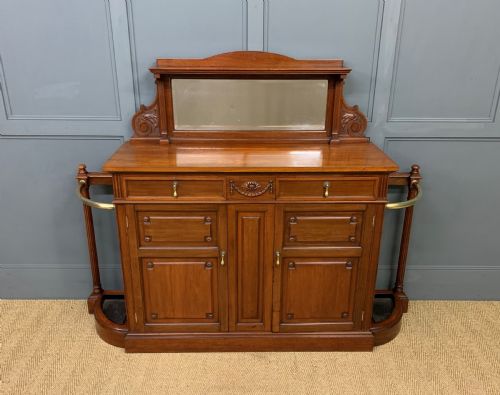
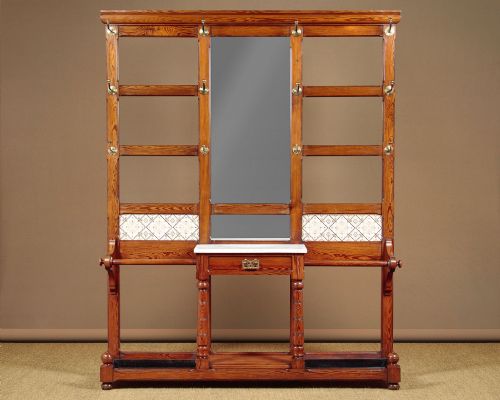
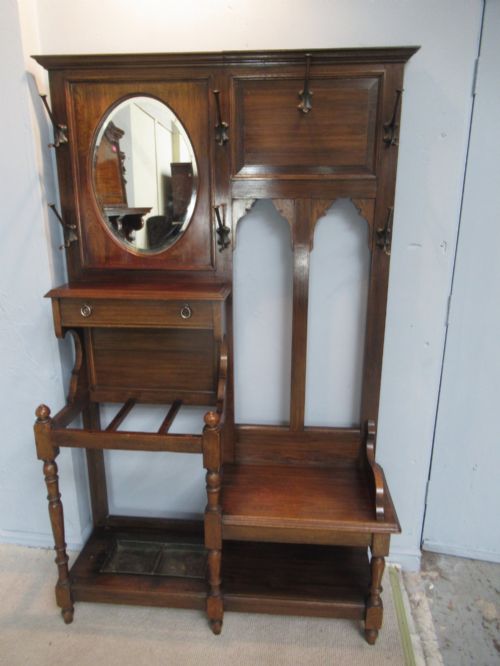
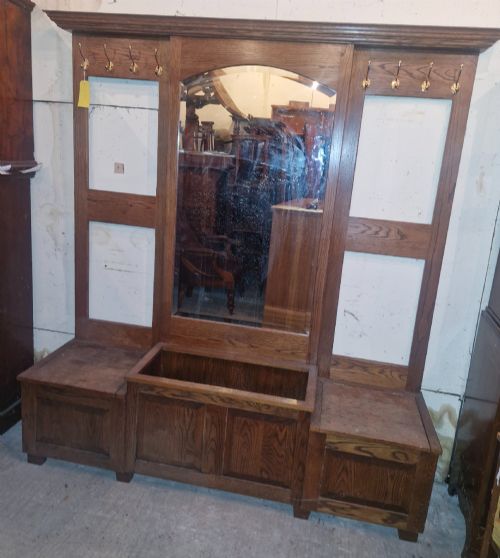
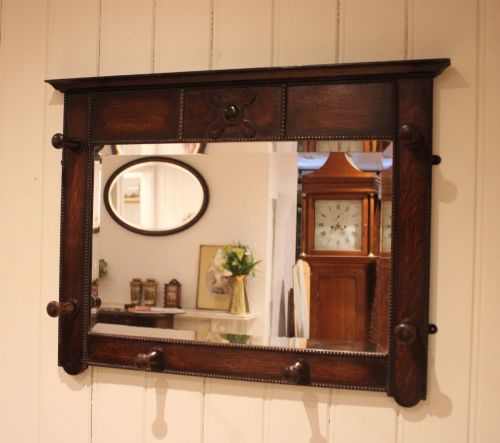
A victorian entryway hall mirror meets guests with practical utility and carved timber presence, combining a glass plate with coat hooks and umbrella wells.
Victorian Entryway Hall Mirror
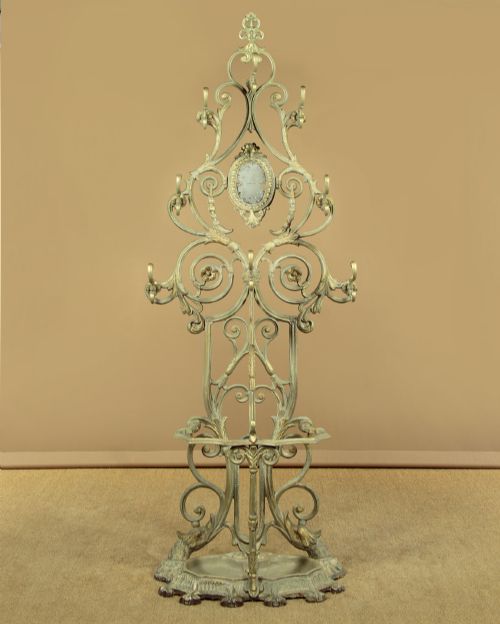
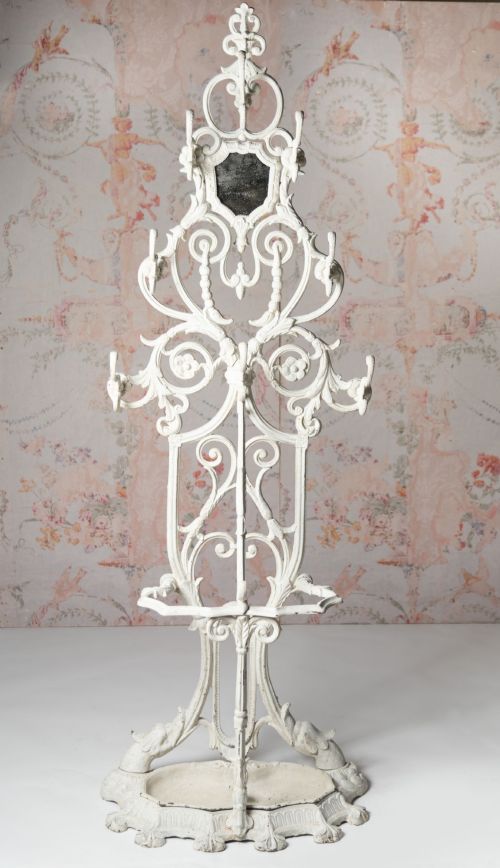
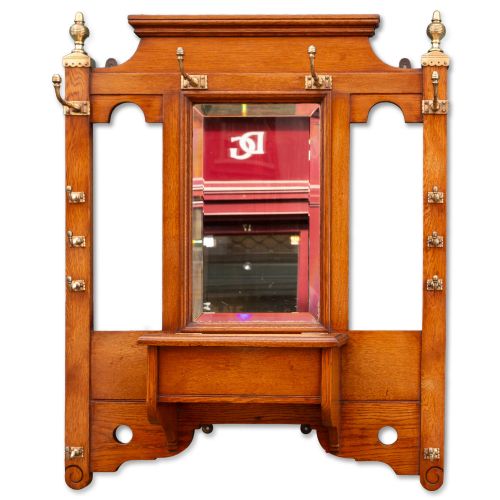
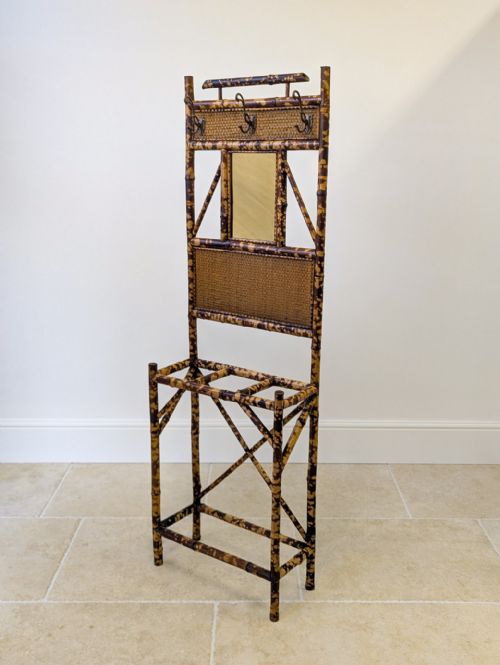
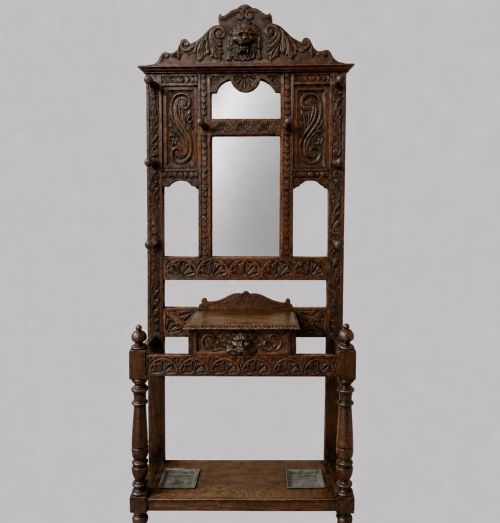
A victorian entryway hall mirror appears primarily as part of a larger hall stand, combined with hat hooks, umbrella trays, and sometimes console tables or glove drawers. These pieces served the nineteenth-century hallway as a central point for receiving visitors and storing outdoor garments.
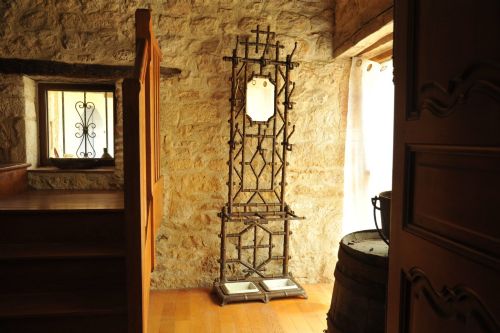
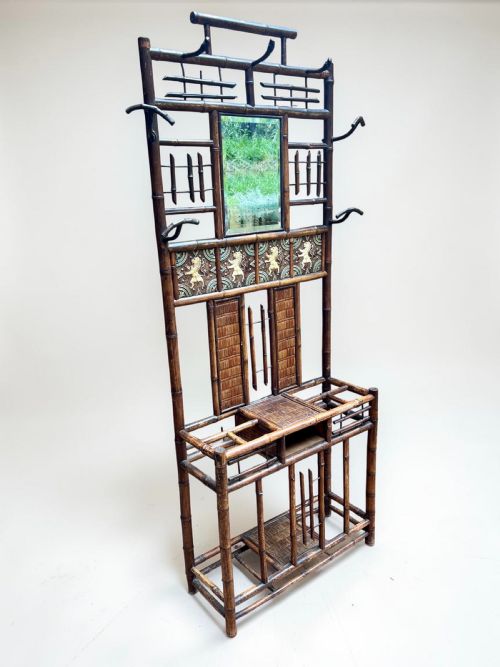
The materials span oak, walnut, and mahogany timbers, frequently fitted with bevelled glass and brass or cast iron hooks. Regional and country house examples demonstrate substantial proportions, whilst lighter bamboo and faux bamboo variations reflect Aesthetic Movement tastes.
Most entries belong to the Victorian and Edwardian periods, though related designs stretch from mid-nineteenth-century Rococo Revival gilt mirrors to later Arts and Crafts oak furniture. The primary form remains the wall-mounted or freestanding hallstand integrating a mirror plate.
How they were made
Cabinetmakers utilised dense hardwoods such as oak, walnut, and mahogany, constructing the main frames with mortise and tenon joints to bear the weight of heavy timber panels and mounted iron or brass hooks. Carved ornamentation, including Green Man motifs or floral flourishes, was executed by hand directly into the solid wood or applied in moulded gesso.
Glass plates were silvered and bevelled by hand, secured into rebated frames often backed with tongue-and-groove boarding. Metal elements combined cast iron for umbrella wells and heavy drip trays with polished brass or cast bronze for coat hooks and umbrella rings.
Many hall stands feature hidden compartments designed to store calling cards away from prying eyes.
What varies in quality
The distinction between standard utility hall furniture and top-tier pieces rests on timber selection and workshop execution. Premium examples utilise figured flame mahogany, quarter-sawn golden oak, or richly grained walnut, paired with deeply undercut hand-carving rather than mass-produced press-moulded decoration.
Structural complexity and maker attribution elevate certain works above domestic items. Pieces originating from documented cabinetmakers integrate functional multiplicity - such as rotating coat arms, concealed glove boxes, and integrated marble console surfaces - with refined proportions and original mercury-silvered or heavy bevelled mirror plates.
Shoolbred & Co.·Gillows
The Victorian Entryway Hall Mirror Glossary
- Hallstand
- A multi-functional hallway furniture piece incorporating coat hooks, hat pegs, an umbrella stand with drip tray, and a central mirror. These items anchored the entrance hall of period homes.
- Aesthetic Movement
- A late nineteenth-century design style emphasising visual beauty over narrative content, frequently seen in bamboo and faux bamboo hall furniture. It drew inspiration from Japanese art and simplified forms.
- Console Table
- A table fixed against a wall, often supported by ornate brackets or legs, frequently paired with a matching wall mirror in Victorian entranceways. They provided a surface for calling cards and correspondence.
- Faux Bamboo
- Turned and painted wood simulating natural bamboo stems, popular in late Victorian and Edwardian halls. Cabinetmakers used birch or beech to replicate the segmented joints of oriental cane.
Victorian Entryway Hall Mirror: Frequently Asked Questions
Where did these go in the house?
These pieces stood immediately inside the front door in the entrance hall or vestibule. This placement allowed household members and visitors to shed wet coats, hats, and umbrellas upon entry.
The surface provided a final check of appearance before greeting guests or stepping out into the street. Glove boxes and small drawers kept visiting cards close to hand.
How do I secure a tall hall stand?
Tall hall stands require fixing to the wall through factory-provided brackets or hidden screw points in the upper frame. This prevents the tall timber and heavy cast iron umbrella components from tipping forward.
Most freestanding nineteenth-century examples were designed with this wall attachment in mind to ensure stability during daily use.
Are the mirror plates original?
Original mirror plates frequently exhibit minor foxing, fine dark speckling, and slight distortions in the glass surface resulting from nineteenth-century manufacturing methods. These signs confirm age and distinguish period glass from modern replacements.
Clearer, unblemished reflections often indicate a later replacement plate fitted during routine maintenance or restoration.
How do I clean the brass hooks?
Brass coat hooks benefit from gentle dusting with a dry cloth to preserve their aged patina rather than aggressive polishing to a bright shine. Excessive cleaning removes the historical oxidation valued by collectors.
Applying a microcrystalline wax protects the metal surface from future moisture damage originating from damp coats and umbrellas.