

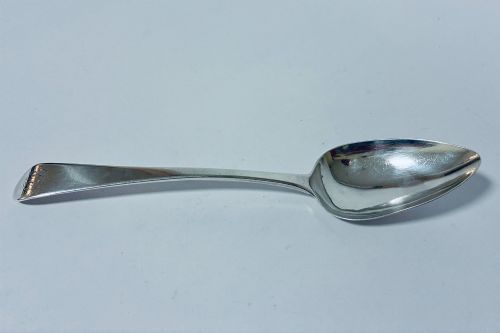
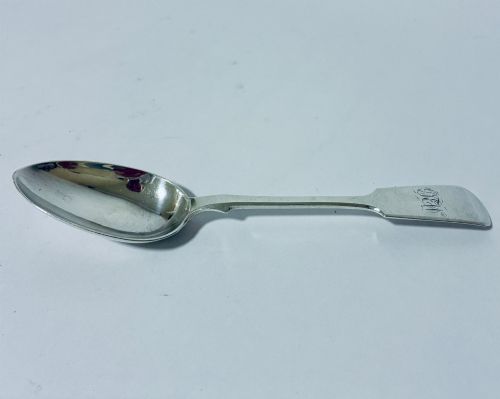
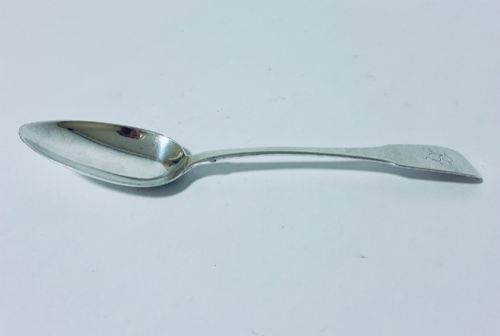
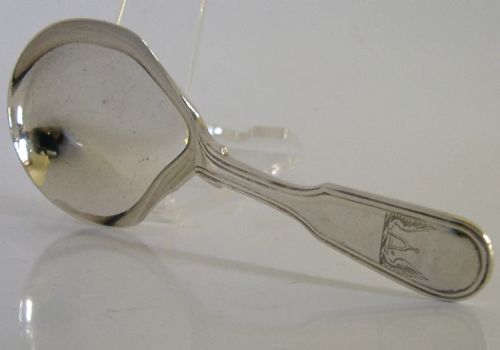
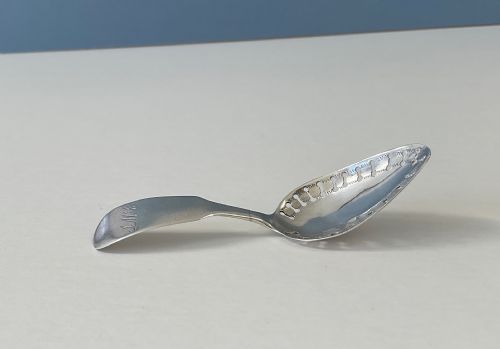


Victorian Engraved Silver Spoons
Victorian engraved silver spoons bring intricate nineteenth-century craftsmanship to the table, offering both decorative charm and tactile utility for daily service.
Victorian Engraved Silver Spoons
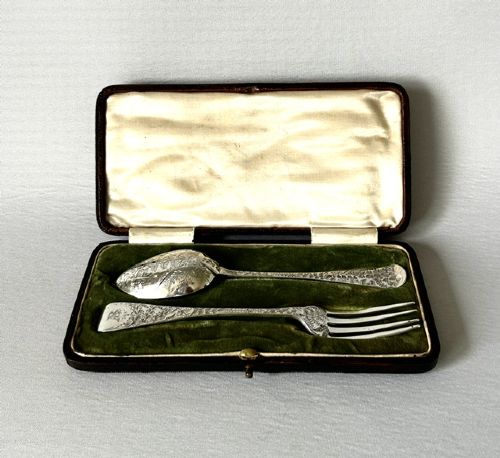
Victorian engraved silver spoons encompass a broad range of flatware designed for functional dining, tea service, and ceremonial uses. When searching for victorian engraved silver spoons, buyers encounter individual pieces alongside matched sets housed in fitted presentation boxes.
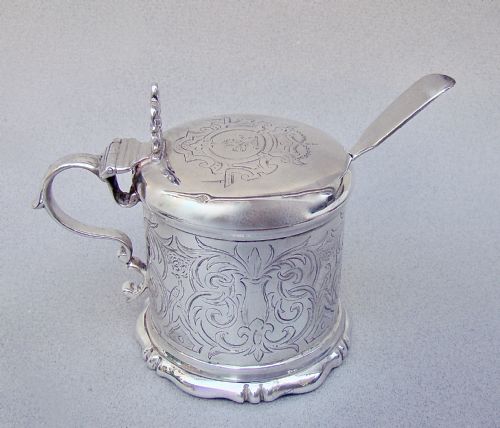
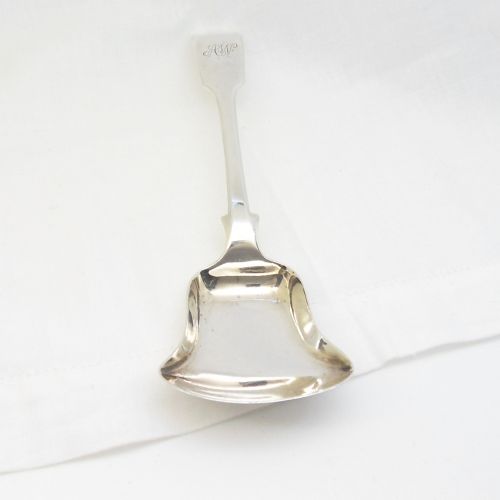
The assortment includes specialised forms such as caddy spoons, teaspoons, tablespoons, fruit sets, and mustard pots. Regional provincial towns like Exeter, Newcastle, and Glasgow sit alongside major assay offices like London and Chester.
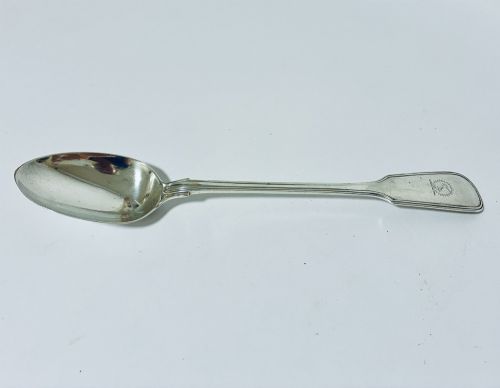
Most examples date firmly within the nineteenth century, utilising solid sterling silver or silver gilt. Decorative motifs range from geometric family crests to naturalistic leaf patterns and detailed bird designs.
Materials and Techniques
Makers shaped these pieces primarily from sterling silver or silver gilt, employing traditional forging and casting methods before applying surface ornamentation. Silversmiths utilised hand-engraving techniques to incise floral scrolls, crests, and foliate details directly into the metal bowls and handles.
Cased sets frequently incorporate supplementary materials such as velvet, silk, leather, and leatherette to line fitted presentation boxes. Many items bear official hallmarks stamped into the silver, recording the assay office, date letter, and maker's mark.
Victorian Engraved Silver Spoons Retail Price Guide 2026
Typical asking prices for victorian engraved silver spoons among the pieces listed under this phrase on Sellingantiques today, from the lower quarter to the upper quarter. They describe what is for sale here now, not the wider market.
Listings feature sterling silver, silver plate, and silver gilt alongside fitted cases lined in velvet, silk, leather, and leatherette.
Assessing Quality in Silverware
Quality rests in the crispness of the hand-engraving and the structural integrity of the metal. Superior pieces maintain sharp, deep incisions that retain their geometric or naturalistic clarity through decades of use.
The weight of the silver and the balance in the hand distinguish standard production from exceptional work. Maker attribution to notable silversmiths further elevates a piece within the hierarchy of nineteenth-century flatware.
John Walton·George Unite·Charles Stuart Harris·Sebastian Crespell·Robert Stebbings
The Victorian Engraved Silver Spoons Glossary
- Hallmark
- An official stamp applied to silver items indicating purity, the maker, the assay office, and the year of production.
- Silver Gilt
- Sterling silver that has been coated with a thin layer of gold on the surface, producing a rich, warm tone.
- Caddy Spoon
- A short spoon specifically designed for measuring loose tea leaves from a caddy into a pot.
- Berry Spoon
- A large serving spoon, often adapted or engraved later, featuring embossed fruit and elaborate scrollwork.
- Assay Office
- An official organisation charged with testing the purity of precious metal items and stamping them with hallmarks.
Victorian Engraved Silver Spoons: Frequently Asked Questions
How do I clean silver spoons?
Clean silver gently using a specialised microfibre cloth and mild soapy water to remove accumulated tarnish without harming the underlying metal.
Avoid abrasive cleaners or harsh chemical dips that can wear away delicate hand-engraved details and soften crisp hallmarks over time.
Can I use these spoons daily?
Solid sterling silver spoons are robust enough for regular dining use, provided they are washed by hand promptly after meals.
Silver-gilt or cased presentation sets deserve more careful handling to preserve their delicate gold washes and original velvet-lined boxes.
What is a caddy spoon used for?
Caddy spoons were traditionally kept inside tea caddies to measure loose tea leaves accurately into porcelain teapots.
Their short handles and wide bowls made them ideal for reaching into small storage containers.
How do I read silver hallmarks?
Hallmarks consist of a series of tiny stamped symbols indicating the maker, the town of assay, and a specific date letter.
Reference guides match these stamped letters and symbols against historical records to determine the exact year and origin of manufacture.