




Victorian Engraved Bowl
A victorian engraved bowl brings tactile depth to a room through crisp wheel-cutting and chased ornamentation on silver or glass.
Victorian Engraved Bowl
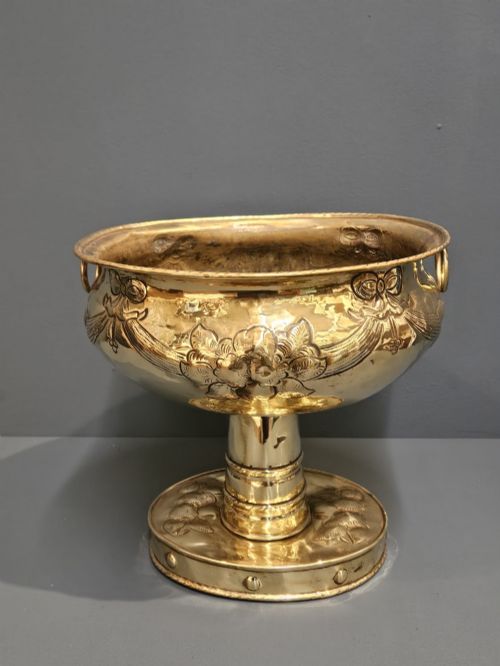
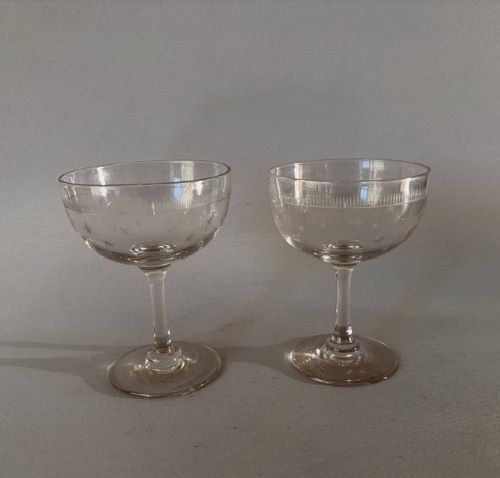
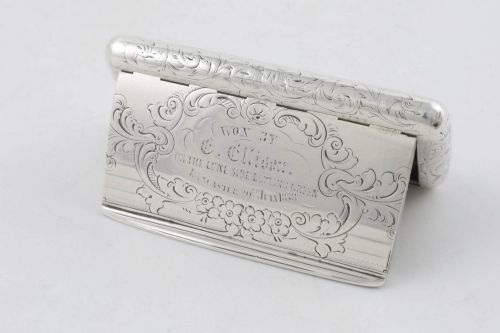
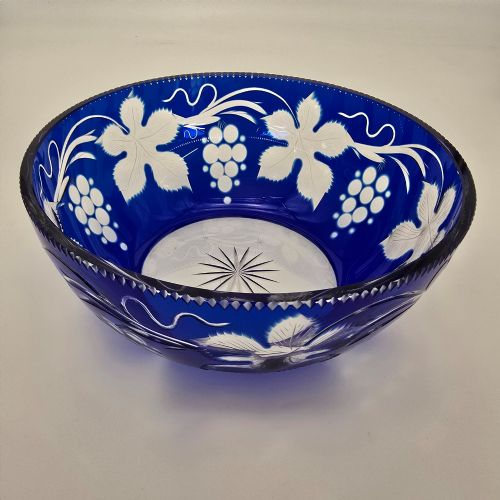
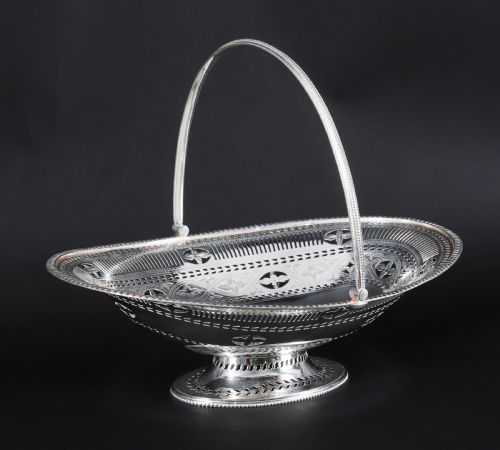
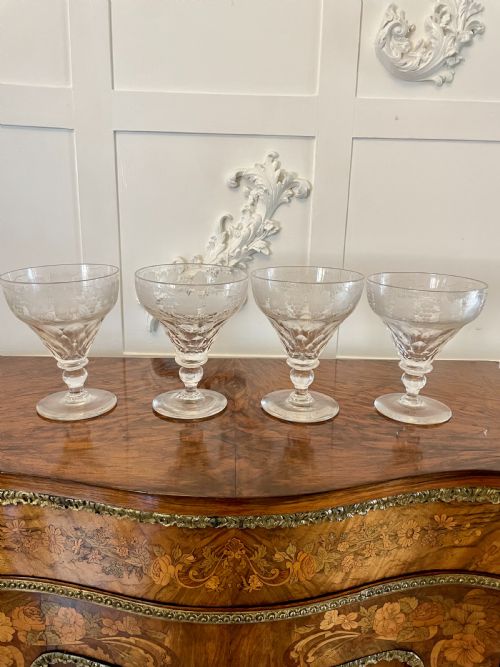
A victorian engraved bowl encompasses a range of domestic forms spanning fruit baskets, sugar basins, dessert dishes and glass vessels created across the nineteenth century. The examples met on this page lean heavily toward sterling silver, silver plate, brass, and clear or coloured glass decorated with surface engraving, floral motifs, and neoclassical or Gothic revival details.
Makers and manufacturers utilised various techniques to decorate these vessels, resulting in items intended for formal dining, side tables, or display cabinets. Alongside standard bowls, the category captures related serving pieces such as cake baskets, jardiniere dishes, and finger bowls bearing period motifs.
How they were made
Metalsmiths shaped sterling silver and silver plate by hand or utilised spinning techniques before applying intricate chased and engraved surface patterns using sharp gravers. Brass and bronze pieces often received hand-worked punching, mixed metal inlay, or applied decorative elements to achieve textured relief.
Glassware was mouth-blown into moulds or free-blown before artisans cut designs into the surface using rotating wheels of varying sizes. Gilding, flashing, and acid etching added further contrast and colour to crystal and glass bodies.
Victorian Engraved Bowl Retail Price Guide 2026
Typical asking prices for victorian engraved bowl among the pieces listed under this phrase on Sellingantiques today, from the lower quarter to the upper quarter. They describe what is for sale here now, not the wider market.
Several bowls double as botanical homes, proving that nineteenth-century ferns deserved vessels just as ornate as the fruit they accompanied.
What varies in quality
The distinction between ordinary and superior pieces rests upon the crispness of the engraving and the weight of the material used in construction. Deep, deliberate wheel-cutting on glass and sharply defined chased work on silver indicate skilled craftsmanship rather than hurried mass production.
Proportion and structural integrity also divide the range, with better items displaying balanced forms, secure mounts, and well-preserved gilding or original surface patination. Maker marks and clear hallmarking add archival authority to metal pieces.
Yapp and Woodward·Walker and Hall·Thomas Smily·James Dixon·Robert Hennell·Garrard London
The Victorian Engraved Bowl Glossary
- Chasing
- A metalworking technique where the artisan pushes metal from the front using hammer and punches to raise a design rather than cutting it away. It frequently accompanies engraving on silver bowls.
- Wheel-cutting
- A glass decoration method where the vessel is held against rotating abrasive wheels of copper or stone to grind deep patterns into the surface. This creates tactile motifs found on nineteenth-century crystal.
- Silver Gilt
- Silver that has been coated with a thin layer of gold on its surface, often referred to as vermeil. It provides a rich internal and external warmth to sugar bowls and salt cellars.
- Jardiniere
- A large ornamental pot or bowl designed to hold plants or flowers. Victorian examples in brass and bronze often feature detailed surface decoration.
- Neo-Classical
- A design style drawing inspiration from classical Greek and Roman art, characterised by symmetry, restrained ornamentation, and geometric borders seen on fruit baskets.
Victorian Engraved Bowl: Frequently Asked Questions
How were these bowls originally used?
Victorian engraved bowls served practical and decorative functions in domestic dining, holding fruit, sugar, sweetmeats, or finger water.
Larger versions stood as centrepieces on dining tables, while smaller glass and silver basins occupied sideboards and tea tables.
Can I use silver bowls for food today?
Sterling silver and silver-plated bowls remain suitable for serving dry foods, confectionery, or fruit, provided they are washed gently by hand.
Avoid leaving acidic foods in silver or plated vessels for extended periods to protect the metal surface.
How do I clean engraved glass safely?
Wash engraved glass in warm water using mild soap and a soft cloth, avoiding abrasive pads that can scratch the polished surface.
Dry the pieces promptly with a lint-free towel to prevent water spots from clouding the detailed wheel-cuts.
How do I identify a Victorian date?
Silver pieces usually bear hallmarks indicating the assay office, date letter, and maker's mark, allowing for precise chronological dating.
Glass and brass items rely on stylistic markers, manufacturing techniques, and comparative design traits typical of the nineteenth century.