


Victorian Enamel Jewelry
Victorian enamel jewellery brings together rich metalwork and colourful vitreous glass, spanning brooches, pendants, lockets, and rings.
Victorian Enamel Jewelry
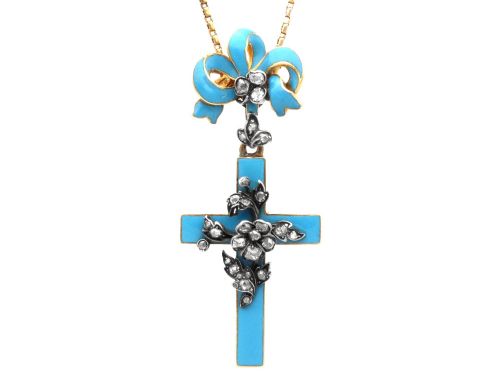
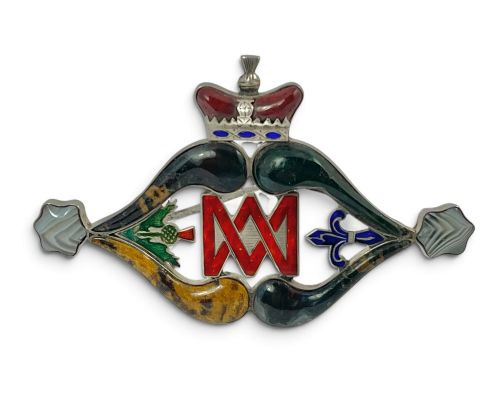
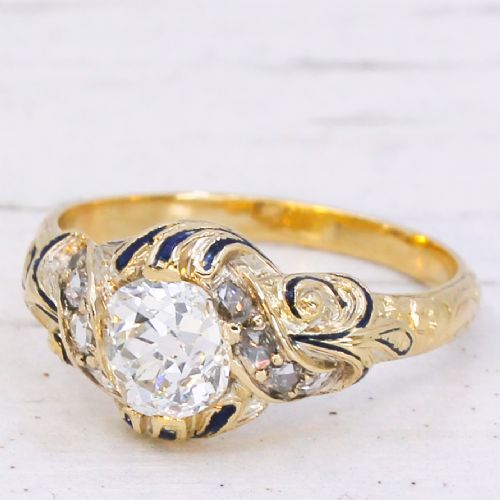
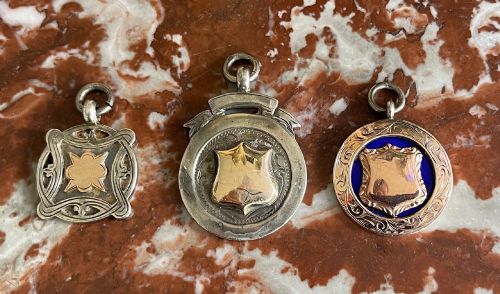
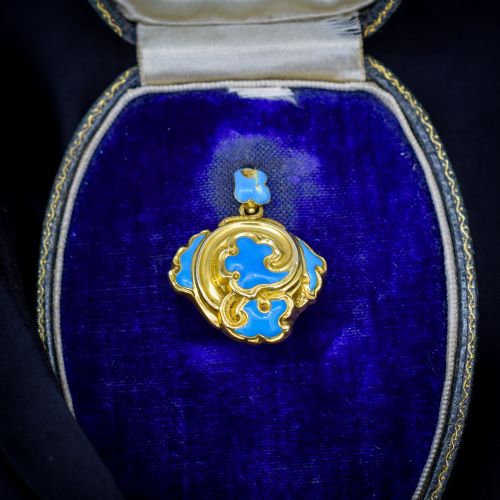
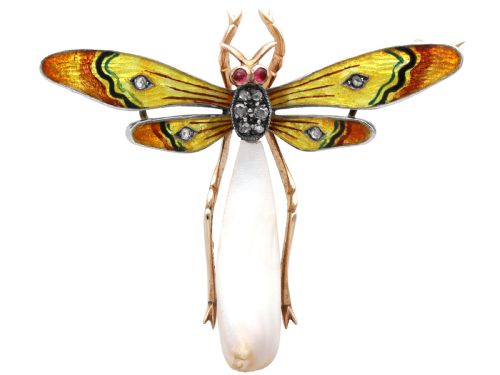
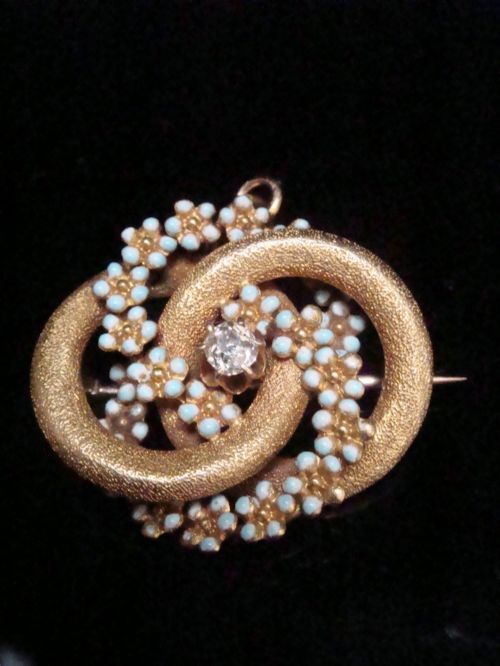
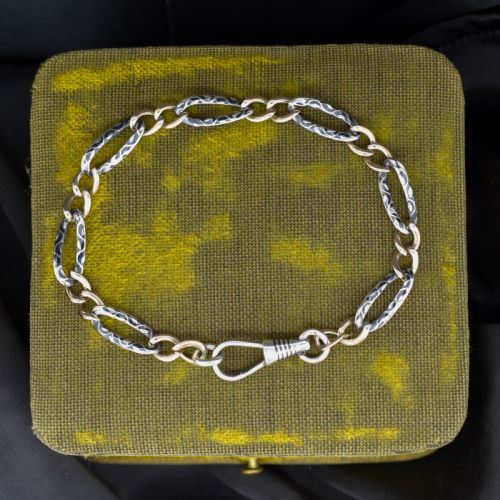
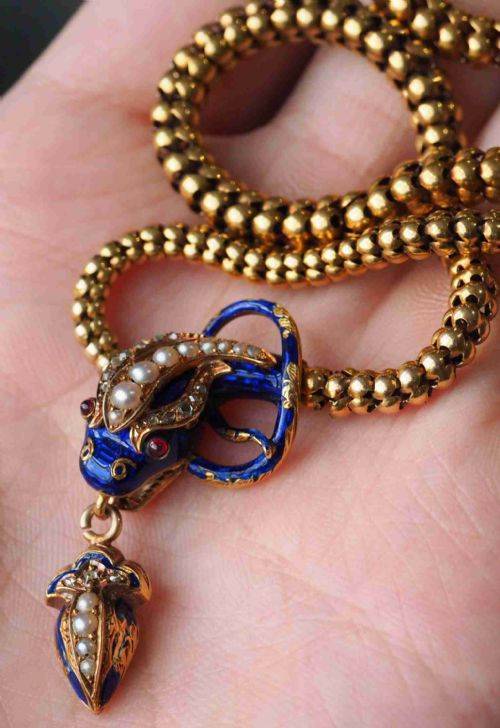
Victorian enamel jewellery encompasses a diverse array of wearable pieces, including brooches, pendants, lockets, rings, and bangles originating primarily from the nineteenth century. These objects frequently incorporate decorative motifs such as snakes, forget-me-nots, and floral patterns executed in coloured glass fused to metal.
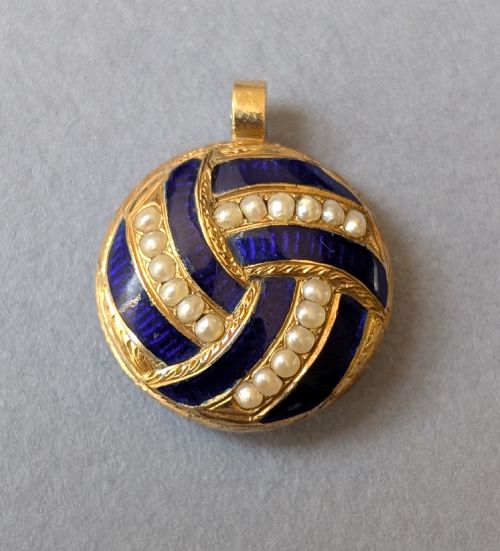
The items found here range from early nineteenth-century mourning pieces set with dark enamel and pearls to later revivalist styles like Renaissance Revival and Egyptian Revival. Buyers will regularly encounter yellow gold and silver mounts combined with diamonds, natural pearls, and garnets alongside the central enamel work.
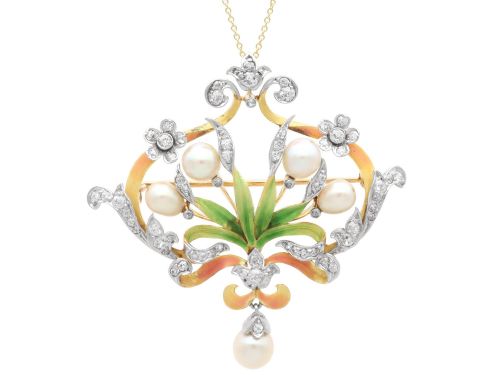
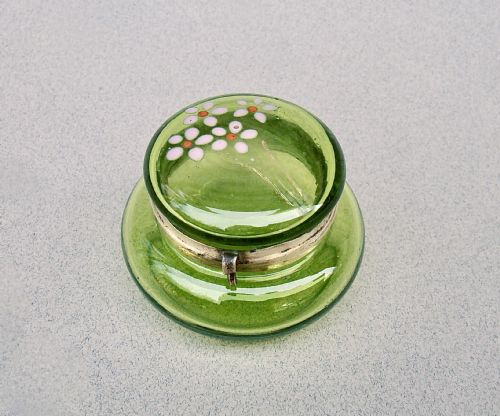
Pendants and lockets dominate the selection, often functioning as multi-purpose pieces that transition between brooches and neck ornaments. Alongside these wearable accessories, the inventory includes occasional decorative items such as glass trinket boxes and small novelty pendants.
Materials and Techniques
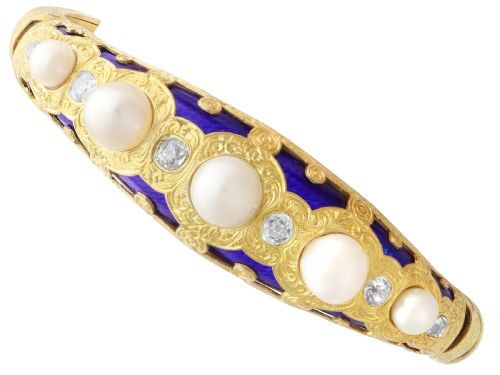
Craftsmen built these pieces using varied carats of yellow gold, sterling silver, and silver gilt as the foundational support for the vitreous glass coatings. Gems such as diamonds, pearls, garnets, turquoise, and coral were then flush-set or claw-set directly into the metal frameworks.
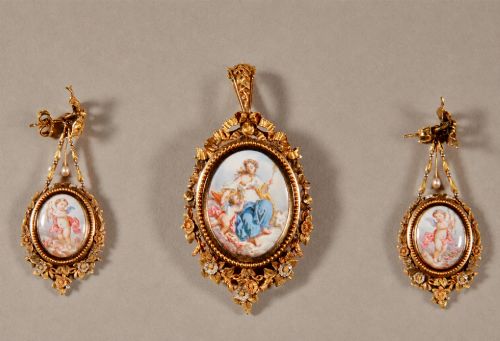
The enamel itself was applied in techniques ranging from opaque black and deep blue field enamelling to translucent guilloche and delicate plique-à-jour. Artisans also utilised hand-painted miniature portraits and detailed multi-layered cartouches to achieve varied surface textures and pictorial depths.
Victorian Enamel Jewelry Retail Price Guide 2026
Typical asking prices for victorian enamel jewelry among the pieces listed under this phrase on Sellingantiques today, from the lower quarter to the upper quarter. They describe what is for sale here now, not the wider market.
Listings feature gold purities ranging from nine to twenty carats alongside sterling silver mounts and glass components.
Factors of Quality
The standard of execution in the glasswork largely distinguishes the finer examples from standard production, particularly in the precision of miniature painting and the absence of firing flaws. The integrity of the surrounding metalwork, including hand-chased foliate details and secure bezel settings for the accompanying diamonds and pearls, further elevates a piece.
Design complexity and historical stylistic ambition also play a role, with intricate revivalist compositions or multi-part articulated constructions demanding higher degrees of goldsmithing skill. Pieces retaining original clasps, integrated safety chains, or documented provenance command stronger attention from collectors.
The Victorian Enamel Jewelry Glossary
- Enamel
- A durable glass substance fused to metal surfaces through high-temperature firing. It provides smooth, permanent colour to jewellery and decorative objects.
- Guilloche
- An ornamental technique where a precise mechanical pattern is engraved into the underlying metal before translucent enamel is applied over the top. This allows light to reflect through the coloured glass in geometric waves.
- Plique-a-jour
- A translucent enamelling method resembling miniature stained glass, executed without a backing metal so that light passes directly through the coloured sections.
- Locket
- A hinged casing designed to hold a miniature portrait, lock of hair, or small memento. In this period, they were frequently decorated with enamel and pearl star motifs.
- Mourning jewellery
- Pieces created to commemorate a deceased person, traditionally featuring black enamel, seed pearls, and hair compartments. They served as tangible reminders of personal grief and remembrance.
Victorian Enamel Jewelry: Frequently Asked Questions
What is Victorian enamel jewelry?
It comprises wearable accessories and personal ornaments created during the nineteenth century featuring fused glass decorations.
These items range from sentimental mourning pieces to bright revivalist designs set in gold and silver.
How were Victorian lockets used?
Lockets functioned as personal keepsakes worn close to the heart on chains or ribbons.
Owners typically placed portraits, braided hair, or small written mementos inside the hinged compartments.
How do I care for antique enamel?
Enamel is essentially glass and requires gentle handling to prevent chipping or scratching against hard surfaces.
Clean pieces with a soft, damp cloth and avoid harsh chemical dips or ultrasonic cleaning machines.
What distinguishes Renaissance Revival styles?
Renaissance Revival pieces draw inspiration from sixteenth-century art, featuring bold symmetrical designs and heavy metalwork.
They often combine polychrome enamel with pearls, table-cut diamonds, and elaborate pendant drops.