

Victorian Embossed Silver
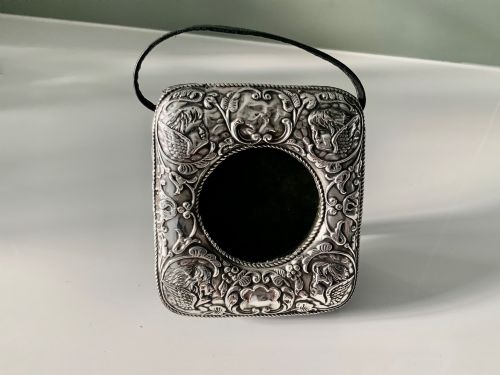
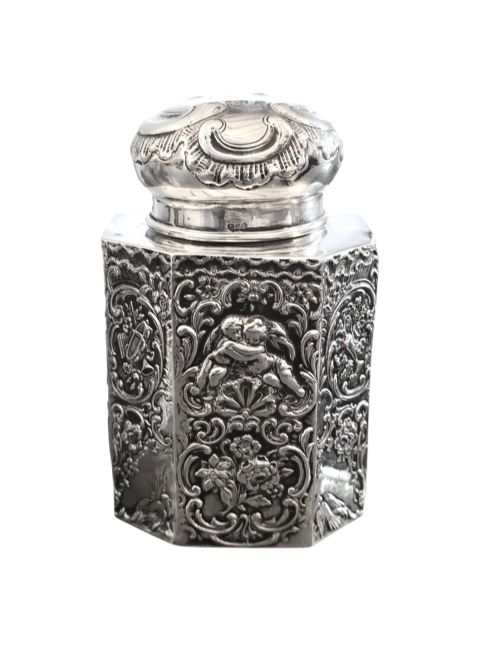
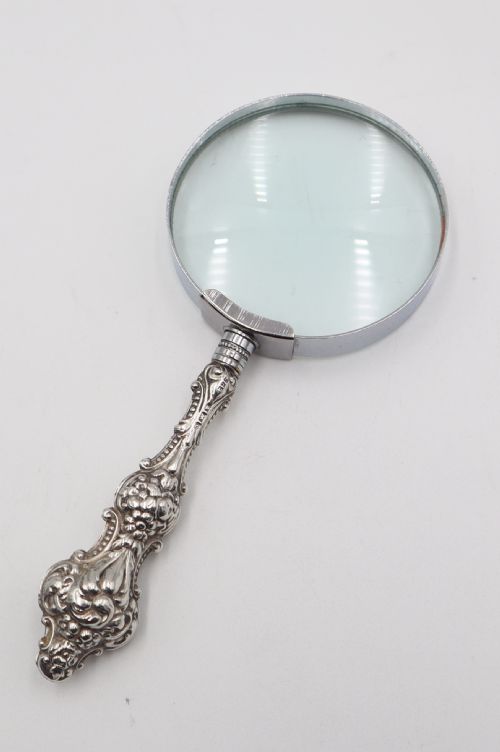
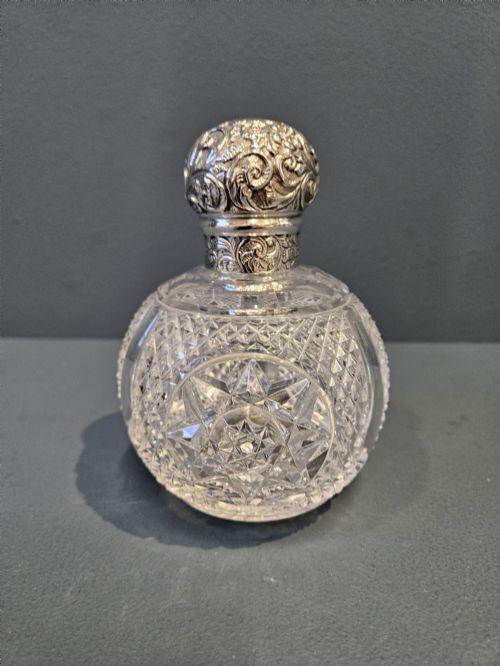
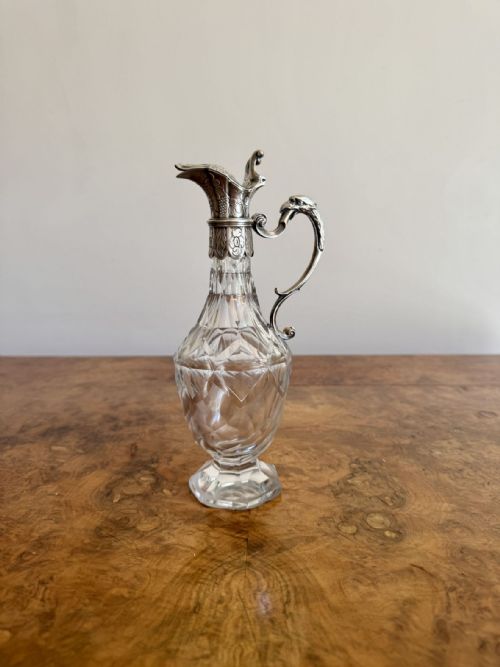
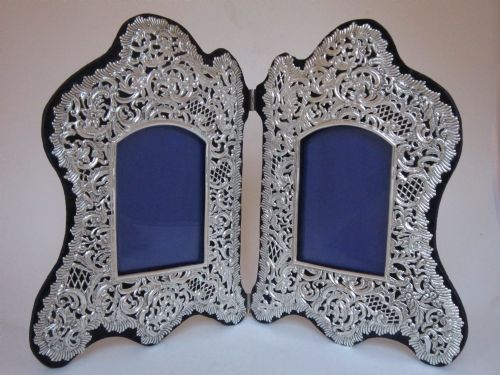
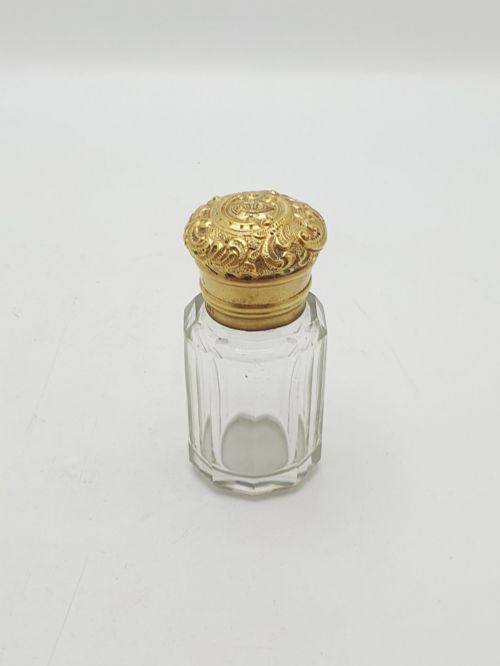
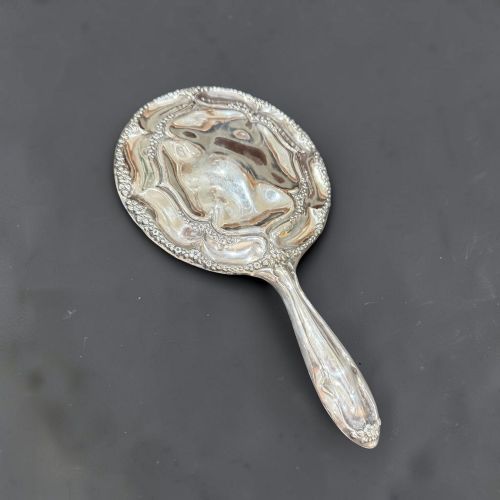
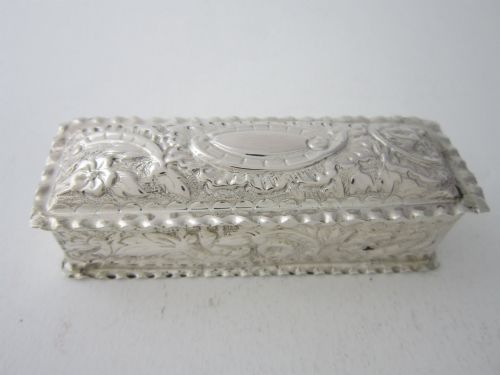
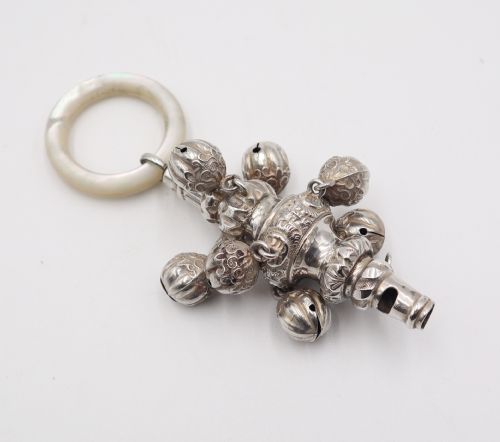
Victorian embossed silver brings tactile depth to your collection through intricate repoussé metalwork found on boxes, frames, and scent bottles.
Victorian Embossed Silver
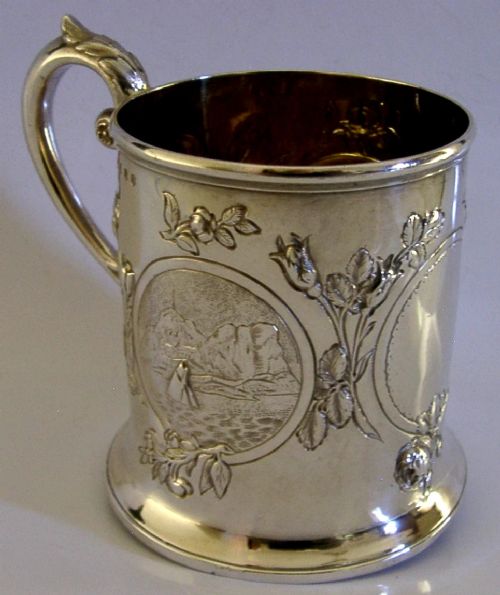
The assortment includes domestic items such as cream jugs, vanity pots, card cases, and serving spoons that display ornate surface decoration. Pieces often incorporate styles like Victorian Rococo Revival, Dutch Revival, and Art Nouveau, alongside continental or export work.
The material combinations frequently pair solid silver with velvet, cut glass, or gilt interiors, creating tactile contrast. Many items carry English assay office marks from cities such as London, Birmingham, and Sheffield, dating the metalwork precisely.
How They Were Made
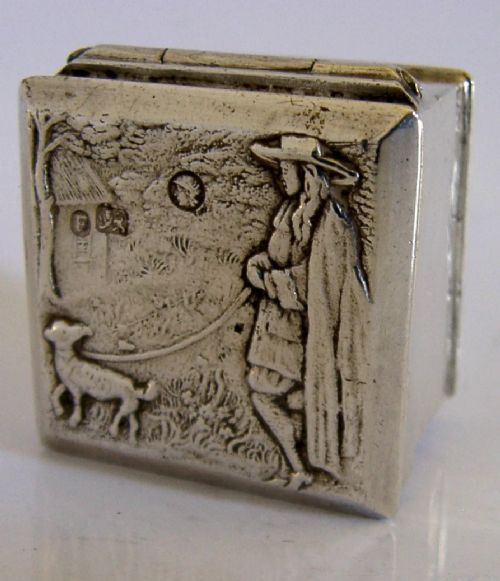
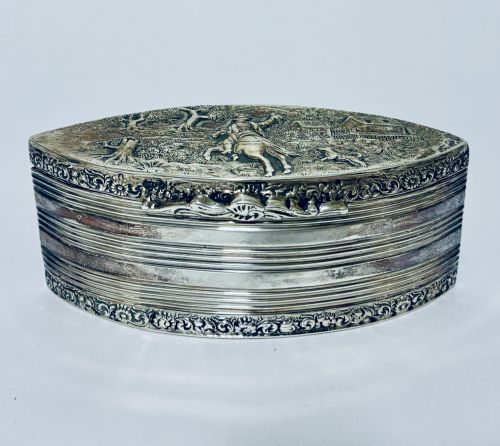
Silversmiths utilised repoussé and chasing techniques to hammer designs from the reverse side of the metal sheet, raising decorative motifs into relief. This method allowed craftsmen to model elaborate floral scrolls, scenic panels, and figural depictions with considerable dimension.
Makers combined sterling silver and solid silver with secondary materials including cut glass bodies for scent bottles, wooden or velvet linings inside boxes, and silver-gilt washes for interior surfaces. Piercing and engraving often complemented the embossed relief work to vary the surface texture.
Victorian Embossed Silver Retail Price Guide 2026
Typical asking prices for victorian embossed silver among the pieces listed under this phrase on Sellingantiques today, from the lower quarter to the upper quarter. They describe what is for sale here now, not the wider market.
Listings feature sterling silver, silver plate, and silver-gilt, combined with cut glass, velvet, and glass components.
What Varies in Quality
The definition and depth of the repoussé hammerwork separate finer examples from simpler production, as skilled silversmiths achieved crisp undercuts and detailed modelling. Heavy gauge silver maintains structural integrity and preserves the integrity of the embossed design against wear.
The clarity of hallmarks and the precision of assembly, such as the snug fit of box hinges and bezels, distinguish superior workshops. Integration with secondary materials like high-grade cut glass or intact velvet linings contributes to the overall standard of a piece.
Henry Matthews·G R Collis
The Victorian Embossed Silver Glossary
- Repoussé
- A metalworking technique where the artisan hammers the design from the reverse side to raise relief ornament on the front. This process creates tactile three-dimensional surfaces on boxes and chargers.
- Sterling Silver
- An alloy consisting of a high proportion of pure silver combined with other metals to ensure durability. British items meeting this standard typically bear the lion passant hallmark.
- Silver-Gilt
- Silver that has been coated with a thin layer of gold on its surface, often applied to the interiors of boxes and cups. This treatment protected the metal from tarnishing when in contact with foodstuffs or cosmetics.
- Castle Top
- A specific design style featuring an embossed or engraved representation of a notable building or landscape on the lid of a card case or box. These topographical scenes were popular souvenirs in the nineteenth century.
- Tea Caddy
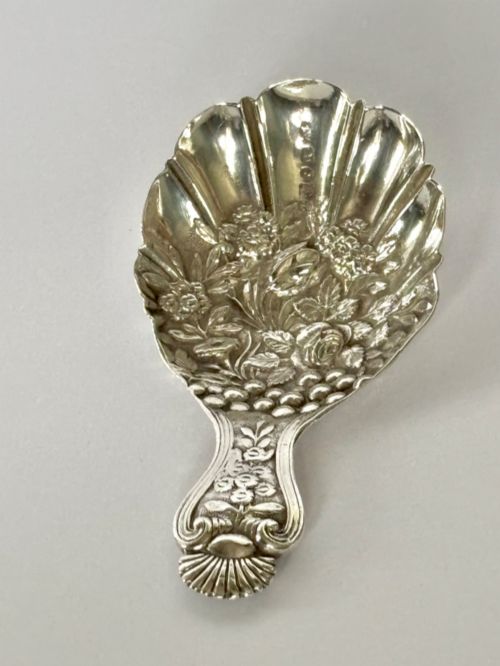
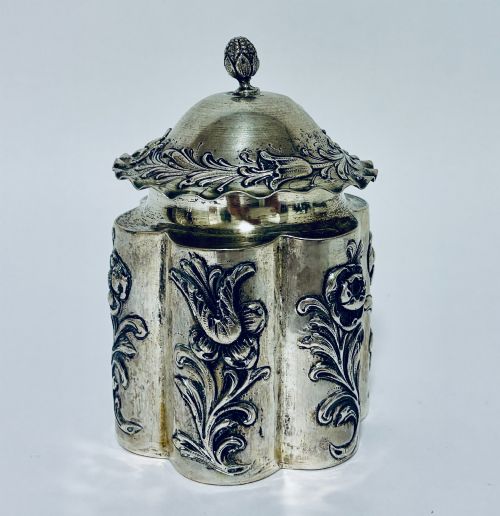
- A small container originally designed to store dry tea leaves securely before the substance became inexpensive. Examples in silver often feature repoussé decoration and tight-fitting lids.
Victorian Embossed Silver: Frequently Asked Questions
What items are made in Victorian embossed silver?
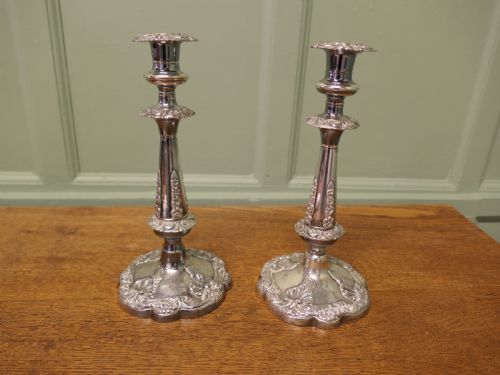
The selection includes small personal items like pill boxes, snuff boxes, card cases, and vanity pots alongside larger table articles such as tea caddies, candlesticks, and picture frames.
Many of these objects incorporate embossed panels depicting floral motifs or figural scenes executed by period silversmiths.
How do I clean embossed silver pieces?
Cleaning requires gentle care to avoid flattening the raised relief created by the repoussé technique during manufacturing.
Traditional soft cloths and mild silver cleaning agents work best, avoiding harsh abrasive dips that strip away the original darkened contrast in recessed areas.
How can I tell the date of a piece?
British items carry hallmark stamps that indicate the assay office, the standard of the metal, and a specific date letter corresponding to the year of testing.
Comparing these stamped letters against standard regional tables reveals the exact year of manufacture for sterling silver objects.
Were these pieces used daily?
Upper and middle-class households utilised these decorated articles in daily Victorian domestic life for writing letters, serving tea, and grooming.
Items like card cases and trinket boxes served practical social functions while displaying the owner's taste through elaborate metalwork.