


Victorian Edwardian Brooch
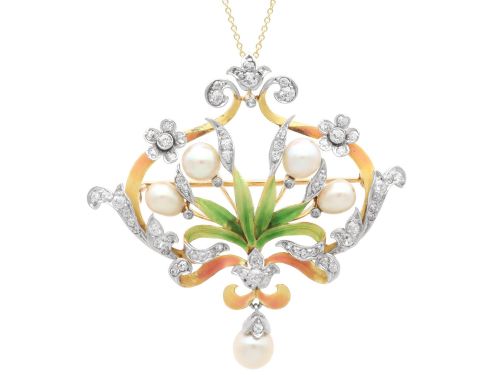
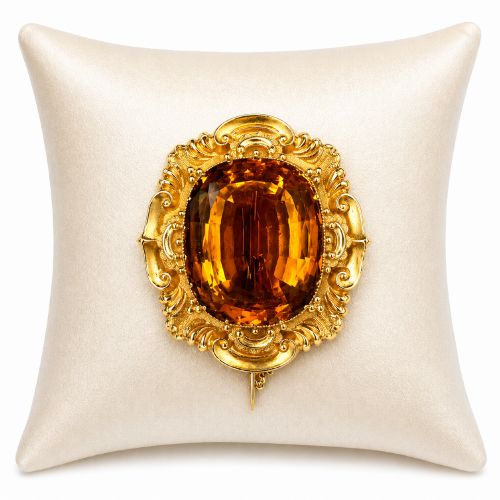
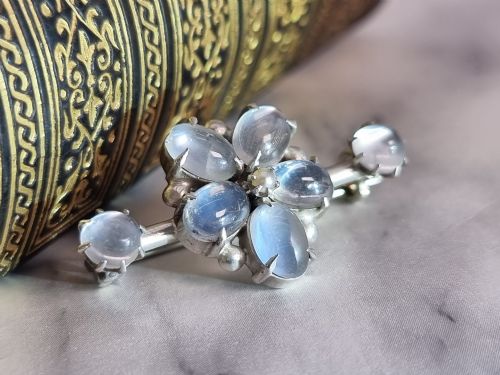
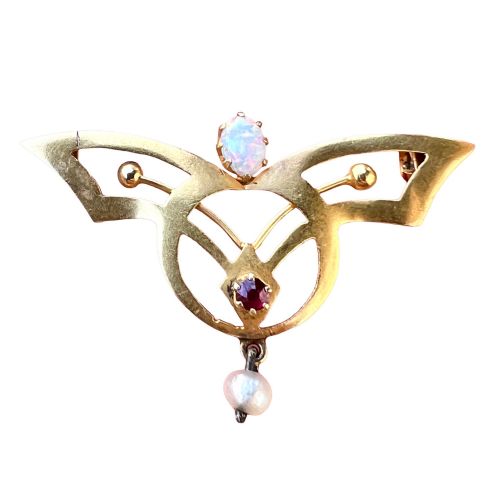
A victorian edwardian brooch brings together intricate goldwork, pearls and diamonds, offering wearable history that anchors an outfit with period character.
Victorian Edwardian Brooch
When you search for a victorian edwardian brooch, you encounter pieces spanning from the late nineteenth century through to the early decades of the twentieth century. These items encompass distinct design movements including Victorian, Edwardian, Art Nouveau, and Arts and Crafts styles, reflecting changing tastes across several decades.
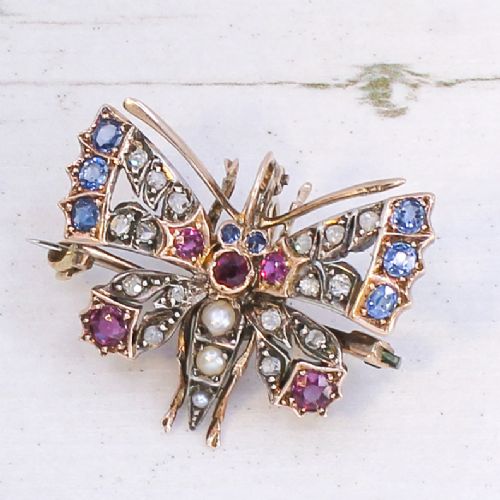
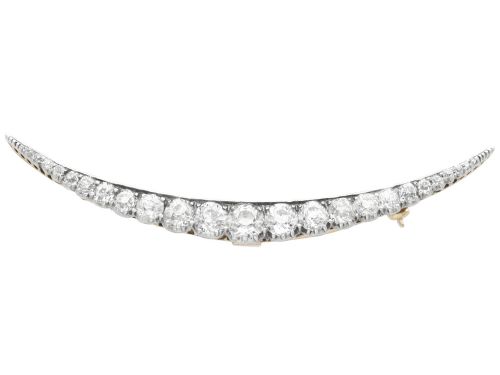
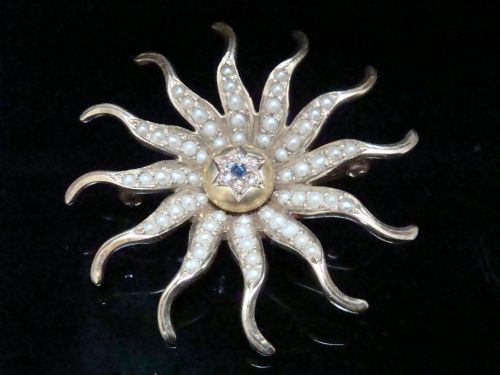
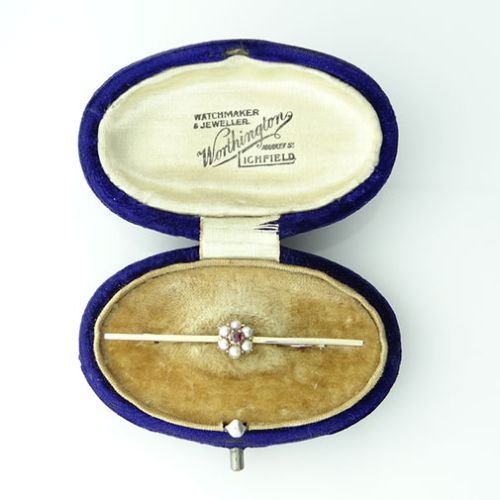
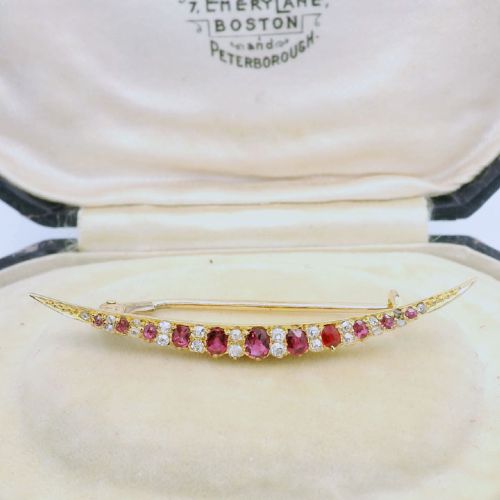
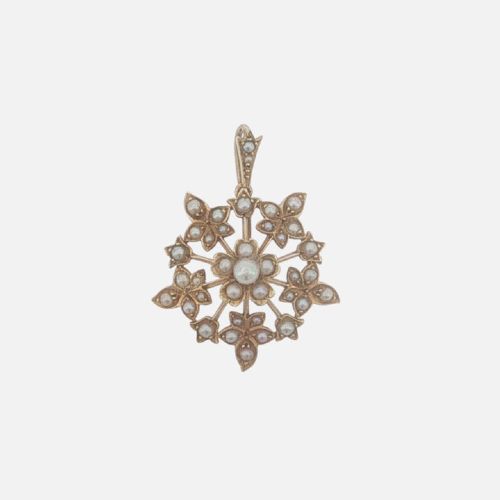
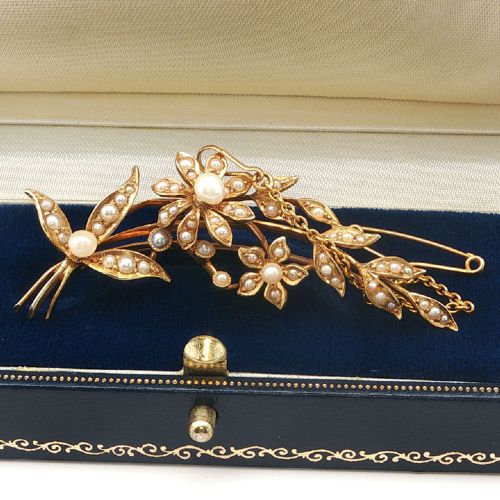
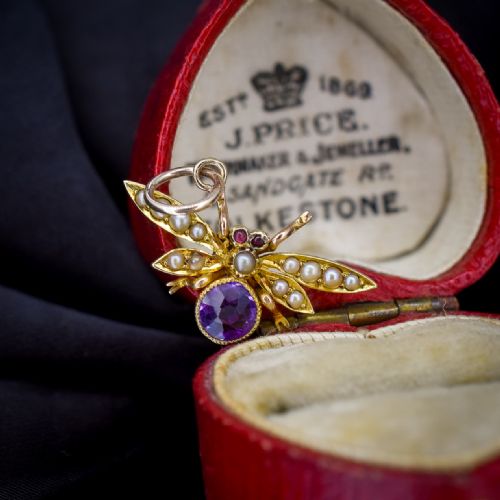
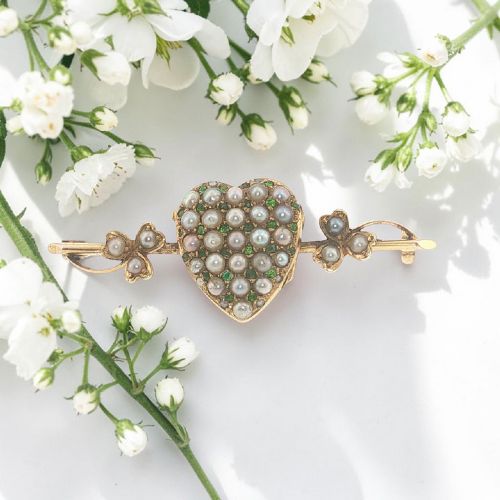
The selections on this page feature versatile forms that often double as pendants, alongside traditional bar brooches, crescent designs, and botanical motifs. You will frequently find floral sprays, insect charms, stars, and heart lockets fashioned from yellow or rose gold and silver.
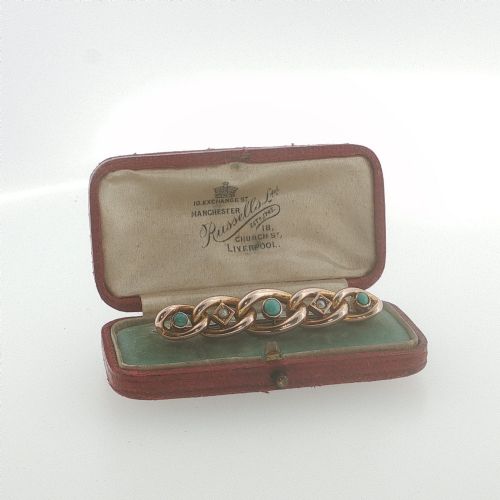
Originating from periods defined by distinct craftsmanship, these jewels include Scottish revival kilt pins alongside delicate gem-set clusters. The variety ranges from bold diamond starbursts to subtle seed pearl and turquoise chains.
Materials and construction
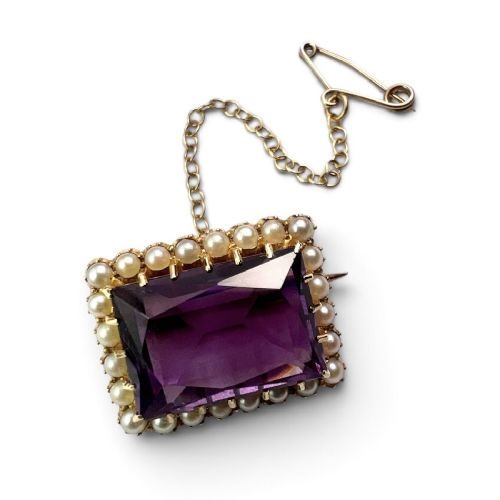
The pieces rely heavily on a combination of 9ct, 14ct, 15ct, and 18ct gold, alongside silver settings often used specifically to mount diamonds and enhance their brilliance. Enamel work and gemstones such as amethysts, garnets, opals, and rubies provide colour and contrast against the precious metals.
Goldsmiths utilised techniques like bezel and prong settings to secure old-cut and rose-cut diamonds, pearls, and turquoise. Many items incorporate multi-functional engineering, allowing a brooch to convert into a pendant through hidden bails and loops.
Victorian Edwardian Brooch Retail Price Guide 2026
Typical asking prices for victorian edwardian brooch among the pieces listed under this phrase on Sellingantiques today, from the lower quarter to the upper quarter. They describe what is for sale here now, not the wider market.
Several insects captured in gold and pearl remain quietly perched on lapels, refusing to fly away after more than a century.
Assessing quality and craftsmanship
Quality rests upon the fineness of the metalwork, the symmetry of the stone arrangement, and the integrity of the setting. Superior examples display precise claw work, balanced composition in floral or geometric motifs, and minimal solder disturbance.
The refinement of hand-cut diamonds, the uniformity of natural seed pearls, and the depth of vitreous enamel distinguish finer workshop production from standard commercial output.
The Victorian Edwardian Brooch Glossary
- Bar brooch
- A narrow horizontal pin featuring central ornamentation such as a gemstone cluster, insect, or crescent.
- Old-cut diamond
- A hand-faceted diamond shape predating modern brilliant cuts, characterised by a smaller table and higher crown.
- Seed pearl
- A very small natural or cultured pearl, often drilled and strung or mounted closely in clusters.
- Collar brooch
- A dual-pin mounting designed to span garment collars or secure neckwear securely.
- Suffragette jewellery
- Pieces incorporating amethyst, green peridot or garnet, and white pearls or enamel, symbolising the movement.
Victorian Edwardian Brooch: Frequently Asked Questions
How do I wear a antique brooch today?
You can pin these versatile pieces onto coat lapels, heavy knit cardigans, or silk scarves to add focal interest to modern tailoring.
Many antique designs feature hidden loops on the reverse, allowing you to thread a chain through and wear the piece as a pendant.
What is the difference between Victorian and Edwardian styles?
Victorian pieces often display heavier gold content, romantic motifs like hearts and crescents, and richly coloured gems such as garnets and amethysts.
Edwardian designs typically favour lighter platinum and silver-topped gold settings, delicate lacework motifs, and an abundance of diamonds and pearls.
Can these brooches be worn as pendants?
Numerous items from this era were constructed as convertible pendant brooches equipped with a fold-down loop or removable pin assembly.
Checking the reverse reveals whether a hidden bail exists to suspend the jewel from a neck chain.
What gems are common in these pieces?
Diamonds and seed pearls appear frequently across both eras, often paired with turquoise, amethysts, opals, and garnets.
Enamel work and chrysoberyl also feature prominently in specific Arts and Crafts and Art Nouveau examples.