

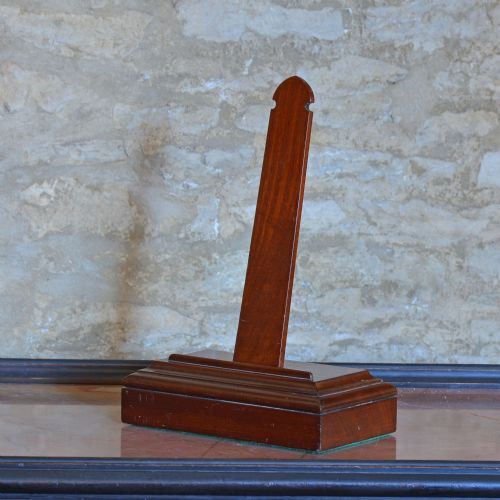
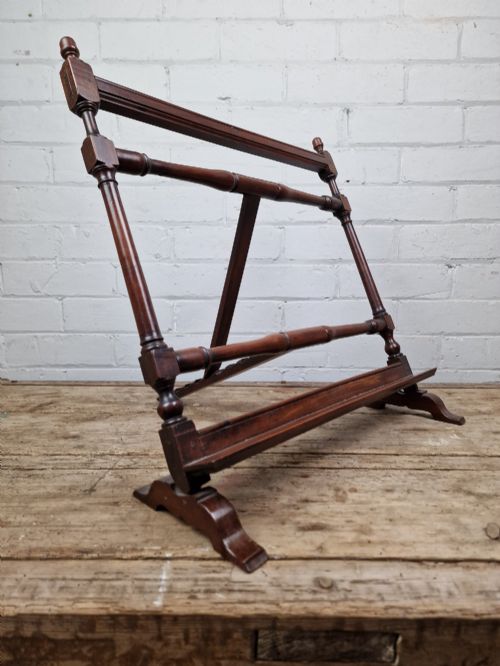

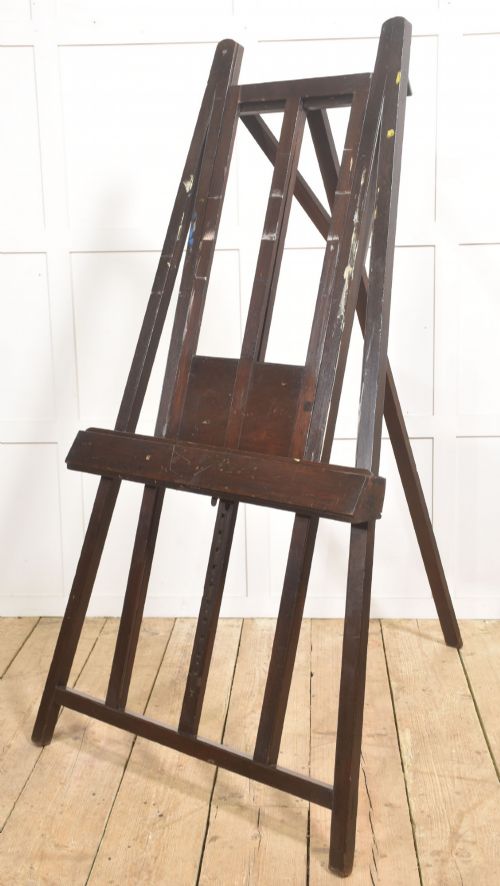
Victorian Easel Stand
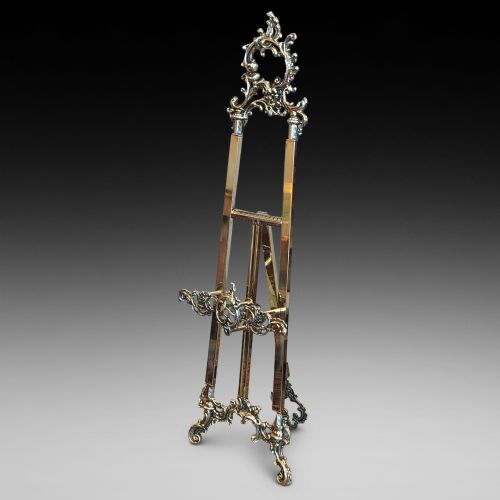
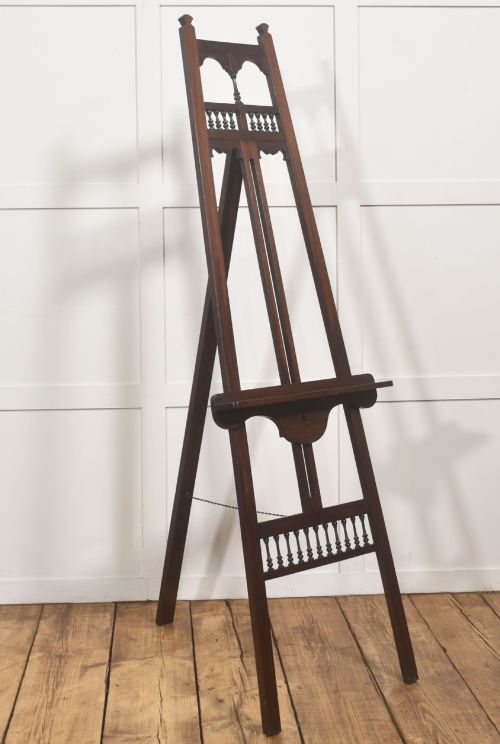
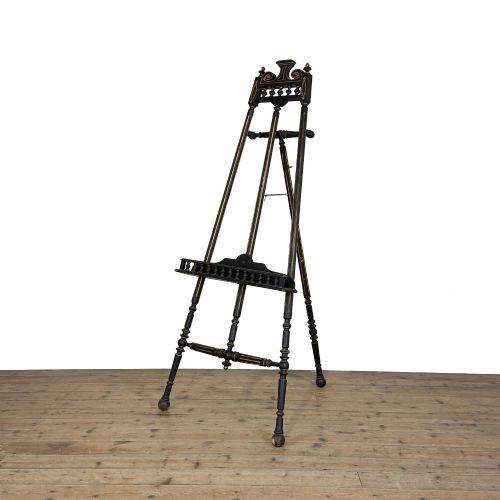
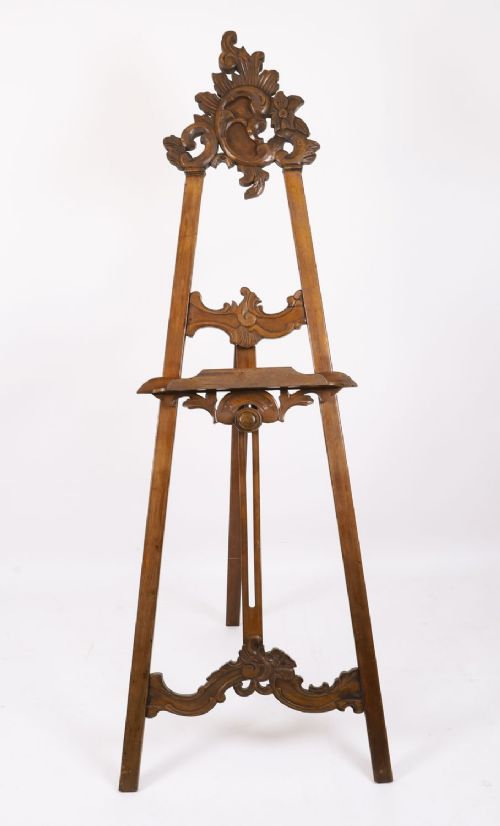
A victorian easel stand displays artwork, photographs and books with architectural presence and mechanical ingenuity.
Victorian Easel Stand
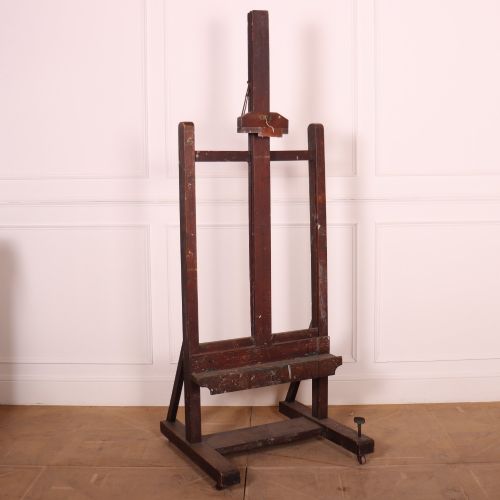
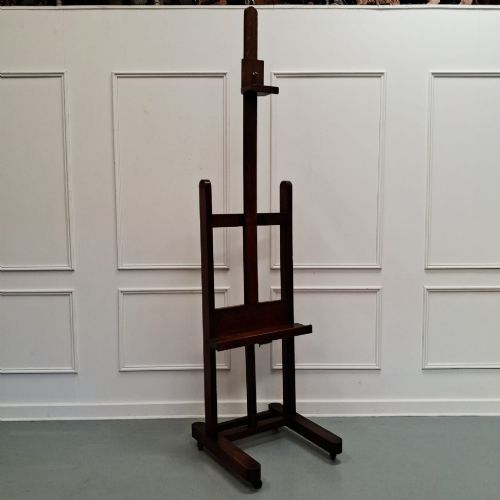
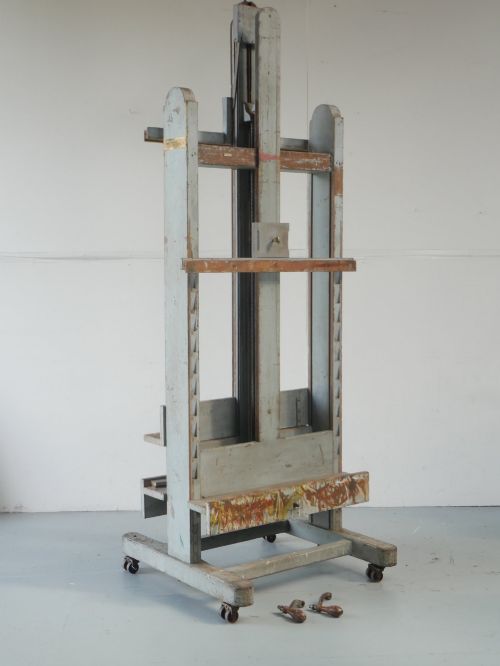
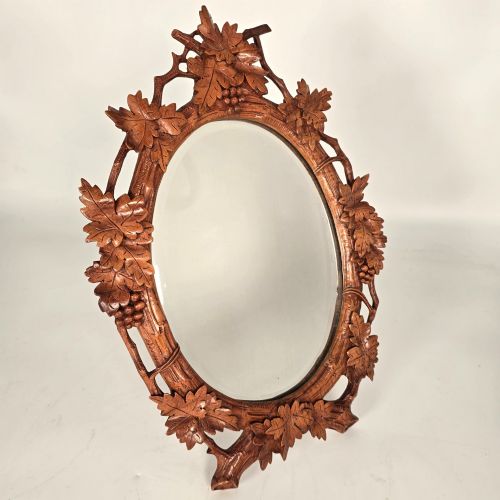
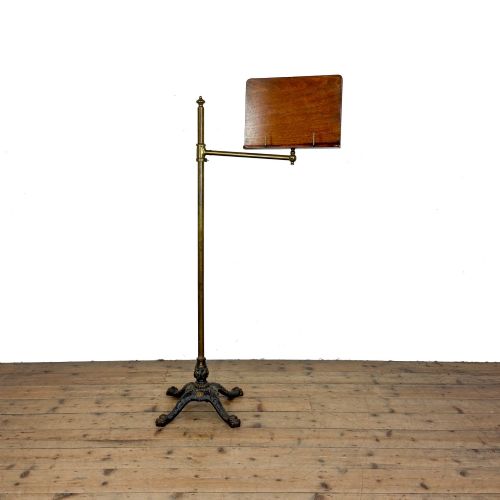
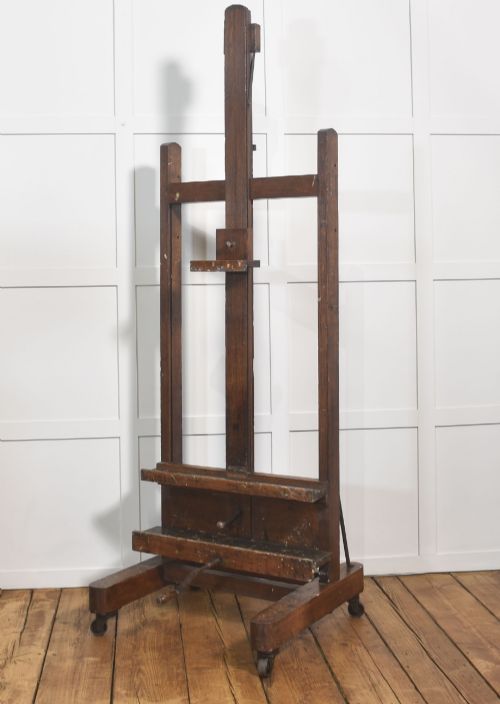
A victorian easel stand encompasses a broad variety of functional display objects designed to support paintings, photographs, books and mirrors. These pieces range from substantial floor-standing studio frames used by artists to smaller table-top lecterns, music stands and reading rests.
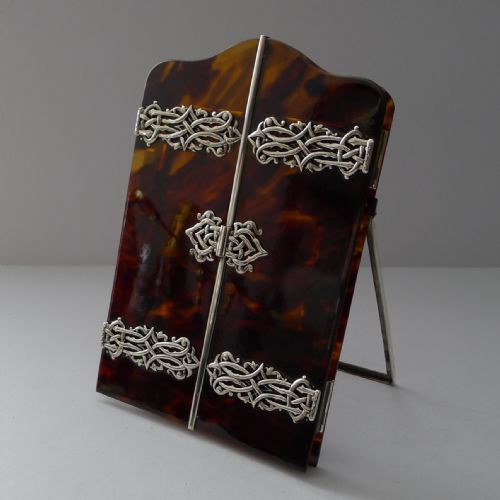
The materials and styles seen here reflect the diverse decorative tastes of the nineteenth century, moving from heavy oak and walnut Gothic Revival pieces to delicate French ormolu, brass and silver frames. Buyers encounter both robust utilitarian studio equipment and finely carved domestic display furniture.
Floor-standing models frequently incorporate adjustable mechanisms for height and angle, whilst desk-top versions provide sturdy ledges for holding volumes or folios steady. The grouping spans from the early nineteenth century through to the Edwardian period.
How they were made
Makers utilised timber such as oak, mahogany, walnut and lime wood, often shaping them through traditional joinery and detailed hand carving. Many examples incorporate turned wooden columns, pierced fretwork or applied veneers.
Metal elements in brass, cast iron, bronze and sterling silver provide structural support and decorative ornamentation. Techniques such as champleve enamel, gilding and silver mounting appear across frames, mirrors and stands to add textural contrast.
Victorian Easel Stand Retail Price Guide 2026
Typical asking prices for victorian easel stand among the pieces listed under this phrase on Sellingantiques today, from the lower quarter to the upper quarter. They describe what is for sale here now, not the wider market.
Materials span from heavy cast iron and oak to delicate sterling silver, brass and tortoiseshell.
What varies in quality
The standard of a victorian easel stand depends upon the crispness of the hand carving, the selection of timber grains and the integrity of any mechanical adjustment screws. Superior examples show careful attention to structural joints and harmonious proportions.
Decorative embellishments dictate much of the distinction between standard and exceptional pieces, with intricate pierced metalwork, specialised inlays and heavy cast iron bases marking out finer workshop production.
Benjamin Taylor And Sons·Carters Of London·Syner And Beddoes·Windsor And Newton
The Victorian Easel Stand Glossary
- Chevalet
- A table-top artist easel designed for supporting smaller canvases while painting or displaying works. This form provides an adjustable backing angle for precision viewing.
- Gothic Revival
- A nineteenth-century design style drawing inspiration from medieval architecture, characterised by pointed arches, heavy timbers and deep relief carving. It appears frequently on oak stands and cabinets.
- Ormolu
- Gilt bronze ornamentation applied to furniture, frames and mirrors, popular in French decorative arts of the period. This technique imparts a rich metallic lustre to cast mounts.
- Lectern
- A slanted reading stand or desk designed to hold books or music scores at a comfortable height. These pieces often feature adjustable mechanisms.
- Champleve
- An enamelling technique where troughs are dug into a metal surface and filled with vitreous paste before firing. It frequently decorates late nineteenth-century frames.
Victorian Easel Stand: Frequently Asked Questions
How do I adjust the height on these stands?
Many studio stands use sliding wooden masts secured by metal pins, brass thumbscrews or heavy iron ratchets. Operating these requires loosening the primary locking mechanism gently while supporting the weight of the ledge.
Older metal screw threads should be turned carefully without excessive force to avoid stripping the original components.
Were these stands used exclusively for art?
While artist studios utilised heavy wooden frames for paintings, many pieces served domestic purposes in libraries, parlours and music rooms. Book rests, reading stands and music lecterns were built to hold bound volumes, folios and sheet music.
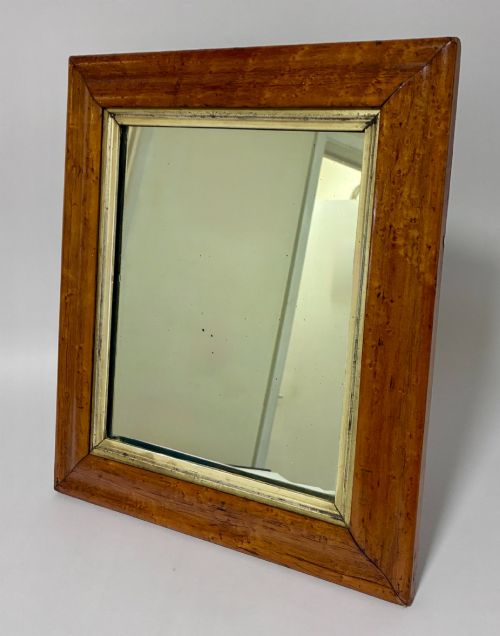
Table mirrors and photograph frames also fall into this category, designed for surface display rather than creative work.
How should I clean polished wooden stands?
Maintenance requires only a soft, dry cloth to remove dust from carved surfaces and mouldings. Avoid modern liquid polishes containing silicone, which can build up over time and dull the finish.
A light application of traditional beeswax helps nourish aged timber like oak, mahogany and walnut.
Can these stands support heavy modern books?
Floor-standing models and large desk lecterns are structurally robust enough to bear the weight of substantial volumes or heavy folios. Smaller table-top easels are better suited to lighter framed photographs, plates or pamphlets.
Checking the depth of the resting ledge and the stability of the back strut ensures safe placement.