

Victorian Earthenware Statue
A victorian earthenware statue brings colourful ceramic character into a room through hand-painted figures, royal portraits and mantelpiece animals.
Victorian Earthenware Statue
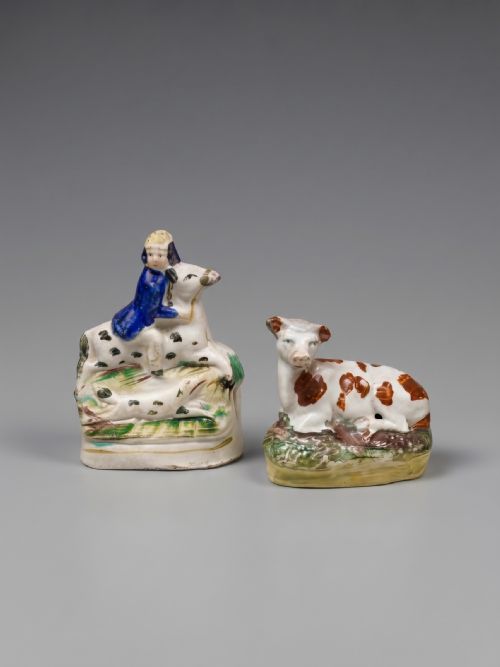
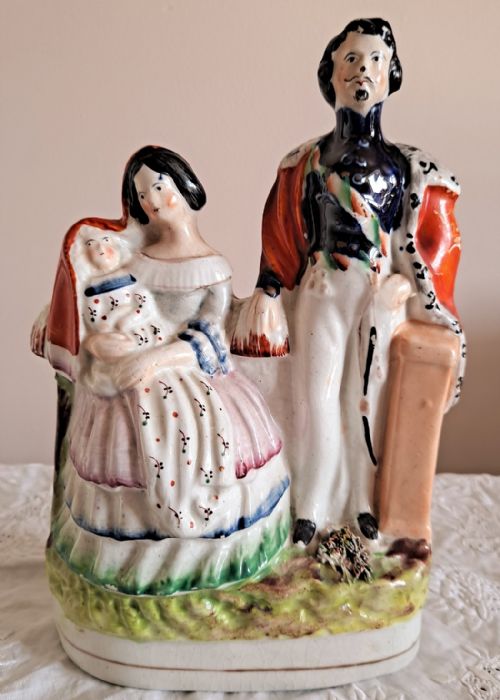
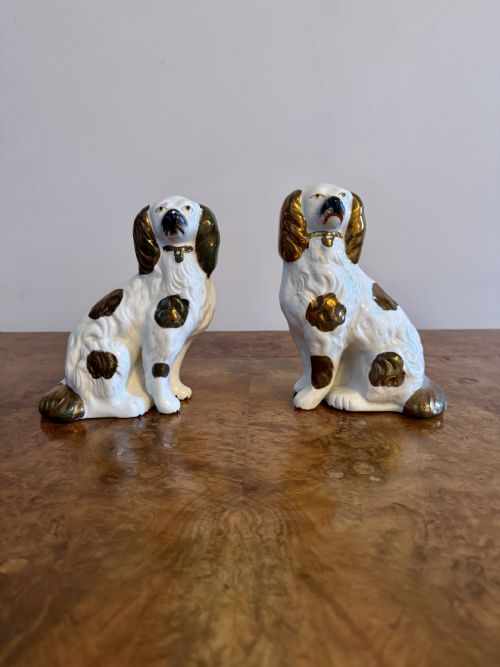
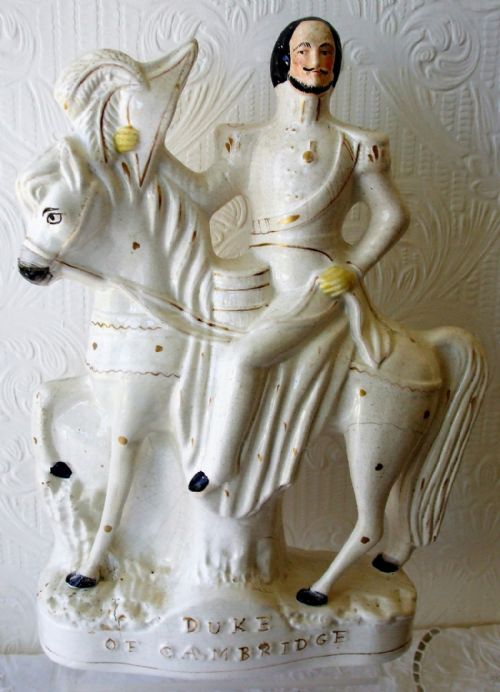
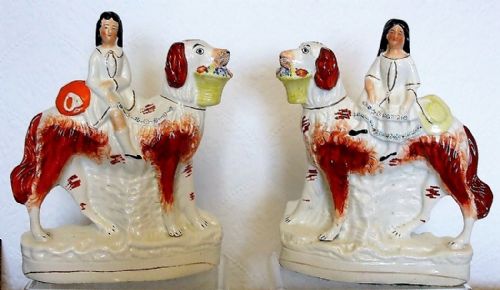
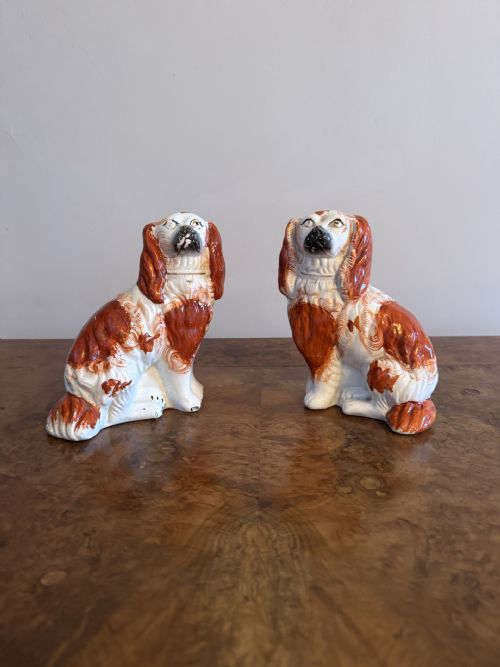
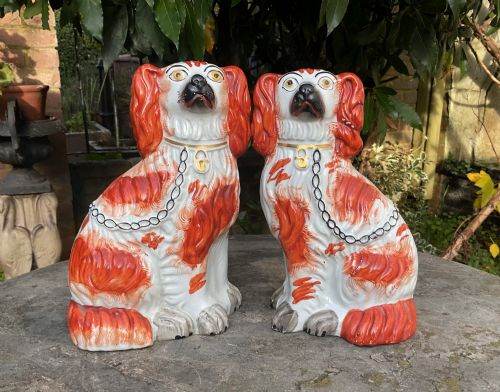
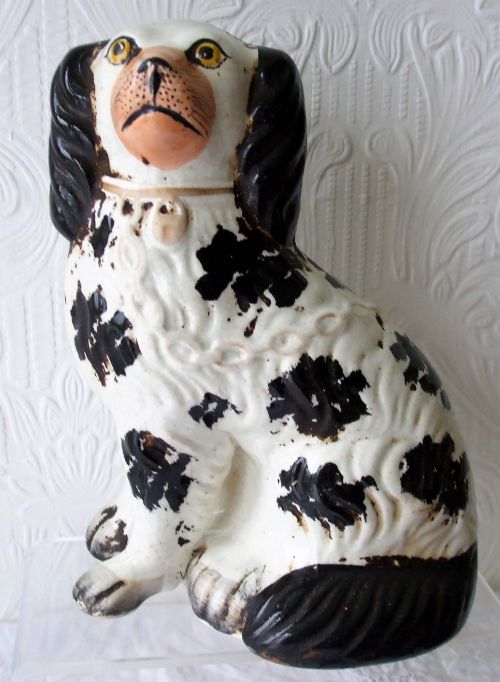
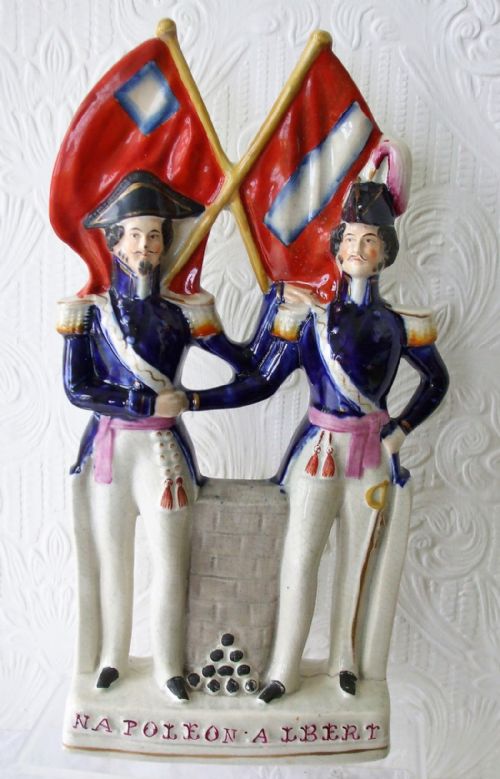
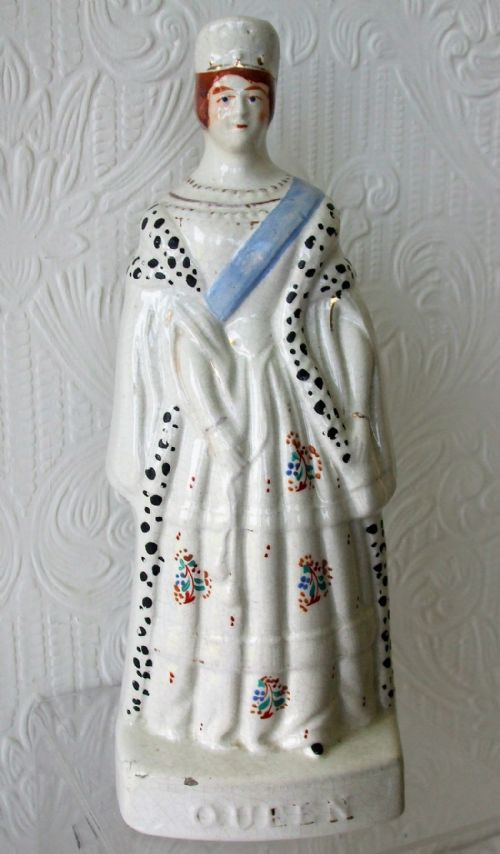
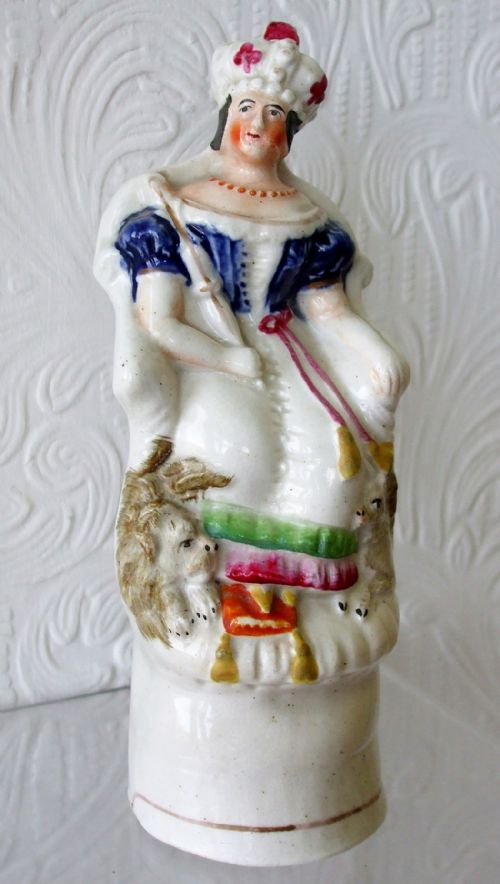
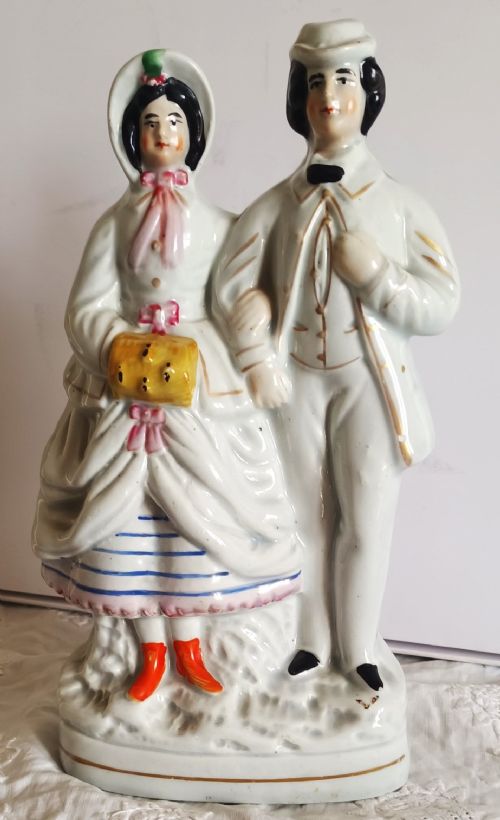
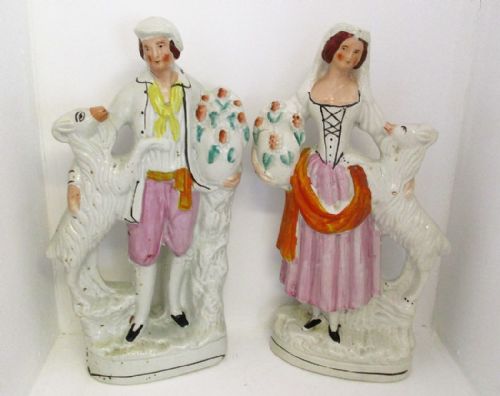
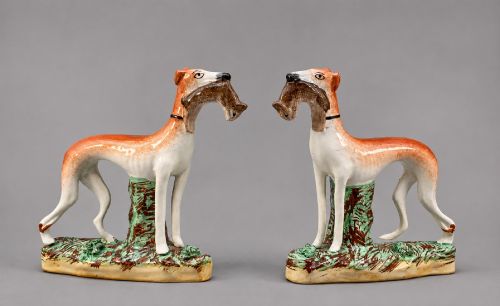
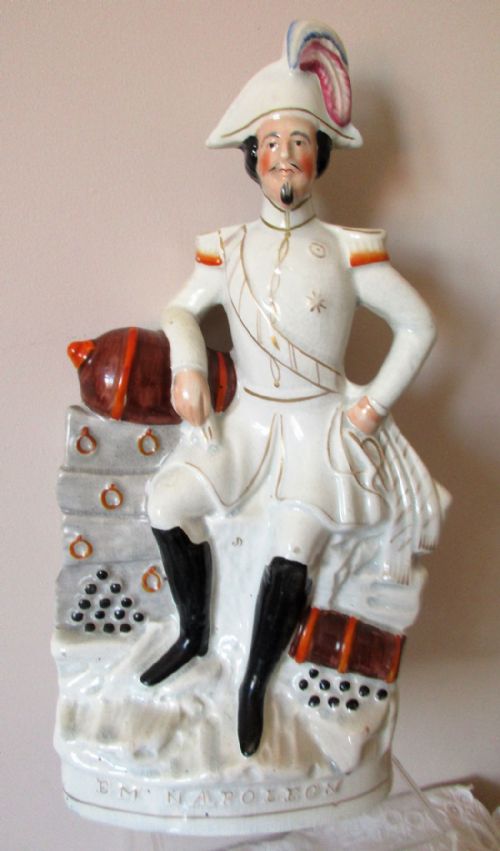
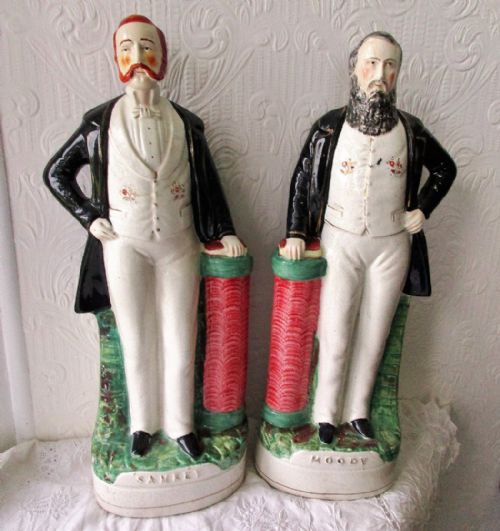
A victorian earthenware statue primarily takes the form of Staffordshire pottery figures, featuring portrait subjects, theatrical characters and animals such as spaniels, greyhounds and lions. These pieces date across the nineteenth century, with specific examples recorded from the eighteen-fifties, sixties, seventies and eighties.
The selection ranges from flatback portrait figures of royalty and statesmen to seated pairs of dogs and allegorical subjects. Makers produced these ceramic sculptures to decorate the mantelpieces of nineteenth-century homes, combining popular culture with domestic ornament.
Materials and Construction
The manufacturing process typically involved press-moulding the ceramic body before hand-painting the enamel details and firing the piece. Flatback figures were left unpainted or simply finished at the rear since they stood against walls on shelves.
Victorian Earthenware Statue Retail Price Guide 2026
Typical asking prices for victorian earthenware statue among the pieces listed under this phrase on Sellingantiques today, from the lower quarter to the upper quarter. They describe what is for sale here now, not the wider market.
Judging Quality
Pieces attributed to known potteries or specific stylistic groups often show superior weight and glaze consistency compared to standard commercial output. The depth of the colour palette and the preservation of the enamel and gold leaf determine the visual presence of the statue.
Sampson Smith
The Victorian Earthenware Statue Glossary
- Earthenware
- A porous pottery body fired at lower temperatures, requiring a glaze to achieve water resistance and a smooth surface.
- Flatback
- A Staffordshire figure style moulded with a flat, undecorated rear designed to sit flush against a wall or mantelpiece.
- Enamel paint
- Vitreous pigments applied over the fired glaze and subjected to a lower second firing to fuse colour to the ceramic.
- Companions in arms
- A specific title used for nineteenth-century commemorative portrait figures depicting allied military leaders or political figures.
- Lead glaze
- A traditional liquid silica and lead mixture applied to pottery to create a glossy, protective coating during the kiln firing.
Victorian Earthenware Statue: Frequently Asked Questions
What subjects do these statues show?
The subjects include British and foreign royalty, literary characters, theatrical personalities and religious scenes. Animal figures such as spaniels, greyhounds and poodles form a large portion of the available designs.
Portrait pieces often commemorate specific historical events or prominent figures of the nineteenth century. These varied subjects allowed Victorian households to display loyalty, literary taste or decorative flair.
Where were these figures placed?
Owners traditionally displayed these ceramic statues on mantelpieces, chiffoniers and side tables within the principal rooms of the house. Flatback models were specifically designed to stand against walls.
Pairs of dogs or portrait figures were arranged symmetrically to anchor a fireplace display. Their bright glazes added colour to dimly lit nineteenth-century interiors.
How do you date a Staffordshire figure?
Dating relies on historical subjects, costume details, clay body characteristics and the style of the enamel painting. Pieces depicting specific historical figures or royal marriages offer a narrow window of production.
Earlier nineteenth-century examples tend to feature sharper moulding and distinctive palette choices compared to later Victorian iterations. Comparing the base construction and glaze appearance helps establish the period.
Are these figures glazed all over?
Most pieces feature a transparent lead glaze across the entire visible surface, though flatback examples often leave the reverse unglazed or roughly finished. Bases frequently show kiln marks or unglazed clay where the piece rested during firing.
The application of enamel paint and gold leaf generally occurred over the fired glaze layer. This secondary surface treatment requires gentle handling during cleaning.