


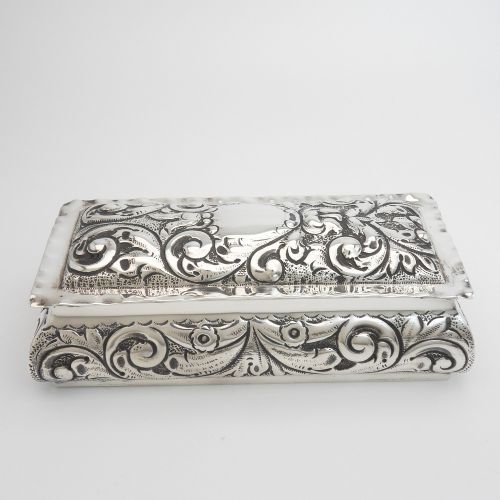

Victorian Dresser Box
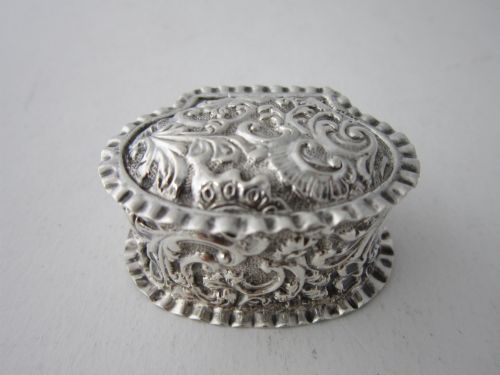
A victorian dresser box sits on the dressing table to hold small personal treasures, ranging from sterling silver trinket boxes to enamelled glass jars.
Victorian Dresser Box
When you search for a victorian dresser box, you encounter a varied assortment of small containers designed for the dressing table or bedroom. These pieces include trinket boxes, jewellery caskets, pill boxes, and dressing table jars intended for pins, rings, and cosmetics.
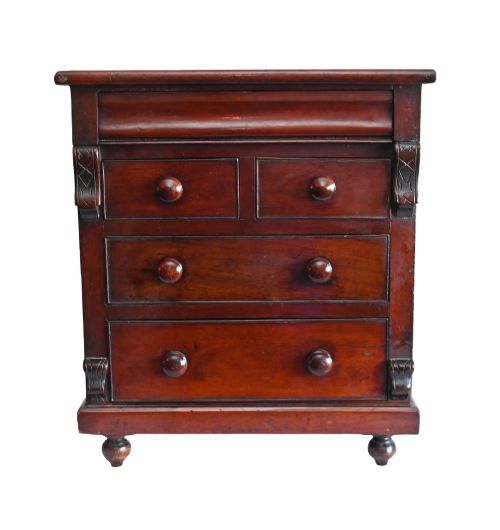
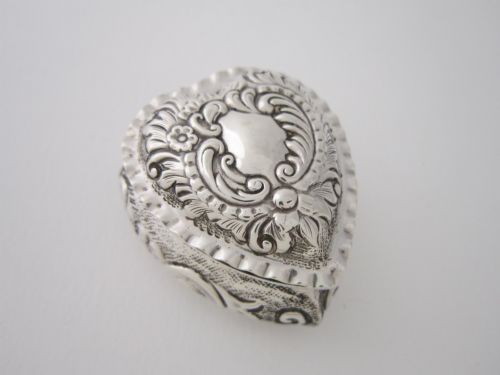
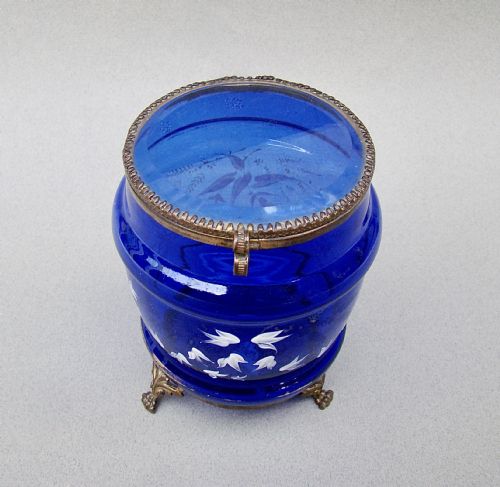
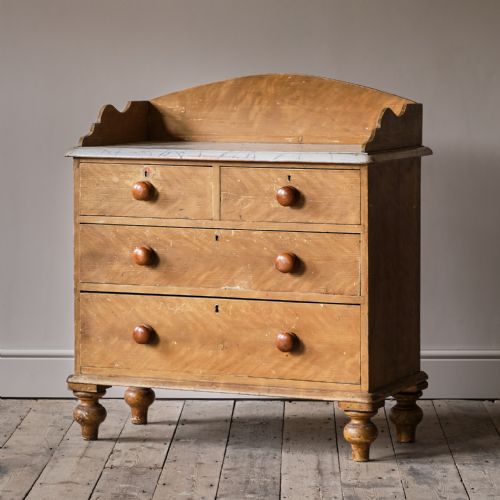
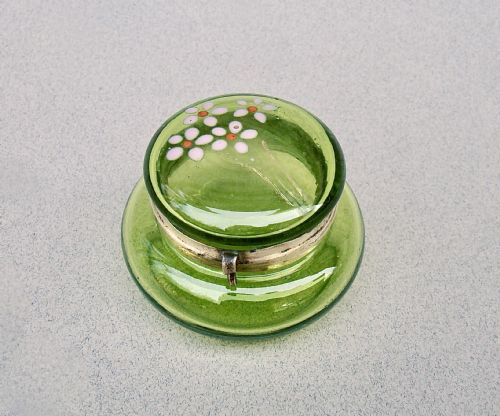
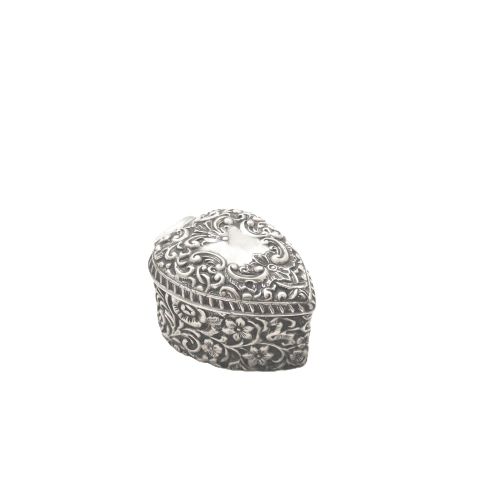
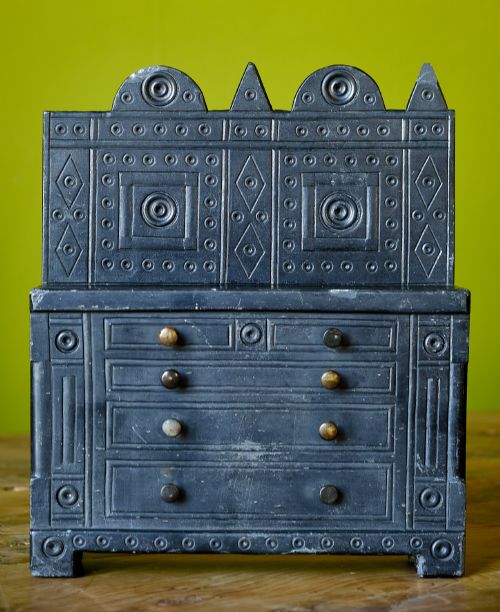
The selections on this page span the nineteenth century and the Edwardian era, taking forms such as sterling silver heart-shaped boxes, porcelain round containers, and Bristol blue glass jars. Alongside these standard vanity items appear unusual regional pieces like miniature apprentice chests of drawers and Welsh folk art models.
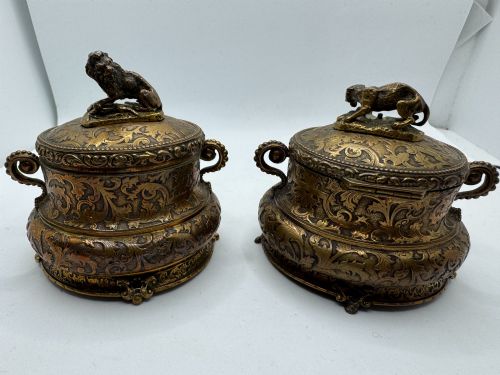
Continental and export examples also feature strongly among the items, including French ormolu and glass caskets alongside Chinese silver dragon boxes. Buyers most frequently meet English sterling silver pieces bearing Birmingham assay marks from the late nineteenth century.
How they were made
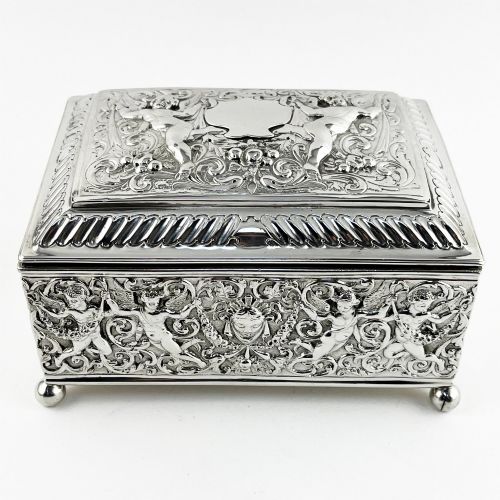
Makers utilised precious metals such as sterling silver, gold, and silver plate to form the bodies and hinged lids of these containers, often incorporating gilt linings and delicate stamping. Structural mounts in brass, ormolu, and gilt-metal provided sturdy frames for glass and porcelain bodies.
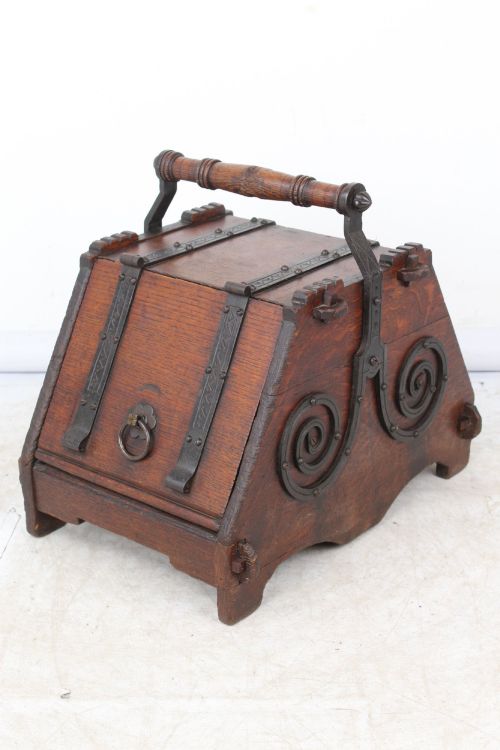
Glass and ceramic components relied on hand painting, enamelling, and cutting techniques to produce decorative surfaces on blue glass jars and porcelain caskets. Woodworking traditions also contributed carved slate, pine, and walnut to miniature chests and coal scuttles.
Listings feature sterling silver, glass, porcelain, and carved slate, reflecting diverse Victorian material choices.
What varies in quality
The distinction between standard containers and finer items rests upon the crispness of the metalwork, the weight of the silver, and the finesse of any hand painting. Pieces featuring detailed repoussé work or intricate gilt detailing on porcelain demonstrate superior craftsmanship.
The integrity of the hinges and closures indicates the original standard of manufacture, alongside the clarity of glass bodies and the preservation of original enamel or paint. Maker attributions and legible hallmarks also elevate the standing of a piece.
A & J Zimmerman Ltd·Walker and Hall·Wang Hing and Company·Christopher Dresser
The Victorian Dresser Box Glossary
- Ormolu
- Gilded bronze or brass mounts used extensively on nineteenth-century decorative boxes and furniture. This technique added a rich golden accent to glass and porcelain bodies.
- Repoussé
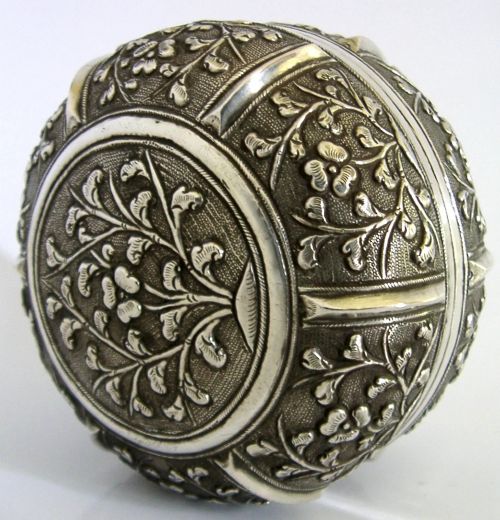
- A metalworking technique where the artisan hammers the design from the reverse side to form raised relief patterns. It appears frequently on the lids of silver trinket boxes.
- Assay mark
- A stamp or series of stamps indicating the purity of precious metal and the office where it was tested. British silver pieces typically display these to confirm their standard.
- Apprentice chest
- A small-scale model of a chest of drawers constructed by a woodworker to demonstrate mastery of the craft. These frequently incorporate secret drawers and fine joinery.
- Export silver
- Items produced in regions such as China for Western markets, often bearing artisan or maker marks specific to treaty ports. These pieces combine traditional local motifs with European forms.
Victorian Dresser Box: Frequently Asked Questions
What were dresser boxes used for?
These boxes served to keep small personal items organised and protected on a dressing table or vanity. Owners stored rings, pins, trinkets, and cosmetics inside them.
Finer silver and glass containers also acted as decorative objects in nineteenth-century bedrooms, reflecting the owner's taste and wealth.
How do I date a silver box?
British silver boxes usually carry hallmarks that include a date letter indicating the exact year of assay. Maker's marks and standard sterling symbols help confirm the period.
Stylistic clues such as Gothic Revival motifs or late Victorian scrollwork also point to the decade of manufacture.
Are these boxes made of solid silver?
Many examples consist of sterling silver, while others utilise silver plate over a base metal foundation. Continental and export pieces often feature high-grade silver standards.
Listings specify the material used, distinguishing solid precious metals from plated or gilt-metal alternatives.
How should I clean antique glass?
Gentle dusting with a soft cloth preserves the surface of enamelled and painted glass jars. Avoid harsh chemical cleaners that might damage delicate gilt detailing.
For pieces with metal mounts, keep moisture away from hinges and fabric linings to maintain the integrity of the antique.
Can I store jewellery in them daily?
These historic containers are well suited for holding everyday pieces like rings and earrings. Velvet or silk linings inside many caskets protect items from scratching.
Careful handling of the original hinges ensures the lids continue to function smoothly during regular use.