

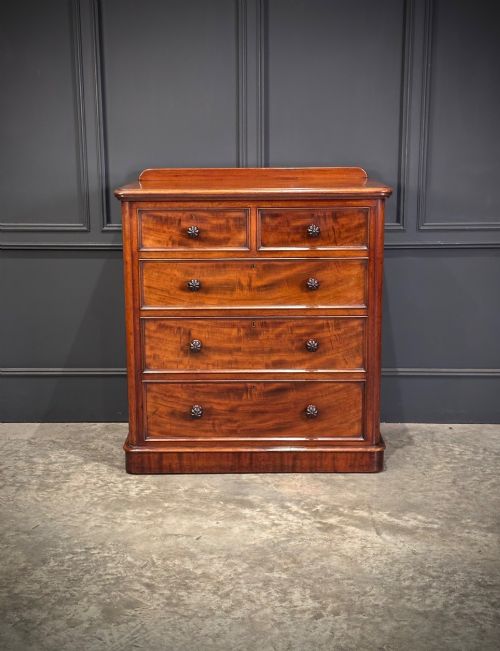
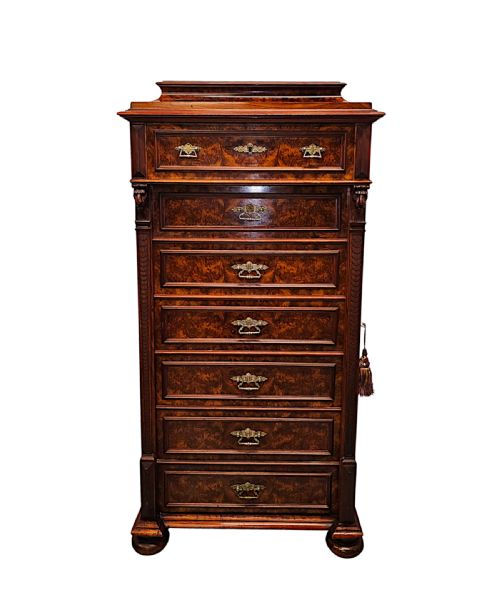
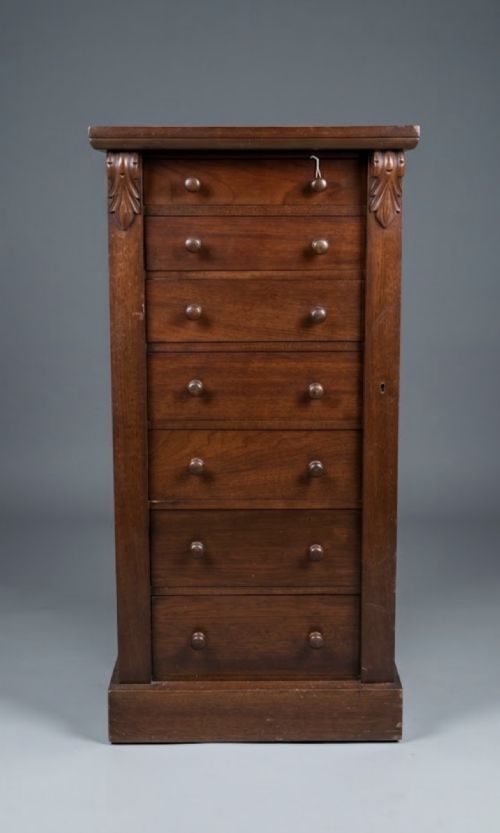
Victorian Drawer Cabinet
A victorian drawer cabinet brings heavy timber, brass pulls and functional compartmentalisation straight from the nineteenth century into modern rooms.
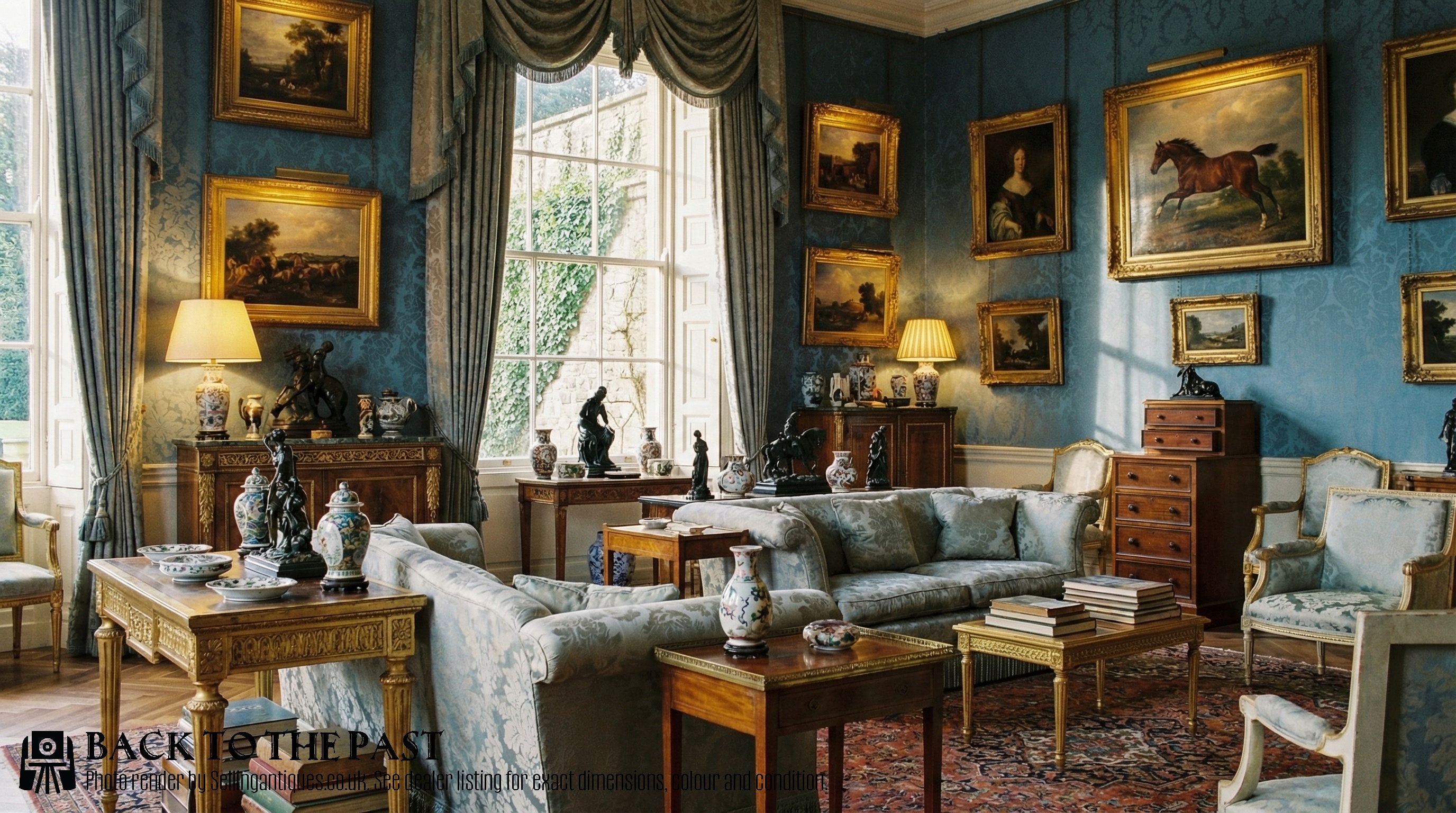
Victorian Drawer Cabinet
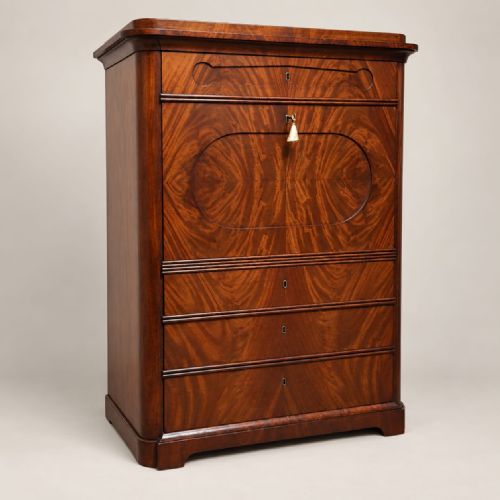
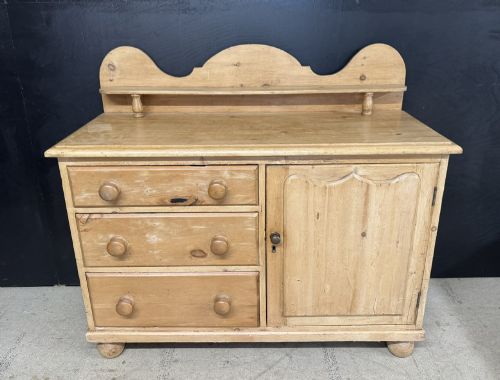
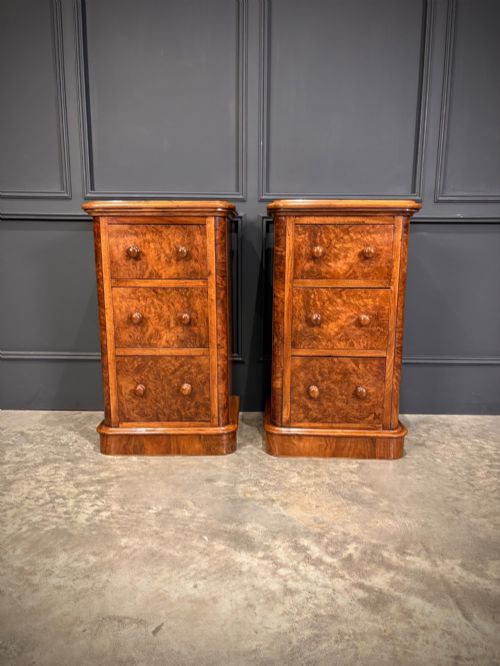
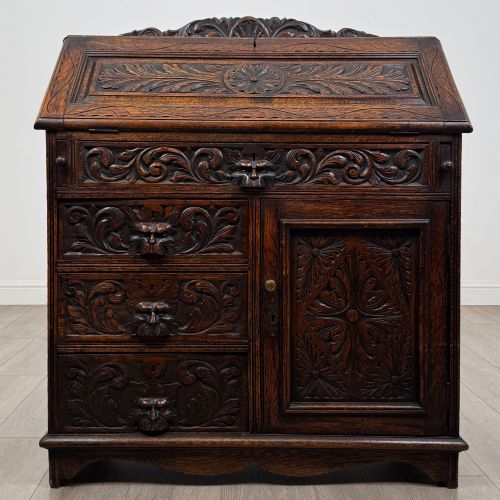
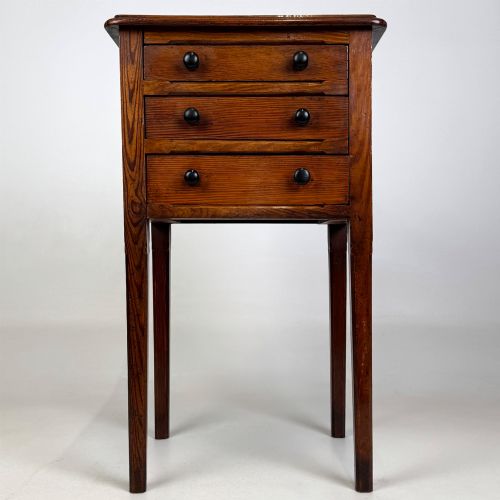
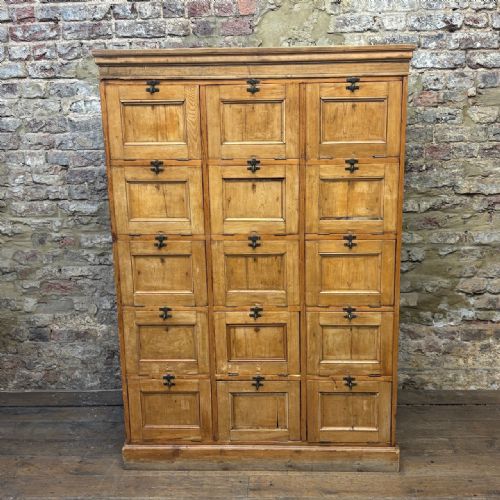
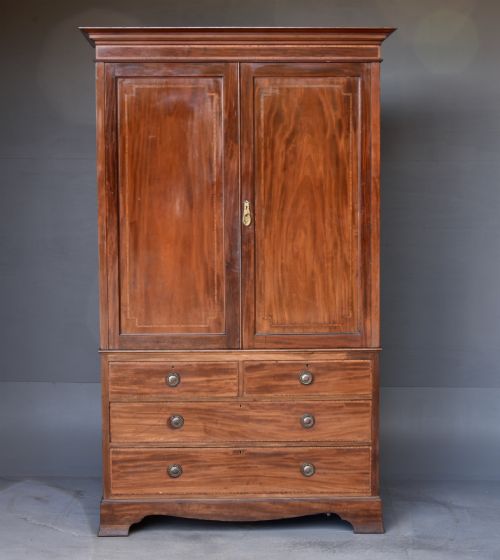
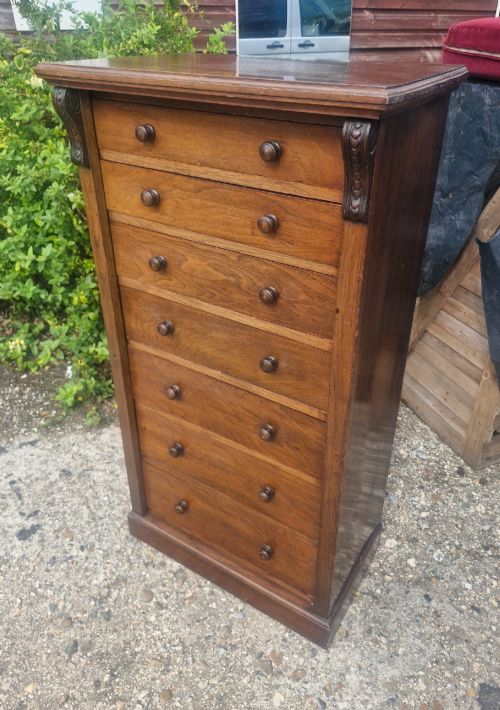
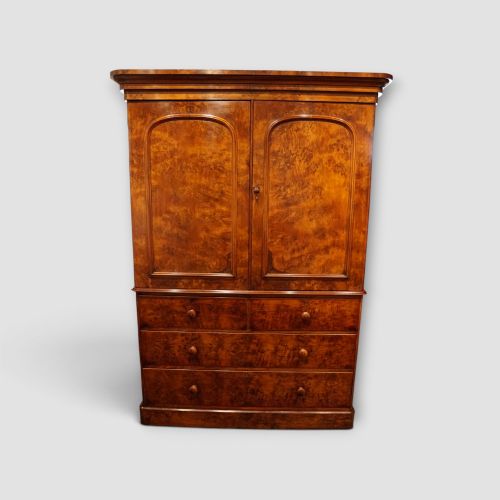
A victorian drawer cabinet encompasses a diverse range of nineteenth-century case furniture built for storage, from bedside chests and tall Wellington chests to multi-drawer collectors cabinets and apothecary units. The selection on this page leans heavily towards mahogany and pine bedside pairs, alongside large multi-drawer banks and linen presses originating from the Victorian and Edwardian eras.
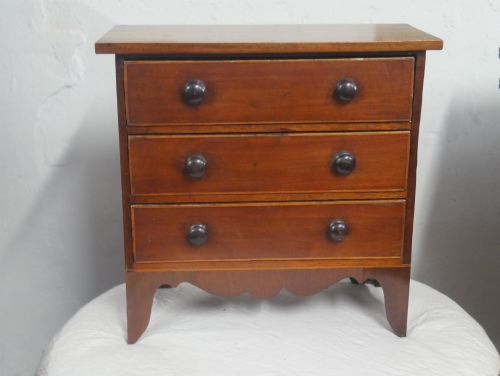
Makers designed these pieces for specific domestic, commercial and scientific uses, resulting in formats like shallow-drawer coin cabinets, shop haberdashery units and tall secretaire chests. Buyers often encounter pieces tailored for narrow spaces, such as pairs of three-drawer bedside chests or miniature apprentice pieces demonstrating cabinetmaking skill.
How They Were Made
Cabinetmakers relied on dense hardwoods like mahogany, walnut and burr walnut for formal pieces, alongside sturdy pine, oak and ash for utility furniture and country pieces. Timber was selected for grain movement and figure, particularly in burr walnut and figured mahogany applications.
Construction involved traditional joinery techniques paired with turned wood knobs, brass drop handles, brass locking mechanisms and glass panel doors where contents needed display or protection.
Listings feature woods spanning mahogany, burr walnut, pine, oak and ash across Victorian and Edwardian periods.
What Varies in Quality
Quality rests upon timber selection, carcass stability and the precision of drawer construction, where finely figured veneers and solid mahogany framing distinguish high-end commissions from utility workshop output. The complexity of the internal arrangement, such as multi-drawer locking stiles on Wellington chests or bespoke dividers in specimen cabinets, indicates the original tier of manufacture.
Original hardware, including stamped brass locks, escutcheons and matched turning, elevates a piece alongside documented provenance linking items to notable London retailers or provincial cabinetmakers.
maples & co·Warings Liverpool·Druce & Co·J.T.Crockett·Harrods of London
The Victorian Drawer Cabinet Glossary
- Wellington chest
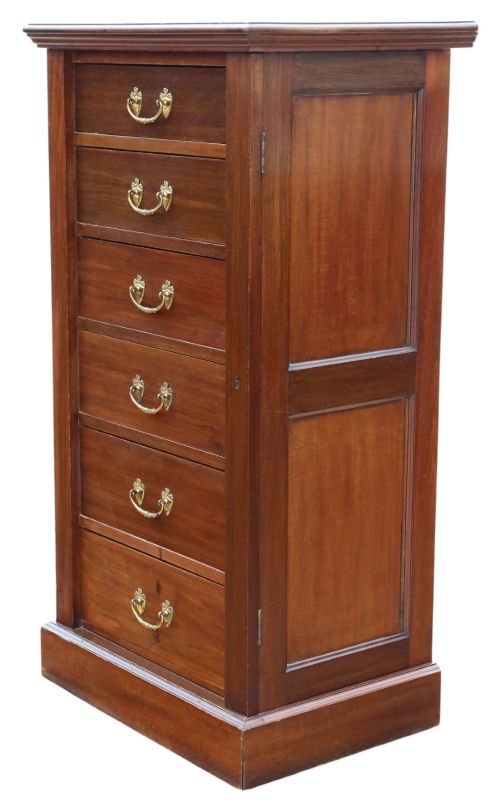
- A tall, narrow timber chest featuring a hinged locking stile on one vertical edge that secures all drawers simultaneously. This locking mechanism protected sensitive documents and valuable personal items in Victorian studies.
- Linen press
- A large storage cabinet combining upper sliding shelves or cupboard doors with a chest of drawers in the base section. They were designed to store household textiles flat.
- Collectors cabinet
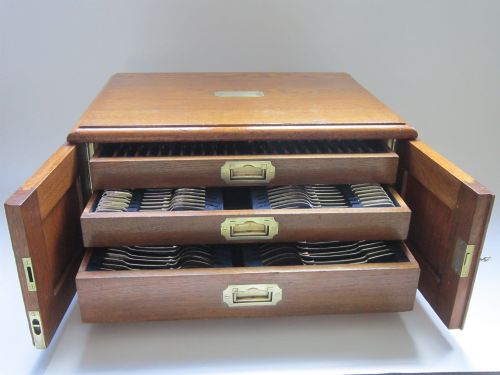
- A multi-drawer case built with shallow trays specifically to organise natural history specimens, coins, medals or geological samples. They frequently feature dust-proof internal door seals.
- Secretaire
- A cabinet incorporating a fitted writing drawer with a drop-front lid that conceals pigeonholes and small compartments. It merges desk functionality with standard drawer storage.
Victorian Drawer Cabinet: Frequently Asked Questions
What is a Wellington chest?
A Wellington chest is a tall, slender drawer cabinet distinguished by a vertical locking bar on one side that secures every drawer at once. It originated as a secure piece for papers and valuables in nineteenth-century studies.
These cabinets typically feature six to eight shallow drawers and sit comfortably in modern bedrooms or hallways as compact storage units.
How were apothecary cabinets used?
Apothecary and chemist cabinets were utilised in Victorian shops and surgeries to sort dry ingredients, tinctures, powders and medical instruments into rows of small, labelled drawers. Their dense configurations maximised storage space behind secure doors.
Today, these multi-drawer units function well in kitchens or studies for organising small dry goods, stationery or craft materials.
What is an apprentice piece?
An apprentice piece is a downscaled model of a larger chest of drawers or bureau built by a trainee craftsman to prove mastery of complex joinery to senior tradesmen. These miniature items showcase the exact dovetails and timber mouldings of full-sized furniture.
Collectors prize them for their portability and the exceptional care taken in their miniature construction.
How do I spot a collectors cabinet?
Collectors cabinets feature numerous shallow, dust-sealed drawers originally built to house coins, fossils, moths or botanical specimens. They often include panelled or glazed locking doors to protect fragile contents from light and handling.
Living with one offers versatile small-item storage for jewellery, keepsakes or art supplies while displaying period cabinetmaking.