

Victorian Doulton Ceramics
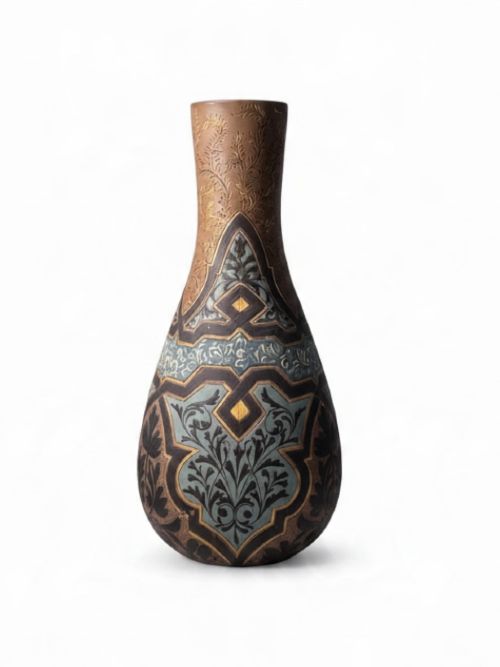
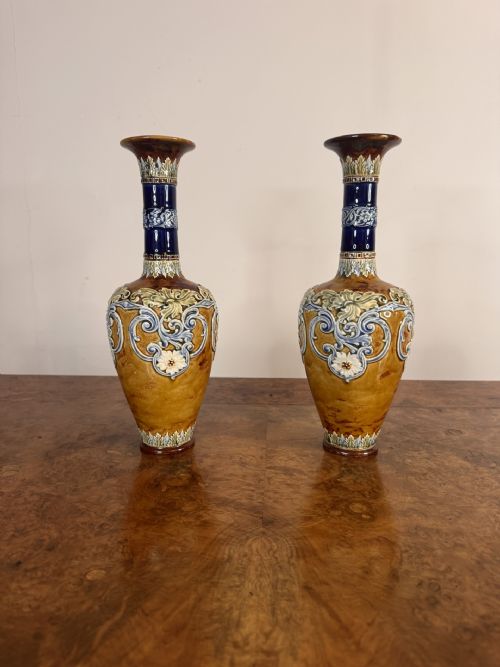
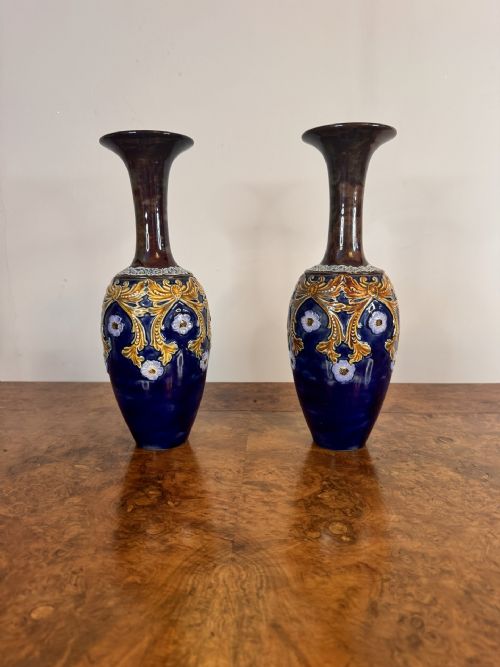
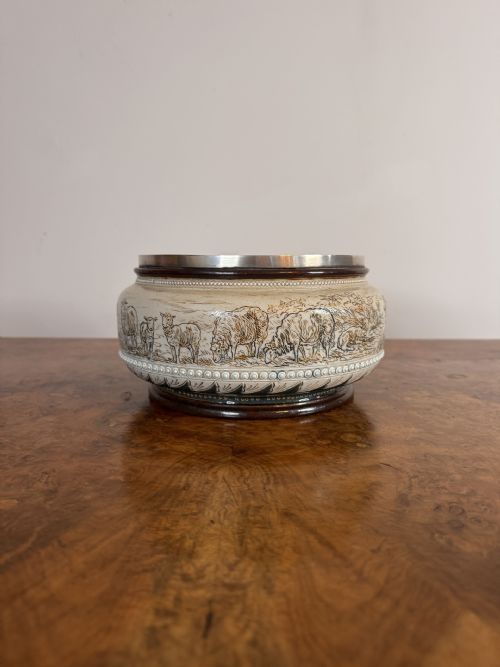
Victorian Doulton ceramics bring tactile weight and studio pottery artistry to a room, ranging from salt-glazed stoneware jugs to hand-painted porcelain vases.
Victorian Doulton Ceramics
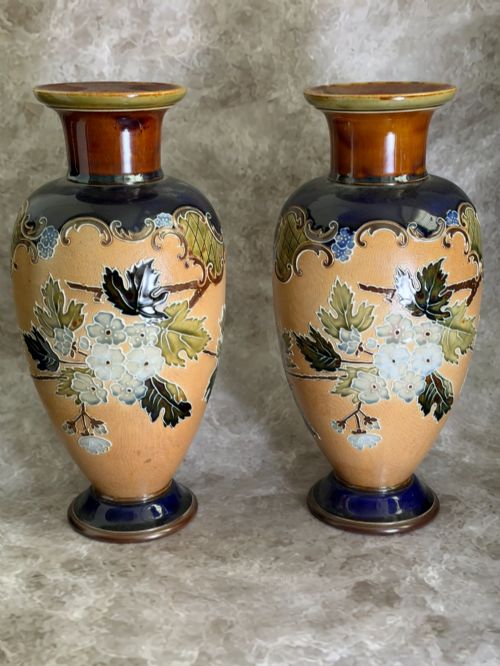
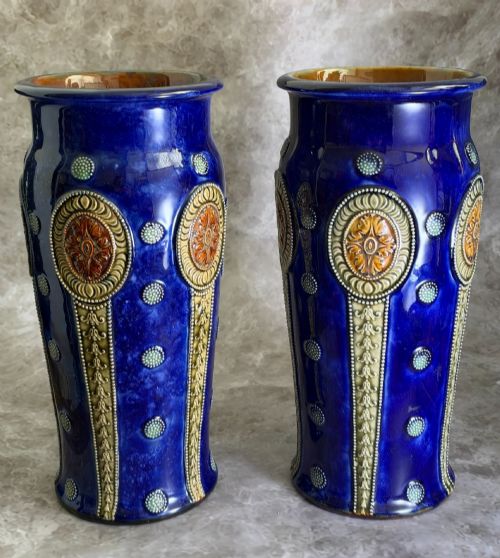
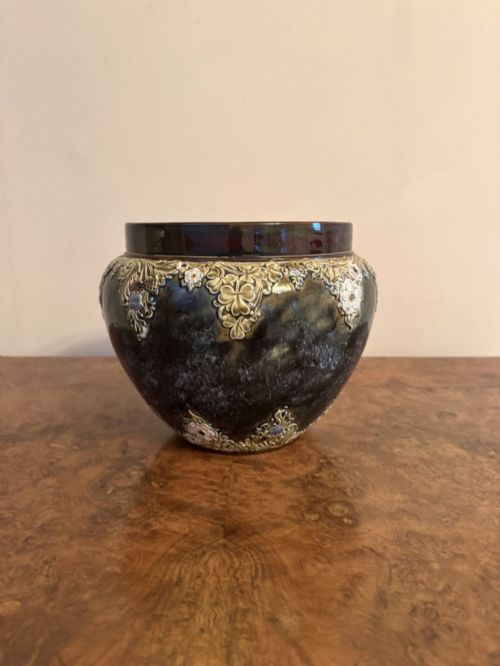
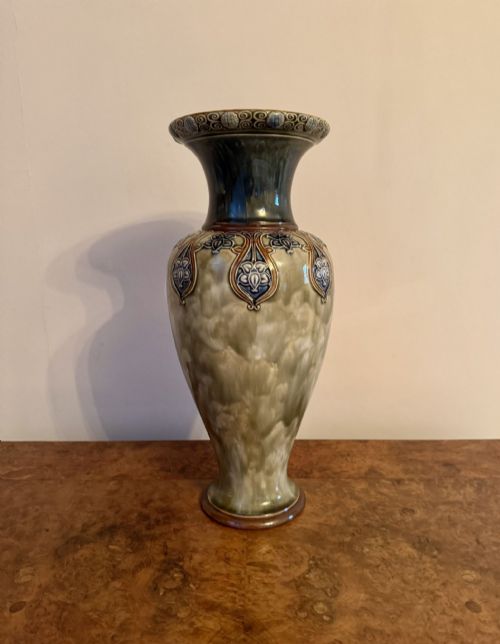
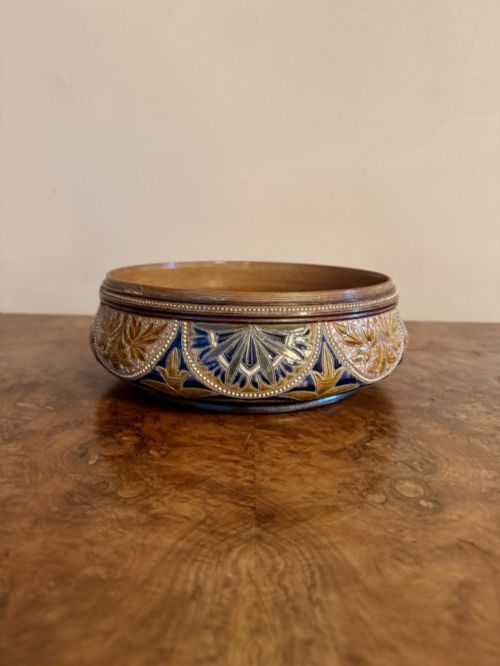
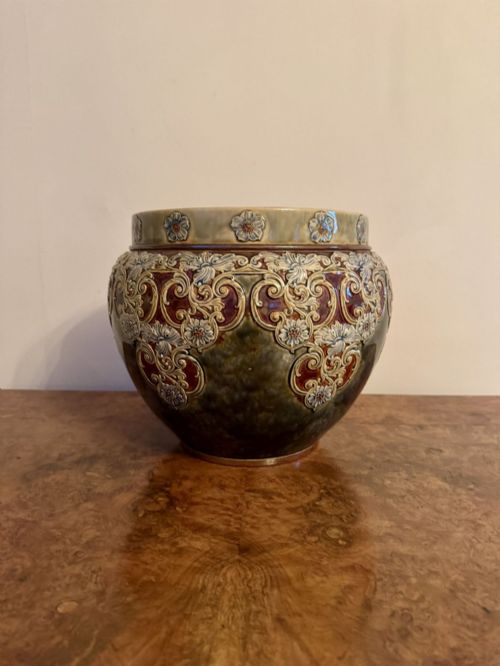
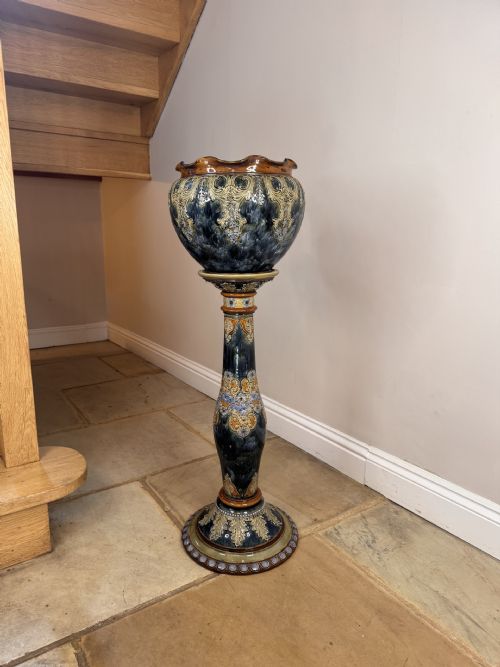
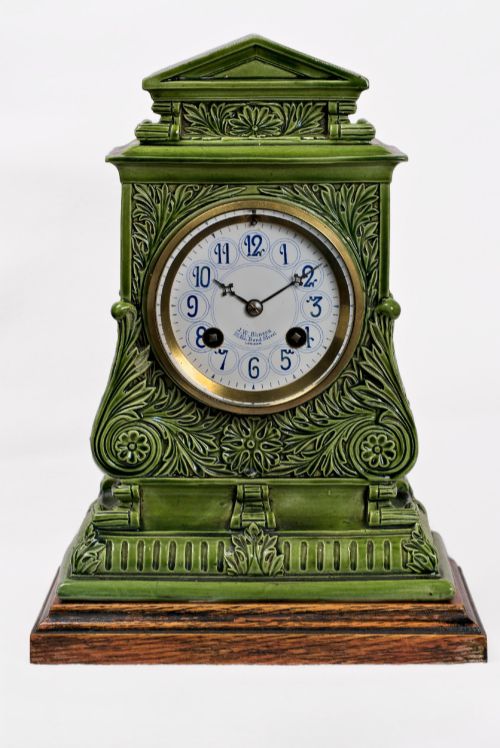
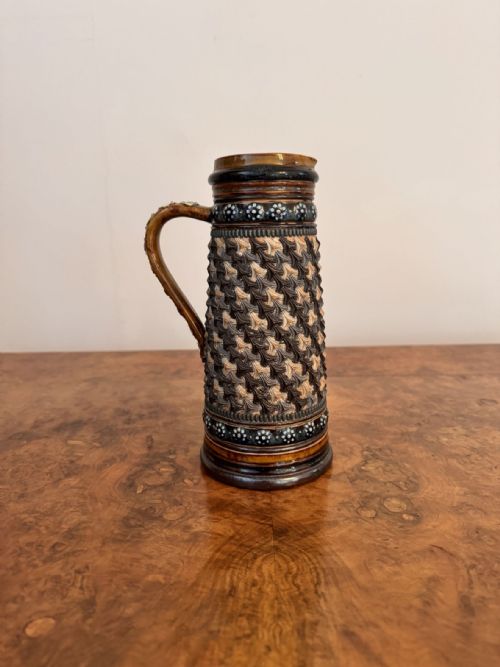
Victorian Doulton ceramics span robust salt-glazed stoneware, delicate porcelain cabinet dishes, and tin-glazed faience earthenware produced across the nineteenth and early twentieth centuries. Pieces found here lean heavily towards Doulton Lambeth stoneware jugs, ewers, and vases, alongside decorative jardiniere planters and Doulton Burslem porcelain.
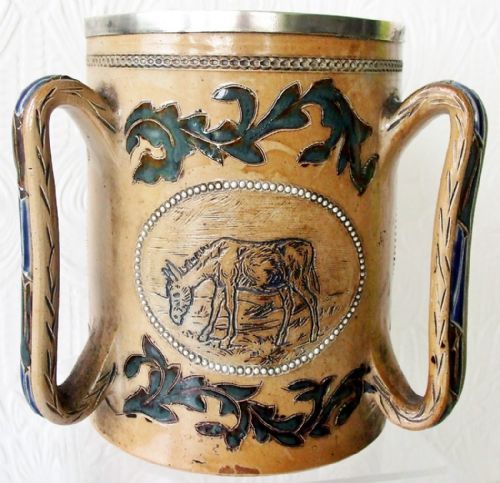
Makers and decorators operating within these workshops signed their work, leaving a clear trail from the 1870s through to the 1940s. Forms vary from simple harvest jugs and tygs with silver rims to elaborate Art Nouveau vessels and Slaters patent textures.
Judging quality in Doulton pieces
Quality rests on the crispness of the incised ornament and the identity of the artist who decorated the surface. Pieces bearing named studio hands demonstrate superior control in hand-painted detail and glaze application.
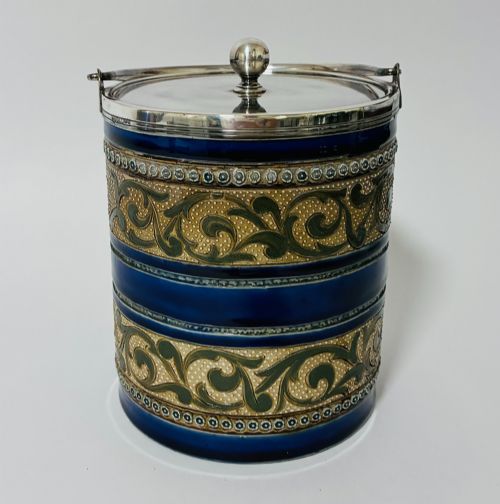
The integration of secondary materials, such as hallmarked silver rims or fitted silver-plated hardware, elevates a standard utilitarian vessel into an exhibition piece.
Victorian Doulton Ceramics Retail Price Guide 2026
Typical asking prices for victorian doulton ceramics among the pieces listed under this phrase on Sellingantiques today, from the lower quarter to the upper quarter. They describe what is for sale here now, not the wider market.
Materials span raw stoneware and earthenware alongside refined porcelain, silver plate, and gold leaf.
Hannah Barlow·Florence E. Barlow·Eliza Simmance·Alice Euphemia Thatcher·David Dewsberry
The Victorian Doulton Ceramics Glossary
- Stoneware
- A heavy, vitrified ceramic fired at high temperatures until impervious to liquid. It forms the durable foundation for the majority of Lambeth salt-glazed pieces.
- Faience
- Tin-glazed earthenware providing a smooth white ground for hand-painted botanical or pictorial scenes. It allows for vibrant painterly expression beneath a clear glaze.
- Slaters Patent
- A technique pressing real lace or woven textiles into moist clay to create textured, patterned surfaces. These areas were often highlighted with gold leaf or coloured enamels.
- Tyg
- A large drinking vessel featuring multiple handles designed for communal passing around a table. They frequently appear in heavy salt-glazed stoneware with silver rims.
- Intarsio
- A colourful earthenware developed by Doulton Burslem mimicking inlaid mosaic and tile designs. It utilises rich polychrome glazes within compartmentalised borders.
Victorian Doulton Ceramics: Frequently Asked Questions
What is the difference between Doulton Lambeth and Doulton Burslem?
Doulton Lambeth specialised primarily in salt-glazed stoneware, architectural terracotta, and studio art pottery with an emphasis on hand-incised decoration by named artists. Their output feels heavier, earthier, and deeply tied to the Arts and Crafts movement.
By contrast, Doulton Burslem focused on refined English porcelain and earthenware, producing delicate cabinet dishes, painted figurines, and tea wares with sophisticated floral motifs.
How can I date my Doulton ceramic piece?
Examine the impressed or printed factory marks underneath the base, as Doulton added specific culls and cipher stamps for different decades. Stylistic clues like Art Nouveau curves or Victorian aesthetic motifs also narrow down the production era.
Named decorator ciphers scratched into the clay provide a precise timeline when cross-referenced with studio records.
Where were these ceramics displayed originally?
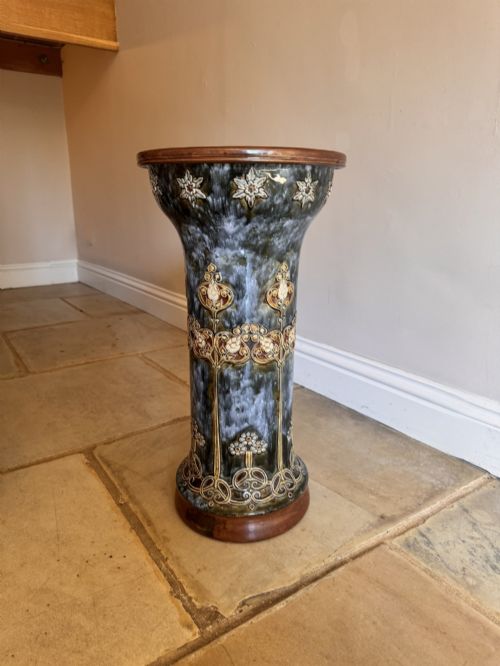
Jardinieres and large vases stood in prominent drawing room corners or fern stands during the late nineteenth century. Smaller jugs and beakers served practical functions on dining tables or sideboards before entering display cabinets.
Porcelain cabinet dishes and decorative plaques were meant strictly for visual appreciation on mantelpieces or within enclosed shelving.