



Victorian Double Chair
A victorian double chair offers paired seating within one frame, bringing formal conversation furniture into domestic spaces.
Victorian Double Chair
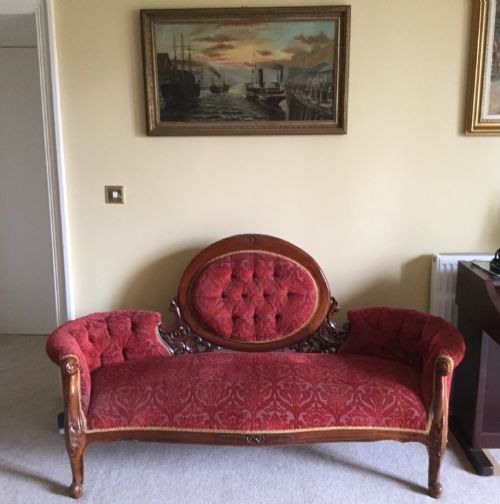
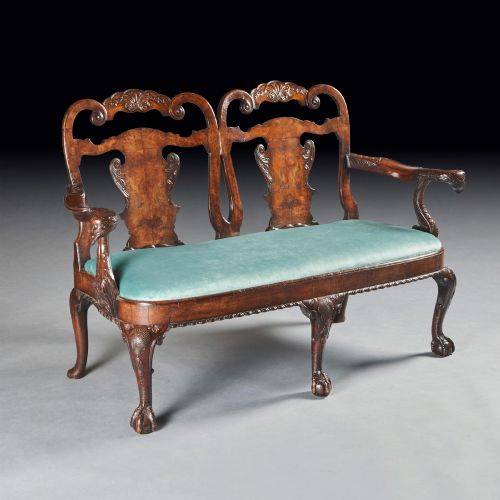
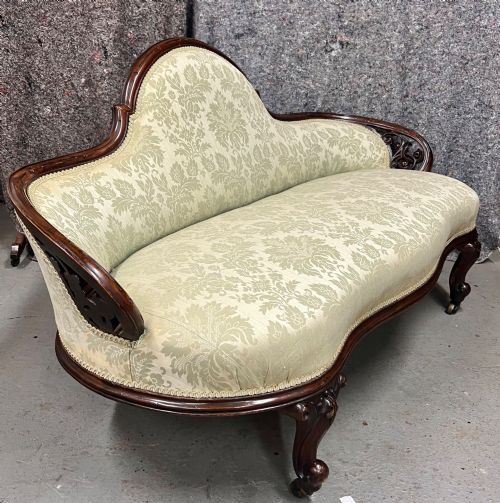
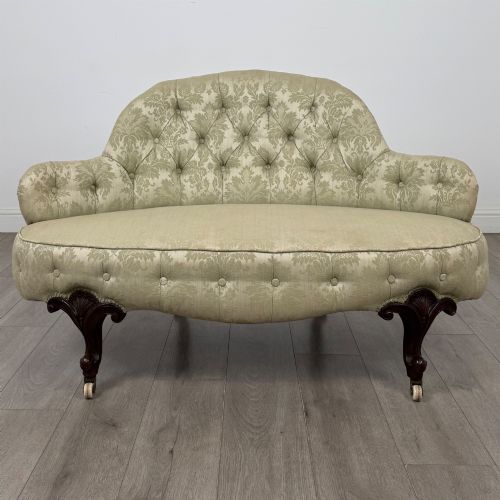
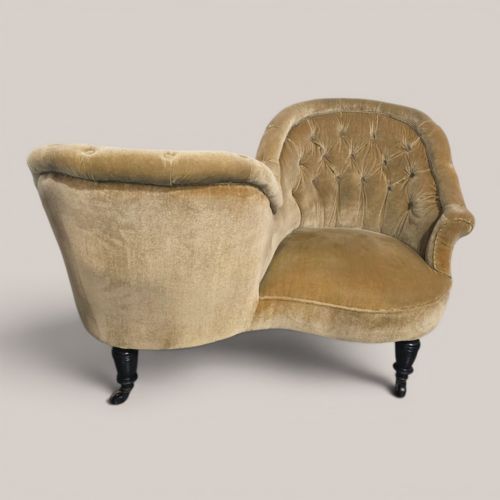
A victorian double chair typically takes the form of a twin back sofa, a conversation seat, or a double end settee designed for two people to sit together facing opposite or adjacent directions. These pieces emerge from the nineteenth century in various revivals and regional styles, utilising sturdy hardwoods like mahogany, walnut, oak, elm, and ash.
Buyers frequently encounter dual seating arrangements alongside related items such as twin chair back settees, double hoop armchairs, and double bar back dining chairs. The forms range from elaborate button back conversation seats with barley twist frames to simpler country kitchen chairs fitted with double stretchers.
How they were made
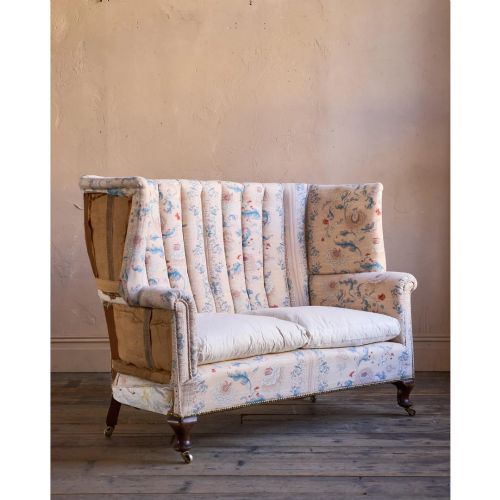
Upholstered versions involved complex internal springing systems covered in supportive padding and finished with textiles like velvet, damask, fabric, or ticking. Brass components occasionally appeared as castors or structural accents on sophisticated salon and conversation seating.
Listings feature brass, mahogany, walnut, fabric, velvet, damask, and hardwood across Victorian, Georgian Revival, and Rococo Revival styles.
What varies in quality
The degree of carving detail and the selection of timber grain set pieces apart, with figured walnut and rich mahogany representing the higher tiers of cabinetmaking. Refined proportion in twin backrests and intricate turning on supports distinguish sophisticated salon pieces from utilitarian regional furniture.
The execution of upholstery and the preservation of original frame construction dictate the integrity of each piece. Surviving textiles or historically sympathetic reupholstery in heavy brocade maintain the character intended by the nineteenth century maker.
Boston Chair Company·Howard And Sons
The Victorian Double Chair Glossary
- Showwood
- Timber frame components left visible around upholstered areas on a chair or settee. This exposed wood is typically polished walnut or mahogany.
- Double stretcher
- Two horizontal rails connecting the legs of a chair or settee for added rigidity. They appear near the base on kitchen and dining chairs.
- Conversation seat
- A multi-directional padded seat designed so two or more occupants face different angles. Frames often feature barley twist turnings and central padded backs.
- Twin chair back
- A sofa or settee backrest styled to resemble two separate chair backs joined side by side. This design echoes earlier Georgian patterns.
- Barley twist
- A carved wooden furniture leg or stretcher shaped in a spiral twist resembling barley sugar. It is a common decorative feature on nineteenth century walnut frames.
Victorian Double Chair: Frequently Asked Questions
What is a victorian double chair?
A victorian double chair is a piece of nineteenth century seating designed for two occupants, appearing as a twin back sofa, settee, or multi-directional conversation seat.
These forms allowed sitters to converse face to face or side by side within formal drawing rooms and parlours.
How were conversation seats used?
Conversation seats were placed in the centre of large rooms rather than against walls to facilitate social interaction and polite dialogue.
Their circular or S-bend configurations allowed occupants to turn towards each other comfortably.
What timbers were used?
Cabinetmakers utilised dense hardwoods including mahogany, walnut, oak, elm, and ash for structural frames and showwood details.
Finer salon pieces favoured polished walnut and mahogany, while sturdier regional chairs utilised oak and ash.
How do I identify the period?
Period identification relies on timber selection, joining techniques, upholstery styles, and revival motifs drawn from Rococo or Georgian designs.
Nineteenth century pieces often exhibit distinctive turned elements, heavy springing, and specific decorative framing like barley twist supports.