


Victorian Doorstops
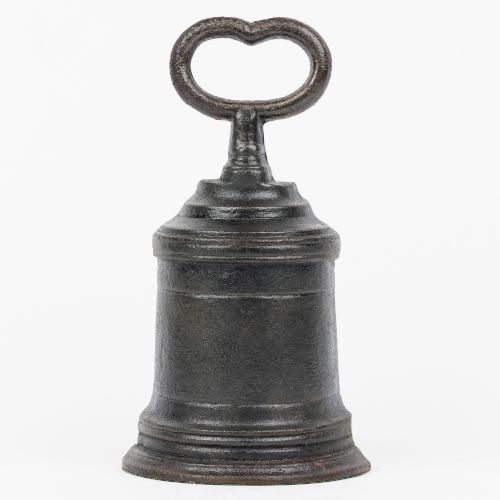
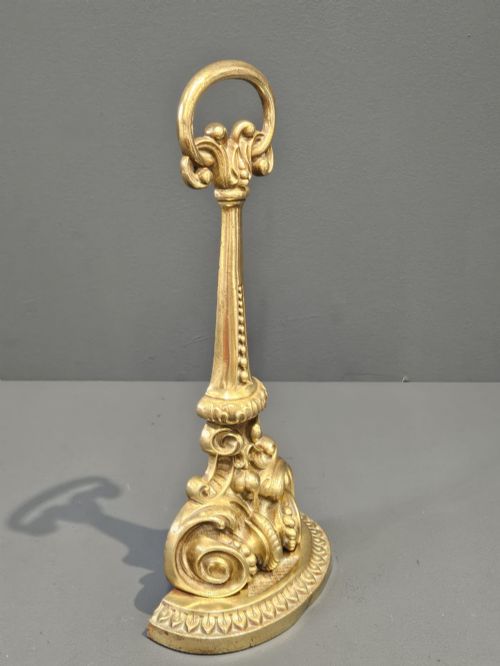
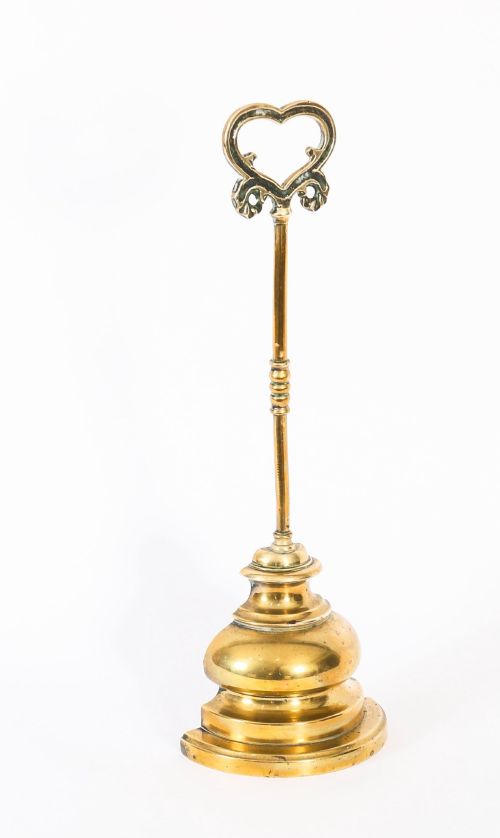
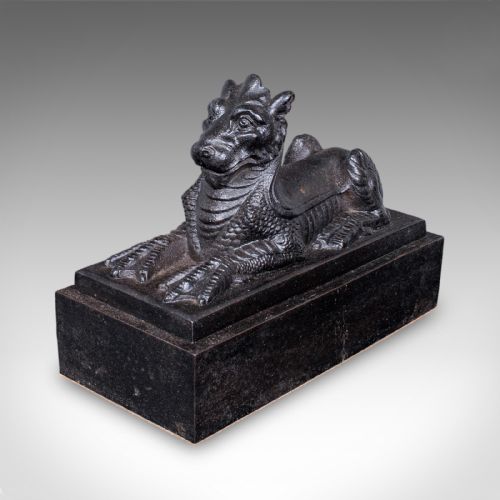
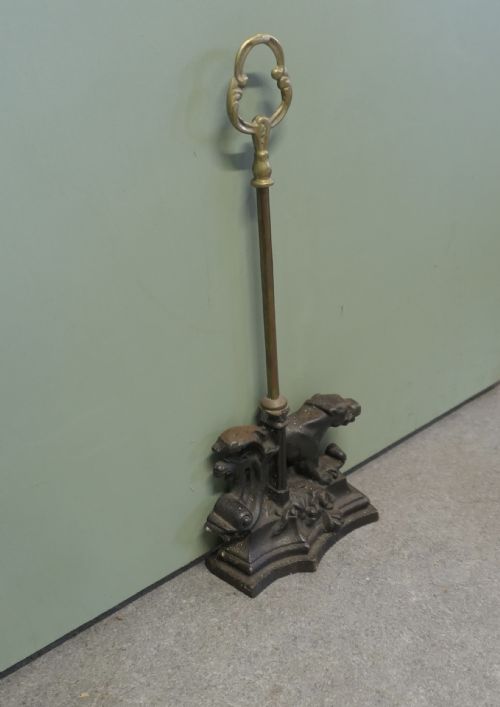
These Victorian doorstops keep heavy doors open with the substantial weight of cast iron and brass.
Victorian Doorstops
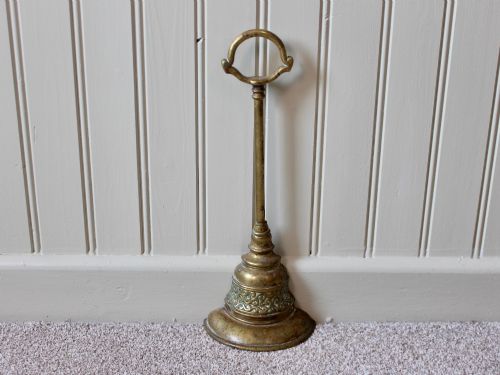
Victorian doorstops serve as heavy utilitarian objects designed to hold interior doors open within a house. When you search for Victorian doorstops, you encounter robust functional items that double as decorative ornaments for the hearth and hallway.
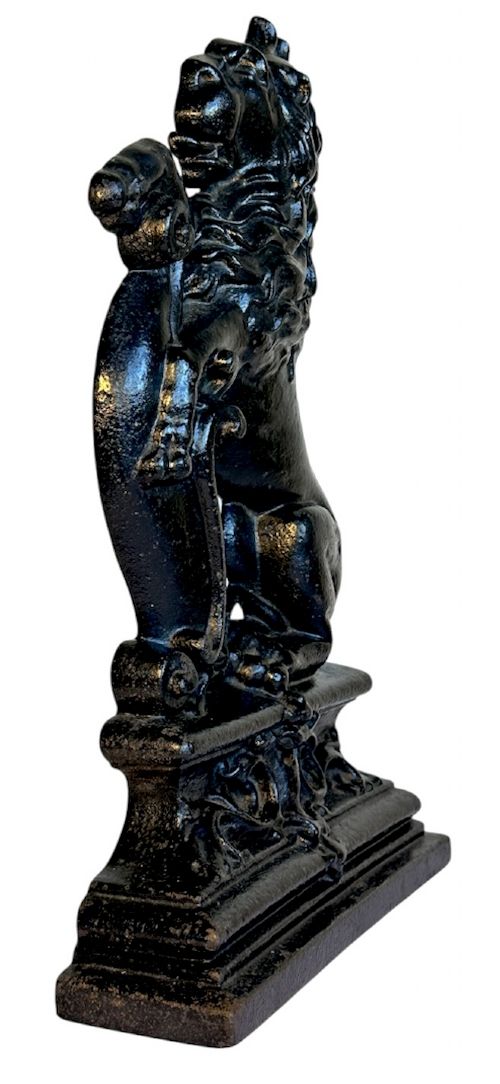
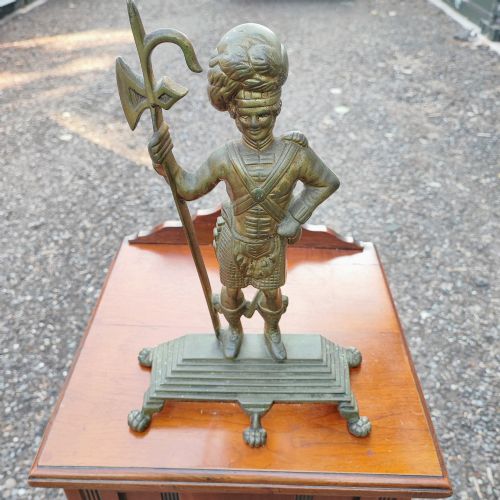
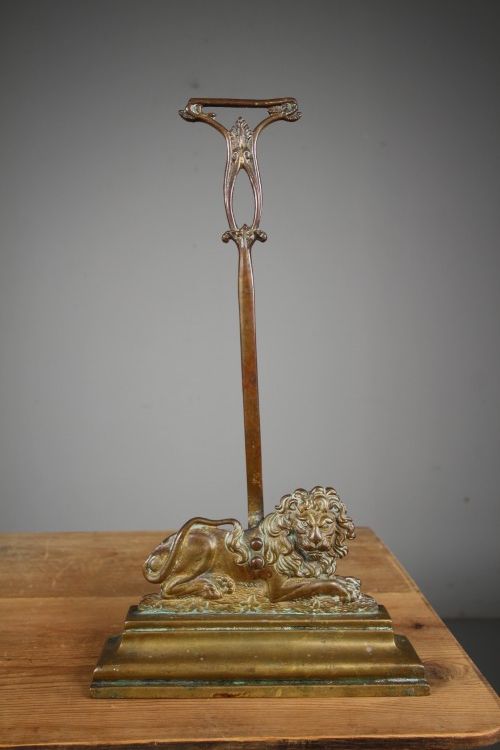
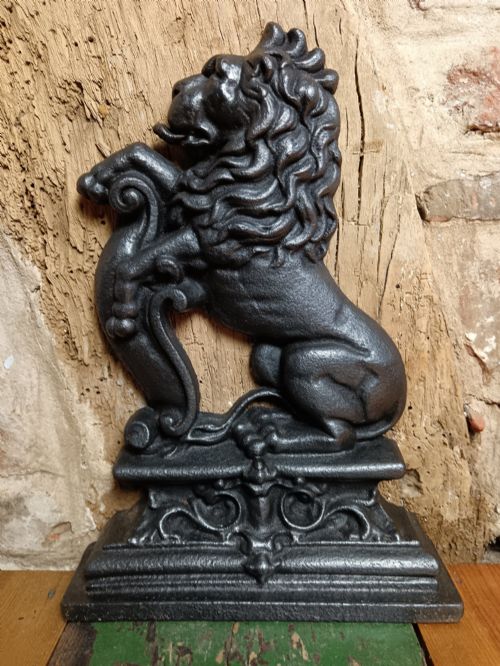
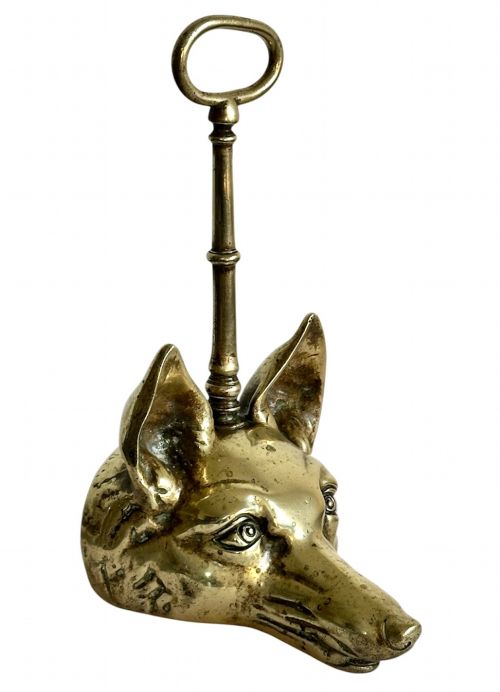
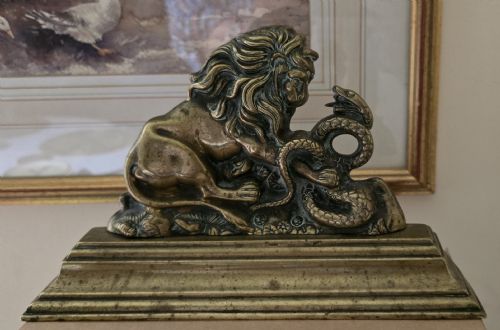
The objects take many forms, including heraldic animals, human figures, and domestic motifs. Lions, foxes, horses, and characters such as Mr Punch appear frequently across these listings.
Most pieces date from the nineteenth century, utilising durable metals to withstand daily domestic use. English country house and traditional Scottish styles appear alongside standard Victorian manufacturing.
Materials and Casting
Foundries utilised cast iron and brass as the primary materials for these heavy items. Metal was poured into moulds to create solid figurative forms, sometimes incorporating painted surfaces or polished brass finishes.
Listings feature cast iron, brass, and painted finishes applied to nineteenth century domestic objects.
Craftsmanship and Definition
Weight distribution and structural integrity separate standard examples from finer specimens. Heavier castings provide better practical function as door porters while retaining crisp sculptural detail.
Tonks·William Tonks·William Tonks and Sons
The Victorian Doorstops Glossary
- Door porter
- A heavy portable weight designed specifically to keep interior doors from swinging shut. These objects were moved from room to room as needed.
- Cast iron
- An iron-carbon alloy poured into moulds to create rigid, heavy items. This material forms the foundation of many utilitarian nineteenth century door keepers.
- Cast brass
- An alloy of copper and zinc shaped through liquid casting processes. It offers a brighter metallic appearance and resists corrosion in damp environments.
- Hitching post
- A sturdy vertical post or heavy decorative weight used historically for tethering horses. Certain equestrian forms share manufacturing techniques with doorstops.
- Grand Tour
- A traditional trip through Europe undertaken by upper-class young men to collect art and antiquities. Italian bronze statues sometimes served this secondary functional purpose.
Victorian Doorstops: Frequently Asked Questions
How heavy are these doorstops?
These objects possess substantial weight due to their solid metal construction, allowing them to hold heavy interior doors securely in place.
The mass comes from thick cast iron or solid brass bodies designed specifically to function as reliable door porters.
Where were they placed?
Doorstops were positioned on the floor near heavy interior doors in hallways, libraries, and drawing rooms.
They also served decorative roles near fireplaces when not actively holding doors open against draughts.
What subjects are most common?
Figurative designs dominate this category, featuring heraldic lions, sporting motifs like fox heads, and theatrical characters such as Mr Punch.
Equine subjects, Scottish soldiers, and domestic animals also appear regularly across nineteenth century production.