


Victorian Dome
A Victorian dome protects and frames delicate objects, bringing nineteenth-century interiors into focus with clear glass and sturdy bases.
Victorian Dome
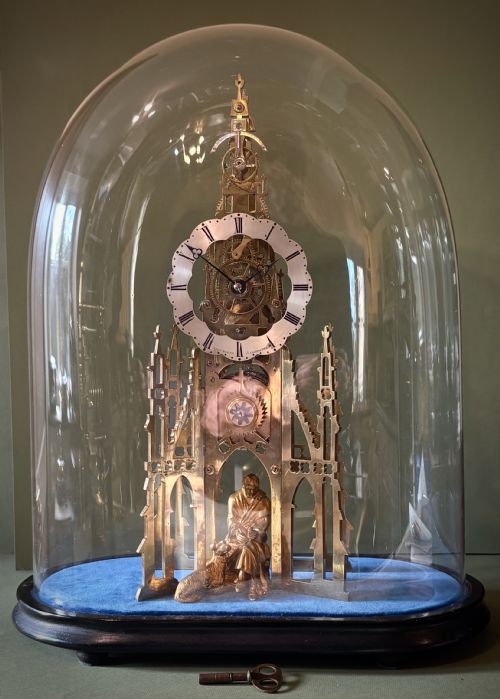
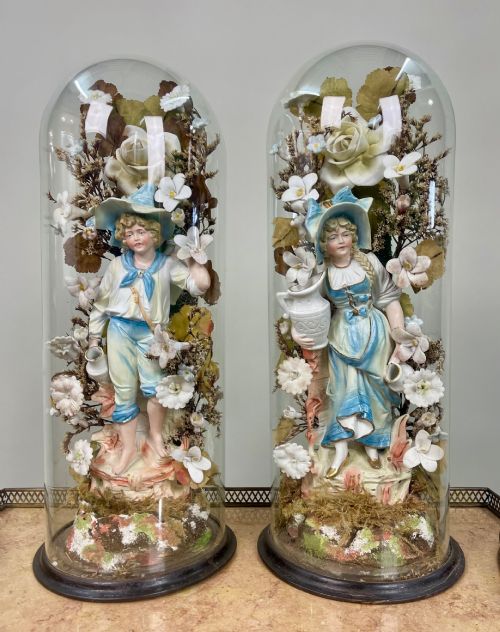
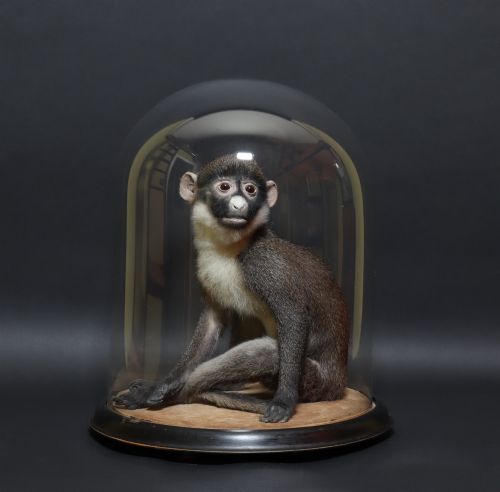
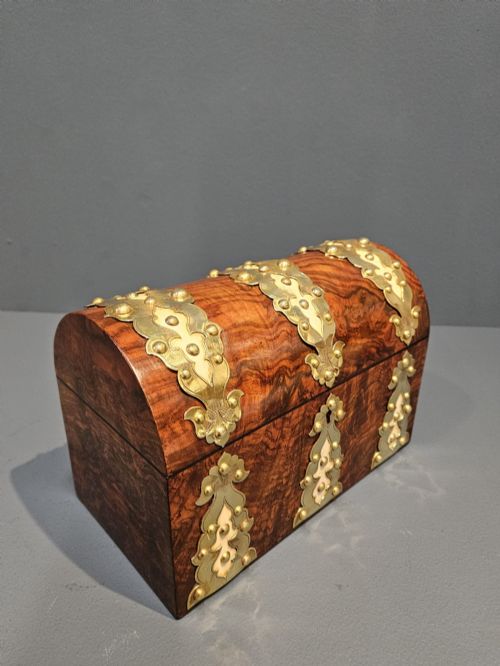
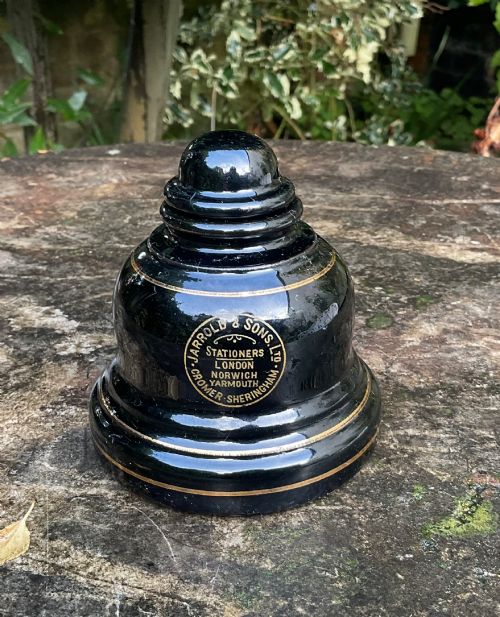
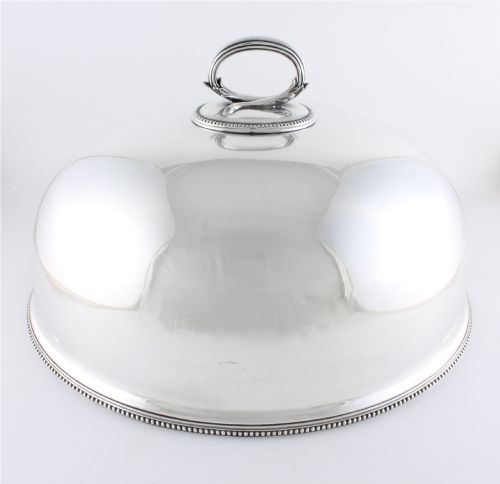
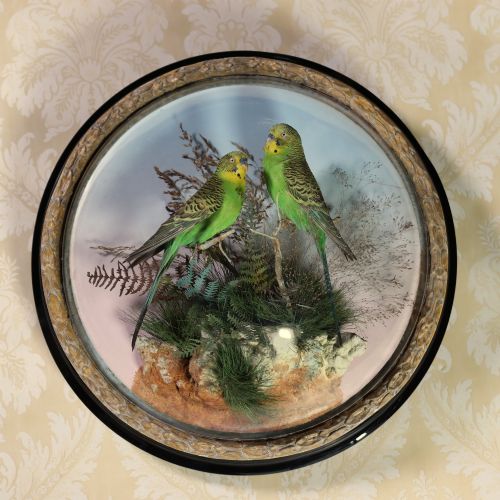
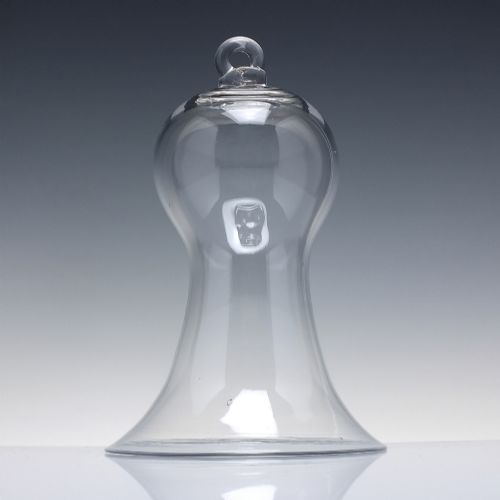
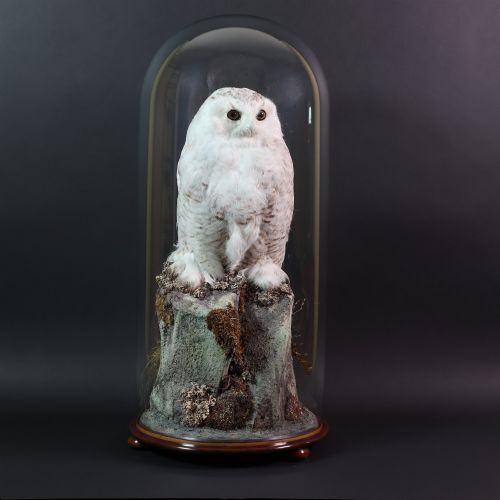
A Victorian dome offers a clear glass cover designed to showcase interior displays, from taxidermy birds and artificial feathers to clocks and decorative ceramics. These pieces originate across the nineteenth century and into the Edwardian era, spanning simple glass bells on timber stands to elaborate table settings.
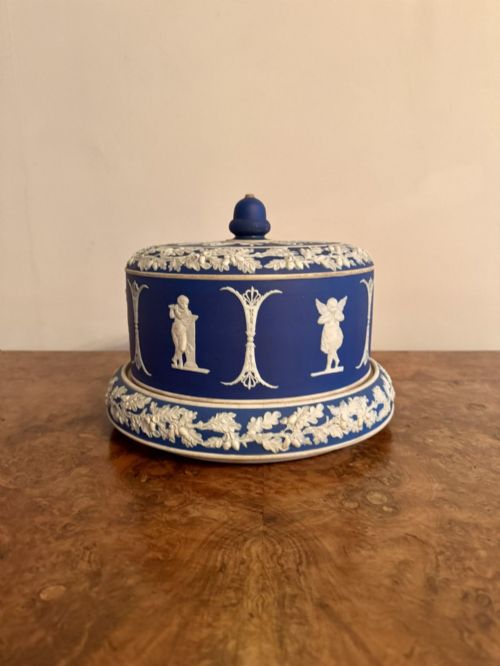
Ceramic versions appear frequently as cheese domes and covers in earthenware, ironstone, majolica, and jasperware, often paired with matching stands. These practical forms sat on dining tables to keep provisions fresh beneath fitted ceramic covers.
Enclosed glass shades also protect table lamps, mantel clocks, and delicate ornaments from dust. The form serves both a utilitarian kitchen purpose and a decorative nineteenth-century display function.
How they were made
Glass covers were mouth-blown or cast, leaving subtle variations and thickness appropriate to the period of manufacture. These transparent covers sit upon bases fashioned from wood, ebonised wood, mahogany, or ceramic.
Ceramic cheese covers employ earthenware, white ironstone, and majolica bodies moulded with relief patterns such as wheat, lattice, or basket weave. Stoneware and jasperware examples utilise precise press-moulding techniques common to nineteenth-century potteries.
Victorian Dome Retail Price Guide 2026
Typical asking prices for victorian dome among the pieces listed under this phrase on Sellingantiques today, from the lower quarter to the upper quarter. They describe what is for sale here now, not the wider market.
Victorian taxidermy displays sometimes sheltered cheerful singing birds alongside cautious albino rabbits beneath the same clear glass.
What varies in quality
The clarity and thickness of the glass distinguish simpler covers from finer display pieces, with older blown glass often displaying organic bubbles and gentle waviness. Bases constructed from solid mahogany or walnut with fitted brass mounts demonstrate higher cabinet-making standards than basic pine or painted metal equivalents.
Ceramic domes and stands show distinction in the crispness of moulded detail and the richness of the glaze, particularly on majolica or agate earthenware. Complete sets retaining both the original matching undertray and cover represent superior survival.
James Gardner·George Jones·Wedgwood·Richard Winter·Arthur Wannop
The Victorian Dome Glossary
- Dome
- A rounded glass cover used to enclose and protect fragile objects or foodstuffs. These clear covers sit atop matching wooden or ceramic bases.
- Cheese dome
- A specialised ceramic cover and stand designed to store cheese on the dining table. They frequently feature decorative moulded motifs such as foliage or basket weave.
- Majolica
- A colourful lead-glazed earthenware popular during the Victorian period. It provides vibrant tones on moulded decorative tableware.
- Jasperware
- A fine stoneware developed with a matte surface, typically featuring white relief decorations against a coloured background. It appears on nineteenth-century ceramic covers.
- Ironstone
- A durable heavy earthenware perfected in the nineteenth century for practical household vessels. It forms strong white bodies for domestic covers.
Victorian Dome: Frequently Asked Questions
What is a Victorian dome used for?
These glass covers protect delicate interior displays like taxidermy, clocks, and ornaments from dust in nineteenth-century rooms. Ceramic versions serve as table covers for cheese and provisions.
Their enclosed design keeps displays pristine while allowing clear visibility from every angle on tables and mantelpieces.
How do I clean a glass dome?
Use a soft damp cloth with mild soap for the glass, avoiding harsh abrasives that might scratch older material. Handle the heavy glass carefully away from edges.
Wooden or ceramic bases require gentle dusting rather than liquid immersion to preserve historic finishes and fitted mounts.
Are cheese domes waterproof?
Ceramic and earthenware cheese covers handle normal food contact and washing, though historic glazed bodies benefit from hand washing rather than machine cycles. Submerging antique earthenware risks moisture penetration through tiny crazing lines in the glaze.
Dry both cover and stand thoroughly before storing food items underneath.
How can I date a dome?
Dating relies on the materials of the base, the weight of the glass, and accompanying ceramic factory marks. Walnut, mahogany, and ebonised wood bases align with Victorian cabinet-making trends.
Pressed ceramic marks and registered registry numbers on earthenware pieces offer precise manufacturing years.