




Victorian Dome Mount
When you search for victorian dome mount, you meet the hardware that secures glass covers over taxidermy and keepsakes.
Victorian Dome Mount
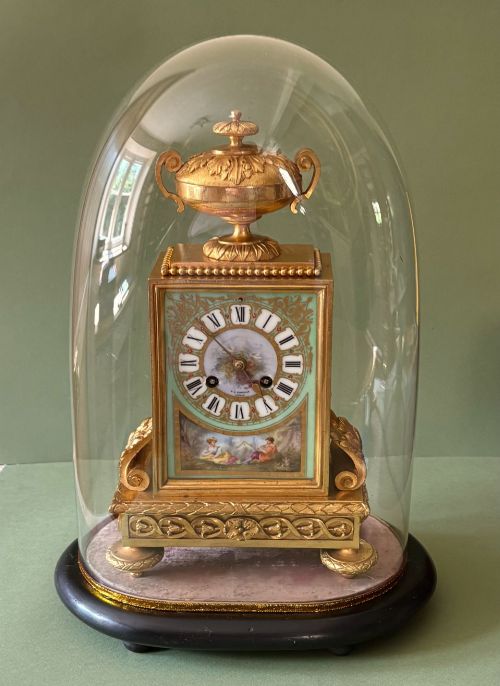
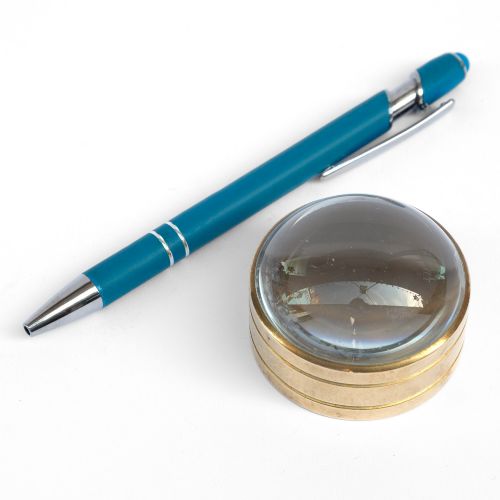
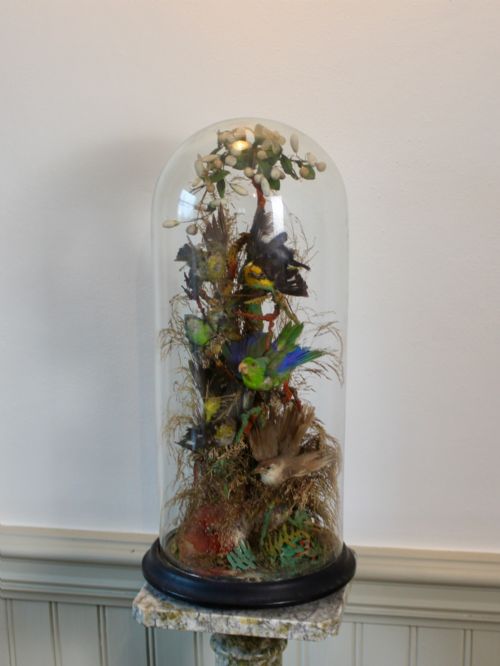
The phrase victorian dome mount directs attention to the sturdy brass collars and frames that secure glass display domes over taxidermy and decorative caskets. These fittings anchor glass covers on nineteenth-century stationery boxes, tea caddies, and mantel clocks.
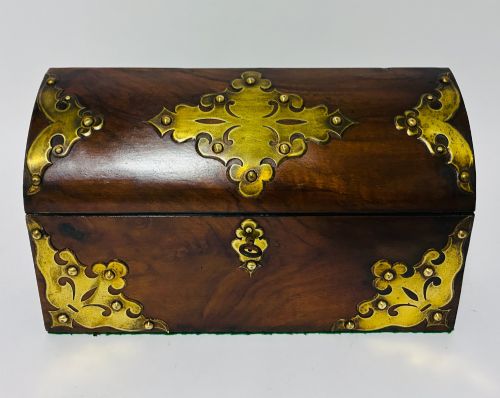
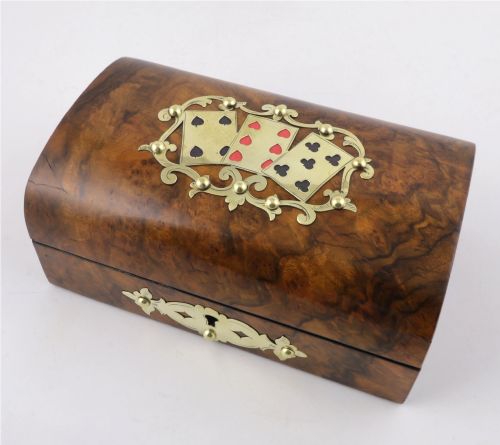
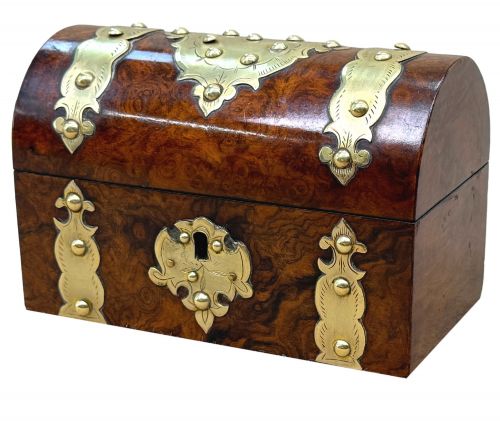
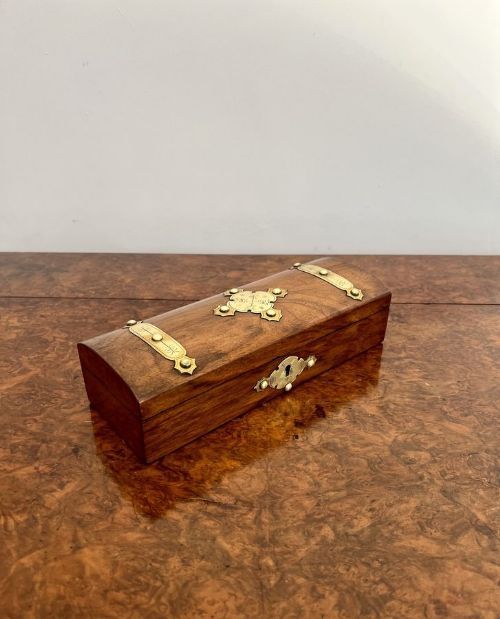
Most examples appearing here take the form of brass mounts and bindings applied to burr walnut, coromandel, and oak boxes featuring curved lids. The period spans the Victorian era through the early twentieth century, taking in Gothic Revival and Art Nouveau variations.
How they were made
Makers shaped heavy brass mounts to follow the curved profiles of domed wooden boxes and display covers. These metal elements were cast or rolled, then secured to timber carcases using small pins or screws.
Cabinet makers utilised dense exotic timbers like coromandel and burr walnut, fashioning the wood to match the sweeping contours required by the brass mounts. Glass components were blown and fitted directly into corresponding metal frames.
Victorian Dome Mount Retail Price Guide 2026
Typical asking prices for victorian dome mount among the pieces listed under this phrase on Sellingantiques today, from the lower quarter to the upper quarter. They describe what is for sale here now, not the wider market.
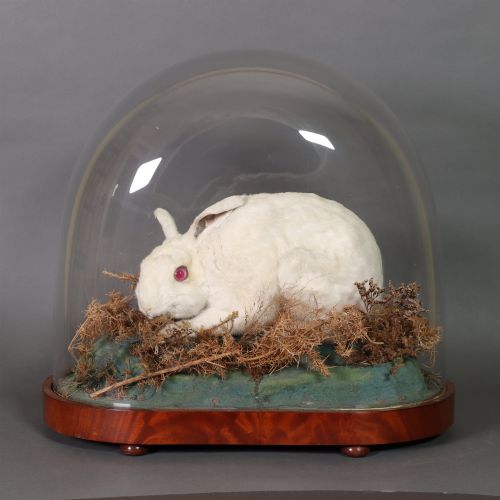
Albino rabbits peered out from beneath glass domes while polite society poured tea nearby.
What varies in quality
Superior pieces display heavier gauge brass work with crisp detailing, fitted to dense timbers that show rich natural grain patterns. Lower tiers rely on thinner brass sheeting attached to plainer woods with simpler joinery.
The integration between the metal mount and the underlying material separates finer examples from standard production. Well-executed mounts follow the curves of the wood precisely without gaps or protruding fixings.
James Gardner·A Pollard·Trussell Brighton
The Victorian Dome Mount Glossary
- Dome Mount
- The metal collar, rim, or bracket that secures a glass dome or fits a curved box lid. This hardware provides structural stability to fragile displays.
- Coromandel
- A dense, heavily figured timber imported from Asia and used for luxury Victorian boxes. Its dark grain contrasts sharply with bright brass mounts.
- Burr Walnut
- Wood taken from the growth excrescences of walnut trees, yielding complex swirling patterns. Cabinet makers prized this veneer for high-end stationery boxes and caskets.
- Taxidermy Dome
- A glass cover mounted on a wooden or brass base to protect preserved birds or animals. These enclosures were popular decorative objects in the nineteenth century.
- Gothic Revival
- An architectural and decorative style that influenced Victorian design through pointed arches and heavy ornamentation. Pieces in this style often incorporate robust brass strapwork.
Victorian Dome Mount: Frequently Asked Questions
What is a victorian dome mount used for?
These metal elements secure glass covers over taxidermy displays or reinforce the curved lids of wooden caskets.
They provide both structural support and decorative framing for nineteenth-centurydomeds objects.
How do I identify a victorian piece?
Examine the materials, construction methods, and metalwork styles typical of the nineteenth century.
Look for dense timber carcases combined with heavy brass mounts characteristic of the period.
What woods are common on these items?
Makers frequently utilised burr walnut and coromandel for high-end boxes and stationery caskets.
Oak and various figured woods also appear across the nineteenth-century examples.
How should I clean brass mounts?
Gentle dusting with a dry cloth preserves the aged patina on nineteenth-century metalwork.
Avoid harsh chemical polishes that strip away the historical surface character.