




Victorian Dinner Bell
A victorian dinner bell summons the household with weight and brass resonance, offering a functional antique that grounds a dining room.
Victorian Dinner Bell
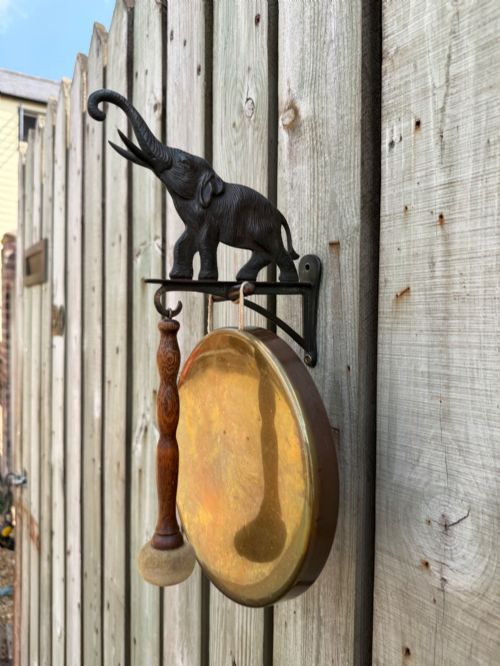
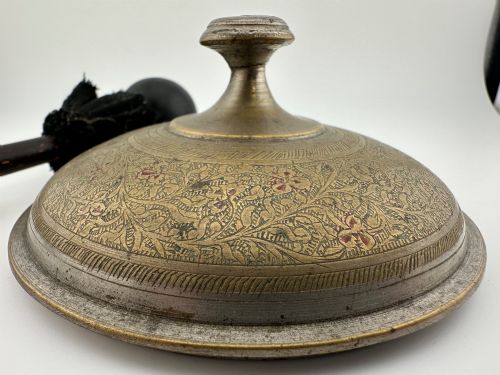
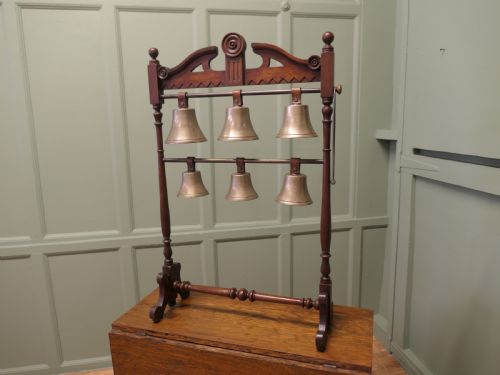
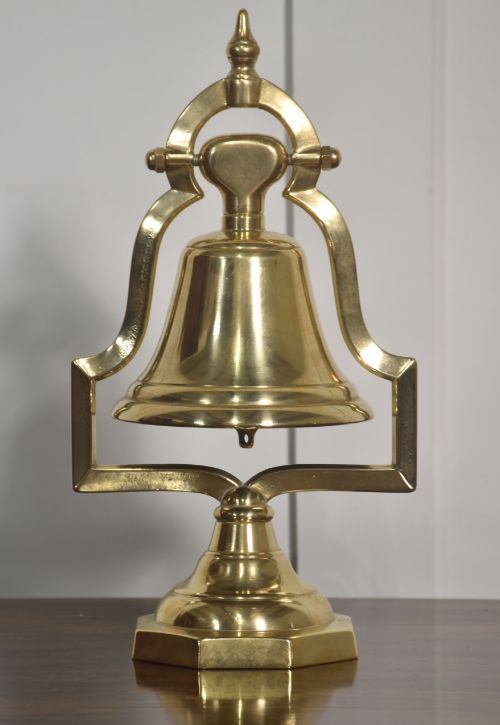
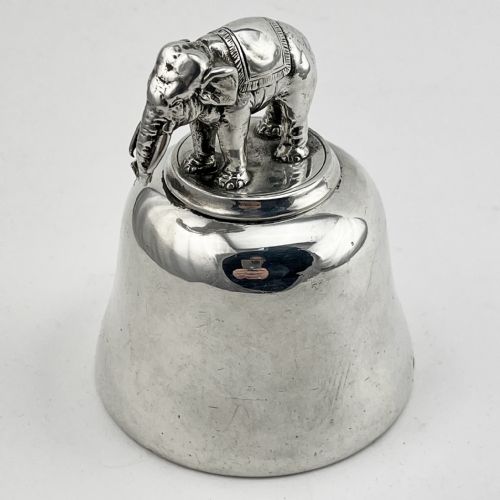
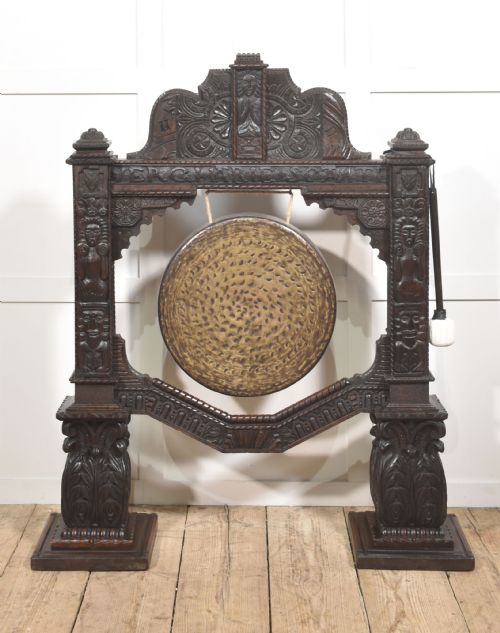
A victorian dinner bell encompasses table bells, gongs, and wall chimes used historically to call household members to meals. The pieces appearing most frequently combine brass bells or gongs with wooden frames, particularly in oak and walnut.
The selection spans table gongs, hand bells, and larger framed dinner gongs originating from the nineteenth century into the early twentieth century. Styles range from simple brass desk models to carved oak frames and imported Japanese or Indian designs.
Makers utilised various formats, from multi-bell musical racks to single hand-held bells mounted on iron brackets. Buyers encounter both domestic English pieces and international decorative examples reflecting nineteenth-century taste.
How they were made
Metal components rely on cast bronze, brass, silver plating, and iron, shaped into bells or gongs that produce clear, sustained tones. Workshops cast these metals to achieve resonance, pairing them with strikers in wood or metal.
Frames and stands employ carved hardwoods including oak, walnut, and various other timbers. Joinery and mounting brackets secure the swinging gongs or bells within their wooden structures.
Listings feature items dated across the nineteenth century and early twentieth century, utilising brass, oak, bronze, and wrought iron.
What varies in quality
Quality rests in the acoustic clarity of the metal and the depth of its resonance when struck. Superior examples produce a clean, lingering tone rather than a dull thud.
Construction standards distinguish simpler items from finer works through the precision of wood carving, the weight of the cast metal, and the sturdiness of the mounting brackets.
The Victorian Dinner Bell Glossary
- Dinner Gong
- A suspended metal disc or bowl struck with a mallet to produce a deep tone. These resonant items usually hang within a wooden or iron frame.
- Table Bell
- A small hand-held or desk-mounted bell designed for indoor signalling. They appear in brass, bronze, and silver-plated finishes.
- Gothic Revival
- A nineteenth-century design movement drawing inspiration from medieval architecture. Pieces in this style often feature pointed arches and heavy carved oak.
- Japonisme
- The influence of Japanese art on Western design during the late nineteenth century. Such items incorporate Eastern motifs and bronze work.
Victorian Dinner Bell: Frequently Asked Questions
How do you clean brass dinner bells?
Maintenance involves removing dust with a soft, dry cloth to preserve the aged surface. Avoid harsh chemical polishes that strip away historical patina.
Wooden frames benefit from occasional treatment with appropriate furniture wax to nourish the timber without affecting the metal components.
What is the difference between a gong and a bell?
Bells are cup-shaped vessels that vibrate outward from the rim when struck by an internal clapper or external mallet. They produce a higher, bell-like chime.
Gongs consist of circular plates or suspended discs that create a deeper, more resonant sound when hit with a wooden striker.
Where were these bells used in the home?
Dinner bells and gongs traditionally stood in hallways, dining rooms, or kitchens to summon residents and guests to the table. Hand bells also served as desk accessories or school signals.
Larger framed gongs often hung in prominent entrance halls so the sound carried across multiple rooms.
How do you date a nineteenth-century dinner bell?
Dating relies on examining the materials, construction methods, and stylistic cues such as Gothic Revival or Art Nouveau motifs. The combination of cast brass and carved oak frequently points towards the late nineteenth century.
Maker marks, registration numbers, or specific mounting hardware can also help narrow down the period of manufacture.