


Victorian Dining Table Centerpiece
A victorian dining table centerpiece anchors the formal dining room with height, candlelight, or displayed fruit, bringing nineteenth-century splendour directly to the table.
Victorian Dining Table Centerpiece
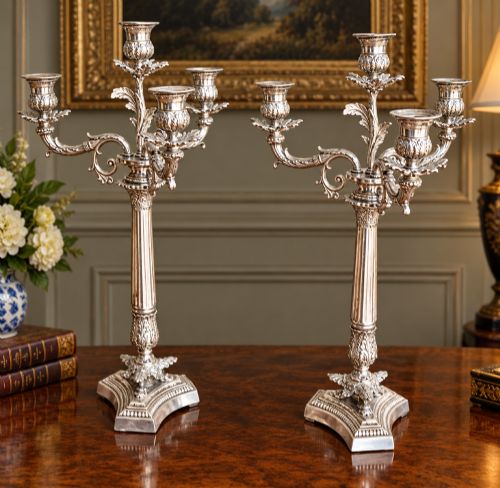
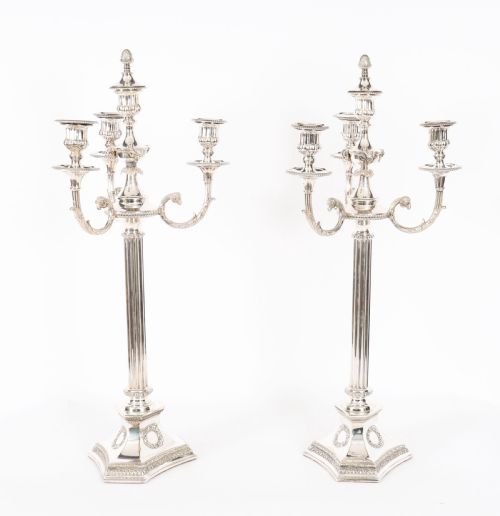
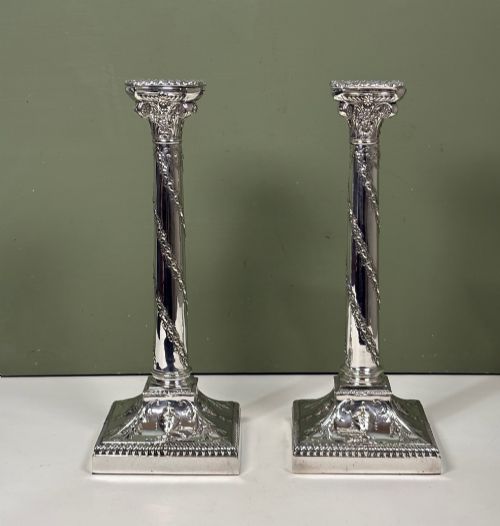
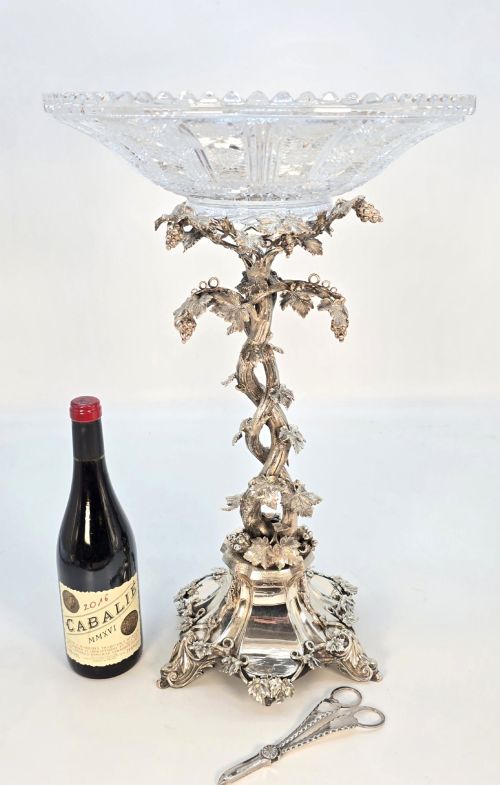
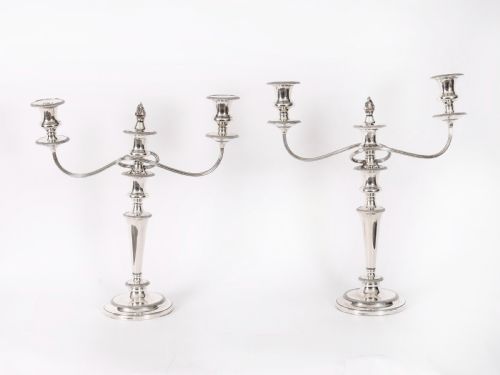
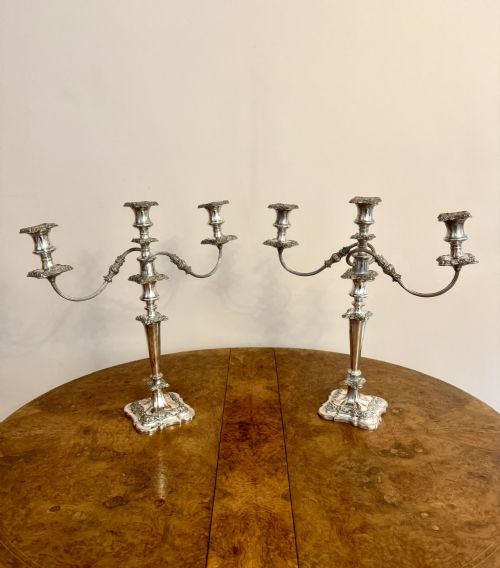
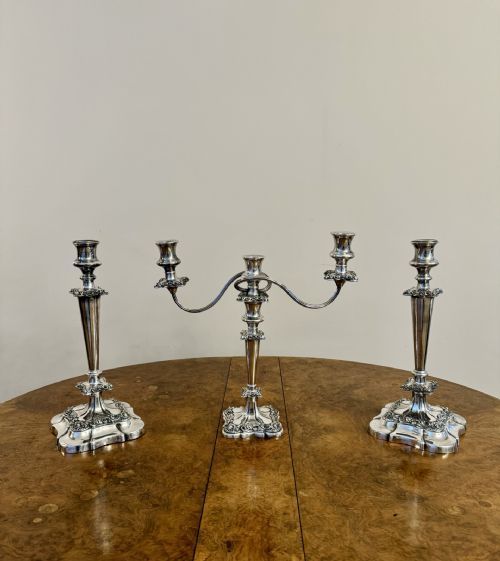
When you search for a victorian dining table centerpiece, you encounter large candelabras, tiered epergnes, and silver-plated vessels designed to dominate the middle of the dining table. The pieces recorded here span from the middle decades of the nineteenth century through to nineteen hundred, showing the evolving tastes of the period.
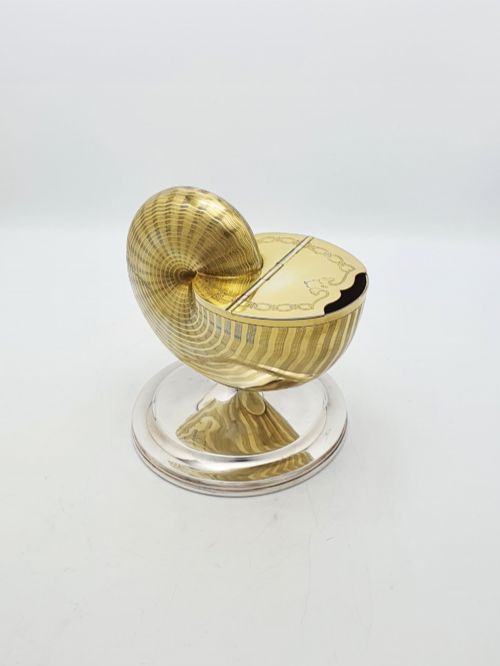
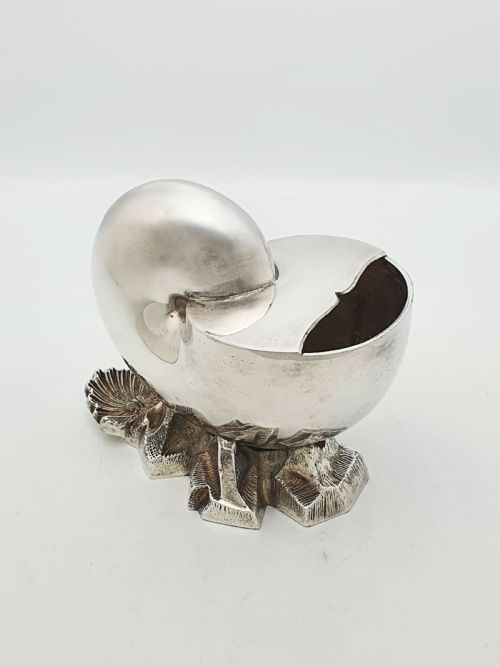
The selections on this page lean heavily toward silver-plated and sterling silver candelabras, alongside cut glass epergnes, novelty spoon warmers in shell forms, and revolving lazy susans in mahogany or metal. These objects served practical functions during grand meals while offering sculptural display for flowers or light.
Makers and manufacturers from Sheffield and London produced much of this work, employing styles that shift from strict classical revival to ornate naturalism and rococo curves. Buyers find both matching pairs of multi-branch candelabras and singular towering centrepieces intended as the focal point of a formal interior.
Materials and construction
Silversmiths and manufacturers built these objects using solid sterling silver or through electroplating silver onto base metal or EPNS, a technique that democratised heavy metal presentation wares during the nineteenth century. Sheffield plating and heavy silver deposits over copper or Britannia metal provide the durable surfaces seen on the candelabras and cruet sets.
Glass components, particularly in the epergnes and table centrepieces, combine cranberry or ruby hues with intricate cut and etched patterns. Artisans also turned solid mahogany for rotating lazy susans and shaped base metals into figural motifs like cherubs, lyres, and nautilus shells.
Listings feature silver plate, sterling silver, and cut glass across nineteenth-century forms including candelabras, epergnes, and rotating lazy susans.
Judging quality and execution
The division between standard production and top-tier work rests on the crispness of casting and the depth of hand-chasing on the silver plate or sterling surfaces. Superior candelabras and centrepieces retain sharply defined foliage, figural details, and heavy gauge metal that resists bending under the weight of multiple branches.
In glass elements, quality shows in the richness of the cranberry colour, the weight of the blown crystal, and the precision of the hand-cut flutes and etchings. Maker attribution to notable firms like Elkington, Walker & Hall, or Garrard also marks out superior workshop origins.
Garrard & Co·Walker & Hall·Elkington·James Deakin
The Victorian Dining Table Centerpiece Glossary
- Epergne
- A tiered centrepiece featuring a central trumpet vase surrounded by smaller hanging baskets or bowls, typically rendered in glass and silver plate for holding fruit or flowers. These structures rise high above the table surface.
- EPNS
- Electroplated Nickel Silver, a common base material for nineteenth-century dining wares where a thin layer of pure silver coats a durable nickel brass alloy. This process created the appearance of solid silver at a lower production cost.
- Candelabra
- A branched candlestick holding multiple lights on a single stem, frequently utilised as a prominent table centrepiece during formal nineteenth-century dining. They often feature detachable sconces for easier cleaning.
- Spoon Warmer
- A novelty vessel shaped like a nautilus shell, ammonite, or marine creature, heated with hot water to keep serving spoons warm on the Victorian dining table. They represent the playful side of nineteenth-century tableware.
- Lazy Susan
- A revolving tray placed in the centre of the table to allow diners to share dishes easily, constructed in periods like the nineteenth century from carved mahogany or heavy silver plate.
Victorian Dining Table Centerpiece: Frequently Asked Questions
How do I clean silver plated items safely?
Silver plated wares require gentle cleaning with non-abrasive silver foams and soft cloths to preserve the underlying metal plate. Avoid harsh dips that strip the antique patina from recessed areas.
Regular dusting and careful handling keep the electroplated surface bright without wearing away the historical finish.
What is a spoon warmer?
Spoon warmers were novelty table items filled with hot water to keep individual spoons warm before serving soup or broth. They often took whimsical natural forms like nautilus shells or sea creatures.
These pieces sat directly on the dining table or sideboard as both functional tableware and conversation starters.
How do I date a nineteenth century candelabra?
Dating relies on stylistic clues like rococo revival curves or neoclassical symmetry, alongside maker marks stamped into the base metal or silver plate. Hallmarks on sterling pieces provide exact assay office years.
Heavy cast construction and screw-in branch joints typically point toward the middle and later decades of the nineteenth century.