
Victorian Dining Seats
When sourcing victorian dining seats, collectors choose between formal mahogany sets and sturdy country elm chairs designed for daily family life.
Victorian Dining Seats
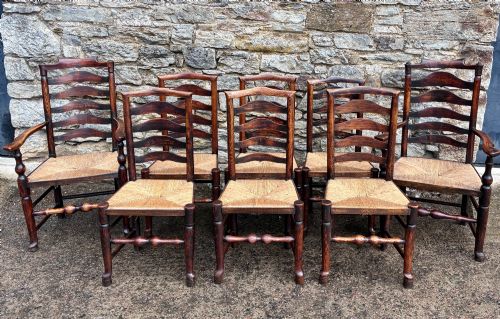
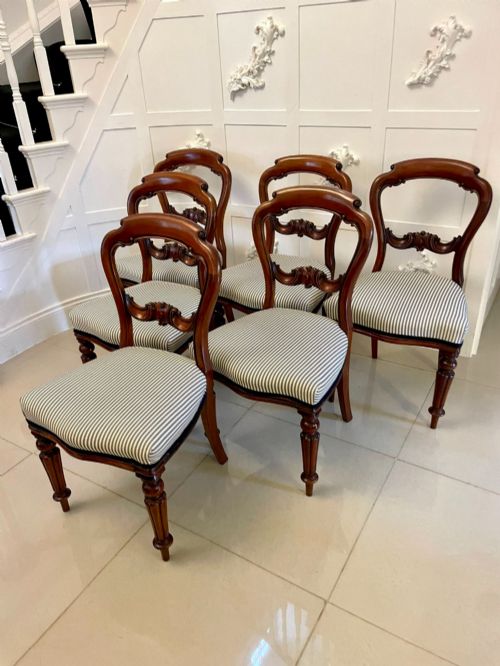
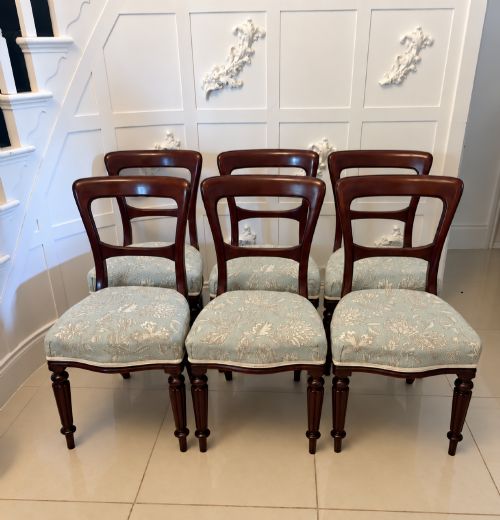
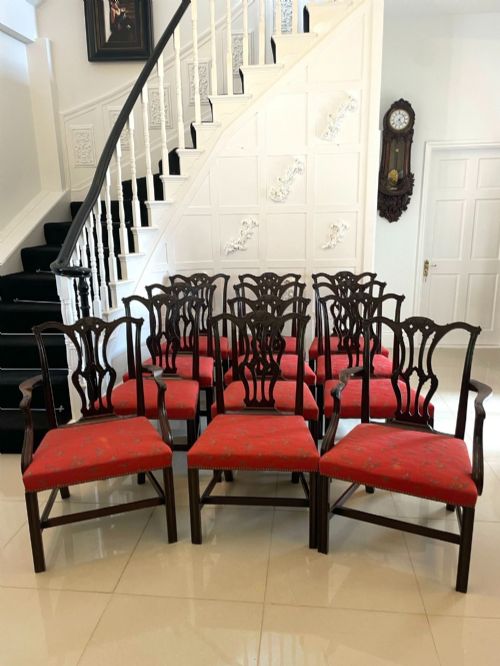
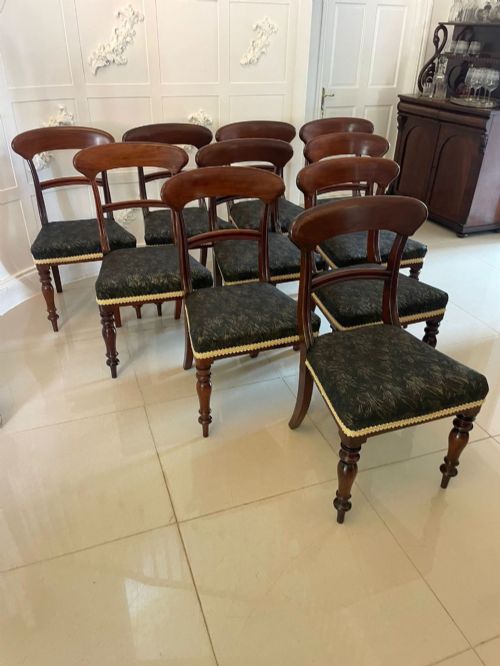
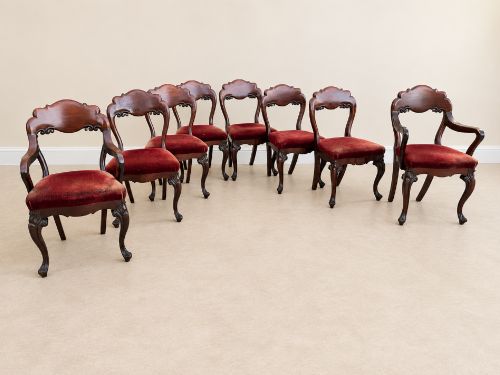
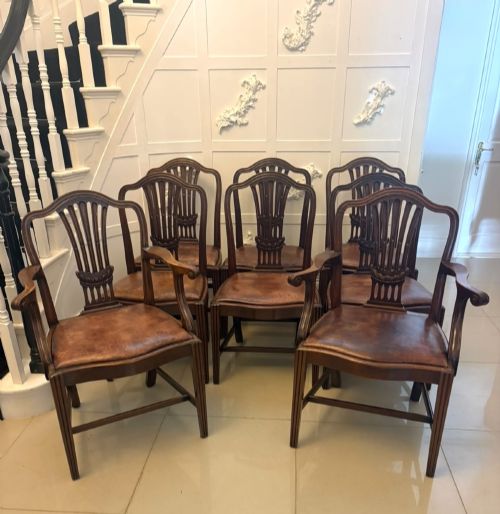
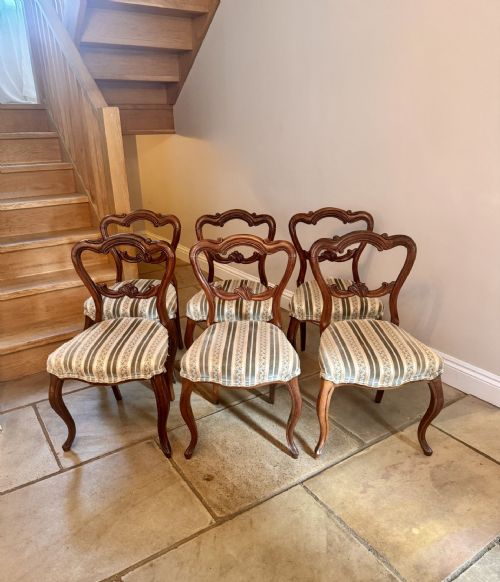
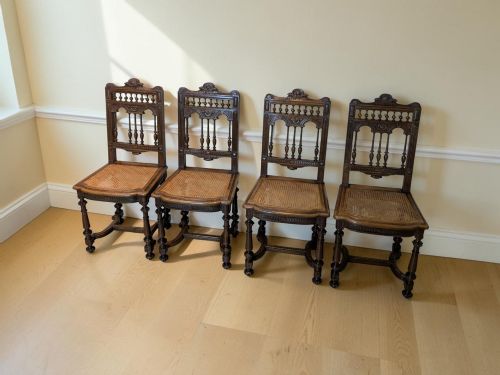
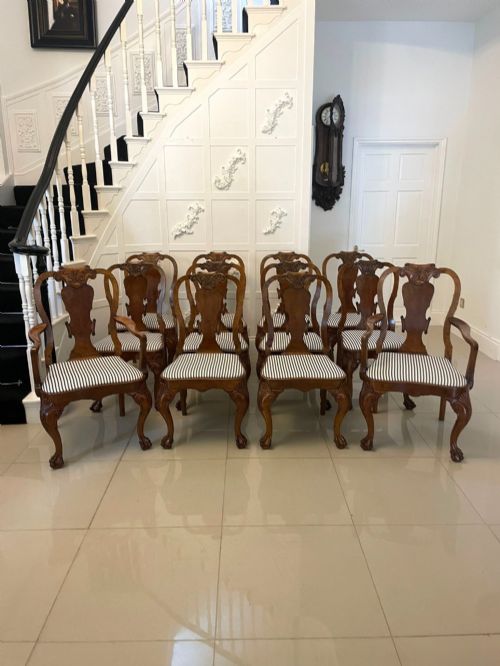
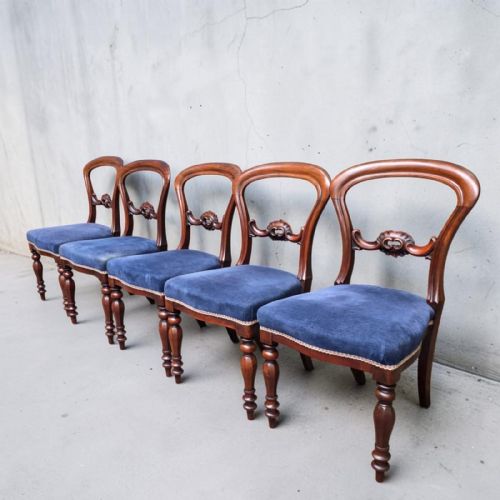
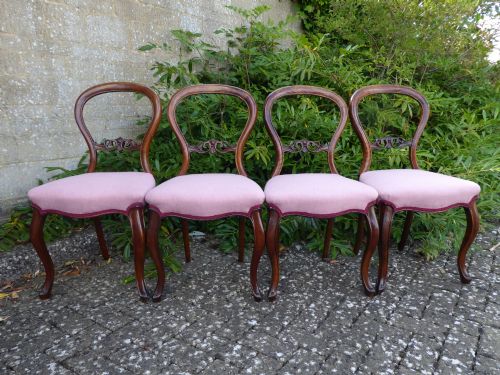
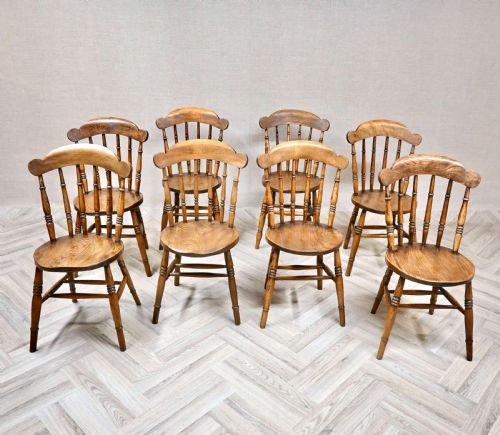
The selection on this page leans heavily towards matching sets of dining chairs alongside individual farmhouse kitchen seating. Formal examples often display balloon backs, bar backs, or carved wooden splats, while rustic alternatives utilise traditional Windsor frameworks with wooden or rush bases.
How They Were Made
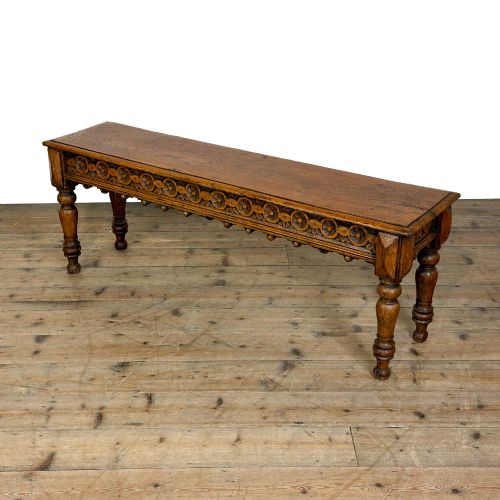
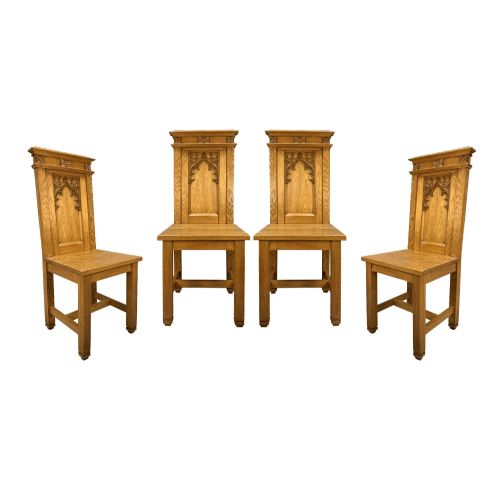
Cabinet makers utilised dense hardwoods like mahogany, walnut, and oak for formal dining furniture, often employing carved details on the backsplats and legs. Country chairs relied on regional turning traditions, combining bentwood frames with solid elm seats and ash spindles.
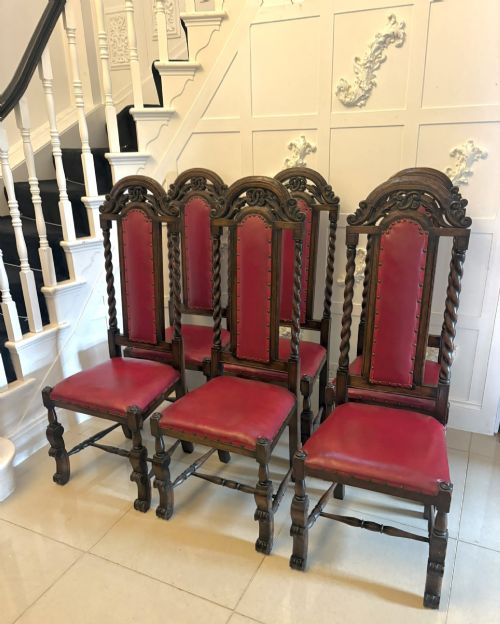
Upholstered variants incorporate stuffed padding covered in leather, tapestry, or fabric, secured with traditional tacks. Joinery techniques varied from finely pegged mortise and tenon joints in formal suites to steam-bent components in Windsor kitchen chairs.
Listings feature woods including mahogany, elm, oak, walnut, beech, and ash across the 19th century.
What Varies In Quality
Quality in these chairs rests upon the selection of timber, the integrity of the joinery, and the crispness of any carved ornamentation. Superior sets maintain uniform grain patterns across all pieces, indicating that the timber was cut and selected from the same source.
Stability under weight dictates practical worth, where lower-tier items suffer from loose joints or replaced components. Original surface patination and untouched frame construction separate standard utility furniture from exceptional cabinet maker output.
William Morris·Warings·Gillows
The Victorian Dining Seats Glossary
- Balloon back
- A rounded, curved dining chair back shaped like an inflated balloon, popular during the mid-nineteenth century. This design provided comfortable lumbar support while offering makers a canvas for carved motifs.
- Windsor
- A wooden chair built with a heavy solid wooden seat into which the legs and back spindles are independently tenoned. These regional chairs often feature bentwood hoops and arm rails.
- Lathe back
- A chair back featuring horizontal or vertical wooden slats turned on a lathe. They appear frequently in nineteenth-century farmhouse and kitchen seating.
- Drop in seat
- A removable upholstered seat frame that fits into a rebated opening in the chair rails. This construction method allowed for easy reupholstery without dismantling the main frame.
Victorian Dining Seats: Frequently Asked Questions
How do I match chairs to a table?
Match the primary wood timber and the historical period to create a cohesive dining space. Formal mahogany tables pair best with carved balloon back or bar back chairs, while oak refectory tables suit Jacobean or ladderback designs.
Consider the seat height and apron clearance of the table to ensure diners have adequate legroom. Mixing country Windsor chairs with a formal table introduces an eclectic aesthetic found in traditional country houses.
Are Windsor chairs comfortable for long dinners?
Solid elm and ash Windsor seats are ergonomically carved to fit the body contours, offering surprising support during long meals. Adding loose squab cushions provides extra softness without altering the historic appearance.
Kitchen and elbow variations offer supportive armrests, making them suitable for relaxed dining environments.
How do I identify early Victorian chairs?
Early Victorian examples frequently retain late Regency influences, showing heavier frames, simpler scrolling, and sturdy mahogany or oak construction. Look for deeper seat rails and hand-cut joinery methods that predate mass production.
Later Victorian designs often feature lighter proportions, ebonised finishes, or revival styling such as Gothic and Chippendale influences.
Should I choose leather or fabric upholstery?
Leather offers practical durability for daily dining use, wiping clean easily and developing a rich patina over decades. It suits formal mahogany and oak dining suites.
Fabric and tapestry upholstery introduce colour and texture to a room but require more careful maintenance. Many period chairs originally featured drop-in seats, allowing for straightforward reupholstery.