


Victorian Diamond Cluster Pin
These victorian diamond cluster pin selections bring together period gem settings and precious metals, offering wearable history for the discerning collector.
Victorian Diamond Cluster Pin
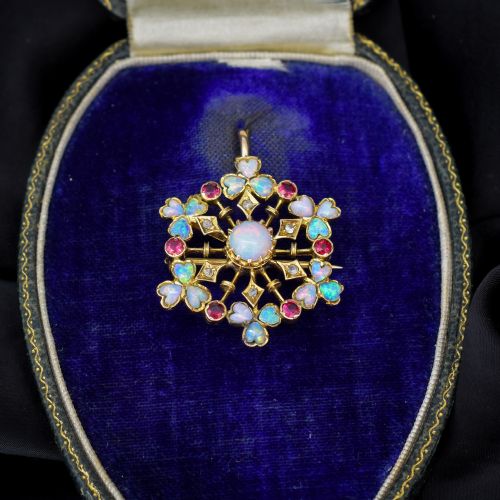
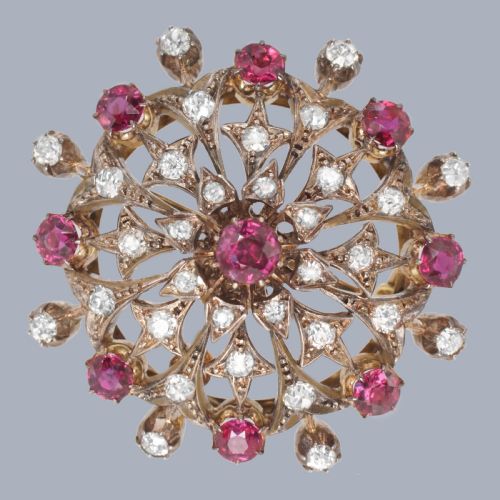
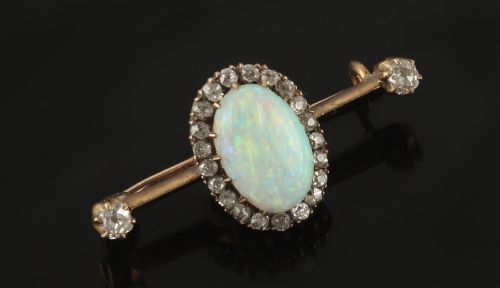
When you search for a victorian diamond cluster pin, you encounter a selection of brooches and pendants predominantly rooted in the nineteenth century, including pieces from the Victorian and Edwardian eras. These items often feature a central cluster arrangement surrounded by diamonds, occasionally incorporating natural rubies, sapphires, opals, peridots, garnets, or pearls.
Materials and construction methods
Jewellers of this period utilised a combination of yellow gold, rose gold, 9ct gold, 12ct gold, 15ct gold, 18ct gold, and silver settings to house the stones. Silver was frequently deployed on the face of the piece to enhance the whiteness of the diamonds, backed by gold for structural strength.
Stones were hand-cut, including rose-cut diamonds and older brilliant cuts, secured in closed or open-backed claw and foil settings. Makers combined these sparkling centrepieces with calibre-cut rubies, sapphires, and opals, sometimes incorporating fitted cases from prominent firms.
Listings feature yellow gold, rose gold, silver, and platinum alongside central diamonds, rubies, sapphires, opals, garnets, peridots, and pearls across the Victorian and Edwardian periods.
Assessing quality in period clusters
Quality rests in the harmony of the central cluster and the crispness of the surrounding stone arrangement. Pieces that demonstrate superior craftsmanship exhibit tightly matched gemstone pairings, balanced proportions, and secure, refined prong or bezel work.
The sophistication of the metalwork, such as detailed foliate engraving or delicate trellis wirework, separates standard production from exceptional examples. Original condition, including untouched gem reports and authentic period cases, elevates the standing of an item.
G. Colani
The Victorian Diamond Cluster Pin Glossary
- Cluster
- A gemstone setting where a central stone is encircled by a border of smaller stones. This configuration maximises visual impact and light reflection.
- Brooch pendant
- A versatile piece of jewellery fitted with both a pin mechanism and a hidden loop. This allows the item to be worn pinned to fabric or suspended from a chain.
- Rose-cut
- An antique diamond cut featuring a flat base and a domed crown faceted into triangles. It produces a soft, translucent lustre rather than modern brilliant fire.
- Carbuncle
- A cabochon-cut garnet or other red gemstone popular in Victorian jewellery. This smooth, polished form lacks facets, displaying a deep crimson hue.
Victorian Diamond Cluster Pin: Frequently Asked Questions
How do I wear a victorian diamond cluster pin safely?
These brooches secure to garments using traditional pin and C-clasp or safety catch mechanisms. Pairing them with heavier woven fabrics ensures the weight of the gold and gemstones rests firmly without sagging.
For added security on delicate silks or wools, utilise a discreet backing clutch or wear the piece anchored over a structural seam. Storing them flat in lined boxes prevents lateral pressure on the pin stem.
Can these pins be converted into pendants?
Many examples from this era were constructed as convertible brooch pendants featuring folding bails or detachable fittings. This dual functionality allows you to transition the ornament from lapel wear to a neck chain.
Examining the reverse reveals the hinge or loop mechanisms used to secure the chain. If a loop is absent, a jeweller can often add a removable pendant converter without altering the original gold or silver structure.
How do I tell Victorian pieces from Edwardian ones?
Victorian items, dating from the mid to late nineteenth century, frequently employ heavier yellow or rose gold settings with deep cluster motifs. Stones like carbuncle garnets, opals, and rich rubies are characteristic of this earlier phase.
Edwardian pieces transition towards lighter platinum and silver-on-gold work with an emphasis on airy trellis patterns, pearls, and diamonds. The overall aesthetic shifts from robust romanticism to lighter, lace-like delicacy.
What care do antique diamond and opal clusters need?
Opals and pearls require gentle treatment due to their softer composition and sensitivity to moisture, cosmetics, and sudden temperature shifts. Diamonds and rubies are harder but still benefit from avoiding harsh chemical cleaners.
Clean these pieces using a soft, dry cloth to remove surface oils, and store them individually away from harder gems. Professional inspection of the claw settings every few years safeguards against stone loss.