
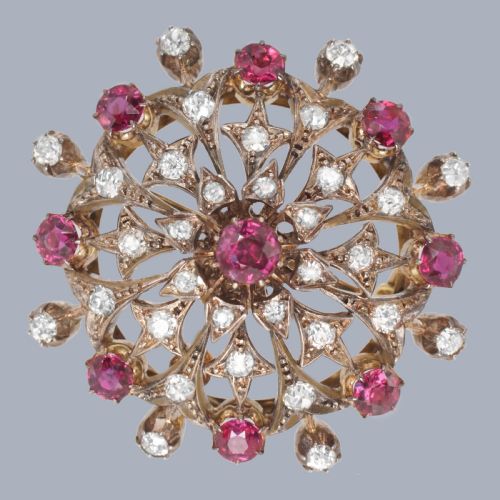


Victorian Diamond Brooch Pendant
A victorian diamond brooch pendant combines versatile jewellery design with conversion mechanics, letting you wear high-status stones pinned to a bodice or hung from a chain.
Victorian Diamond Brooch Pendant
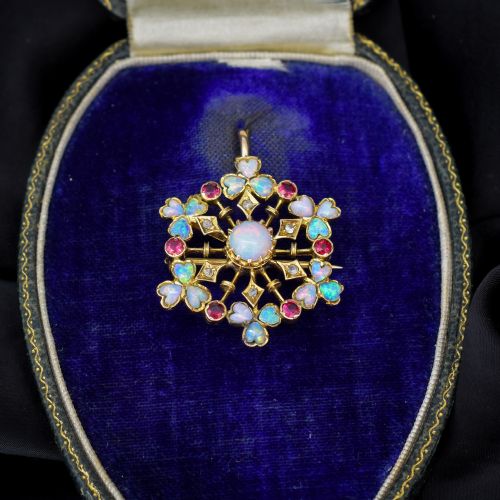
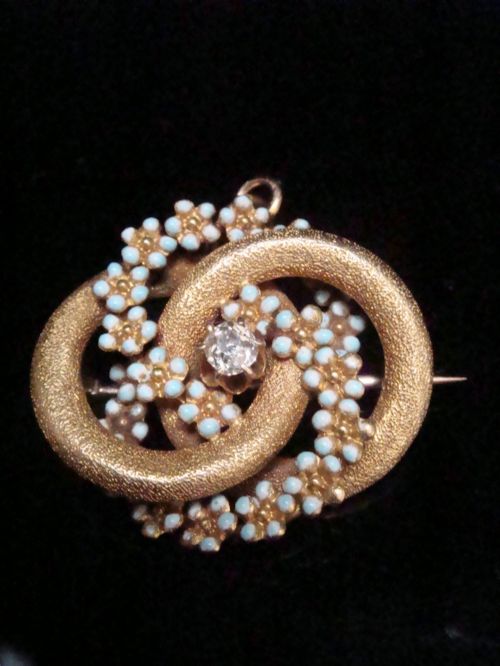
A victorian diamond brooch pendant serves a dual function, engineered with detachable bails, threaded screw fittings, or fold-down pin mechanisms that allow a single piece of jewellery to transition seamlessly from a lapel ornament to a necklace centrepiece. These versatile items originate predominantly from the nineteenth century, spanning periods from the 1850s through to Edwardian transitions around 1900.
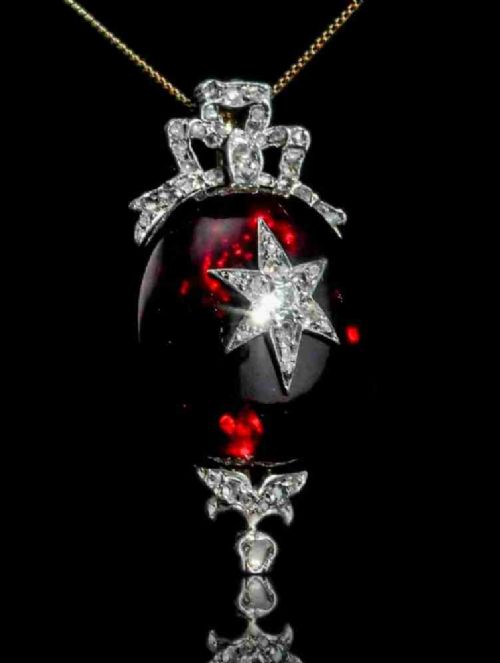
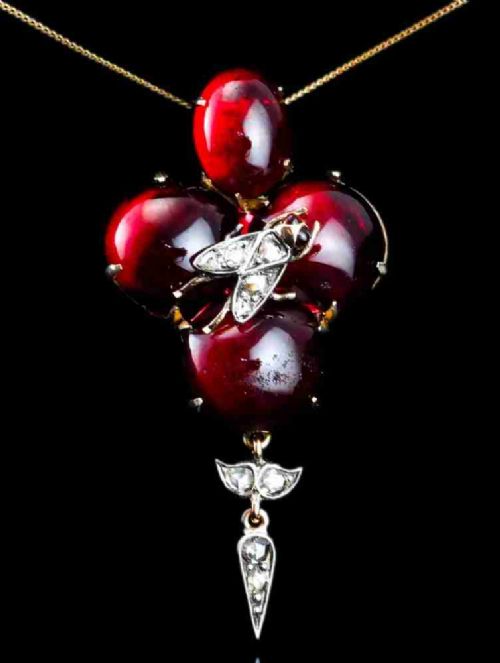
Forms within this category range widely from naturalistic floral motifs, butterflies, and winged insects to celestial starbursts, bows, crescents, and lovers knots. Many incorporate colourful central gems such as rubies, sapphires, emeralds, peridots, opals, and seed pearls alongside the primary diamonds, creating striking visual contrasts typical of the era.
Makers utilised convertible mountings to maximise utility for the wearer, supplying threaded loops that screw securely into the reverse of the frame or folding pins that tuck away behind solid gold galleries. Finding examples complete with their original fittings and matched chains remains a key pursuit for collectors who appreciate nineteenth-century ingenuity.
Materials and construction methods
Goldsmiths of the period frequently employed a combination of silver and gold, setting diamonds into silver-topped gold or platinum-topped gold to enhance the bright white fire of old-cut stones while retaining the warm, durable backing of yellow gold in carat weights ranging from nine to eighteen carat. Silver settings reflect the prevalent nineteenth-century practice of mounting stones over closed or foil-backed foils to maximise light reflection under candlelight.
Gemstones such as rubies, emeralds, sapphires, and opals are secured in claw or closed collet settings alongside hand-cut old mine diamonds and rose-cut diamonds. Structural frames often incorporate intricate wirework, granulation, and enamel details, particularly in floral, insect, and celestial starburst designs.
Listings feature yellow gold standards ranging from 9ct to 18ct, alongside platinum and silver-topped settings.
What separates standard pieces from exceptional examples
The sophistication of the conversion mechanism marks a primary distinction in quality, where concealed hinges, robust screw-in bails, and tightly snapping pin stems indicate superior workshop production. Inferior examples may feature loose, clumsy loops or replacement fittings that disrupt the clean reverse finish of the gold gallery.
Stone matching and carat weight heavily influence the standing of a piece, separating modest seed pearl accents from substantial multi-carat diamond starbursts or untreated Burma rubies. The precision of the hand-cut old-cut diamonds and the absence of distracting inclusions in accompanying coloured gems determine the visual harmony and value of the composition.
The Victorian Diamond Brooch Pendant Glossary
- Old cut
- A diamond cut by hand before modern machinery, typically featuring a small table, high crown, and open culet that catches candlelight warmly. These stones display irregular facet patterns unique to nineteenth-century gem cutting.
- Rose cut
- A gemstone cut with a flat base and a domed crown composed of triangular facets that culminate in a point. This historic style offers a soft, translucent shimmer rather than modern brilliance.
- Collet setting
- A metal collar that encircles the girdle of a gemstone, holding it securely within a flush band of gold or silver. It represents a traditional mounting technique common in antique jewellery.
- Bail
- The loop attached to the top of a pendant that allows a chain or ribbon to pass through. In convertible pieces, this component often screws into the frame or folds flat.
- Cabochon
- A gemstone shaped and polished with a smooth, convex upper surface rather than faceted planes. This finish is frequently utilised for opals, garnets, and star sapphires.
- Culet
- The small flat facet at the bottom tip of an old-cut diamond where the pavilion facets meet. Antique stones often show a visible culet when viewed from the dial.
Victorian Diamond Brooch Pendant: Frequently Asked Questions
How do I convert a brooch into a pendant?
Most convertible pieces utilise either a fold-down hinged pin or a threaded screw bail that attaches to a hidden loop on the reverse of the frame. You simply tuck the pin safely behind the gallery and attach your chain through the revealed suspension ring.
Some older designs rely on a detachable brooch fitting that slides out of a channel entirely. Ensure you check the security of these mechanisms before hanging the piece from a necklace.
What is an old cut diamond?
An old cut diamond is a stone shaped by hand during the eighteenth and nineteenth centuries rather than by automated machinery. These diamonds possess a distinct charm with their chunky facets, higher crowns, and open culets designed to sparkle under gaslight or candlelight.
Because each stone was cut individually to maximise weight and optical brilliance, no two old-cut diamonds are identical. Their unique proportions give antique jewellery an organic warmth that modern stones lack.
Are these pieces safe to wear daily?
While nineteenth-century jewellery was built to last, delicate elements like seed pearls, opals, and antique silver-topped settings require mindful handling. Avoid exposing them to harsh household chemicals, ultrasonic cleaners, or vigorous physical impacts.
For regular wear, secure the pin safely behind a safety clasp or ensure the conversion bail is firmly screwed into place. Storing the item in a dedicated lined box prevents friction against other harder items.
How can I tell the period of a piece?
Dating relies on stylistic motifs, such as the naturalistic floral sprays of the mid-nineteenth century, the rigid geometric lines of later decades, or the flowing curves of Art Nouveau. Examining the metal purity marks, stone-cutting styles, and backplate construction also offers clear chronological clues.
Pieces marked with lower carat gold or platinum transitions often point towards the Edwardian era around 1900. Consulting gemological reports or comparing the mounting technique against dated archive examples helps confirm the exact era.