
Victorian Desk Table
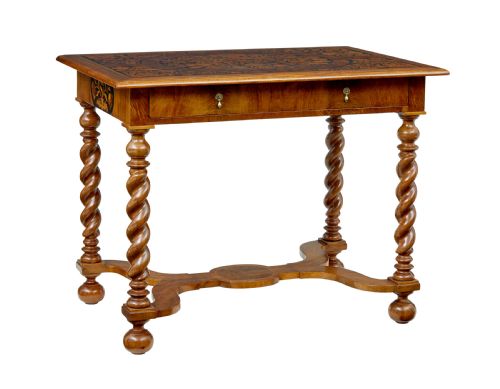
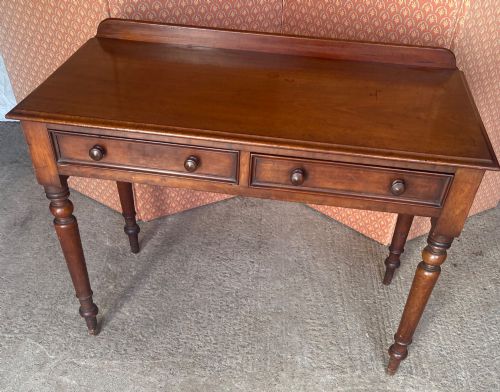
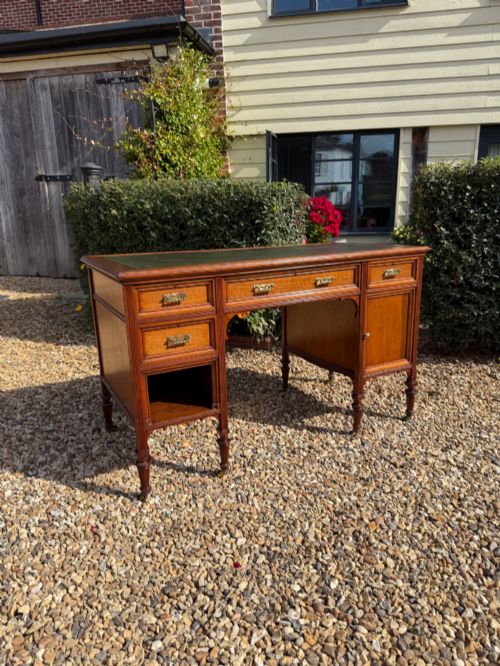
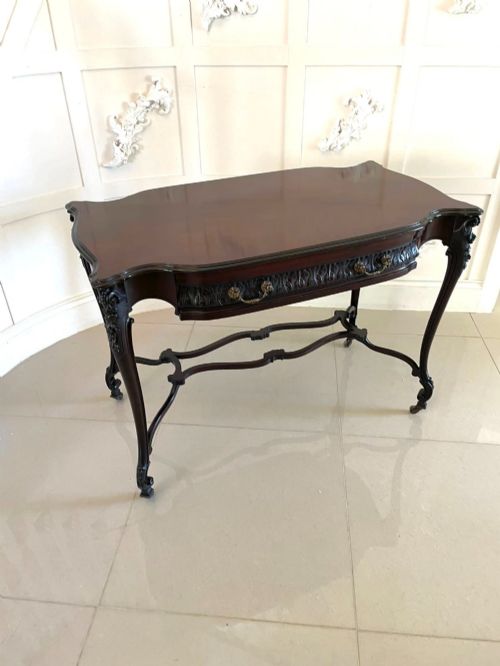
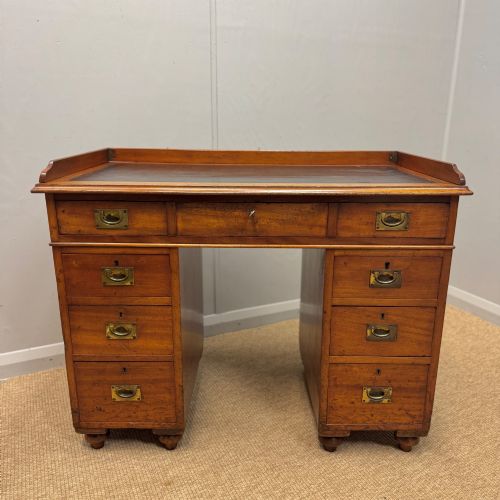
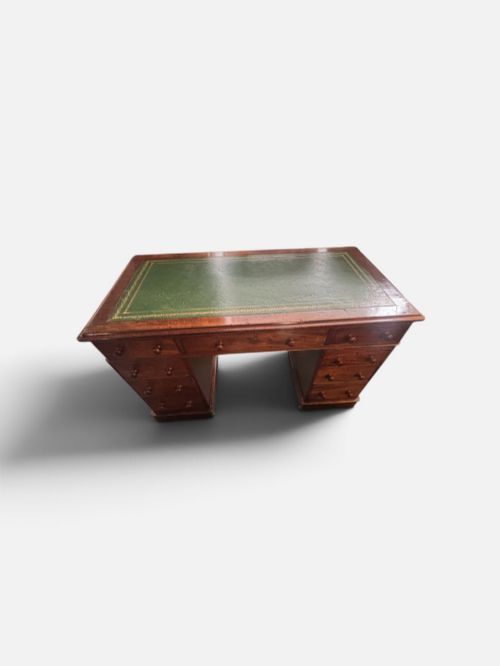
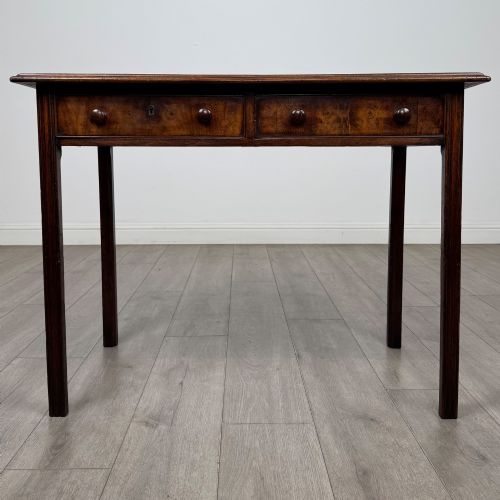
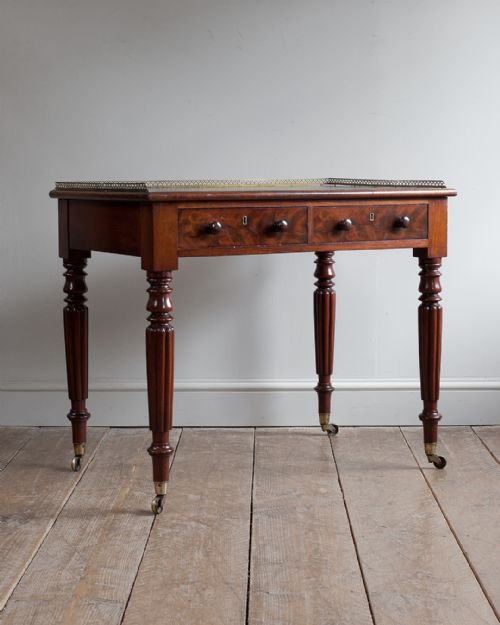
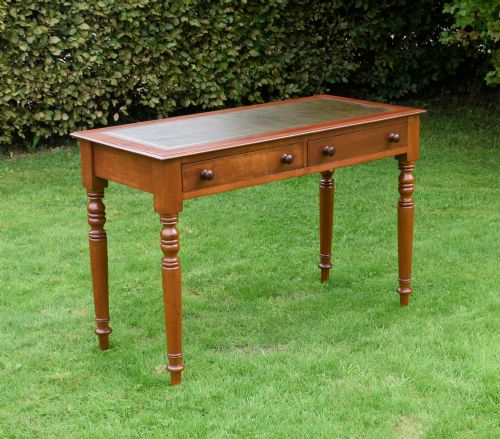
When searching for a victorian desk table, buyers encounter practical mahogany writing tables and pedestal desks designed for nineteenth-century domestic and study use.
Victorian Desk Table
A victorian desk table encompasses freestanding library tables, partners desks with wide kneeholes, and compact writing tables intended for nineteenth-century studies and drawing rooms.
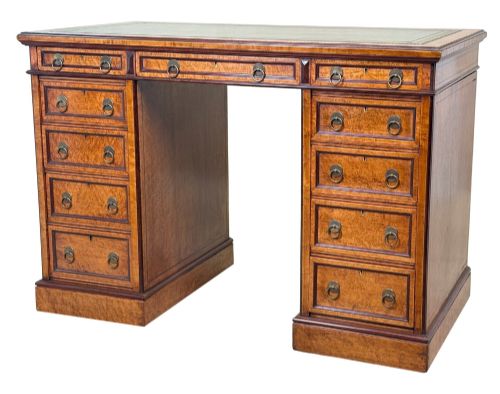
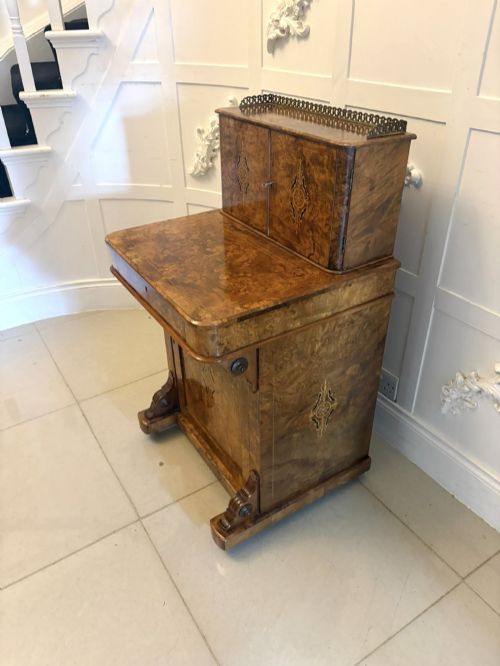
Buyers most frequently meet mahogany writing tables featuring inset leather surfaces, alongside pedestal desks in oak or burr walnut originating from the mid to late nineteenth century.
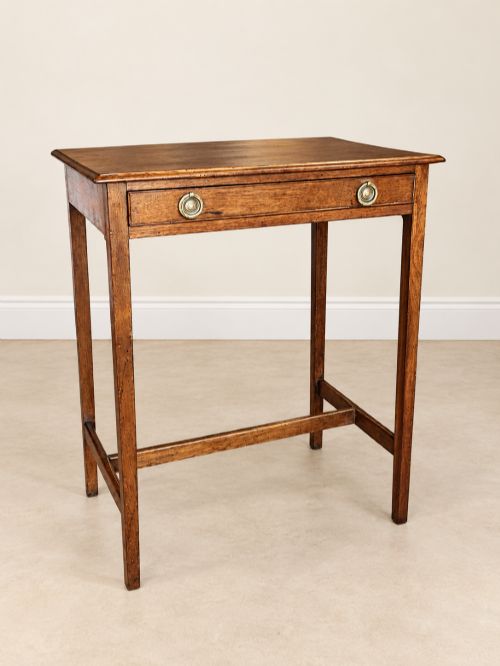
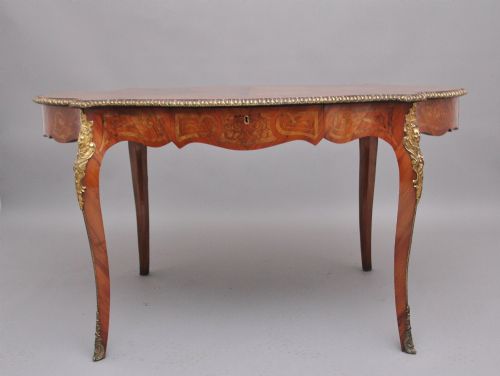
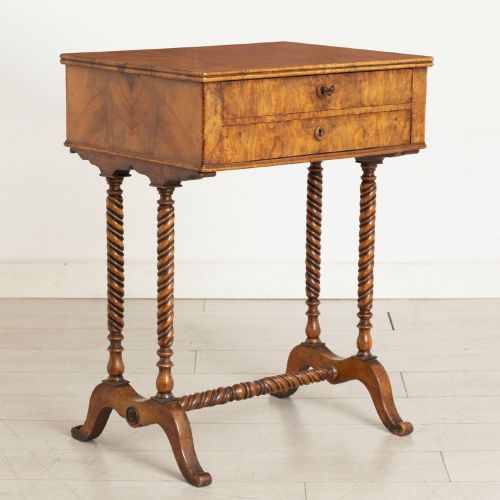
Variations range from modest pine tables with single drawers to elaborate satinwood and marquetry pieces influenced by French styles or the Arts and Crafts movement.
Materials and Construction
Cabinetmakers utilised dense timbers such as mahogany, oak, and walnut, often accentuating surfaces with burr walnut veneers, satinwood inlay, or ormolu mounts.
Writing surfaces typically integrate inset tooled leather panels, while structural elements rely on traditional dovetail joinery within drawer construction and solid framing.
Several Victorian desk tables share catalogue space with silver cat peppers and fox hunting cigar table lighters.
Gradations in Quality
Superior examples display figured timber grain carefully matched across drawer fronts and table tops, combined with substantial secondary woods and precise marquetry.
The refinement of brass hardware, the execution of carved details such as green man motifs or Corinthian columns, and the stability of freestanding construction dictate the tier of a piece.
Maple & Co.·JAS Shoolbred·Trollope & sons·Gillows·Spillman & Co
The Victorian Desk Table Glossary
- Pedestal desk
- A heavy double-sided writing desk featuring two banks of drawers supporting the main work surface. These sturdy forms often incorporate inset leather tops.
- Partners desk
- A large freestanding writing table designed with drawers on both long sides to accommodate two users simultaneously. They frequently appear in mahogany or oak.
- Library table
- A substantial freestanding table used for holding books and writing materials in large rooms. They usually feature finished backs allowing placement anywhere in a space.
- Bonheur du jour
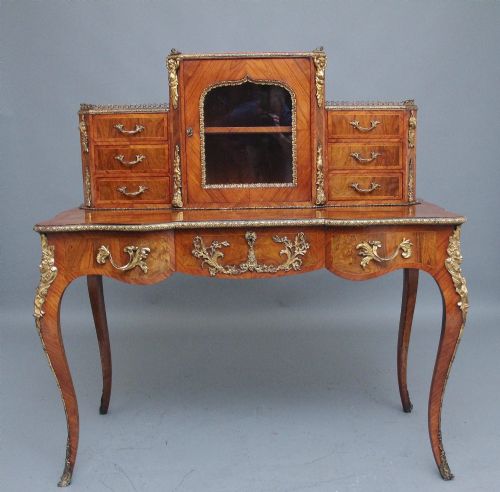
- A light ladies writing desk featuring a small cabinet or superstructure with pigeonholes and drawers above the main writing surface. These French-influenced pieces often utilise kingwood or walnut.
- Ormolu
- Gilded bronze mounts applied to furniture for decorative effect during the nineteenth century. This technique adds metallic contrast to burr walnut and exotic woods.
Victorian Desk Table: Frequently Asked Questions
What is a partners desk?
A partners desk is a substantial nineteenth-century writing table built with drawers and cupboards accessible from both sides. This symmetrical arrangement allowed two people to work opposite each other in a shared study or library.
These pieces typically feature wide kneeholes and premium leather writing surfaces framed in solid mahogany or oak. They served as central workspace fixtures in grand homes and administrative offices.
How do I identify a library table?
Library tables differ from standard writing desks because they are finished on all four sides. This allows them to stand freely in the middle of a room rather than against a wall.
They usually incorporate spacious frieze drawers and sturdy timber framing suited for holding heavy volumes and writing equipment. The backs display the same grain matching and detailing as the fronts.
Are these desks suitable for daily computer work?
Many nineteenth-century writing tables and pedestal desks provide sufficient surface depth and knee clearance for modern laptops and daily administrative tasks. Their solid timber construction offers robust support for regular office use.
Buyers should verify internal drawer dimensions and surface heights, as nineteenth-century seating clearances occasionally differ from contemporary standards.
How do I care for leather desk inserts?
To maintain antique leather writing surfaces, apply appropriate leather balms periodically to prevent drying and cracking. Avoid using harsh chemical cleaners or excessive moisture during cleaning.
Keeping the room humidity stable helps preserve both the leather top and the surrounding timber framework of the desk.