


Victorian Desk Seating
Victorian desk seating brings together solid mahogany frames, supple leather pads and revolving actions designed for nineteenth-century studies.
Victorian Desk Seating
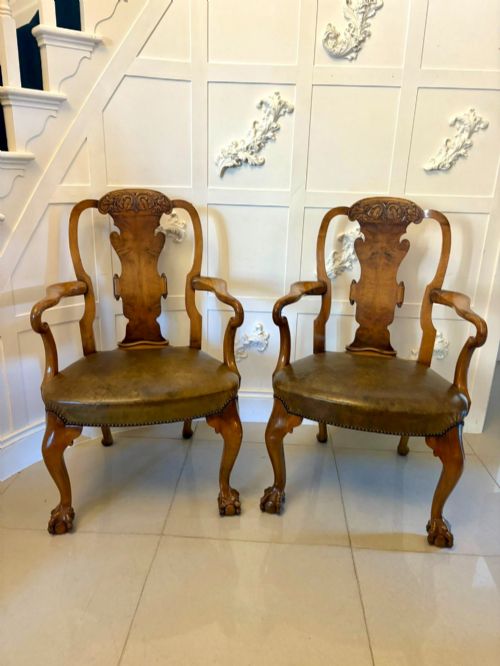
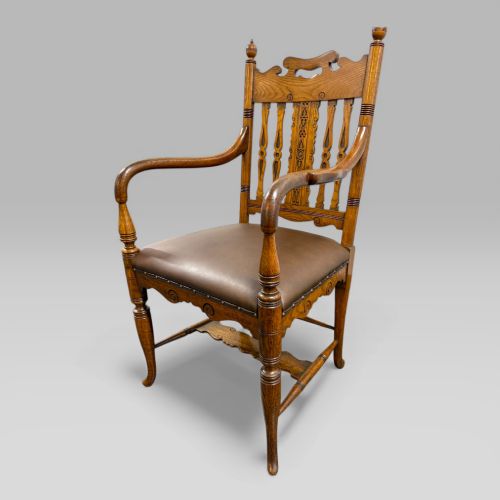
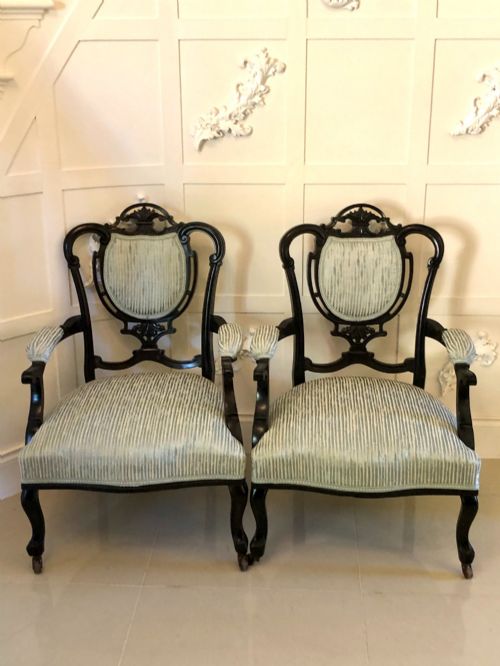
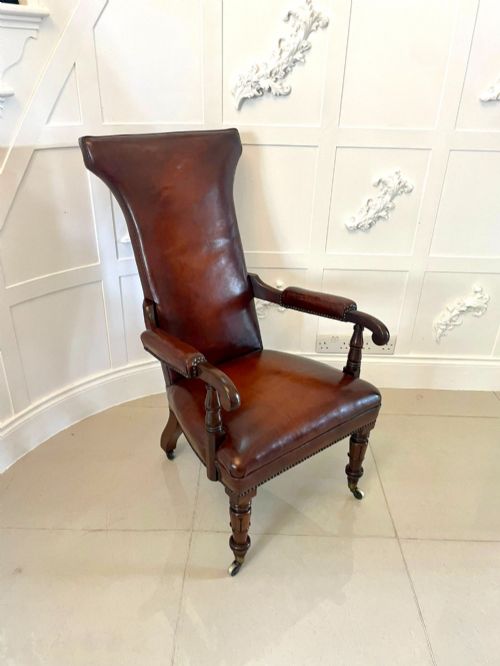
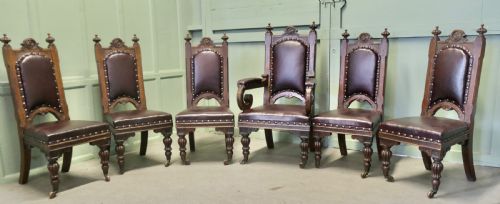
Mahogany revolving desk armchairs and library chairs featuring upholstered leather pads appear most frequently in this selection. Makers also utilised oak, walnut, elm and beech to construct robust seating suited to heavy daily use.
Originating predominantly from English workshops, these pieces span the Victorian period alongside earlier William IV examples and later nineteenth-century variations. Buyers encounter everything from swivel desk chairs to carver elbow chairs.
Materials and Construction
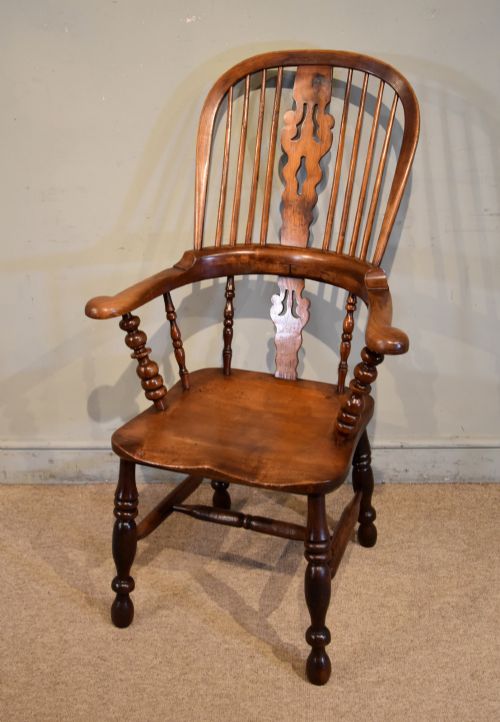
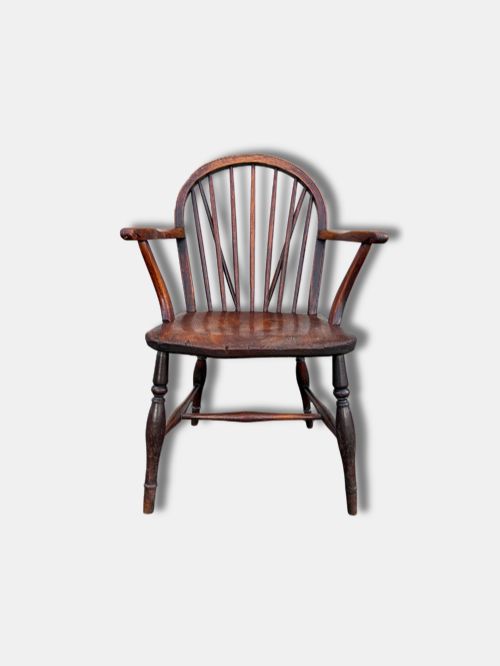
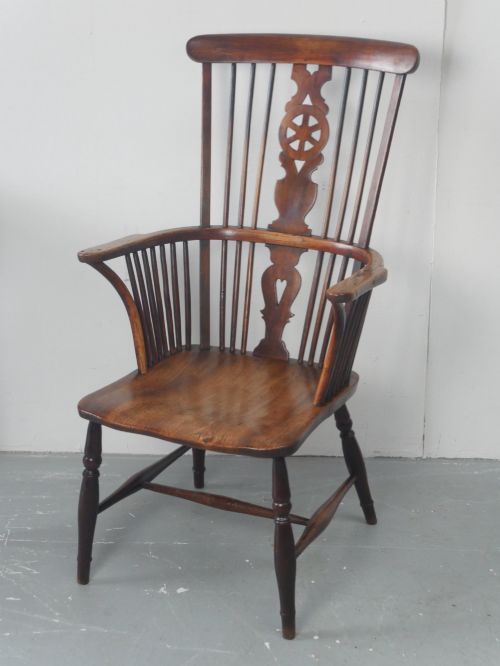
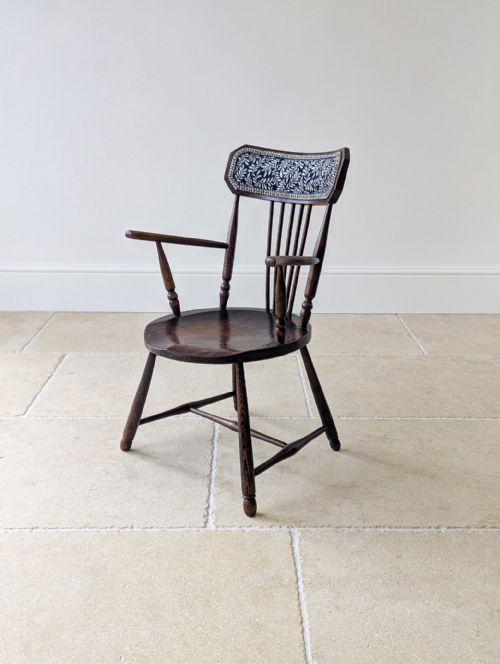
Cabinetmakers constructed frames primarily from dense hardwoods like mahogany, oak and walnut, often employing bentwood or carved elements for structural support. Windsor and country styles combined ash, elm and beech to achieve resilient steam-bent arms and spindles.
Upholstered versions integrated traditional horsehair stuffing beneath supple leather hides or woven fabric panels, secured with brass tacks. Revolving mechanisms relied on robust iron spindles and wooden underframes to enable smooth rotation.
Victorian Desk Seating Retail Price Guide 2026
Typical asking prices for victorian desk seating among the pieces listed under this phrase on Sellingantiques today, from the lower quarter to the upper quarter. They describe what is for sale here now, not the wider market.
The listings span mahogany, oak, walnut, elm and beech, incorporating revolving mechanisms, leather upholstery and carved frames.
Assessing Quality and Execution
Superior examples distinguish themselves through dense, well-figured timber and deeply carved frame details executed by skilled hands. Finer library and desk chairs maintain original swivel actions and undisturbed leather upholstery with patinated surfaces.
Lesser pieces exhibit loose joinery, replacement hardware or poorly executed repairs that compromise the structural integrity of the frame. The distinction lies in the crispness of the carving and the fidelity of the secondary timbers used beneath the polished exterior.
Gillows·Bruce James Talbert
The Victorian Desk Seating Glossary
- Carver arm-chair
- A sturdy wooden armchair, often featuring open arms, designed for use at the head of a table or beside a desk.
- Windsor chair
- A traditional wooden seat construction featuring turned legs and spindles slotted directly into a solid sculpted wooden seat.
- Library chair
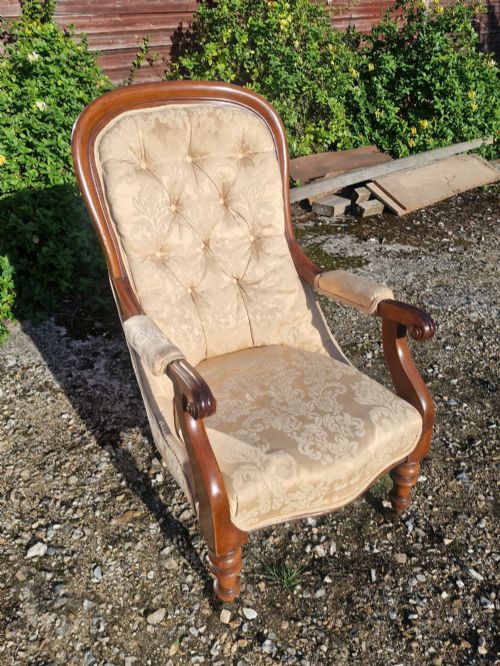
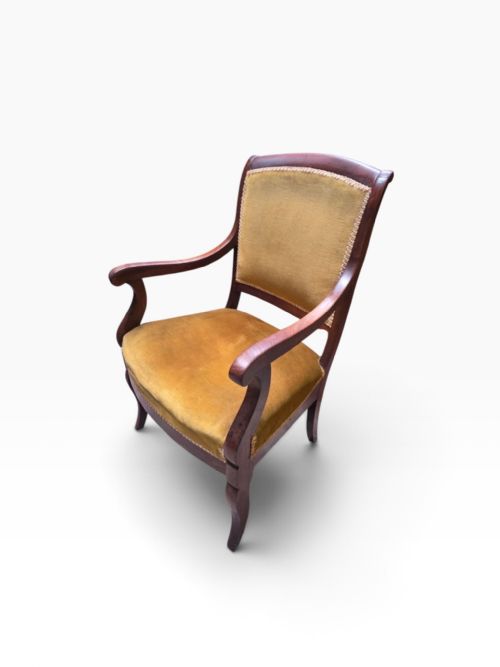
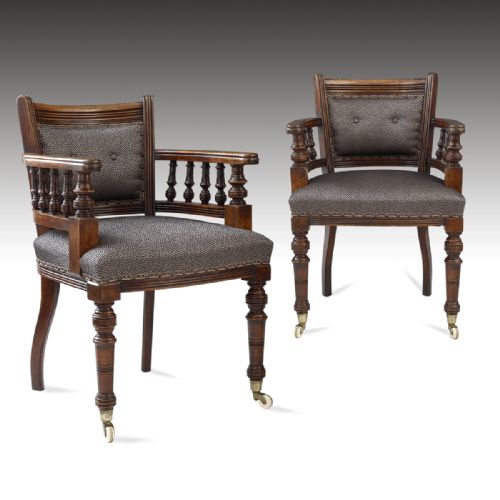
- A deeply upholstered armchair designed for reading and writing, frequently incorporating leather arm pads and mahogany frames.
- Revolving desk chair
- A swivelling seat mounted on a central pillar or spider base, engineered for mobility in a study or office.
- Carved frame
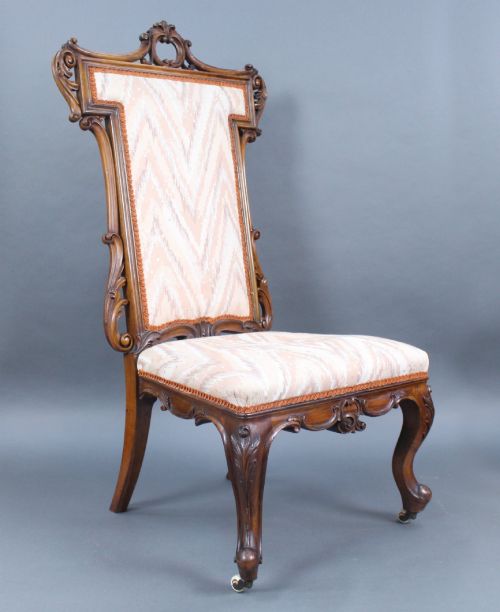
- A wooden structure embellished with hand-chiselled ornamentation such as foliage, linenfold or geometric patterns.
Victorian Desk Seating: Frequently Asked Questions
How do I identify a genuine Victorian desk chair?
Examine the construction methods, looking for traditional joinery such as hand-cut tenons and well-worn secondary timbers like elm or beech beneath the frame. Genuine nineteenth-century examples display natural timber patina and authentic wear appropriate to the period.
Check for period-appropriate materials including horsehair stuffing, brass fixings and solid mahogany or oak rather than modern veneers. Documentation or attribution to known workshops further confirms authenticity.
Were these chairs used exclusively at desks?
Many forms served multiple functions within nineteenth-century domestic interiors, moving between studies, libraries and morning rooms. Library armchairs and revolving desk chairs accommodated prolonged periods of reading and writing.
Country Windsor variants and smokers bows also provided sturdy seating in farmhouse kitchens and provincial offices. Buyers adapted these versatile pieces to suit various domestic workspaces.
How should I care for leather upholstery?
Maintain leather pads by cleaning them gently with a damp cloth and applying a specialist leather conditioner periodically to prevent drying. Avoid placing antique seating in direct sunlight or near heat sources to preserve the hide.
Treat the timber frames with appropriate beeswax to nourish the wood without building up heavy chemical residues. Regular, gentle maintenance preserves both the finish and the structural integrity.
What is a Thames Valley Windsor chair?
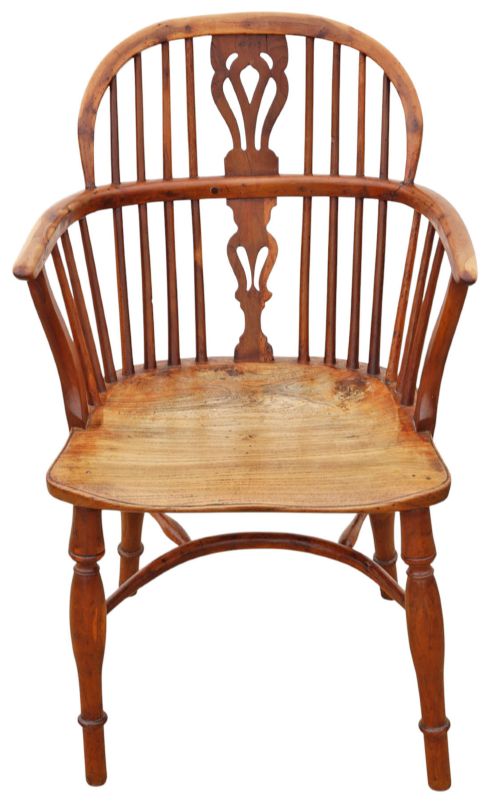
A Thames Valley Windsor chair is a distinct regional English style characterised by refined wheel or comb backs, elm seats and contrasting ash or beech framework. These pieces originated from workshops along the Thames corridor during the nineteenth century.
They are celebrated for their elegant proportions and superior ergonomic shaping. Collectors value them for their regional craftsmanship and traditional timber combinations.