




Victorian Decorative Wall Picture
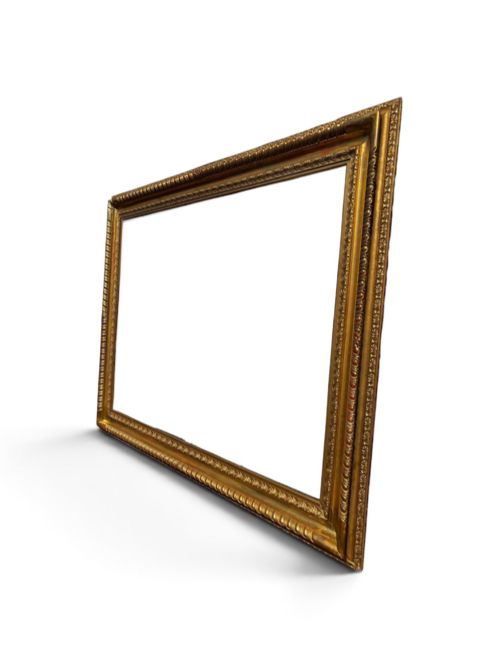
A victorian decorative wall picture brings depth to a room through layered frames, oil paint and gilt gesso.
Victorian Decorative Wall Picture
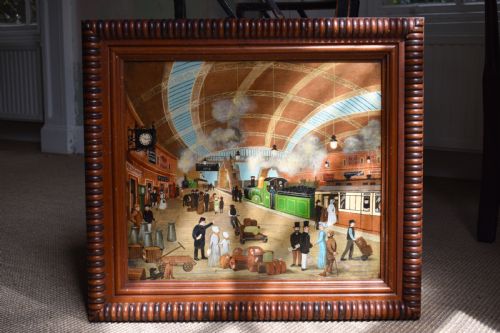
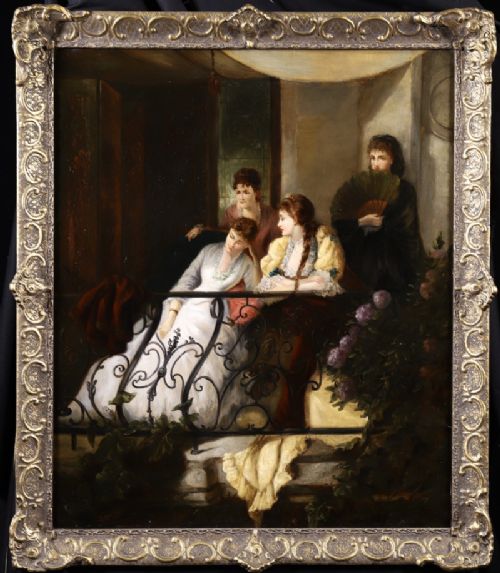
A victorian decorative wall picture encompasses framed oil paintings, watercolours, prints, tinsel prints and mirror plates designed to hang as wall art.
The selections span mid to late nineteenth century productions, frequently housed in deep gilt frames, gesso mouldings or oak surrounds.
Subjects range from railway station scenes and portraits of gentlemen to ornithological studies and theatrical decoupage.
How they were made
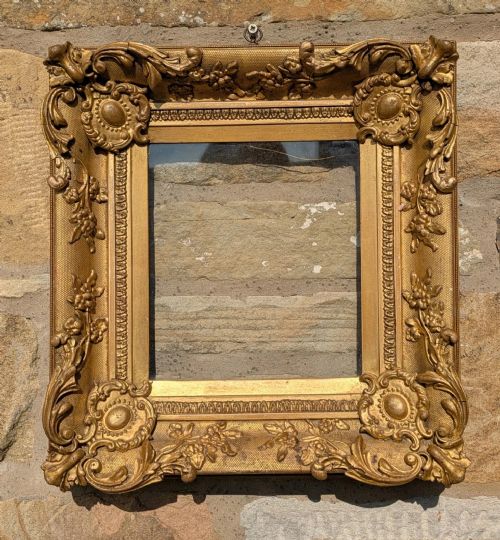
Makers built sturdy wooden frames from oak and softwoods, applying layers of gesso that were moulded into relief ornaments and finished with gold leaf.
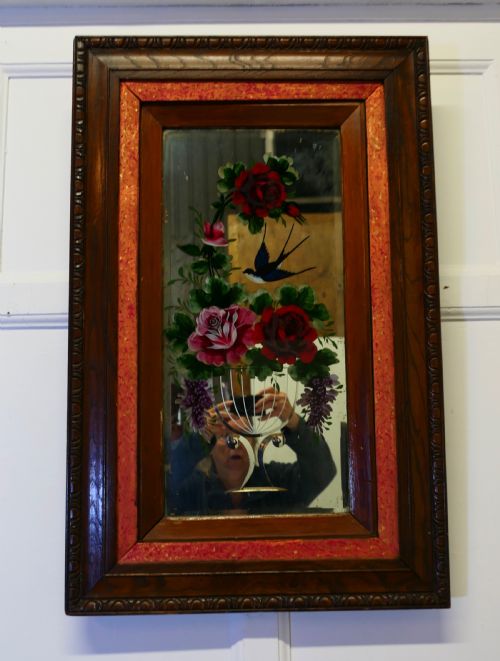
Surfaces utilised oil paint on canvas or board, watercolour on paper, lithography and reverse etching on glass plates for specialised techniques such as crystoleums.
Listings feature nineteenth century pieces incorporating oil paint, watercolour, lithographs, glass, gesso, gold leaf and oak.
What varies in quality
Depth and crispness in the gesso moulding separate standard framing from pieces with sharp, hand-finished lion heads or rococo scrolls.
The integrity of the original gilding and the preservation of delicate paper elements, decoupage or reverse painting dictate the overall standard.
JOHN. A. MONTEITH·William Powell Frith
The Victorian Decorative Wall Picture Glossary
- Gesso
- A plaster mixture applied to wood frames and carved or moulded into decorative relief before gilding. This ground layer provides the sharp detail seen on ornate nineteenth century surrounds.
- Crystoleum
- A delicate Victorian method of applying a coloured print to concave glass, clarifying the image with oil paint and backing it for depth. These pieces require careful handling behind protective glazing.
- Giltwood
- Timber carved and coated with gold leaf or metallic powder to achieve a luminous surface. It forms the primary framing material for grand nineteenth century wall mirrors and art.
- Decoupage
- The art of decorating a surface with paper cutouts arranged to form a picture. Regency and Victorian examples often feature theatrical scenes built from layered tinsel and paper.
Victorian Decorative Wall Picture: Frequently Asked Questions
How do I hang a heavy gilt frame safely?
Heavy nineteenth century frames require secure wall fixings and brass mirror plates screwed firmly into the timber backing rather than relying on old cords alone.
Distributing the weight evenly across two fixing points keeps the frame stable and protects the original wooden structure.
Can I clean nineteenth century gilt frames?
Dust accumulates in the recesses of gesso mouldings and requires very gentle removal using a soft, dry artist brush.
Moisture and modern cleaning agents damage gold leaf and exposed gesso, so liquids should be kept away from antique surfaces entirely.
What is the difference between an oil painting and a crystoleum?
An oil painting applies pigmented paint directly onto canvas or board, showing visible brushstrokes and texture under close inspection.
A crystoleum sandwiches a coloured paper print beneath curved glass, building up hand-tinted layers behind the transparent plate to create an illusion of depth.
How do I identify Victorian framing styles?
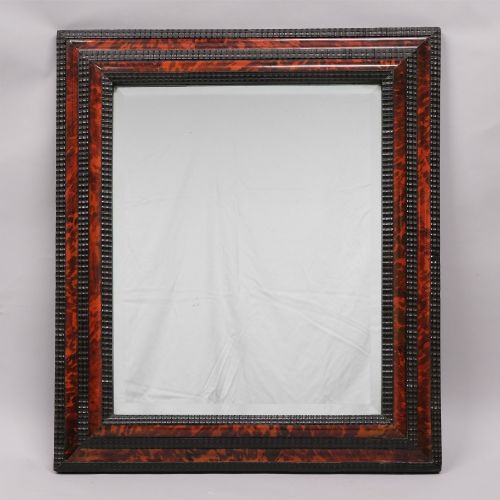
Victorian frames often display deep cavetto profiles, heavy gesso ornamentation, rococo revival scrolls or tortoiseshell ripple moulding.
These bolder proportions distinguish nineteenth century work from simpler twentieth century surrounds and slender Georgian profiles.