


Victorian Decorative Silver
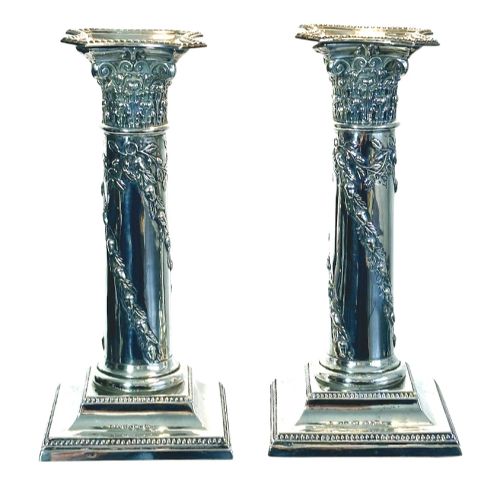
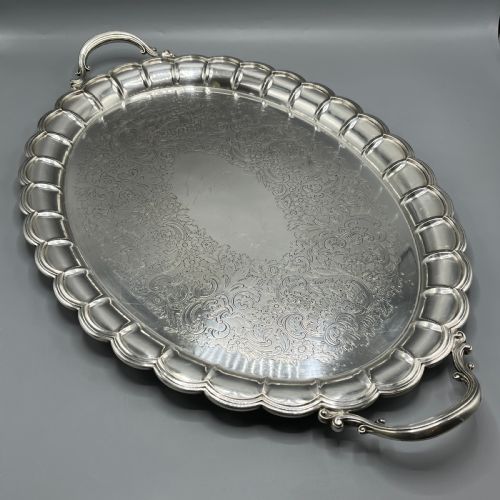
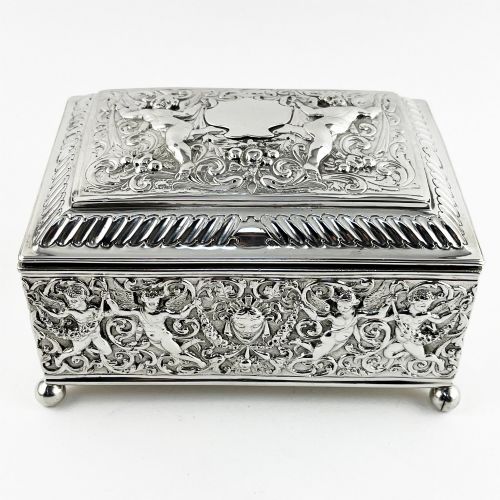
Victorian decorative silver brings domestic splendour to the table through ornate repoussé work, heavy cast metals, and intricate mounted glass or ceramics.
Victorian Decorative Silver
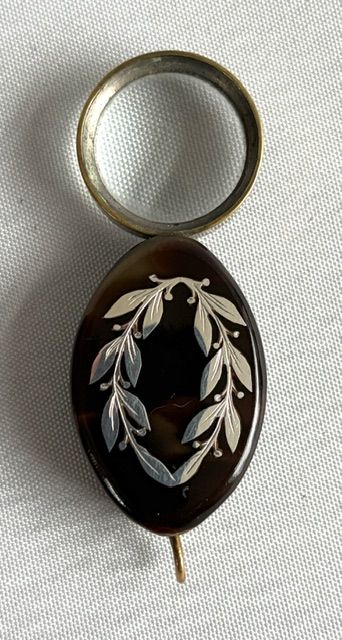
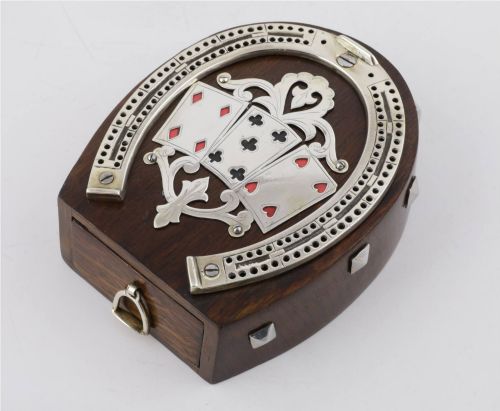
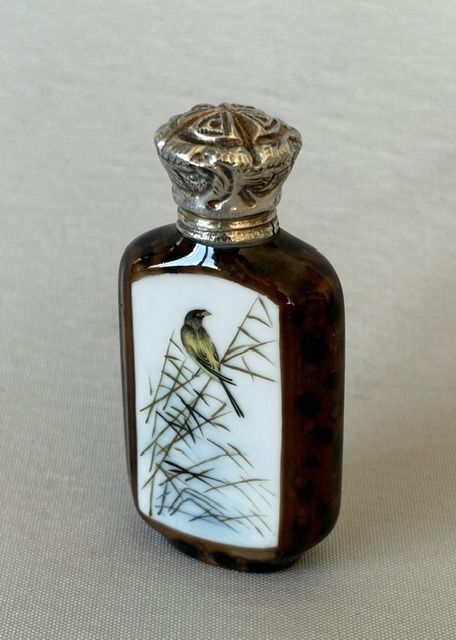
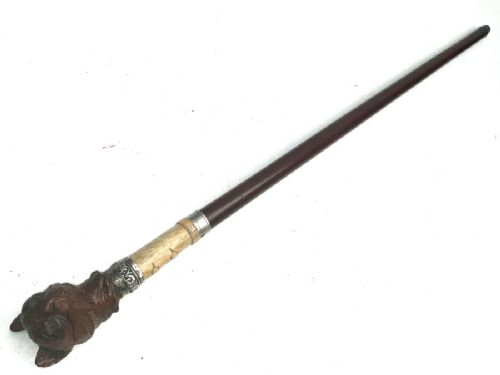
The objects span domestic table settings and personal accessories, including scent bottles, pin cushions, and walking sticks mounted in precious metal. Many pieces combine silver or silver plate with ceramics, glass, wood, and textiles such as velvet.
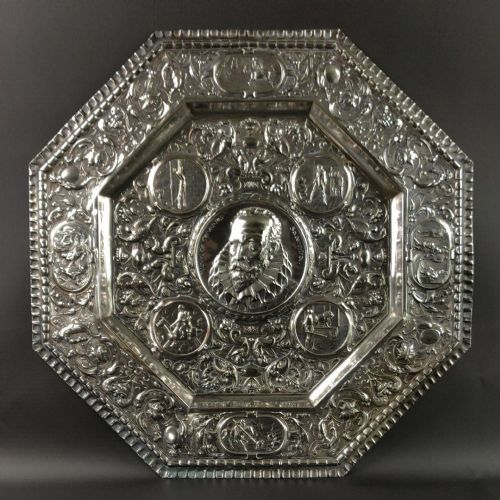
Influences extend far beyond standard British production to incorporate Renaissance Revival, Neoclassical, Aesthetic Movement, and Anglo-Indian styles. This variety reflects the global reach and stylistic experimentalism of nineteenth-century design.
Materials and Techniques
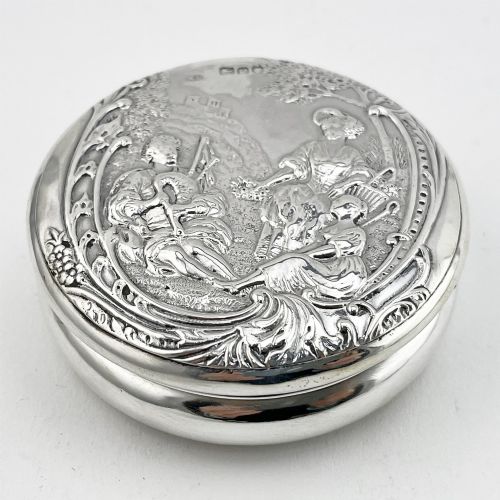
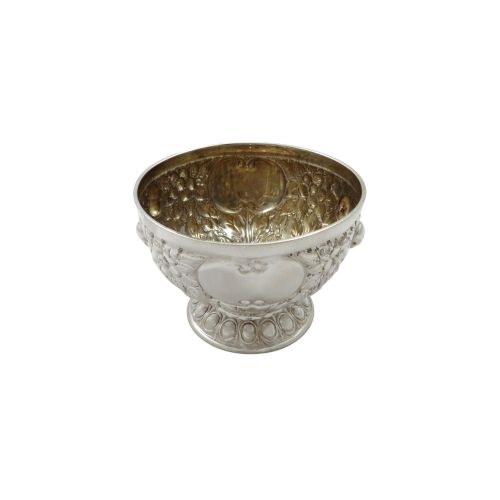
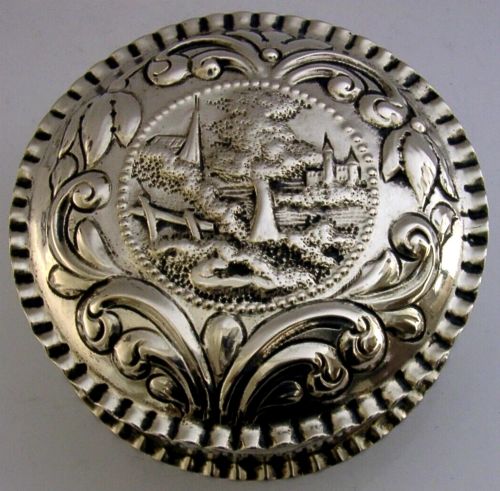
Items are constructed from solid sterling silver or silver plate over base metals, frequently augmented by tortoiseshell, agate, enamel, and carved wood. Artisans employed repoussé and chasing techniques to hammer complex figurative and floral reliefs into sheet metal.
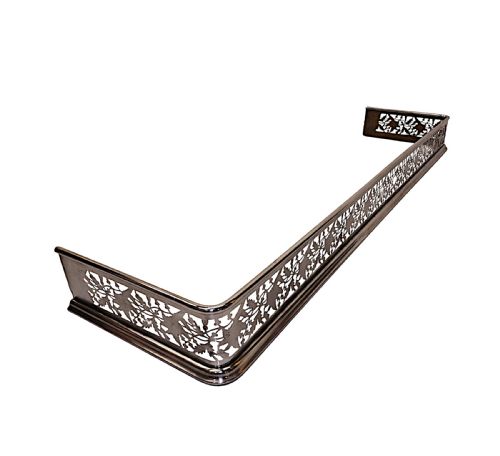
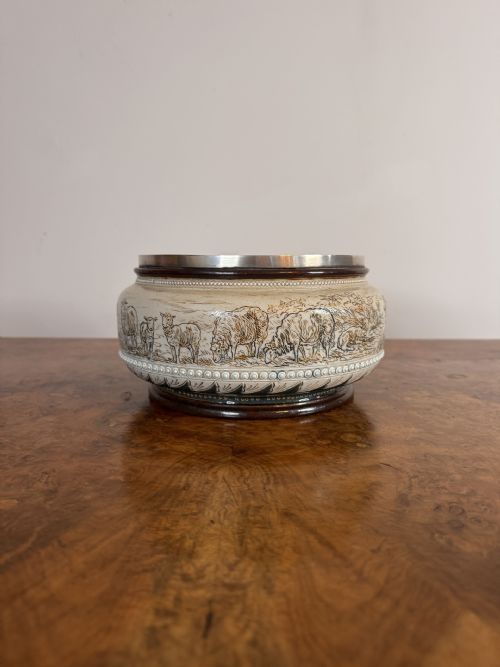
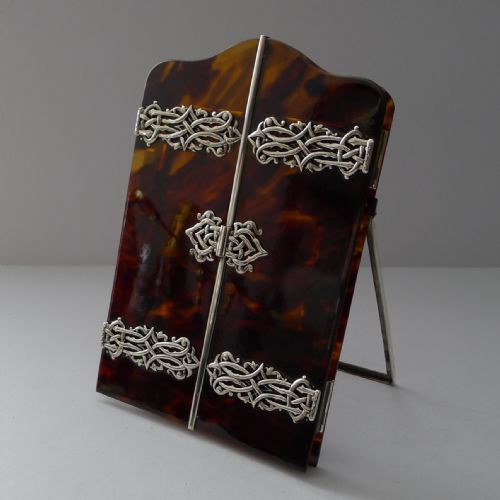
Casting provided heavy structural elements for table bells, picture frames, and centrepieces, while detailed wirework and piercing created lighter baskets and sweetmeat dishes. Master craftsmen also integrated imported ceramics and glass, mounting them securely in custom metal collars.
Victorian Decorative Silver Retail Price Guide 2026
Typical asking prices for victorian decorative silver among the pieces listed under this phrase on Sellingantiques today, from the lower quarter to the upper quarter. They describe what is for sale here now, not the wider market.
Listings feature items spanning the Victorian, Edwardian, and Regency periods, utilising silver, silver plate, glass, wood, and brass.
Judging Quality
Quality rests upon the crispness of the chasing and the depth of the repoussé relief, where sharply defined motifs indicate skilled handwork rather than mass production. The weight of the metal and the structural integrity of hinged joints also distinguish superior examples.
The integration of mixed materials reveals the maker's hand, seen in the precise fitting of tortoiseshell panels, enamel painting, or cut glass inserts. Better pieces maintain balance and proportion regardless of whether their style is austere Neoclassical or heavily ornate Renaissance Revival.
The Victorian Decorative Silver Glossary
- Repoussé
- A metalworking technique where the artisan hammers the metal from the reverse side to form a raised design in relief. This method defines much of the ornamentation on nineteenth-century chargers and bowls.
- Silver plate
- A thin layer of silver fused to a base metal core, such as copper or brass. It allowed Victorian households to display elaborate tableware at a lower cost than solid silver.
- Caddy spoon
- A short-handled spoon specifically designed for measuring loose tea leaves from a caddy. These small implements often display whimsical or highly detailed floral handles.
- Tazza
- An ornate shallow bowl or cup raised on a high foot and stem. They were typically utilised for serving fruit or sweets at formal dining tables.
- Biscuit barrel
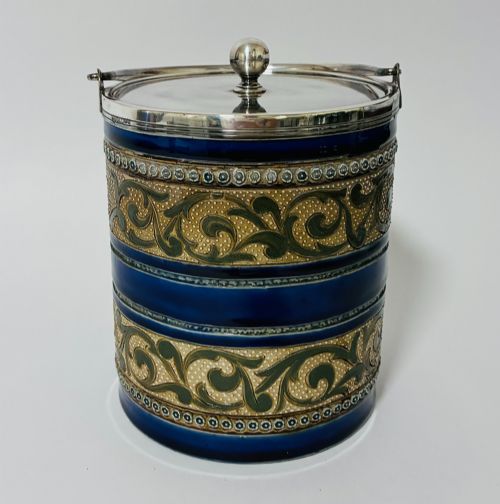
- A ceramic, glass, or metal container with a fitted lid used for storing dry biscuits. Victorian iterations frequently pair pottery bodies with heavy silver-plated mounts and swing handles.
Victorian Decorative Silver: Frequently Asked Questions
What was a biscuit barrel used for?
Biscuit barrels served as decorative containers for dry biscuits or sweet treats during Victorian afternoon tea and evening gatherings.
Hostesses kept them on the sideboard or dining table, utilising the fitted lid and handle to keep the contents fresh and allow guests to serve themselves.
How do I care for antique silver plate?
Care requires gentle cleaning with a soft cloth and dedicated silver polish to remove tarnish without wearing away the thin silver layer.
Avoiding abrasive materials preserves the underlying base metal and any delicate repoussé details.
How can I tell sterling silver from plate?
Sterling silver items generally bear official hallmarks indicating metal purity, the maker, and the assay office. Silver plate lacks these standard assay marks and may reveal the base metal underneath where friction occurs.