

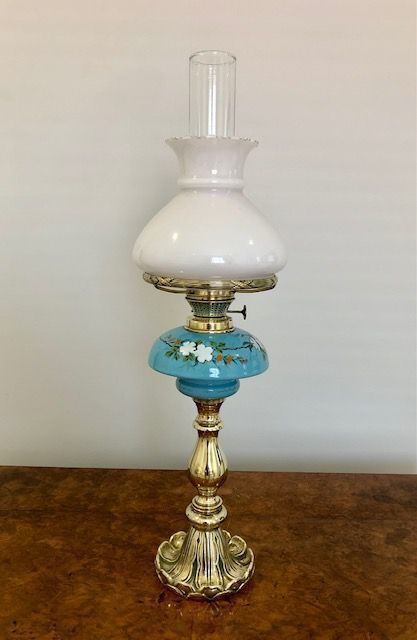


Victorian Decorative Sideboard
These pieces for a victorian decorative sideboard bring substantial timber and careful joinery into a dining room or hall.
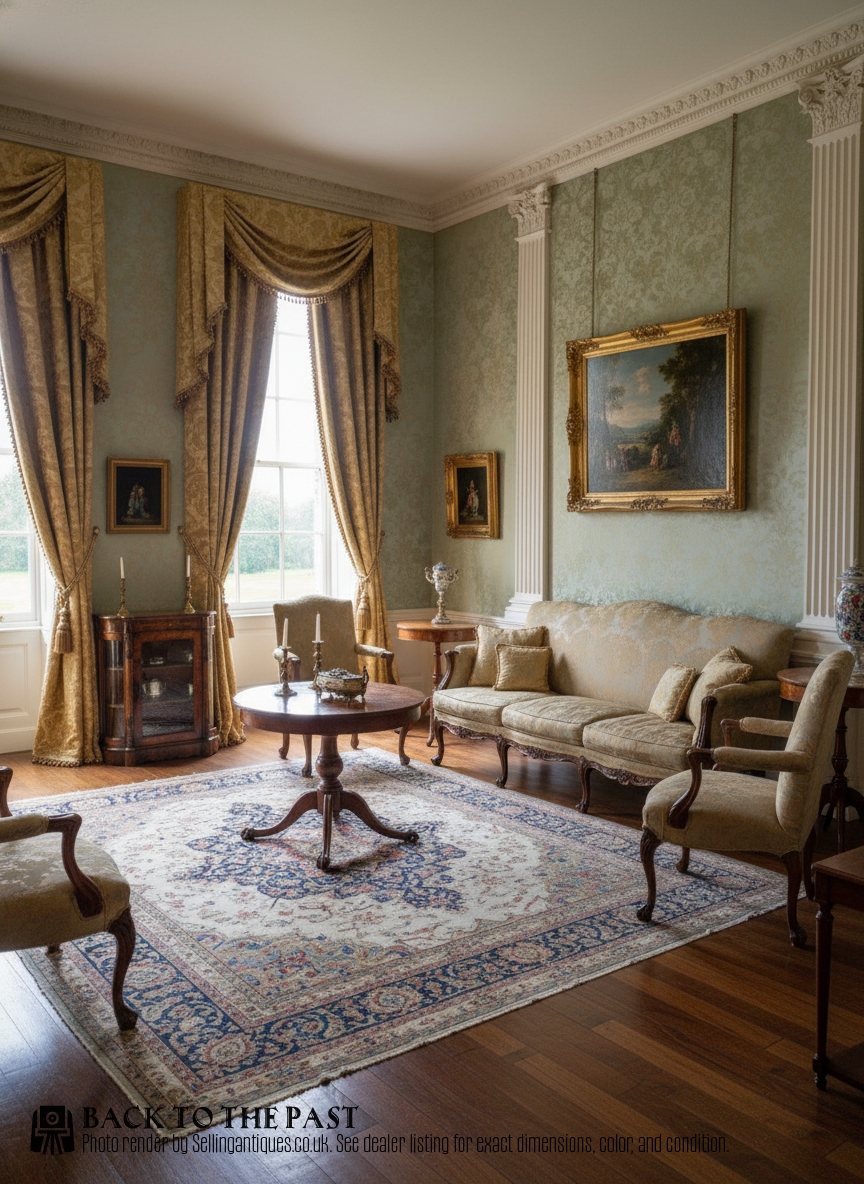
Victorian Decorative Sideboard
A victorian decorative sideboard combines generous storage with display surfaces, drawing on periods from the mid-nineteenth century onwards.
Most examples found here take the form of pedestals, credenzas, and mirror-back cabinets suited to period interiors.
Makers utilised walnut, oak, and mahogany, often incorporating glass, brass, and marble to elevate the surface design.
Construction and materials
Cabinet makers relied on solid timbers and burr veneers, pairing walnut and oak with fine satinwood inlay.
Metal mounts in brass and ormolu secure structural elements while adding contrast to the polished wood surfaces.
Victorian Decorative Sideboard Retail Price Guide 2026
Typical asking prices for victorian decorative sideboard among the pieces listed under this phrase on Sellingantiques today, from the lower quarter to the upper quarter. They describe what is for sale here now, not the wider market.
The furniture spans revival styles from Victorian Renaissance to Arts and Crafts and the Aesthetic Movement.
Judging quality and finish
Superior items display crisp carving and thoughtful timber selection, where burr walnut or bleached oak grain flows naturally across the doors and panels.
The refinement of the brass hardware and the integration of mirror glass or marble tops distinguish standard cabinetwork from exceptional commissions.
The Victorian Decorative Sideboard Glossary
- Credenza
- A low dining room cabinet, often fitted with glass doors for displaying porcelain or silver.
- Satinwood
- A pale, dense timber prized for contrasting inlay work and decorative banding.
- Ormolu
- Gilt bronze mounts applied to furniture and lighting to provide metallic highlights.
- Pedestal sideboard
- A heavy form featuring central serving space flanked by enclosed cupboards.
Victorian Decorative Sideboard: Frequently Asked Questions
Where should a sideboard sit?
These pieces suit dining rooms or large entrance halls where surface space and storage are both useful.
Ensure the floor is level so that heavy timber doors and drawers operate smoothly.
How do I clean the wood?
Dust regularly with a dry cloth and apply occasional beeswax to maintain the sheen of walnut or oak.
Avoid commercial sprays containing silicone, which can damage nineteenth-century finishes over time.
Are mirror backs original?
Mirror backs appear frequently on later cabinets and display pieces designed to reflect light in Victorian rooms.
Examine the mirror plate for light foxing, which often confirms period authenticity.
Can I store heavy items inside?
Solid timber construction makes these cabinets robust enough for everyday dining storage like ceramics and silver.
Distribute weight evenly across the interior shelves to protect the historical joinery.