


Victorian Decorative Pottery Vessel
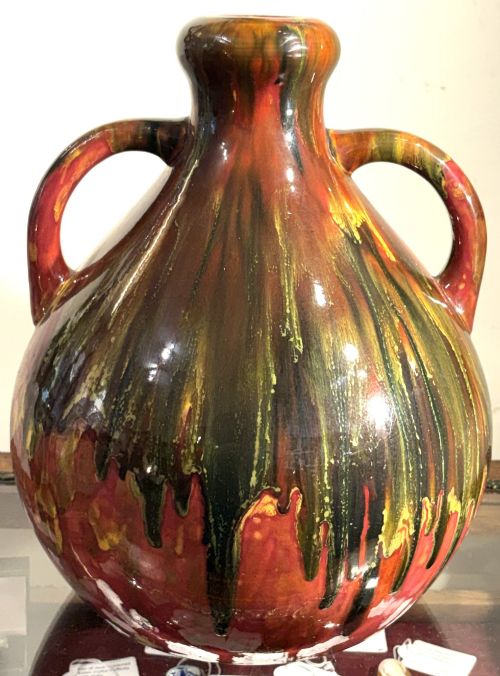
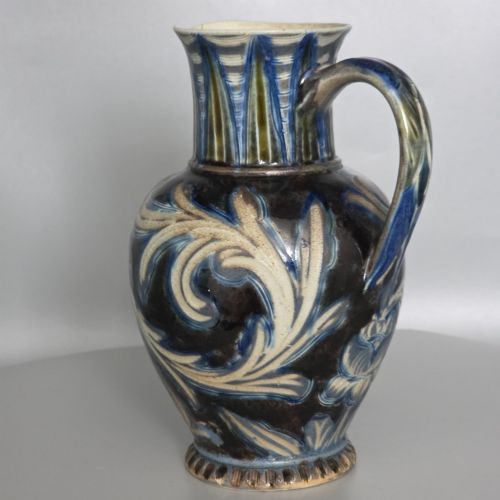
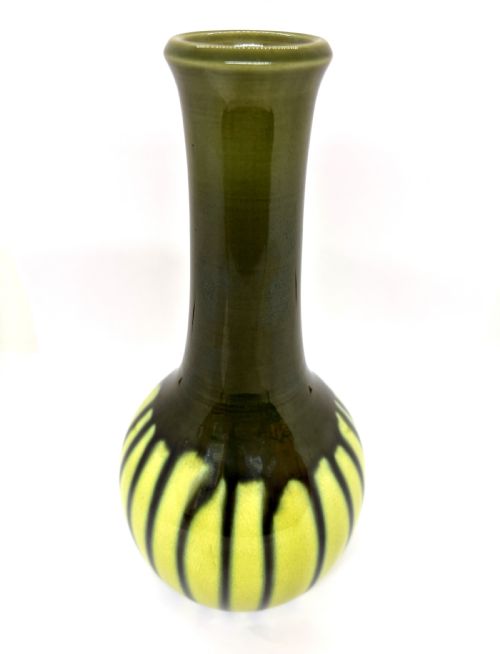
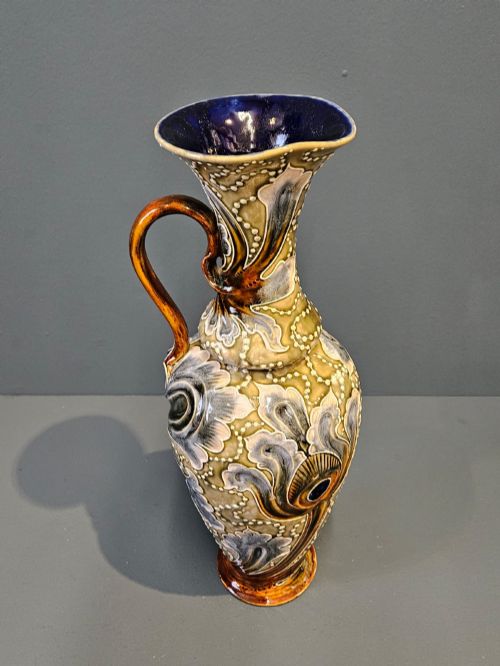
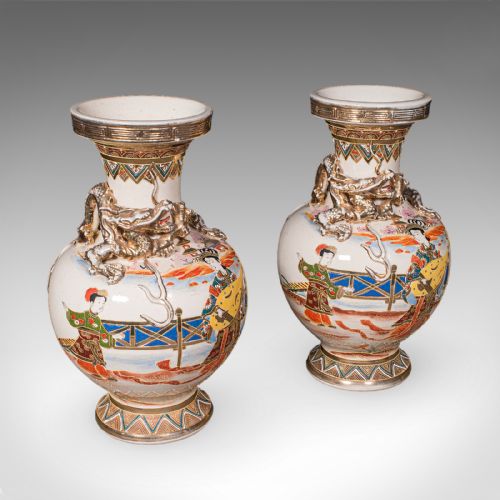
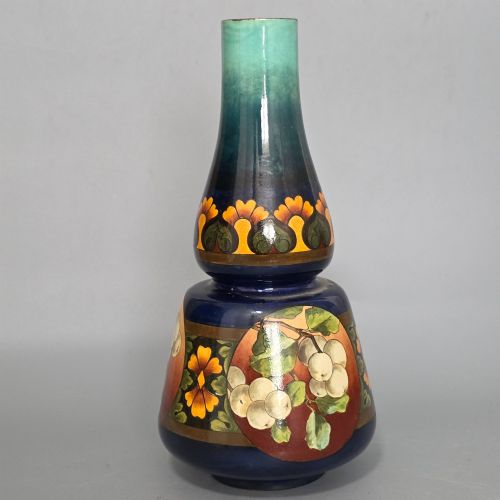
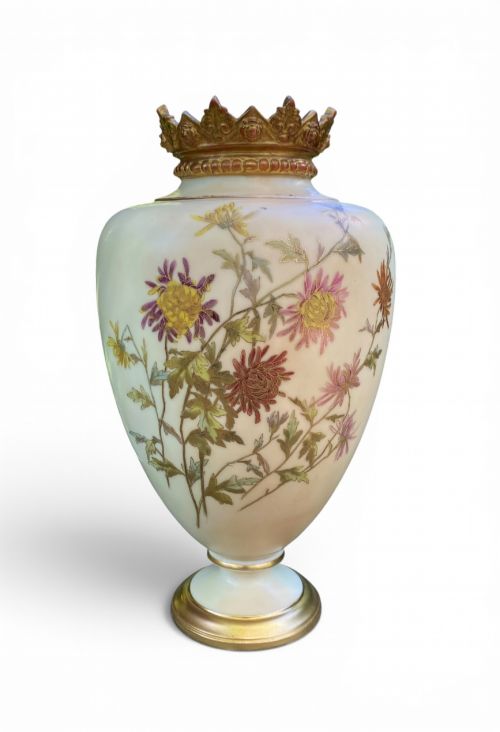
These Victorian decorative pottery vessel examples bring distinct nineteenth-century ceramic artistry into a room through varied forms like vases, jugs, and jardinieres.
Victorian Decorative Pottery Vessel
A buyer seeking a victorian decorative pottery vessel encounters a rich mix of nineteenth-century forms including vases, jugs, pitchers, ewers, and jardinieres. These pieces originate from British potteries and continental workshops, spanning periods from the mid-nineteenth century through to the early twentieth century.
The selection frequently includes notable British studio and commercial output, alongside continental majolica and Japanese ceramic imports from the Meiji period. Vases and twin-handled vessels dominate the forms available, often carrying stylistic influences ranging from Arts and Crafts to Art Nouveau.
The physical scale ranges from small cabinet vases to large floor-standing jardinieres and footbaths. Each object reflects the eclectic aesthetic tastes of the Victorian era, combining ornamental ambition with functional vessel shapes.
Materials and production
Potters utilised stoneware, earthenware, ceramic, and faience bodies, applying specialised glazes and enamel highlights to achieve varied surface textures. Many pieces incorporate incised decoration, relief moulding, and slip-cast detailing executed by skilled hands in established workshops.
Techniques such as Slaters Patent employed lace or fabric pressed directly into the damp clay body before firing to create intricate textured patterns. Specialised decoration methods like Intarsio combined rich earthen palettes with detailed painted motifs beneath clear glazes.
Surface treatments frequently merged matte stoneware bodies with glossy glazed highlights, gold leaf accents, and hand-painted figural or botanical scenes. The physical weight and density of the ceramic body depend directly on whether the piece is heavy salt-glazed stoneware or lighter porous earthenware.
One cheerful Victorian earthenware teapot depicts a cheeky Chinese boy perched atop a striped melon.
Assessing the execution
Quality separates through the sharpness of incised or moulded relief work and the precision of hand-painted brushwork. Pieces bearing specific artist monograms or factory stamps demonstrate individual studio oversight rather than mass factory production.
The richness and consistency of the glaze application dictate visual depth, particularly where multiple firing stages are required for complex enamels or lustre finishes. Balance of form and structural integrity across large vessels, ewers, and jardinieres separate master workshop output from standard commercial items.
Burmantofts Pottery·Doulton Lambeth·Royal Worcester·Sir Edmund Elton·Joseph Holdcroft·Minton
The Victorian Decorative Pottery Vessel Glossary
- Earthenware
- Porous pottery fired at lower temperatures, requiring an impermeable glaze to hold liquids. It forms the body for many majolica and decorative Victorian pieces.
- Stoneware
- Dense, vitrified ceramic fired at high temperatures until non-porous. This material provides the durable foundation for heavy salt-glazed jugs and ewers.
- Faience
- Tinned-enamel earthenware decorated with colourful painted glazes before a final firing. The technique produces smooth, opaque surfaces suitable for intricate pictorial designs.
- Jardiniere
- Large ornamental ceramic pot designed to hold living plants or floral arrangements. These footed vessels often match the decorative motifs of contemporary mantel vases.
Victorian Decorative Pottery Vessel: Frequently Asked Questions
How were these pottery vessels used?
Victorian vessels served both ornamental and practical functions within the domestic interior, ranging from holding cut flowers to displaying mantel ornaments.
Larger jardinieres and footbaths accommodated indoor plants or water, while ewers and jugs combined decorative display with utility on sideboards and antechambers.
Where were these pieces made?
Production centred around established British industrial potteries, particularly in Lambeth and the Midlands, alongside notable continental European factories.
Imports from Japanese Meiji period kilns also entered the Victorian market, alongside studio pottery from individual English makers.
How do I care for glazed ceramics?
Dust these decorative items gently with a dry microfiber cloth and avoid submerging pieces with vulnerable enamel or gold leaf accents in water.
Keep ceramic vessels away from direct sunlight and dramatic temperature fluctuations to protect surface glazes and underlying earthenware bodies.
How do I distinguish periods?
Examine the base for factory stamps, impressed registration marks, and individual artist monograms that provide clues to the manufacturing date.
Stylistic shifts from mid-century majolica through to Arts and Crafts incising and later Art Nouveau curves help anchor pieces within specific Victorian decades.