




Victorian Decorative Pottery Dish
These victorian decorative pottery dish examples bring rich nineteenth-century colour and pattern to a table or cabinet.
Victorian Decorative Pottery Dish
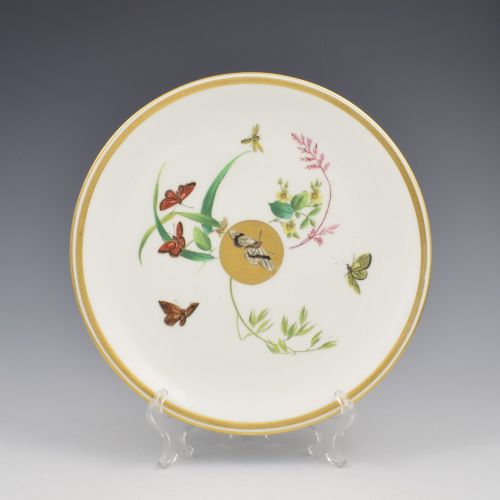
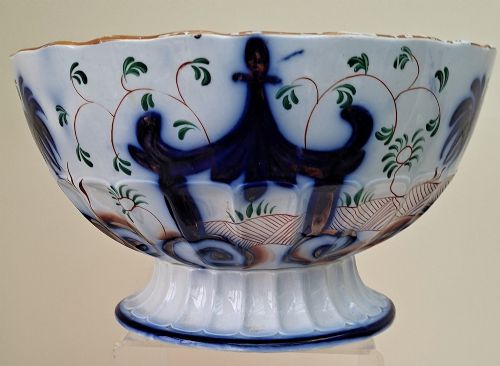
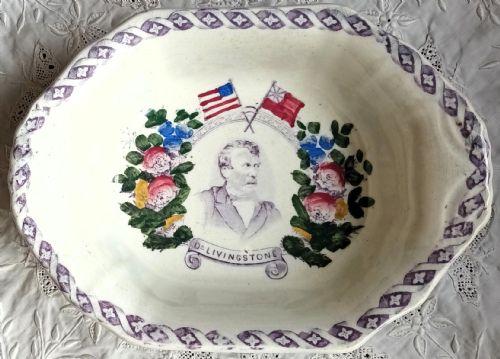
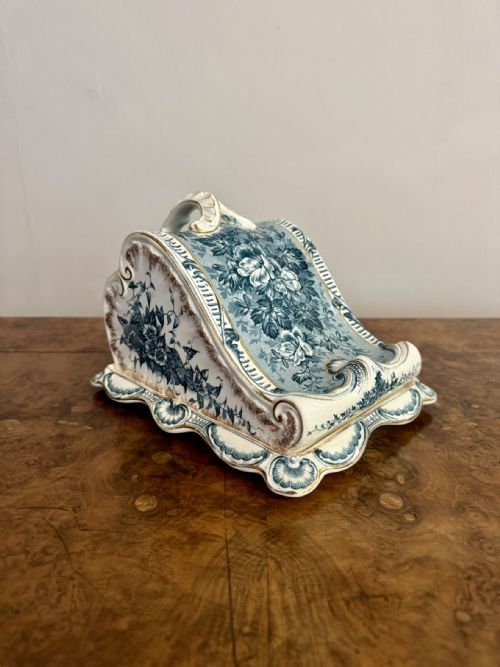
A victorian decorative pottery dish spans everything from cabinet plates and serveware to commemorative plaques and footed bowls. The selection relies heavily on nineteenth-century earthenware, ironstone and stoneware forms decorated with transfer print, hand painting and glaze. Aesthetic Movement, Chinoiserie and Victorian styles dominate the grouping, reflecting the diverse output of British and European kilns.
Buyers meet forms ranging from large cheese dishes and soup tureens to cabinet plates and egg tureens. Scottish and English potteries produced commemorative pieces alongside robust kitchen and dining wares. Copeland, Minton and Mason's pieces appear frequently among the plates, bowls and chargers available.
How they were made
Makers utilised earthenware, ironstone and stoneware bodies shaped into plates, bowls, plaques and tureens. Potters applied glazes, enamels and gilt highlights to finish the surfaces.
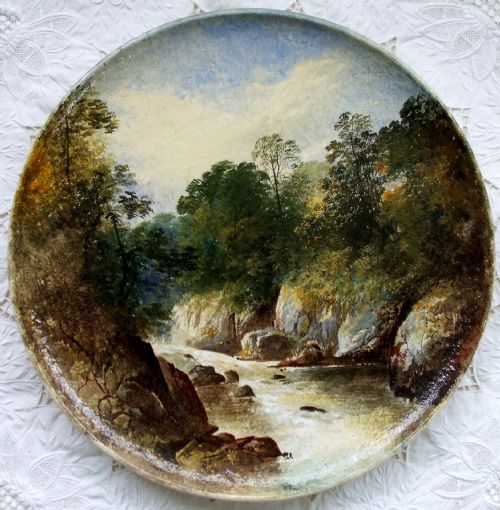
Decoration techniques combined transfer printing with hand painting, as seen in Chinoiserie motifs, spongeware applications and scenic landscape plaques. Specialised artists signed individual ceramic plaques and painted bowls.
What varies in quality
Quality rests upon the crispness of the transfer print, the hand-painting skill and the preservation of gilt and enamel details. Pieces signed by named artists or produced by notable potteries command greater attention.
The sophistication of the design, such as Aesthetic Movement Japanese styles or detailed majolica modeling, separates standard utility wares from superior cabinet pieces.
Minton·Mann And Co·Doulton Burslem·John Ridgway·Doulton Lambeth·Masons
The Victorian Decorative Pottery Dish Glossary
- Ironstone
- A dense, durable type of earthenware patented in the nineteenth century. It provided a strong body for large chargers, soup tureens and plates.
- Majolica
- A colourful, heavy earthenware glazed with opaque tin enamels. It frequently depicts natural subjects like birds, flowers and foliage.
- Spongeware
- Pottery decorated by dabbing pigment onto the ceramic body with a sponge. This technique created mottled patterns on utilitarian bowls and dishes.
- Comport
- A decorative footed dish or bowl used for serving fruit or dessert. These pieces stand raised above the table surface on a pedestal base.
- Chinoiserie
- European artistic style reflecting Chinese motifs and landscapes. It appears widely on nineteenth-century plates, bowls and dishes.
Victorian Decorative Pottery Dish: Frequently Asked Questions
How do I display a ceramic plaque?
Ceramic wall plaques are fitted with hanging wires or displayed on sturdy plate stands inside cabinets.
Position them away from direct sunlight to preserve the painted enamels and gilt details over time.
Are these dishes safe for food?
Many nineteenth-century pieces contain lead glazes or show wear that makes modern culinary use impractical.
Treat them primarily as decorative tableware or display items rather than everyday kitchenware.
What is an egg tureen?
An egg tureen is a specialised Victorian serving vessel often shaped like a hen sitting on a basket.
Victorian households used these covered ceramic dishes to keep boiled eggs warm at the breakfast table.
How do I identify Aesthetic Movement pieces?
Aesthetic Movement ceramics draw heavily on Japanese design principles, featuring asymmetric layouts, fans and butterflies.
These nineteenth-century pieces often combine gilt sun motifs with muted earthenware or porcelain backgrounds.