

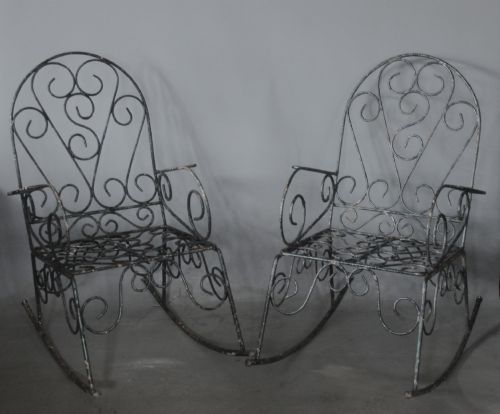


Victorian Decorative Chair
These victorian decorative chair examples bring nineteenth-century walnut, cast iron, and oak into modern rooms through varied forms like salon chairs and garden benches.
Victorian Decorative Chair
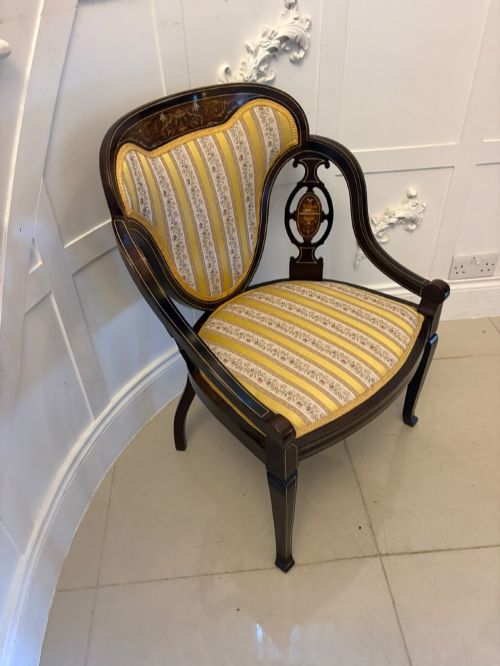
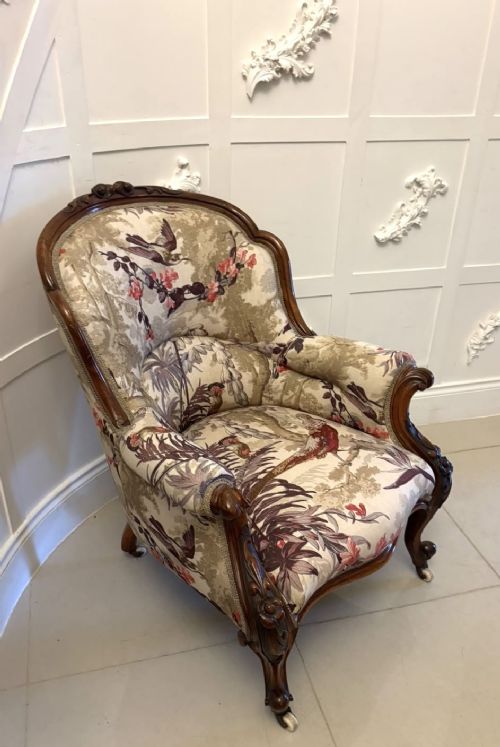
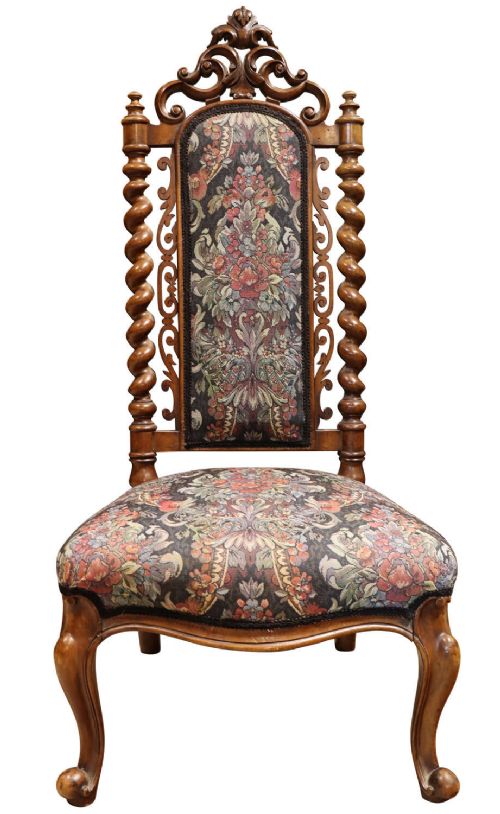
A victorian decorative chair encompasses nineteenth-century seating designed primarily for display and reception rather than utilitarian service. Buyers seeking this category encounter forms ranging from walnut low salon chairs and papier-mâché bedroom seats to cast iron garden furniture.
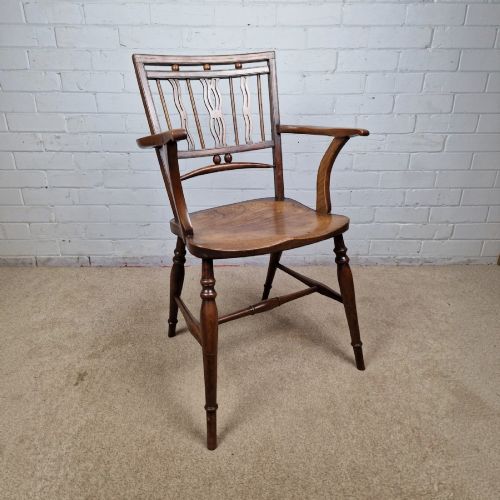
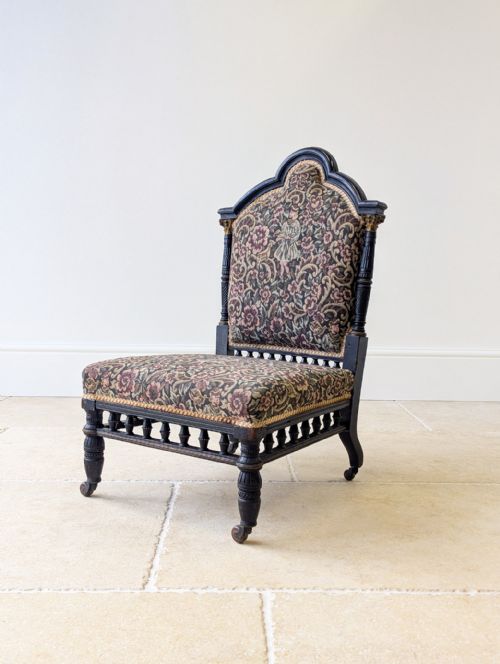
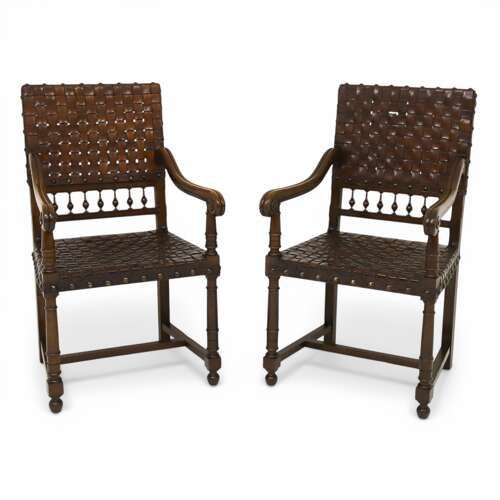
The materials span traditional hardwoods like walnut and oak alongside wrought and cast iron, often enriched with tapestry upholstery, hand-painted details, or woven leather. Regional country pieces such as the Mendlesham chair sit alongside revival styles including Carolean, Gothic, and Aesthetic Movement designs.
Most pieces date from the nineteenth century, though related variants extend into the early twentieth century. Function varies widely from hall chairs and rocking chairs to spinning chairs and window seats.
Materials and construction
Makers utilised solid timbers such as walnut, oak, and mahogany for carved frames, sometimes employing ebonising or paint finishes to alter the surface appearance. Papier-mâché construction involved layered paper pulp reinforced and lacquered to create smooth, durable shells suitable for mother-of-pearl inlay or hand painting.
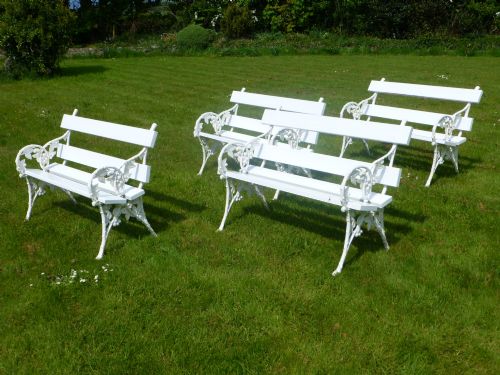
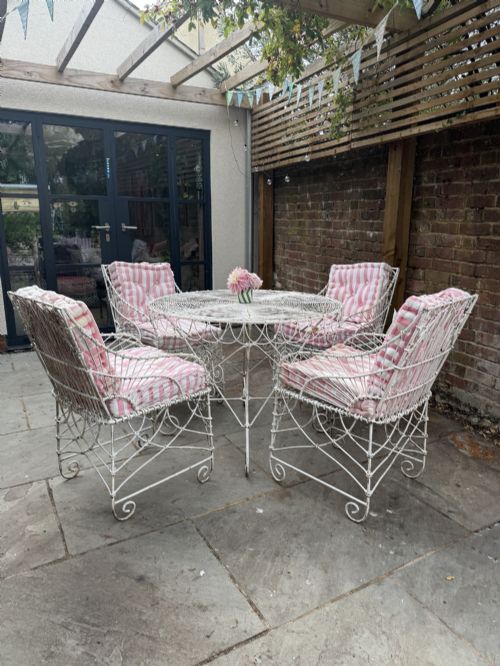
Metalwork relies on cast iron and wrought iron, particularly in garden benches and chairs, frequently shaped with botanical motifs like blackberry and leaf patterns. Upholstery methods incorporated tapestry and leather fixed to the wooden framework with careful hand tacks.
Victorian Decorative Chair Retail Price Guide 2026
Typical asking prices for victorian decorative chair among the pieces listed under this phrase on Sellingantiques today, from the lower quarter to the upper quarter. They describe what is for sale here now, not the wider market.
Cast iron garden chairs cast with blackberry and leaf motifs let you sit comfortably inside a metal briar patch.
Distinctions in quality
The standard of a victorian decorative chair rests upon the crispness of its carving and the integrity of its timber selection. Finer examples display deep, deliberate hand-carving in walnut or oak rather than shallow machine profiling, alongside well-balanced structural proportions.
Surface finish also dictates grade, where original patination, intact hand-painted decoration, or well-preserved japanning elevate a piece significantly above examples with later or heavy-handed over-finishing.
Falkirk foundry·Jennens and Bettridge
The Victorian Decorative Chair Glossary
- Aesthetic Movement
- A late nineteenth-century design style focusing on art for art's sake, often featuring ebonised wood and simple geometric lines. It rejected heavy Victorian ornamentation in favour of cleaner, Japanese-inspired motifs.
- Carolean Revival
- A late nineteenth-century style imitating the ornate, scroll-carved furniture of the late seventeenth-century reign of Charles II. These pieces typically feature pierced cresting rails and turned legs.
- Papier-mâché
- A composite material made from paper pulp or layers of paper mixed with glue and resin, then pressed and dried. It forms a hard, lightweight surface that accepts lacquer and paint exceptionally well.
- Glastonbury Chair
- A type of low wooden armchair with an X-framed base and a sloping panel back. This form is associated with medieval ecclesiastical furniture revived during the nineteenth century.
Victorian Decorative Chair: Frequently Asked Questions
How do I identify a Victorian chair?
Look for characteristic nineteenth-century timber choices like walnut or rosewood, combined with revival ornamentation such as Aesthetic Movement ebonising or heavy carving. Construction methods often reveal period hand-tooling beneath the upholstery.
Compare the specific form against documented regional styles and nineteenth-century pattern books to narrow down the decade of production.
Can I use these chairs daily?
Many decorative chairs were built for light drawing room or salon use rather than heavy daily lounging. Lighter forms like papier-mâché or small salon chairs require careful placement to protect fragile surfaces and frames.
Sturdier oak hall chairs and cast iron garden benches handle regular weight much better, provided their joints and fixings remain secure.
What is an ebonised finish?
Ebonising is a chemical or pigment treatment applied to cheaper timbers like beech or fruitwood to simulate expensive ebony. This dark, polished finish became particularly popular during the Aesthetic Movement.
Inspect the surface under bright light to check whether the dark tone penetrates the wood grain or sits purely as a surface paint layer.
Where were hall chairs placed?
Hall chairs stood in entrance hallways and vestibules to provide brief seating for callers waiting to be announced. They were typically made of solid oak or mahogany and featured wooden seats without upholstery.
Their designs frequently incorporated carved family crests or bold architectural backs suited to grand entryways.