
Victorian Decorative Bowl
These pieces take the form of a victorian decorative bowl, bringing nineteenth-century craftsmanship to surfaces and tables through varied ceramic, glass and metal forms.
Victorian Decorative Bowl
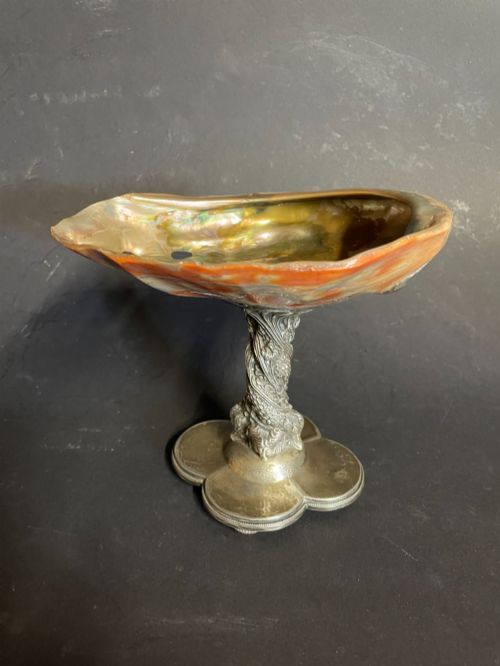
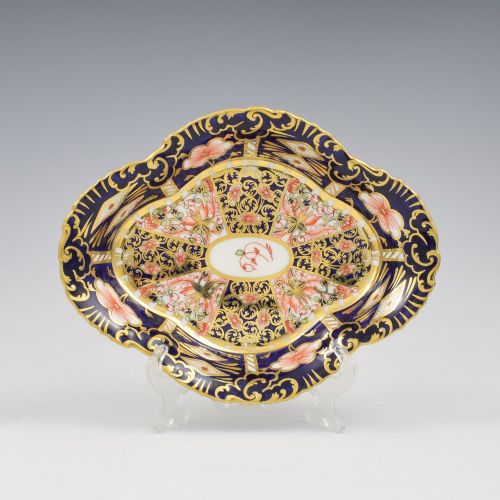
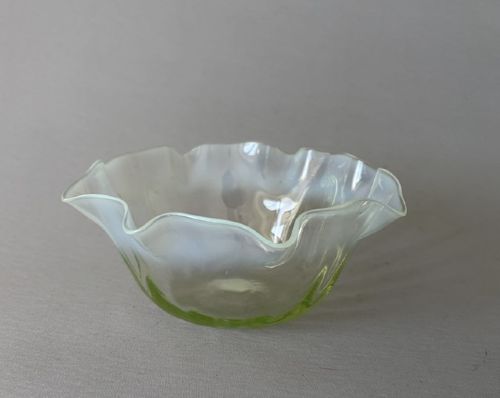
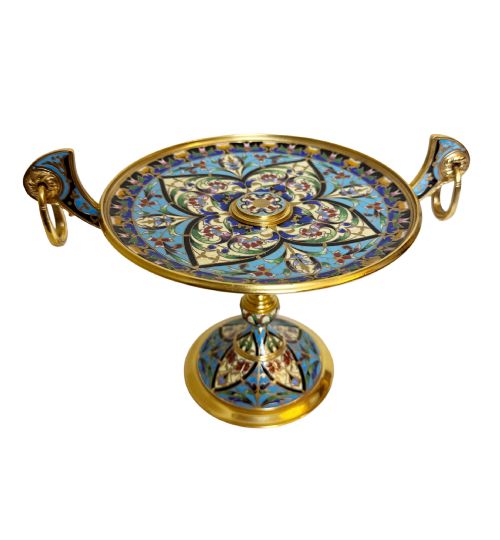
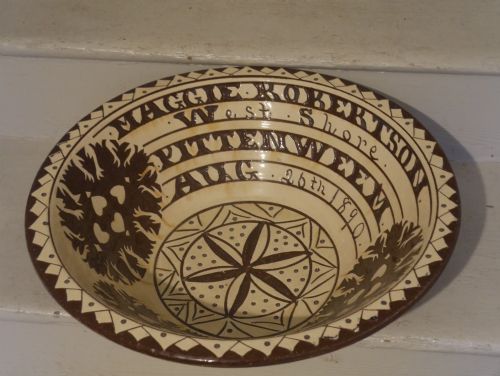
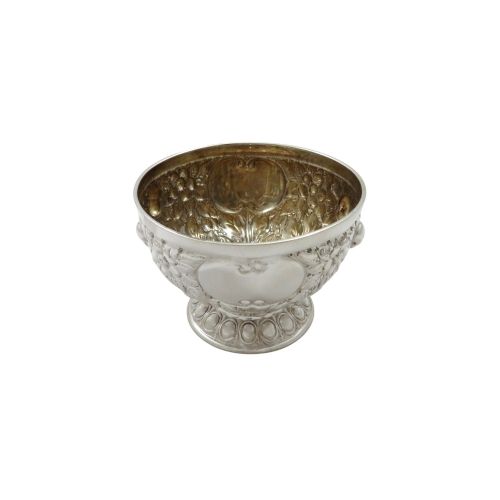
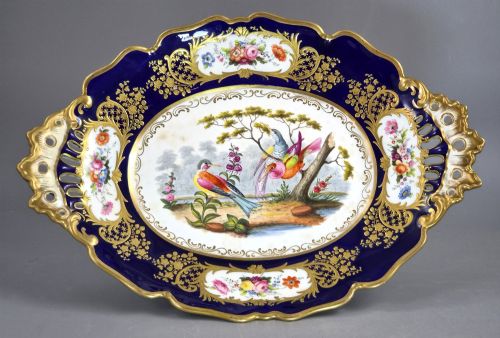
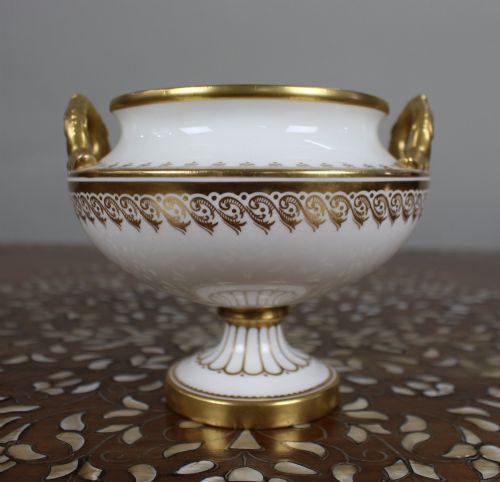
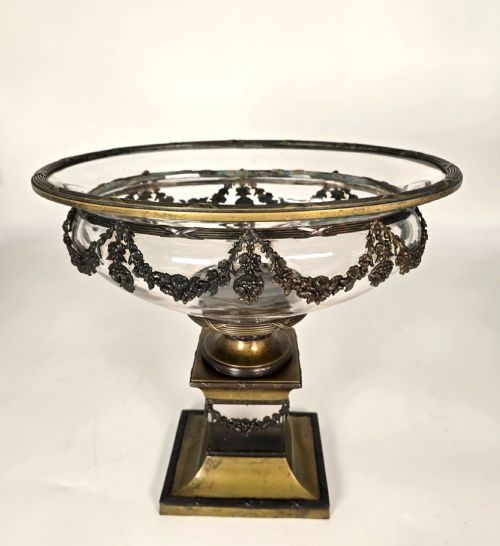
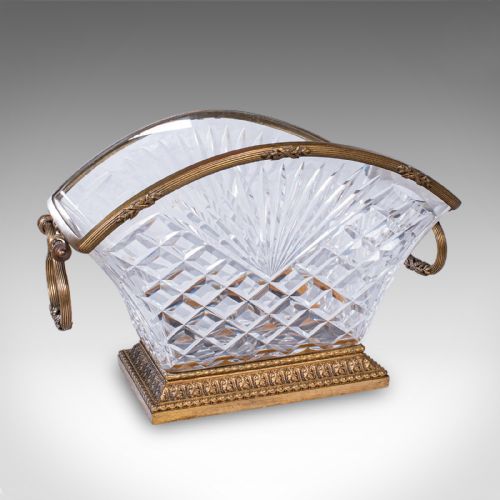
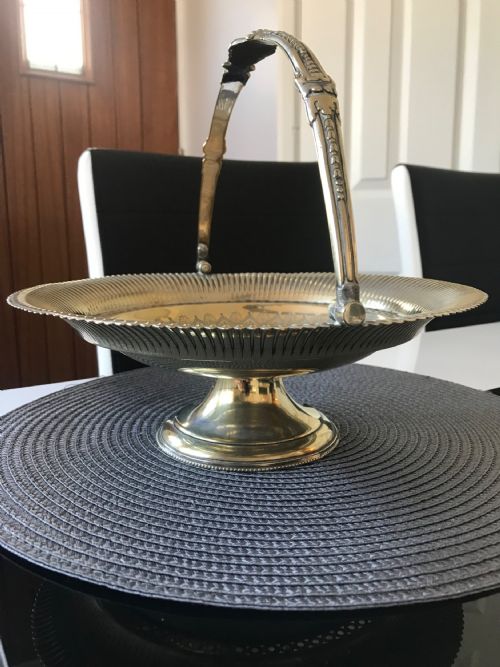
A victorian decorative bowl encompasses a broad range of nineteenth-century vessels designed for display rather than utility, including footed comports, tazzas, jardinieres and cabinet dishes. The examples encountered on this page span diverse international origins, featuring English porcelain, French ormolu-mounted glass, Scottish earthenware and Anglo-Indian metalwork.
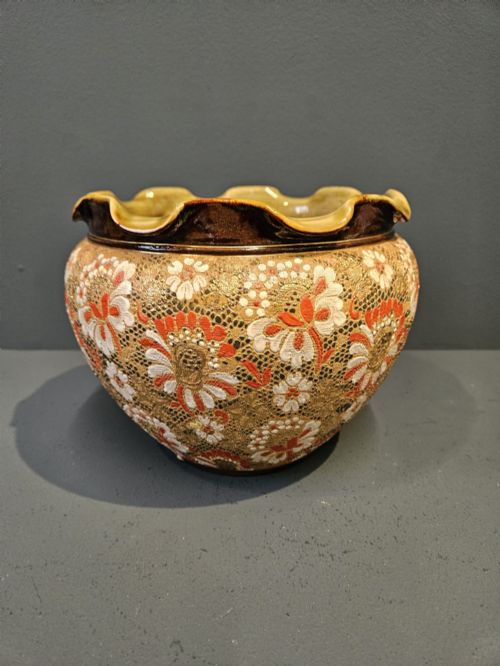
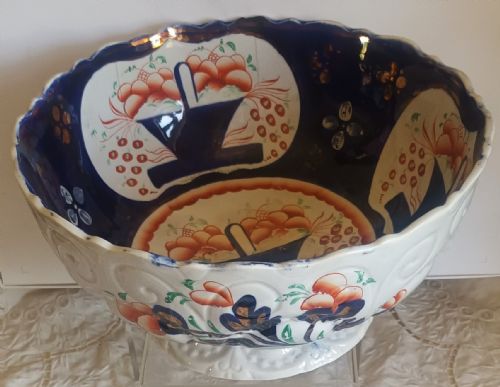
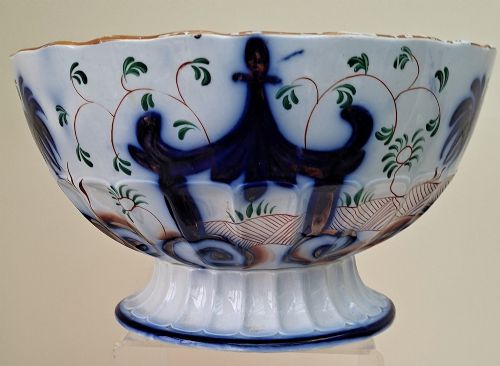
Makers and potteries from the period utilised specific regional styles, from Gaudy Welsh earthenware and Doulton stonewares to intricate Champlevé enamel centrepieces. Buyers frequently encounter forms intended for fruit, flowers or central table decoration, often bearing specific regional patterns like the Pagoda or Basket of Flowers.
Materials and Technique
Construction methods rely heavily on the interplay between fired bodies and decorative surfaces, combining porcelain, earthenware and stoneware with applied glazes, gold leaf or cobalt blue designs. Metal components utilise cast brass, bronze, ormolu and silver plate, frequently incorporating champlevé enamel or inset agate cabochons.
Glass vessels employ cut glass, cranberry liners and latticinio techniques, while organic materials appear in papier-mâché card baskets. Potteries shaped these wares using traditional moulding and throwing before applying hand-painted floral motifs or transfer-printed patterns.
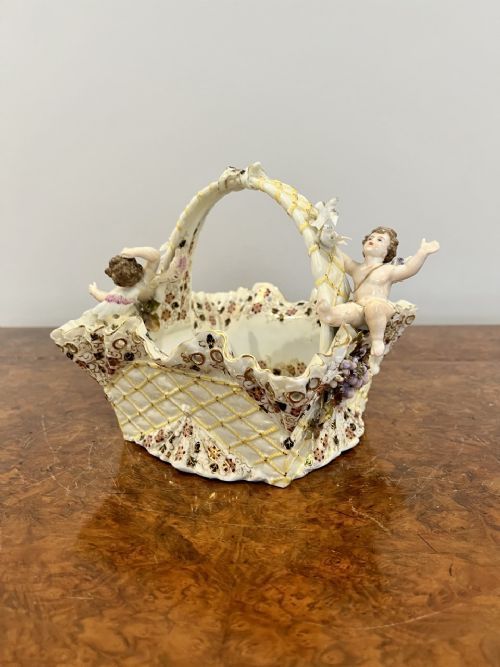
Twelfth-century style revival pieces sit alongside delicate papier-mâché card baskets, proving the Victorians were willing to put decorative bowls on literally anything.
Distinctions in Quality
The degree of refinement separates standard production pieces from exceptional works, visible in the crispness of cast bronze mounts and the precision of hand-painted details by named artists. Superior examples demonstrate harmonious integration between metal hardware and ceramic or glass bodies, whereas lesser items show generic moulding.
The depth and complexity of surface decoration dictate the tier of a piece, such as multi-fired enamel work versus simple transfer printing. Richer materials, including heavy silver plating, fine porcelain pastes and detailed repoussé work, elevate the standing of the vessel.
Coalport·Doulton Lambeth·Royal Doulton·Mann Co·Doulton Burslem·Frank Butler·Masons Ironstone·Royal Worcester·Salviati Venice
The Victorian Decorative Bowl Glossary
- Tazza
- A shallow bowl or plate mounted on a stem and foot, originating from Renaissance Italy. These elevated vessels were frequently utilised for serving fruit or as decorative centrepieces.
- Jardiniere
- An ornamental pot or stand designed to hold growing plants or flowers. They appear in ceramic, brass and stoneware across nineteenth-century interiors.
- Comport
- A shallow dish or bowl raised on a pedestal, traditionally used for serving fruit or sweetmeats at the table. They often form part of larger matched dining services.
- Champlevé
- An enamelling technique where troughs or cells are carved into a metal surface and filled with vitreous enamel powder before firing. The resulting design displays vibrant coloured patterns flush with the metal partitions.
- Ormolu
- Gilded bronze, produced by applying a high-carat mercury-gold amalgam to a bronze base. The technique creates a rich golden finish characteristic of decorative mounts on nineteenth-century glass and porcelain.
Victorian Decorative Bowl: Frequently Asked Questions
What was a victorian decorative bowl used for?
These vessels served primarily as ornamental centrepieces for dining tables, sideboards and mantelpieces during the nineteenth century. Many held fruit, flowers or calling cards depending on their specific form and room placement.
Larger jardinieres accommodated potted plants, while specialised tazzas and comports displayed sweetmeats or desserts during formal meals before transitioning into purely decorative objects.
How do I identify the period of a bowl?
Dating relies on observing a combination of material composition, manufacturing marks and stylistic indicators such as Aesthetic Movement or Neoclassical motifs. Transfer-printed registry marks and impressed pottery stamps often provide specific production years.
Examining the base and interior wear patterns helps confirm nineteenth-century origin, as does recognising the distinct paste types used by factories like Doulton or Coalport.
Are these bowls suitable for daily use?
Most surviving examples function best as display pieces rather than functional tableware due to their age and delicate decorative surfaces. Historic glazes, hand-painted enamels and delicate gilt bronze mounts require gentle care to prevent surface wear.
Sturdier stoneware or ironstone pieces tolerate light usage, but antique glass liners and painted porcelain dishes are best reserved for visual appreciation.