


Victorian Decanter Label
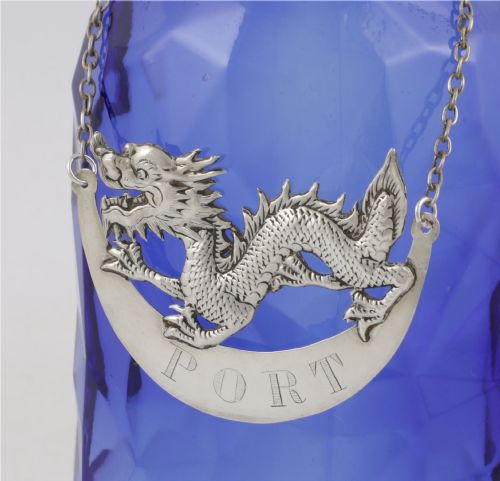
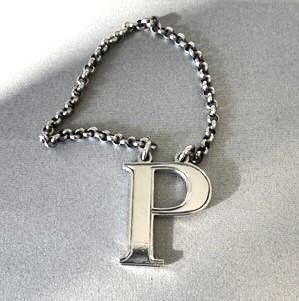
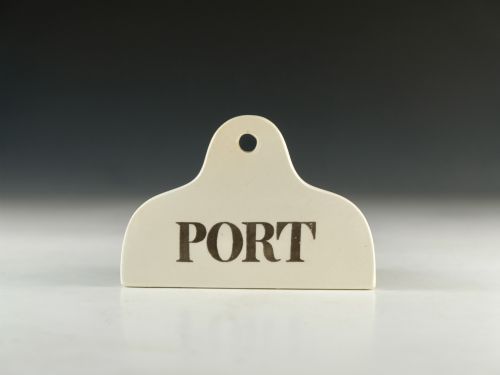
A victorian decanter label identifies the contents of a bottle with shaped metal or ceramic hanging by a chain.
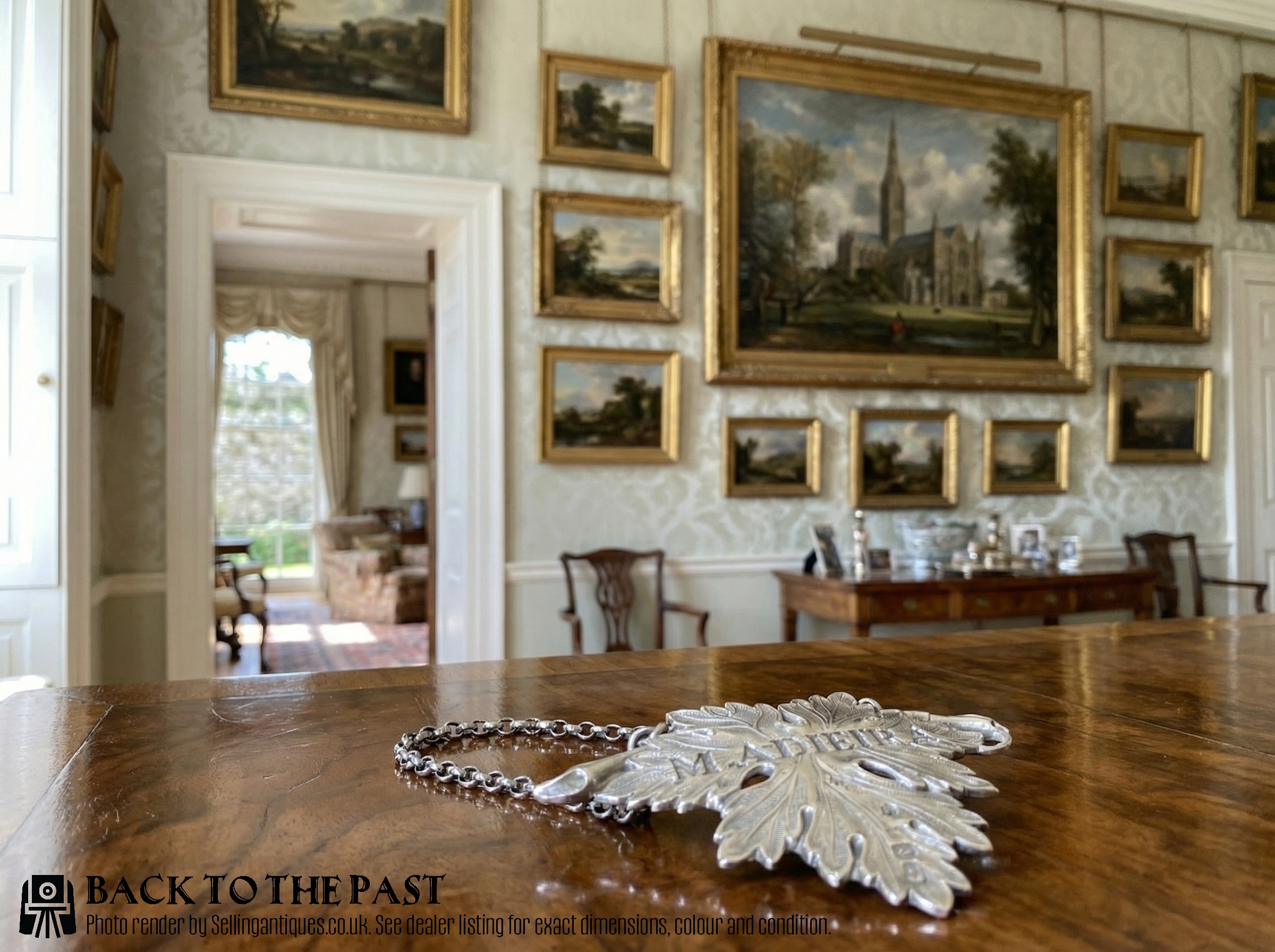
Victorian Decanter Label
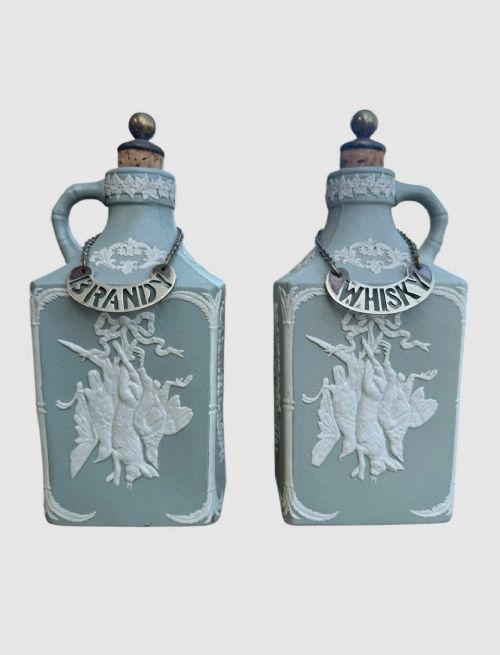
A victorian decanter label serves to name spirits and wines such as port, sherry, brandy, and whisky. These small tags hang around the neck of bottles or decanters using chains or collars.
Most pieces seen here date from the Victorian period, alongside Georgian and Edwardian examples. Materials range from solid sterling silver and silver plate to glass, stoneware, and glazed earthenware.
Forms include engraved rectangles, shields, scrolls, and naturalistic vine leaves. Some pieces accompany decanters, apothecary bottles, and spirit flagons.

How They Were Made
Silversmiths shaped sterling silver through cutting, piercing, and stamping. Engraving provided the spirit titles, monograms, and decorative borders.
Makers utilised casting techniques for heavier vine leaf motifs and applied silver gilt or hallmarks to confirm origin and metal purity.
A tiny silver chain keeps the port from being mistaken for the gin.
What Varies in Quality
Execution of the metalwork separates standard examples from finer pieces. Crisp piercing, deep hand engraving, and heavy gauge silver indicate superior craftsmanship.
Attribution to known silversmiths and complete hallmarks add distinction. The presence of specific, less common wine titles also elevates the interest of a tag.
Nathaniel Mills·Hilliard & Thomason·George Unite
The Victorian Decanter Label Glossary
- Hallmark
- Official stamps struck on precious metals to show purity, place of assay, and year of manufacture. These marks help date silver items accurately.
- Escutcheon
- A shield-shaped plaque used for naming the bottle contents. This form is common in Georgian and early Victorian designs.
- Vine Leaf
- A decorative motif shaped like foliage and grapes, frequently utilised in nineteenth-century silversmithing for claret and port labels.
- Silver Gilt
- Silver covered with a thin layer of gold on the surface. This technique adds colour contrast to engraved details.
- Bin Label
- A ceramic or metal tag hung in wine cellars rather than on a bottle. These identify bins or bottle racks.
Victorian Decanter Label: Frequently Asked Questions
What are victorian decanter labels made from?
Most examples are formed from sterling silver or silver plate. Some rarer pieces feature glazed earthenware, stoneware, or cobalt glass.
Silversmiths occasionally applied silver gilt to enhance engraved details on the metal surface.
How do you hang a decanter label?
These tags typically attach to a fine link chain that slips around the neck of a decanter or bottle. The chain suspends the metal tag just below the stopper.
Alternative designs utilise a rigid silver collar that fits directly onto the bottlenecks of certain decanter styles.
Which drinks are named on these labels?
Common spirit and wine titles include port, sherry, brandy, whisky, gin, rum, and madeira. Less frequent names like claret, hock, sauterne, and marsala also appear.
Some tags feature single initials or monograms instead of full beverage names for flexible use.
How do I date a silver label?
London and provincial assay office hallmarks stamped into the silver provide the exact year of manufacture. Stylistic shifts from Georgian shields to Victorian vine leaves also help indicate the period.
Maker marks give further clues to the decade the piece was created.