





Victorian Cutlery Box
A victorian cutlery box stores fine silver and utensils safely in timber lined with soft fabric.
Victorian Cutlery Box
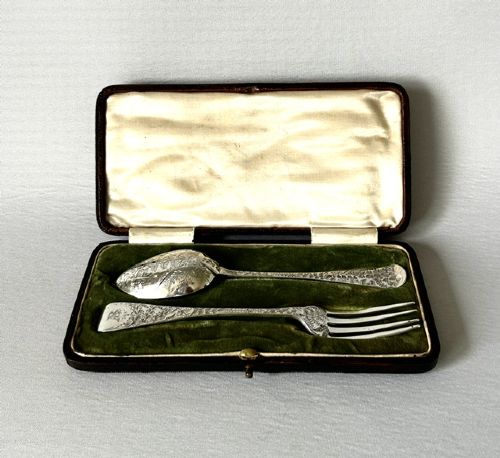
A victorian cutlery box serves as a secure storage container for dining implements, often built from sturdy woods such as oak and mahogany to protect silver and plated ware inside. These pieces originate across the nineteenth century and into the early twentieth century, reflecting the domestic habits of the era through dedicated canteens, trays, and chests.
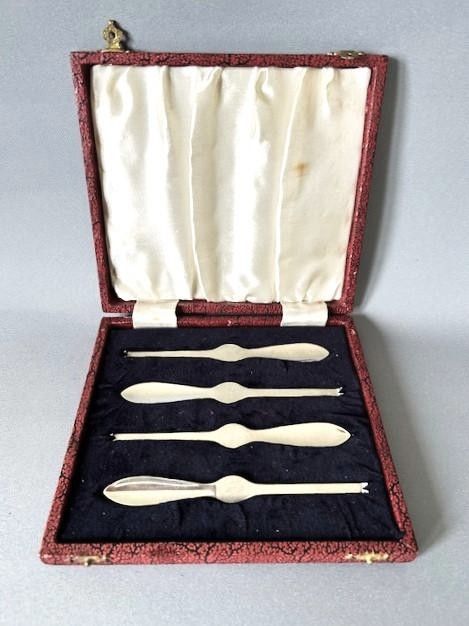
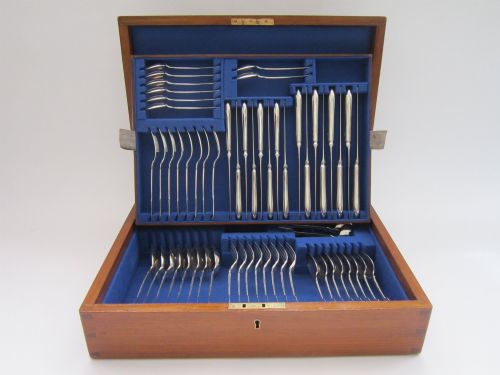
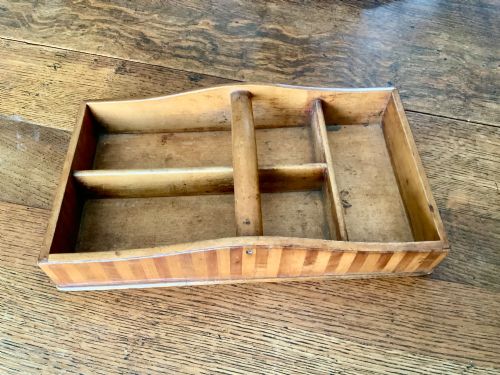
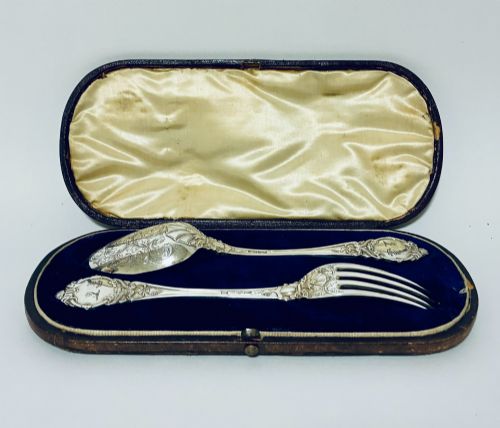
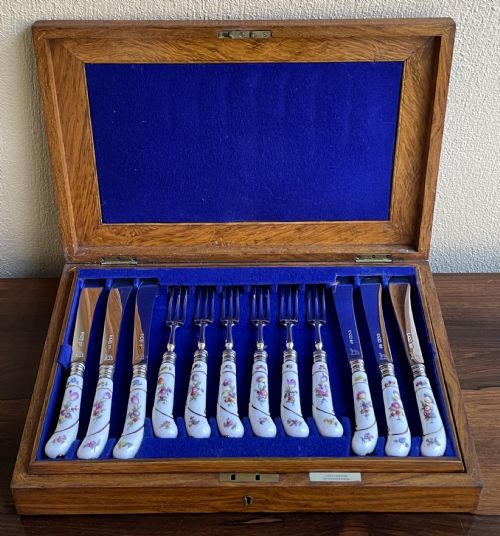
The buyer meets various formats on this page, ranging from fitted wooden canteens designed to hold complete sets of flatware to open trays and hanging kitchen boxes. Interiors frequently feature velvet or silk linings tailored to keep individual knives, forks, and spoons from scratching during transport or storage.
Origins stretch from English country houses to continental workshops, with styles spanning standard Victorian, late Victorian, and Edwardian periods. Some examples incorporate brass hardware or leatherette coverings, while others present plain timber surfaces suited to rigorous daily use in large households.
Materials and construction methods
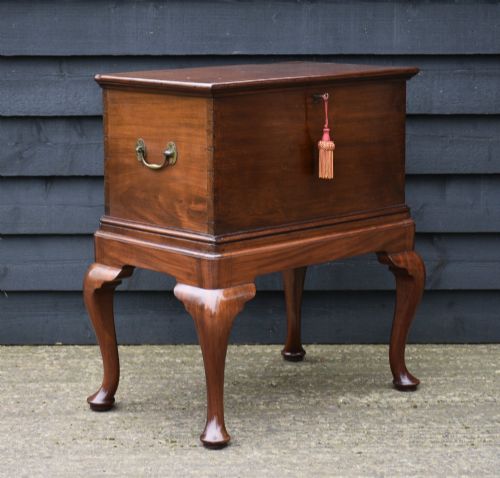
Wood forms the primary structural material, utilising durable hardwoods like oak, mahogany, and fruitwood to build robust chests, trays, and boxes that endure decades of handling. Joinery techniques from the period ensure sturdy corners and reliable lids designed to support fitted interior partitions.
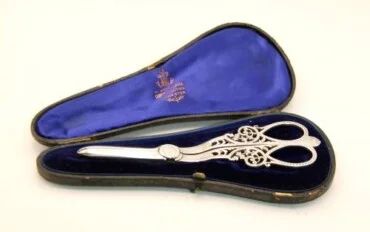
Interiors rely on tactile textiles such as velvet and silk to cushion metal implements, while exterior details often incorporate brass locks, hinges, and carrying handles. Metalwork components like sterling silver and silver plate frequently accompany these pieces in the form of fitted cutlery sets, knife rests, and serving tools.
Victorian Cutlery Box Retail Price Guide 2026
Typical asking prices for victorian cutlery box among the pieces listed under this phrase on Sellingantiques today, from the lower quarter to the upper quarter. They describe what is for sale here now, not the wider market.
Listings feature oak, mahogany, and fruitwood alongside velvet, silk, and sterling silver components.
Assessing quality and craftsmanship
Quality reveals itself in the selection of timber and the precision of the interior fittings, where tightly fitted partitions and intact silk or velvet linings indicate superior original manufacture. Finely figured grain on burr walnut or polished mahogany demonstrates greater attention to aesthetic detail than plain utility boxes.
The integrity of the structural joinery and the presence of original brass hardware distinguish finer pieces from standard domestic items. Complete sets that retain their original fitted utensils within the box reflect a higher tier of preservation and historical completeness.
Carrington·Hukin & Heath·Robert Stebbings
The Victorian Cutlery Box Glossary
- Canteen
- A fitted box or chest designed specifically to hold a complete set of cutlery in dedicated slots or layers. This ensures each piece remains separated and protected from tarnishing or damage.
- Fiddle Pattern
- A traditional nineteenth-century flatware handle shape featuring a narrow stem that widens gradually towards a squared, curved end resembling a musical instrument. It appears frequently on silver spoons and forks from the period.
- Knife Rest
- A small support, often in silver, glass, or mother-of-pearl, placed on the dining table to keep carving or eating knives elevated between courses. This prevents the blades from soiling the tablecloth.
- Toleware
- Japanned or enamelled metalware used for domestic containers, trays, and buckets in nineteenth-century kitchens. The painted finish provided a durable surface for household tasks.
- Silver Plate
- A base metal, such as copper or Britannia metal, coated with a thin layer of sterling silver to give the appearance and lustre of solid silver at a lower cost.
Victorian Cutlery Box: Frequently Asked Questions
What is a victorian cutlery box used for?
A victorian cutlery box holds flatware, serving sets, and specialised dining implements in organised compartments. These containers protected valuable silver from dust and tarnish when not in use on the dining table.
Households utilised them in dining rooms, pantries, and country house kitchens. Today, collectors continue to use them for storing modern or vintage cutlery collections.
How do I date a victorian cutlery box?
Dating relies on examining the wood species, construction methods, hardware, and interior textile linings. Mahogany and oak styles shifted across the nineteenth century from plain utilitarian forms to more decorative fitted canteens.
Assaying marks on any accompanying silver utensils or stamps on the locks can also narrow down the production decade. Edwardian examples often display lighter timbers and simpler transitional lines.
Are the interior linings usually original?
Many pieces retain their original velvet or silk linings, showing age-appropriate wear from decades of use. Original linings often feature custom slots shaped precisely to fit the accompanying knives and forks.
When a lining appears remarkably fresh, it may indicate professional restoration. Buyers frequently appreciate surviving original fabrics for their historical authenticity.