

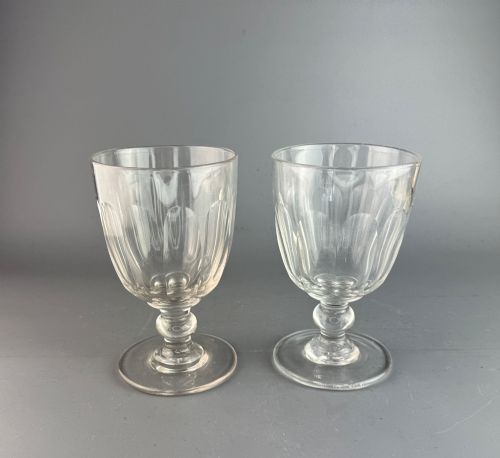
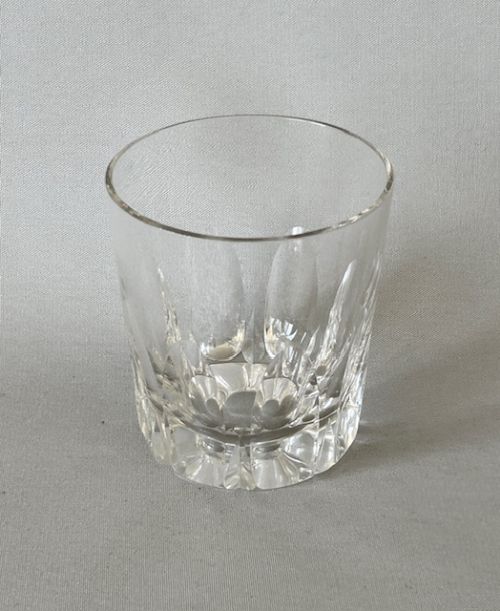

Victorian Cut Crystal Glassware
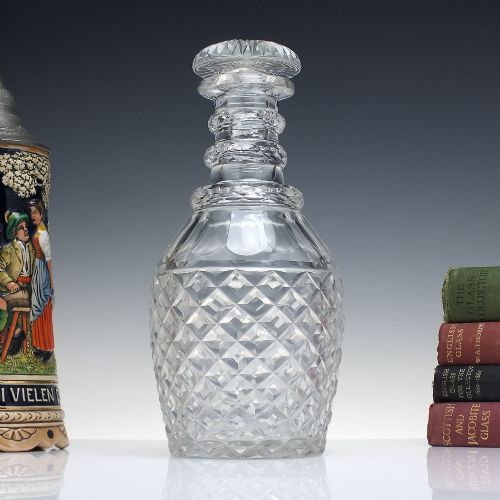
Victorian cut crystal glassware brings brilliant refractive light and weight to the table, and this selection gathers decanters, rummers and wine glasses.
Victorian Cut Crystal Glassware
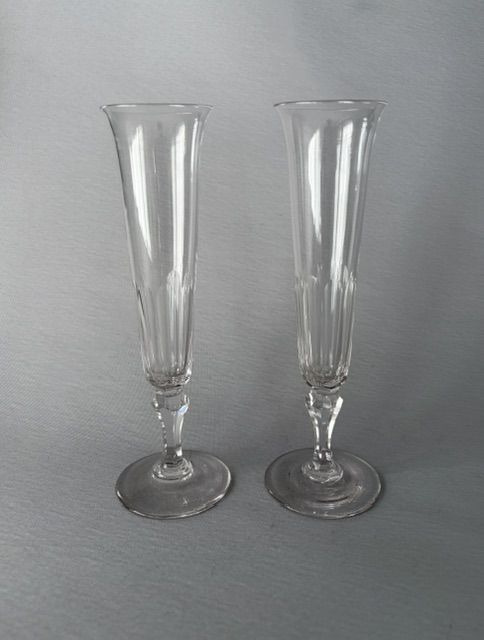
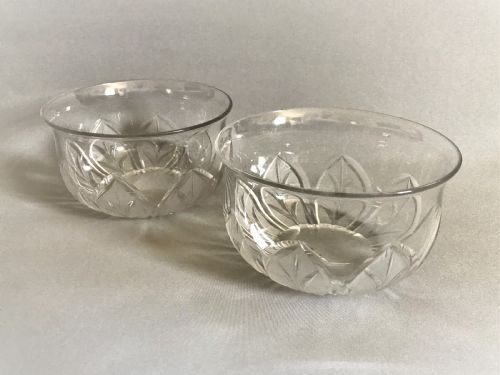
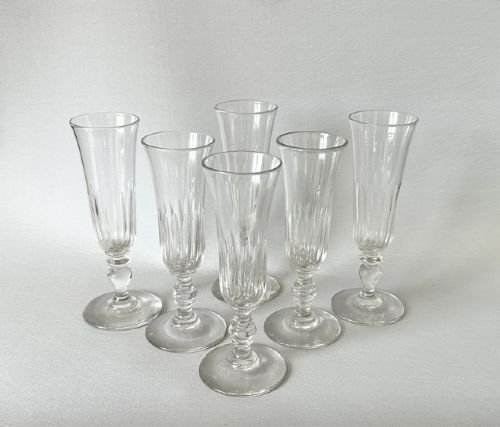
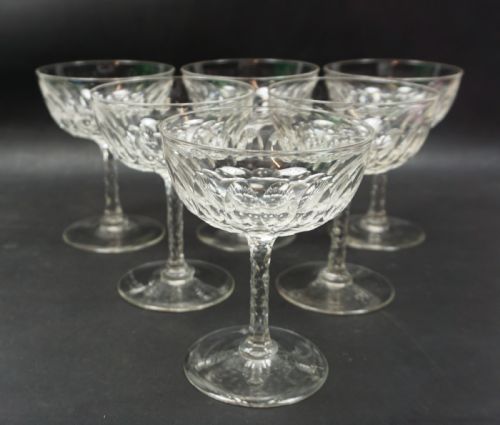
Victorian cut crystal glassware comprises heavy, brilliant drinking vessels and table items produced across the nineteenth century. The selection here ranges from large decanters and rummers to sets of wine glasses, champagne flutes and finger bowls.
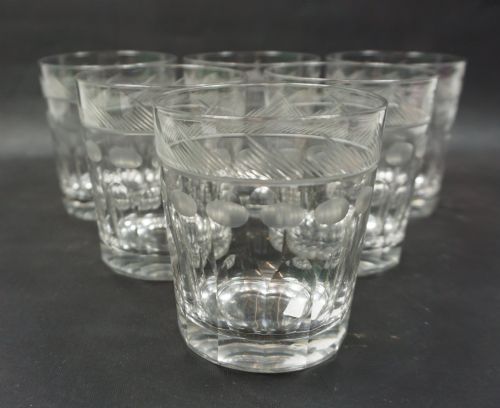
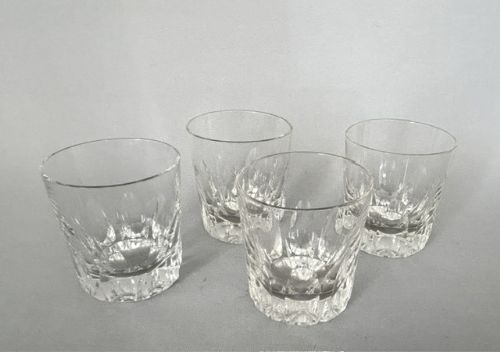
Pieces span decades from the eighteen-fifties through to nineteen hundred, including English and Bohemian origins. Buyers frequently encounter matched sets of tumblers alongside individual intaglio engraved goblets and pedestal bowls.
How they were made
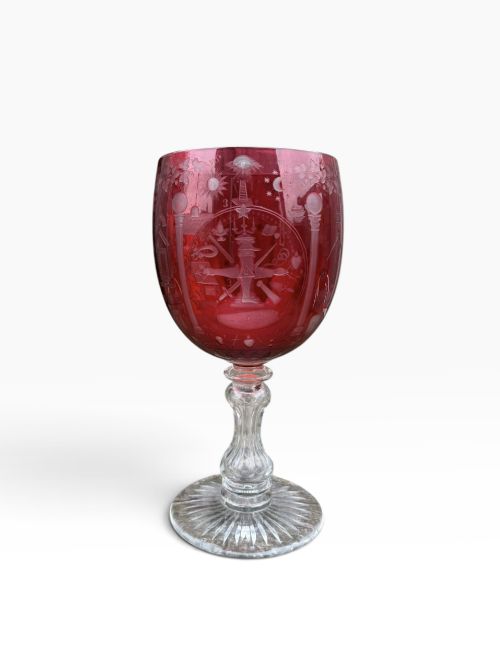
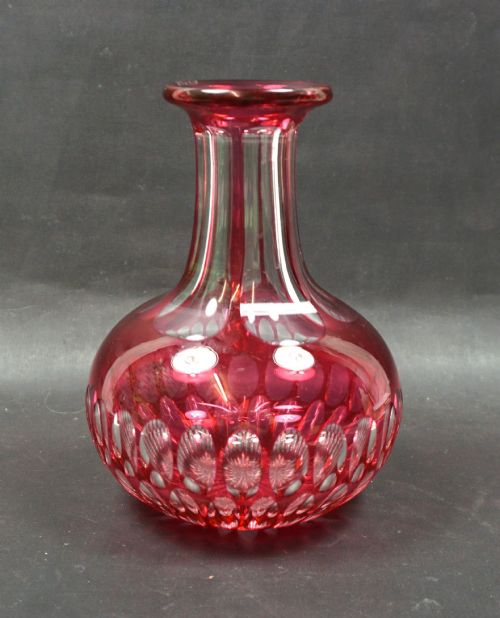
Items start as hand blown lead crystal or clear glass before artisans apply wheel cutting to create deep geometric facets. Coloured glass versions utilise layered techniques such as cranberry and yellow over crystal.
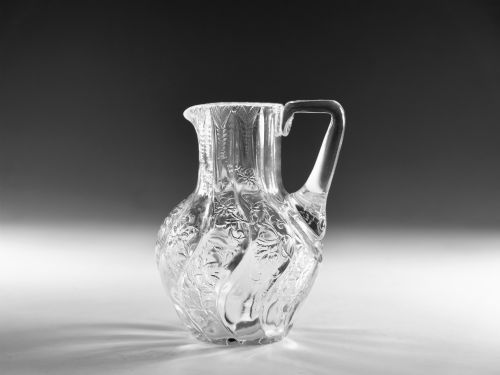
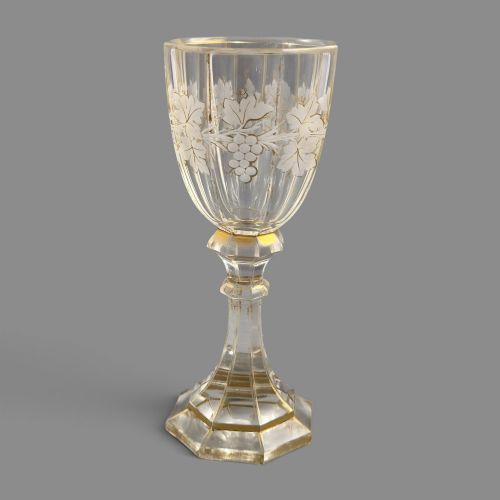
Surface decoration frequently involves intaglio engraving, acid etching and gilding. Masters then polish the cut surfaces to achieve a high clarity and sharp definition.
Listings feature lead crystal, cranberry glass, and frosted glass across the Victorian and Edwardian periods.
What varies in quality
Quality rests upon the crispness of the cutting and the weight of the metal. Superior pieces display sharp, clean facets without softening at the edges and exhibit a resonant ring when struck.
The precision of the engraved motifs and the depth of the coloured overlay dictate the standard of execution. Matched sets demonstrate greater consistency across individual items than assembled groups.
Stevens and Williams·Moser Bohemian
The Victorian Cut Crystal Glassware Glossary
- Rummer
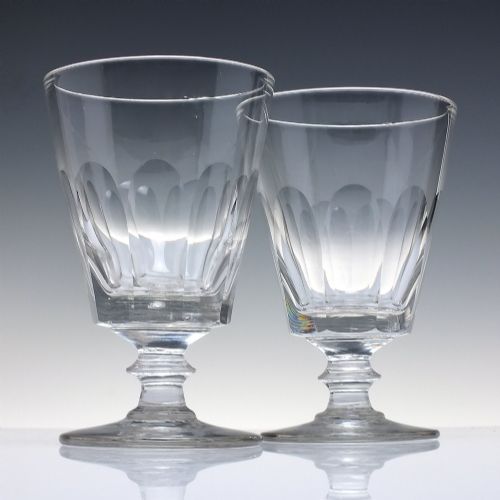
- A large, sturdy drinking glass used for ale or wine during the nineteenth century. These heavy vessels often feature bucket bowls and cut stems.
- Tazza
- An ornate pedestal plate or bowl used for serving fruit or sweets at the table. Examples appear in lead crystal with cut and etched decoration.
- Intaglio
- A method of engraving where the design is sunk beneath the surface of the glass. This technique creates a frosted, low-relief sculptural effect.
- Overlay
- A manufacturing method involving a layer of coloured glass cased over a clear crystal body. Cutting through the top layer reveals the contrasting clear glass beneath.
- Faceting
- The process of grinding flat planes onto the exterior of glassware to catch the light. This technique defines much of the period output.
Victorian Cut Crystal Glassware: Frequently Asked Questions
How do I clean old crystal?
Wash pieces by hand in warm water using mild detergent and place a towel in the sink to cushion the heavy metal. Avoid sudden temperature changes to protect the material.
Dry immediately with a lint-free cloth to maintain the refractive shine on the cut facets.
Are these glasses safe to use?
Most nineteenth-century drinking vessels remain entirely suitable for contemporary dining and entertaining. Lead crystal contains lead content, so storing liquids in decanters for long periods is discouraged.
Inspect rims carefully for any tiny chips before serving guests.
How can I date my glassware?
Examine the pontil mark on the base, where the glassblower snapped the pontil iron away. A polished flat scar usually points toward the latter half of the nineteenth century.
Stylistic shifts from early heavy cutting to lighter Edwardian engraving also help narrow the decade.
What is cranberry glass?
Cranberry glass achieves its distinct pinkish-red tone through the addition of gold chloride to the molten batch. It appears frequently in Victorian decanters and finger bowls.
Manufacturers often combined this material with clear crystal layers.