


Victorian Crystal Light Fixture
A victorian crystal light fixture brings a brilliant refractive sparkle to a room, catching daylight and candle or electric glow across cut glass.
Victorian Crystal Light Fixture
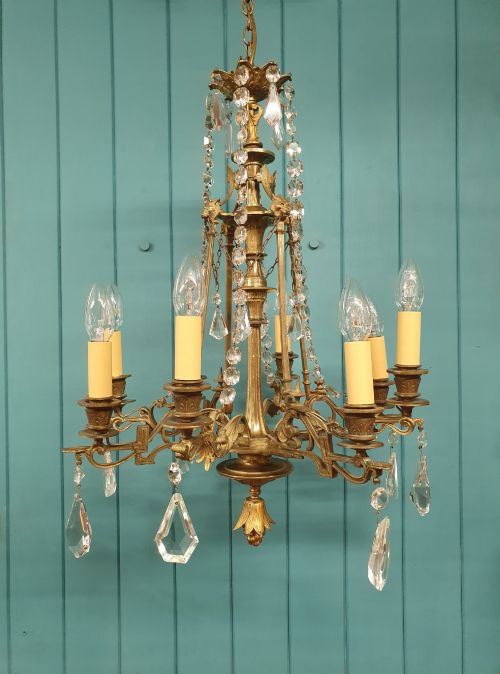
When you search for a victorian crystal light fixture, you encounter a range of ceiling-hung forms from chandeliers and plafonniers to pendant lights and hall lanterns. These pieces span the nineteenth century, with French and English examples appearing frequently alongside revived Regency and Empire styles.
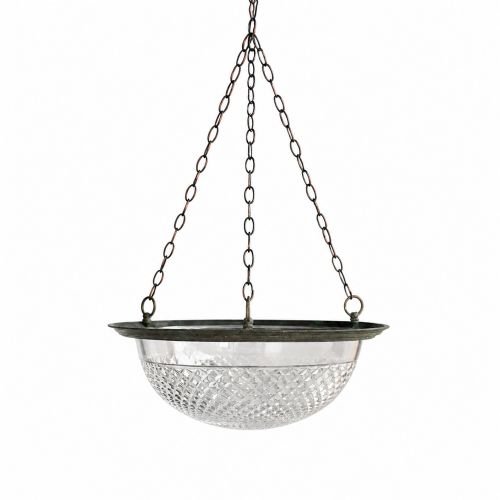
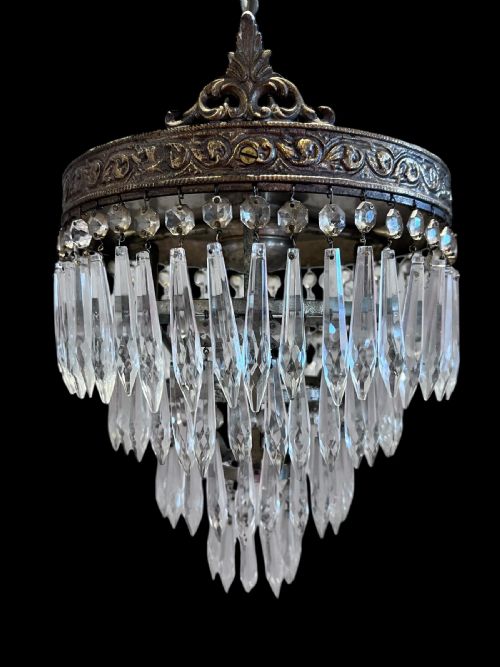
Chandeliers dominate the selection, offering multiple arms in brass, bronze, or gilded bronze configured to carry several lights. You also find single-light waterfall plafonnières, bell jar lanterns, dish lights, and oil or paraffin lamps adapted for suspension.
The materials combine heavy cast or spun metal frames with suspended drops, beads, and panes of glass. Brass and bronze support frameworks of cut glass, lead crystal, and hand-blown elements.
What varies in quality
The calibre of a victorian crystal light fixture rests upon the depth and sharpness of the glass cutting and the weight of the metal armature. Sharply faceted drops create crisp refractive patterns that simpler, pressed glass components lack.
Finishes and assembly methods also distinguish the work, from heavy cast brass with chased details to lighter plated alternatives. Complete tiers of matching drops and intact cast metal mounts elevate the visual coherence of a fixture.
Listings feature brass, bronze, and gilded bronze supporting lead crystal, cut glass, and hand-blown elements across the nineteenth century.
The Victorian Crystal Light Fixture Glossary
- Plafonnier
- A flush-mounted or close-ceiling light fixture that sits near the plaster rather than hanging low on a chain. These often feature glass bowls or waterfall drop configurations.
- Bell jar lantern
- A hanging light enclosed within a bell-shaped glass jar, frequently framed in brass or bronze with interior candle holders or burners. The glass shell protects the flame while diffusing the illumination.
- Cut glass
- Glass decorated by grinding facets or patterns into the surface on a wheel, creating sharp edges that refract light intensely. It differs from mould-pressed glass by its crisp tactile edges.
- Waterfall
- A style of chandelier where dense tiers of cascading glass drops or beads completely obscure the metal frame beneath. This arrangement creates a solid sheet of glittering crystal.
- Gilded bronze
- Bronze metal treated with a gold leaf or mercury gilt finish to impart a rich metallic sheen. This technique prevents oxidation and adds warmth to the supporting framework.
Victorian Crystal Light Fixture: Frequently Asked Questions
How do I hang a heavy chandelier safely?
Suspension requires fixing directly into ceiling joists or installing a dedicated metal brace capable of supporting the dead weight of brass and glass. Professional electrical and structural installation ensures the fixture hangs securely without straining the plaster.
Weight varies considerably between a single-light bell jar and a multi-arm nineteenth-century chandelier with numerous crystal drops. Consulting a qualified electrician guarantees the wiring safely accommodates the historic lamp holders.
Can these fixtures use modern bulbs?
Most antique light fixtures accept modern candle-style LED lamps provided the fittings match standard contemporary base sizes. Rewiring is common to bring older brass and bronze frames up to current safety standards.
Careful selection of bulb wattage and colour temperature maintains the warm atmosphere intended for cut crystal. Low-heat LEDs protect fragile historic wiring and aged metal components from thermal stress.
What is the difference between glass and lead crystal?
Lead crystal contains a proportion of lead oxide, which increases the density, softness, and refractive index of the material. This composition allows artisans to cut deeper, sharper facets that scatter light with greater brilliance than standard soda-lime glass.
Heavier weight and a resonant ring when struck gently are traditional indicators of lead crystal over ordinary glass. Both materials appear across nineteenth-century lighting.