
French Gilt Metal Lighting
French gilt metal lighting brings warmth and decorative brilliance to a room through gilded surfaces, cast metal forms, and crystal elements.
French Gilt Metal Lighting
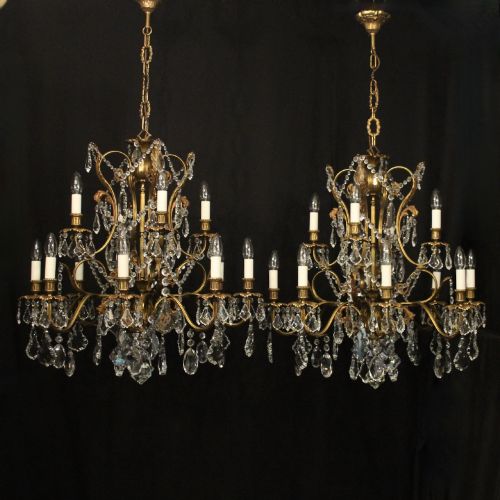
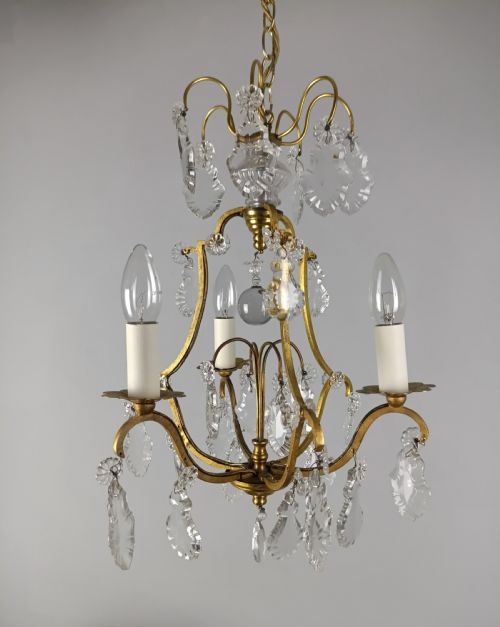
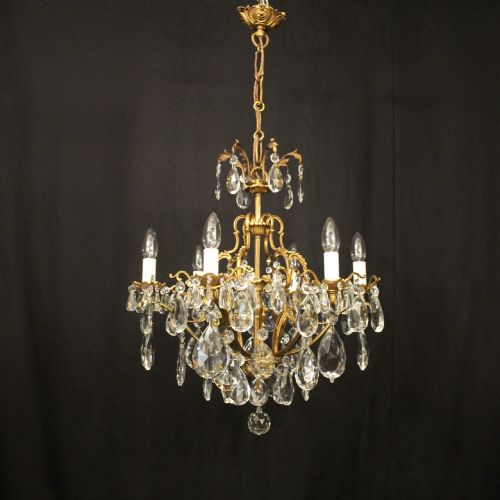
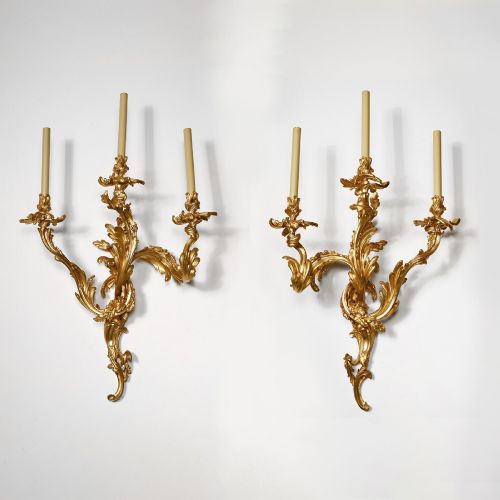
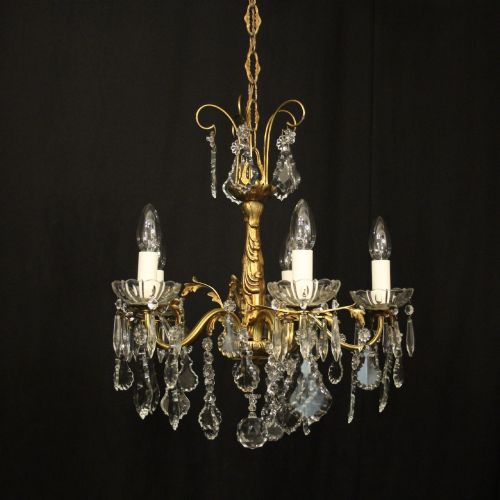
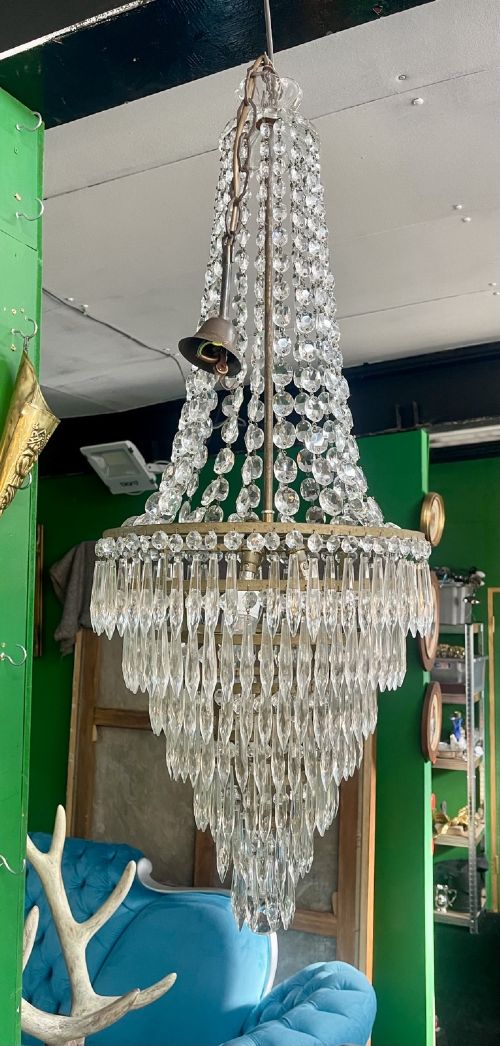
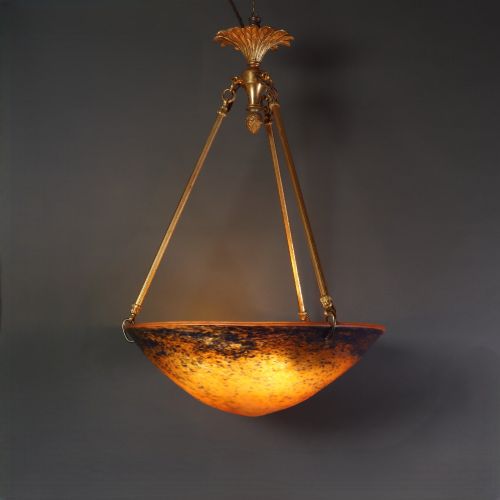
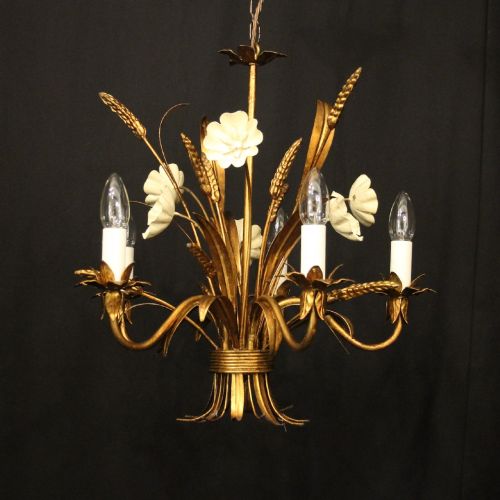
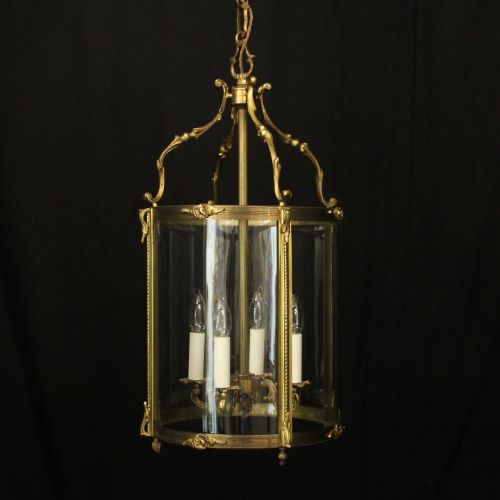
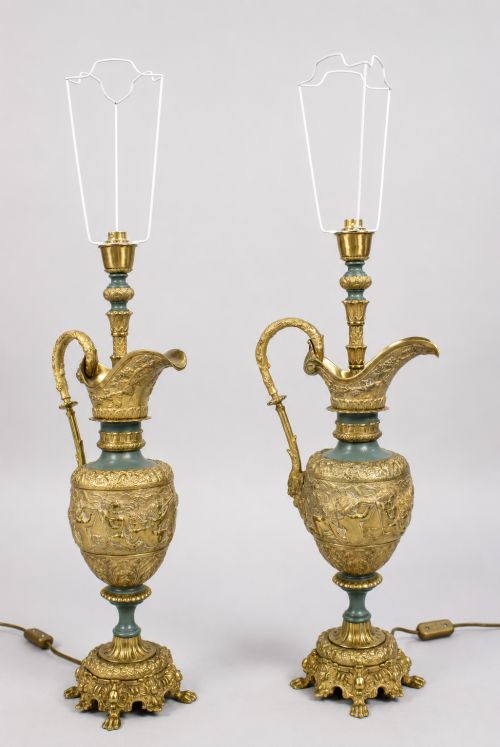
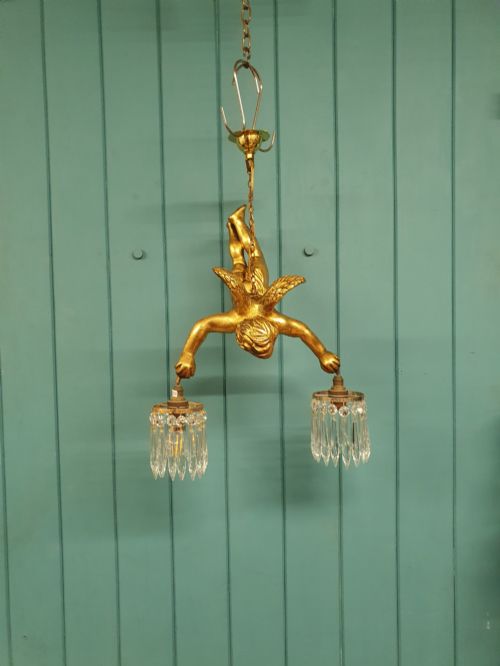
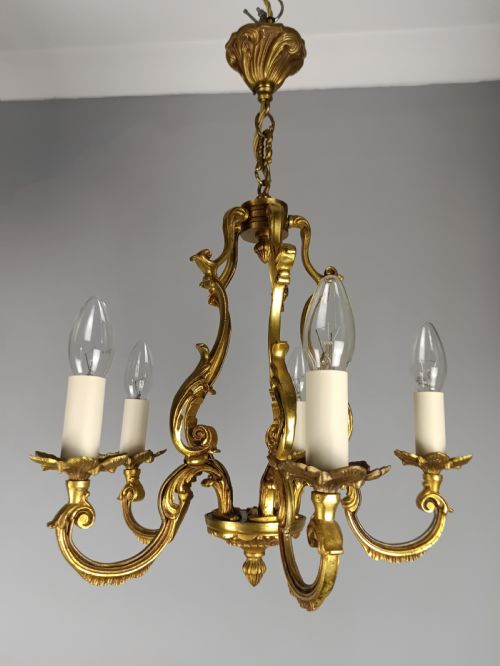
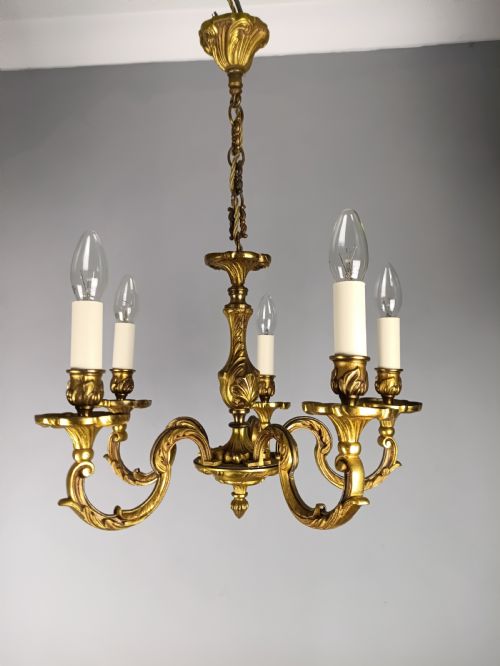
When searching for french gilt metal lighting, buyers encounter a variety of decorative illumination forms originating from the nineteenth century into the early twentieth century. Chandeliers, wall lights, and wall sconces dominate the selection, often incorporating intricate figural or floral motifs.
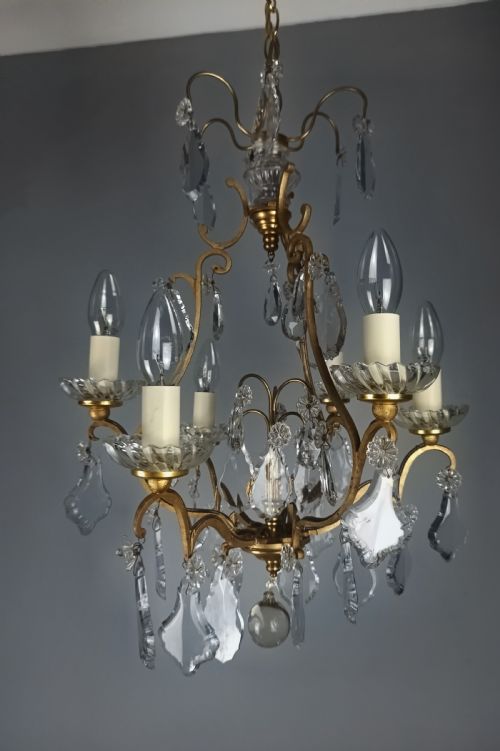
The objects stem predominantly from the nineteen-twenties and nineteen-thirties, reflecting earlier stylistic revivals such as Rococo, Empire, and Louis XVI. Pieces frequently combine metal frameworks with glass and crystal drops, creating layered fixtures designed to catch and reflect illumination.
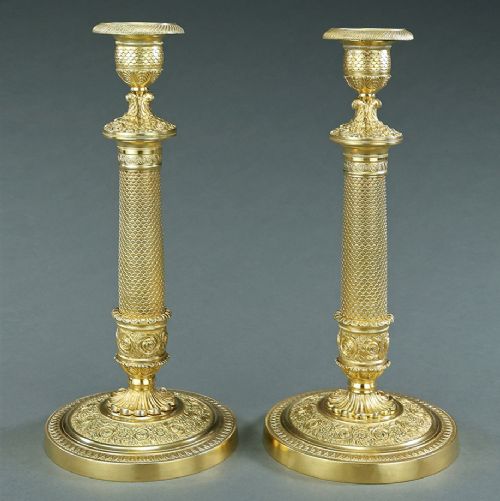
Wall lights appear regularly in pairs or sets of four, while larger ceiling fixtures feature birdcage or coronet constructions. Alongside chandeliers and sconces, table lamps and candelabra provide alternative ways to introduce these gilded forms into a domestic interior.
Materials and construction methods
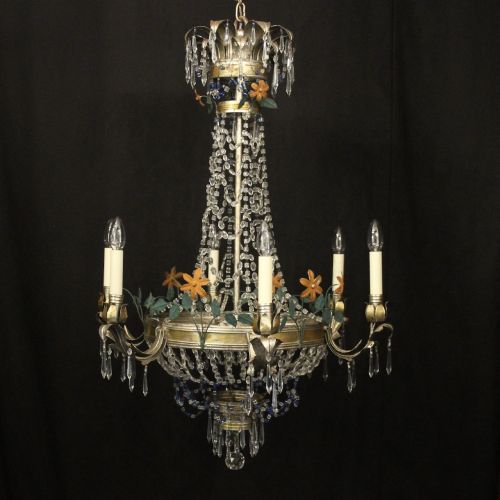
Maker workshops utilised base metals including brass, bronze, spelter, and cast iron, applying surface treatments such as ormolu, gilding, and parcel gilt finishes. These metallic structures often incorporate toleware components, ceramic flowers, and painted details to add colour and texture.
Casting and chasing techniques shaped the heavy metal mounts, allowing for elaborate scrollwork, winged cherubs, and leafy motifs. Cut glass and crystal spikes, beads, or teardrops hang from many of the frames to enhance light dispersion.
Materials appearing across the current selection include crystal, toleware, porcelain, marble, and several varieties of gilt metal.
Variations in quality and finish
The refinement of the cast metalwork dictates the distinction between standard production and superior examples. Finer pieces display crisp chasing, deeply modelled figures, and substantial bronze or ormolu construction rather than lighter stamped or plated alternatives.
The integration of decorative elements also alters the character of an item. High-quality fixtures incorporate hand-cut crystal drops, porcelain flowers, or nuanced tolewear painting that remains secure and well-preserved on the metal armature.
E Rousseau·Maison Baguès
The French Gilt Metal Lighting Glossary
- Ormolu
- Gilded bronze produced by applying a mercury and gold amalgam to a bronze base and heating it to drive off the mercury. This technique creates a durable golden finish characteristic of fine antique metalwork.
- Candelabra
- A branched decorative candlestick designed to hold multiple tapers. These fixtures often feature figural or classical ornamentation in cast metal.
- Toleware
- Painted and lacquered metalware used in decorative light fittings and accessories. It frequently provides colourful floral or foliage details.
- Spelter
- An alloy based on zinc, commonly utilised as a less costly alternative to bronze for cast figures and mounts during the nineteenth and early twentieth centuries.
French Gilt Metal Lighting: Frequently Asked Questions
How do I install antique chandeliers?
Most antique fixtures require professional wiring and ceiling reinforcement to support the weight of the metal frame and crystal elements.
Electric conversions should be planned carefully to preserve original sockets, drip pans, and internal wiring channels where possible.
How do I clean gilded metal fittings?
Dust surfaces gently with a soft brush or microfibre cloth to avoid damaging the delicate gold leaf or ormolu finish.
Water and chemical solvents should be kept away from gilded areas, while crystal drops can be removed and washed separately in warm soapy water.
How do I date a gilt metal chandelier?
Stylistic clues such as Rococo revival scrolls, Empire motifs, or Edwardian proportions help narrow down the period of manufacture.
Construction details, including the type of metal casting, screw threads, and wiring methods, provide further confirmation of the era.
Can wall lights be used in bathrooms?
Wiring must comply with local safety regulations regarding moisture and splash zones before mounting light fixtures in damp environments.
Consulting an electrician ensures that historic metal sconces are adapted safely for specific room locations.
What is the difference between brass and ormolu?
Ormolu consists of a mercury-gilded bronze surface that yields a deep, rich golden tone unique to high-status nineteenth-century decorative pieces.
Standard brass is a copper-zinc alloy that may be polished or gilded, often presenting a brighter, yellower metallic appearance.