


Victorian Crafting Table
A victorian crafting table brings together sturdy timber and clever compartments designed for the serious maker.
Victorian Crafting Table
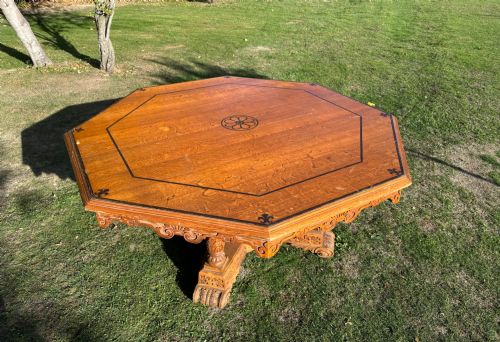
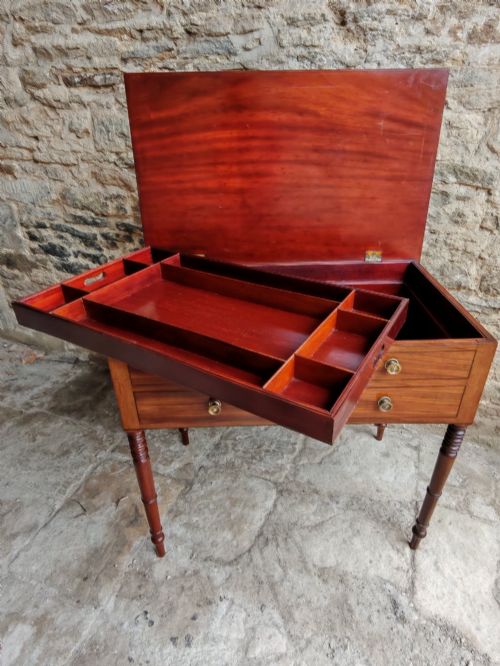
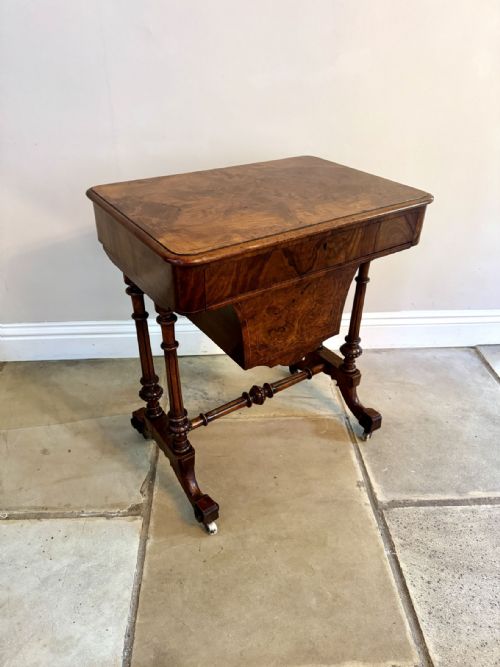
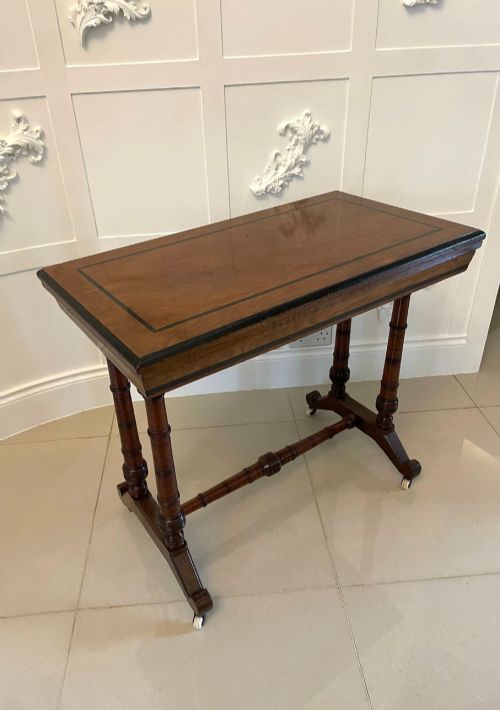
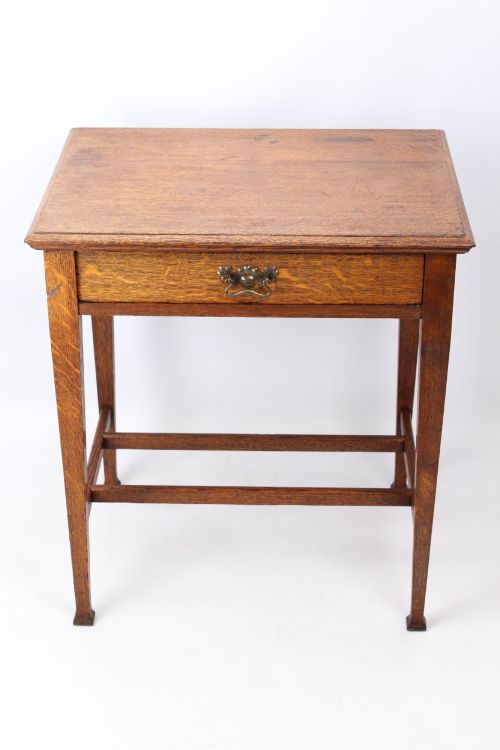
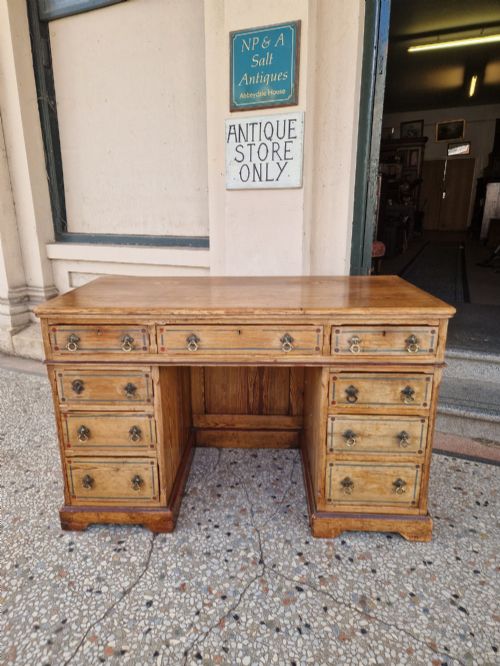
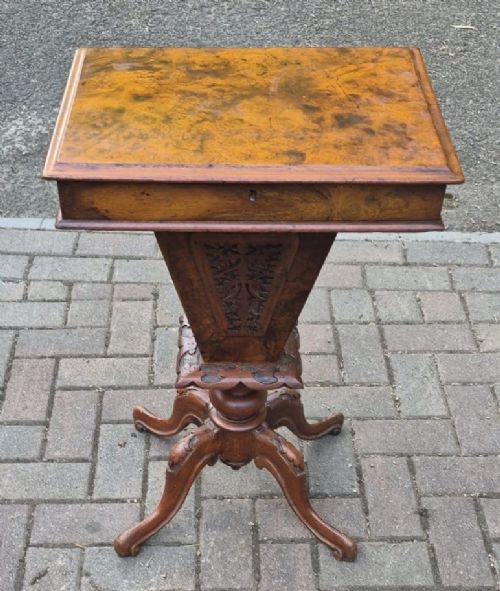
A victorian crafting table encompasses functional furniture designed for domestic textile work, sewing, and writing, typically found in the 19th Century and Edwardian periods. Buyers searching this phrase encounter various forms, most frequently walnut and mahogany sewing or work tables alongside robust oak desks.
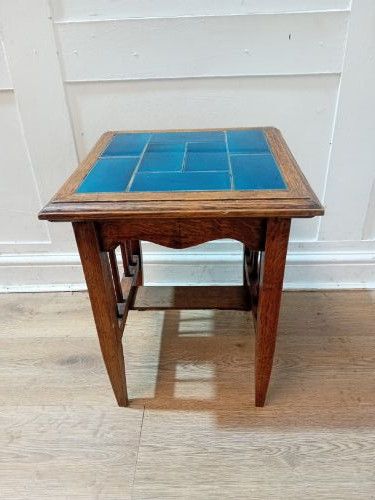
The selections span distinct movements, merging Victorian utility with the honest construction of the Arts and Crafts style, and occasionally drawing on Aesthetic Movement or Gothic Revival influences. These tables often incorporate hidden compartments, drop flaps, or hinged lids tailored for specific handcrafts.
How they were made
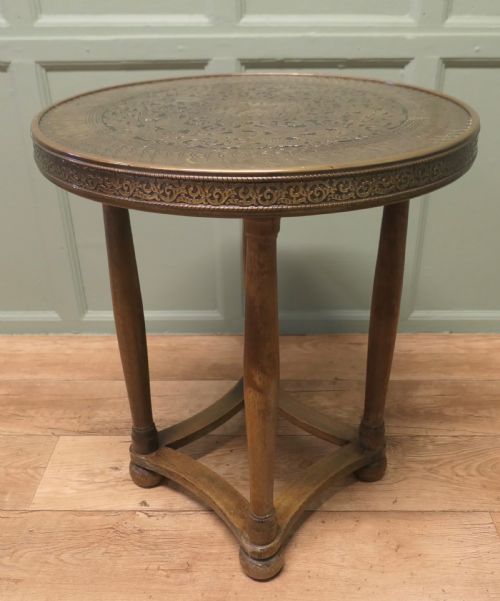
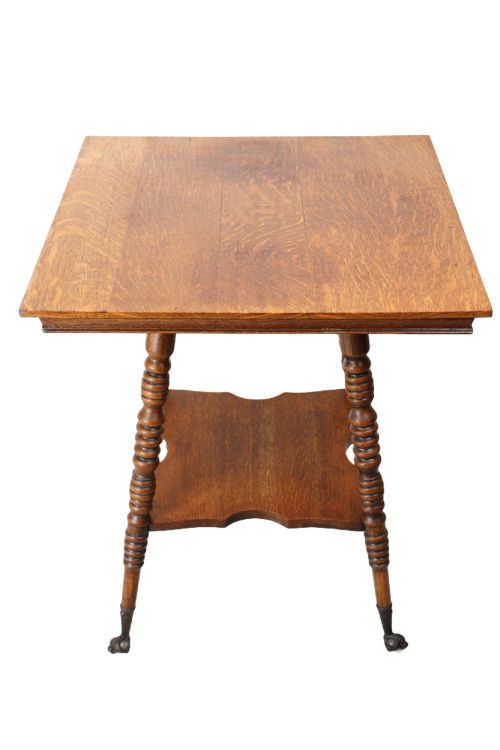
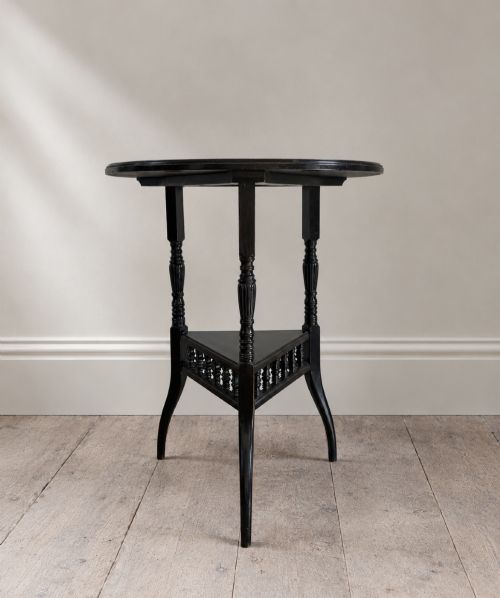
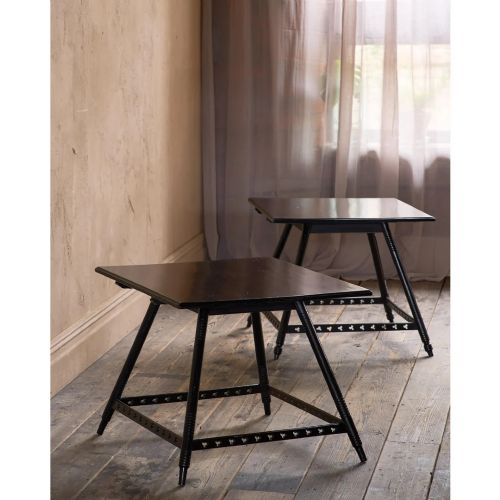
Craftsmen utilised dependable hardwoods like oak, mahogany, walnut, and pitch pine, often pairing them with brass hardware, copper trays, and occasional glass or tile inserts. Surfaces were frequently ebonised or polished to highlight the natural grain of the timber.
Construction relied on traditional joinery, sturdy turned legs, and practical folding mechanisms to accommodate domestic needs without sacrificing stability.
Victorian Crafting Table Retail Price Guide 2026
Typical asking prices for victorian crafting table among the pieces listed under this phrase on Sellingantiques today, from the lower quarter to the upper quarter. They describe what is for sale here now, not the wider market.
What varies in quality
Distinction in quality rests upon the selection of timber, the crispness of carved or turned details, and the integrity of the internal compartments. Pieces boasting secondary materials like beaten copper, marble tops, or distinctive inlaid marquetry stand apart from plain utilitarian variants.
Attribution to documented retail houses or notable designers elevates a piece, while simpler vernacular items demonstrate honest domestic utility without maker signatures.
W.A.S. Benson·Royal Doulton·Liberty of London·William Birch·James Shoolbred·William Soutter And Sons·Wright And Hunter·Minton·Harris Lebus
The Victorian Crafting Table Glossary
- Ebonised
- Wood treated with a dark stain or finish to imitate expensive ebony.
- Drop Flap
- A hinged leaf on a table that lifts and extends the surface area when supported.
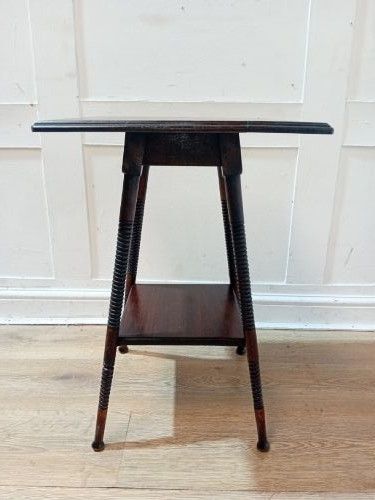
- Bobbin Turned
- Timber shaped on a lathe into a series of rounded, spool-like swellings.
- Occasional Table
- A small, versatile table intended to be moved around a room as needed.
Victorian Crafting Table: Frequently Asked Questions
What is a victorian crafting table used for?
These tables served primarily as dedicated workstations for domestic handcrafts such as sewing, lacemaking, and writing. They incorporated specialised drawers, silk catch-bags, and compartments to keep materials organised.
Over time, many adapted to function as general occasional tables or small desks in reception rooms.
How do I identify an Arts and Crafts piece?
Arts and Crafts pieces emphasise honest construction, visible joinery, and natural materials over excessive ornamentation. Look for solid oak, hammered copper accents, and unpretentious functional designs.
Makers from this movement celebrated the handcrafted look rather than mass-produced uniformity.
Where should I place a small work table?
Their compact proportions make these tables ideal as bedside surfaces, lamp tables, or beside a favourite armchair. The internal compartments provide convenient storage for small household items.
Keep them away from direct heat sources to protect the polished wood surfaces.
How do I care for antique timber?
Maintain the wood by dusting with a soft, dry cloth and applying a quality beeswax occasionally to nourish the grain. Avoid placing damp items or hot cups directly on the polished surface.
Stable room temperatures prevent the timber from warping or splitting over time.