

Victorian Craft Table
A victorian craft table brings utilitarian ingenuity and sincere design into domestic spaces, prized for honest construction and thoughtful detailing.
Victorian Craft Table
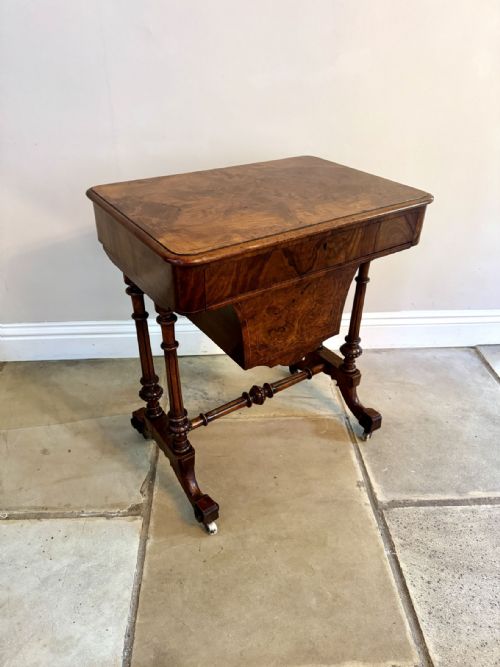
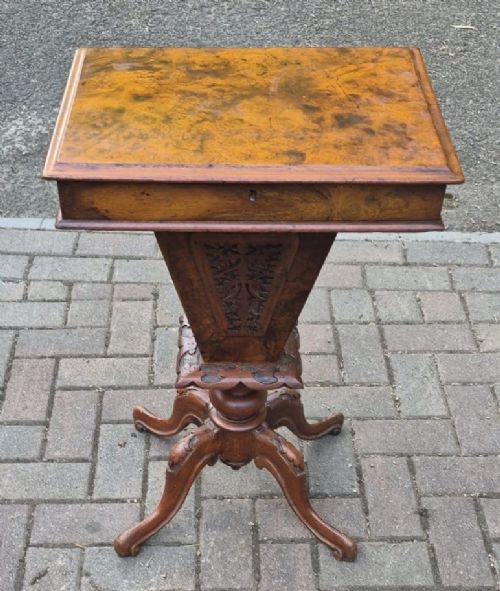
When you search for a victorian craft table, you encounter diverse items designed for domestic utility and artisanal expression during the nineteenth and early twentieth centuries. The selection spans specialised work and sewing tables alongside oak and mahogany occasional side tables reflecting movement ideals.
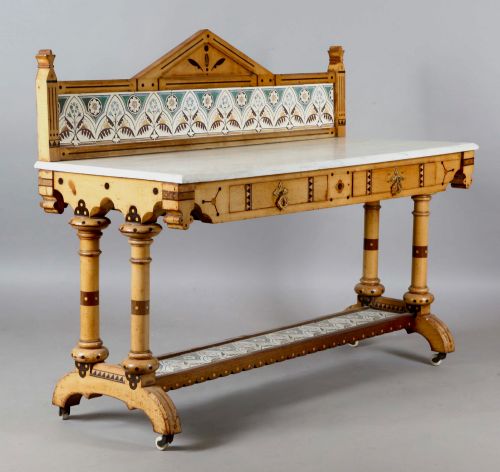
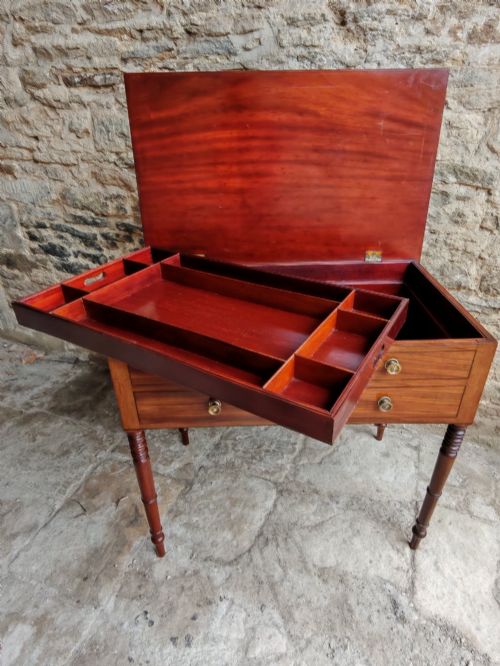
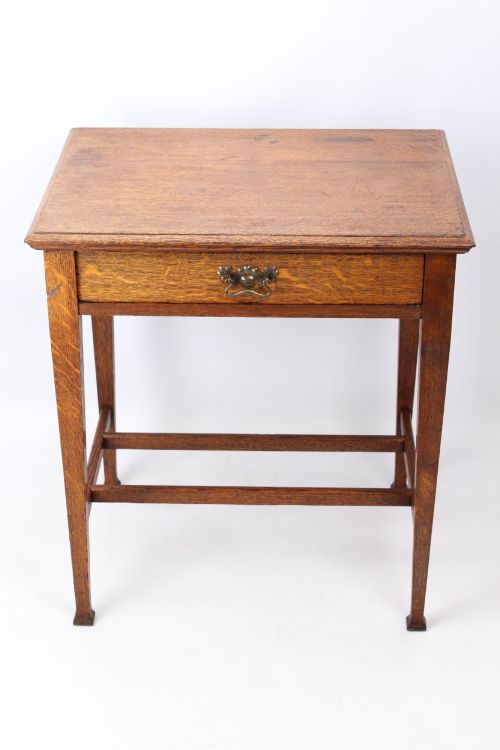
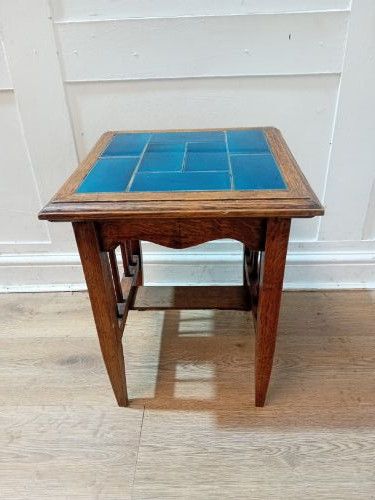
These pieces bridge Victorian domesticity with the later Arts and Crafts ethos, frequently utilising native timbers like oak, walnut, and mahogany. Forms range from compact sewing cabinets with internal compartments to sturdy side tables featuring tile tops or brass trays.
Makers and retailers such as Liberty & Co., James Shoolbred, and William Birch appear among the listings, demonstrating how commercial output intersected with handcrafted ideals. Buyers find items dating from the mid-nineteenth century through the Edwardian period.
Materials and construction
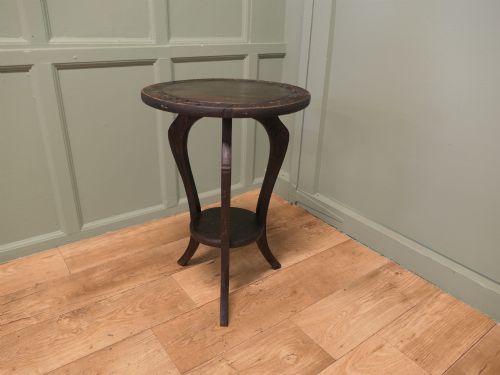
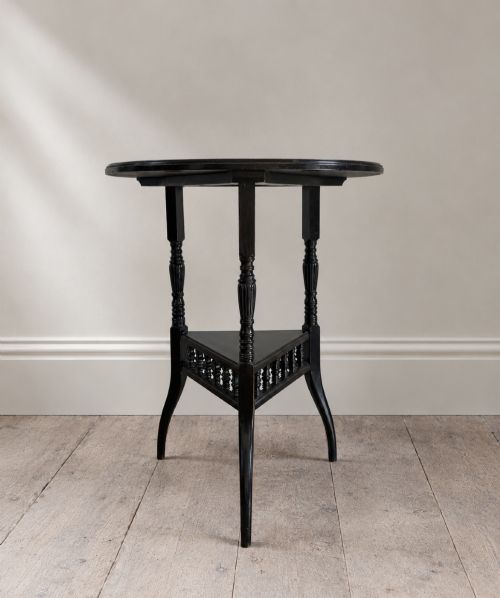
Cabinetmakers relied on solid woods including oak, walnut, ash, and pitch pine, often exposing natural grain rather than concealing it beneath heavy finishes. Ebonised timber appears alongside fruitwood and mahogany, reflecting stylistic shifts from Gothic Revival to Aesthetic Movement tastes.
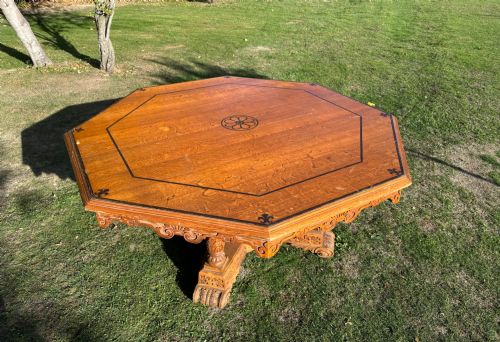
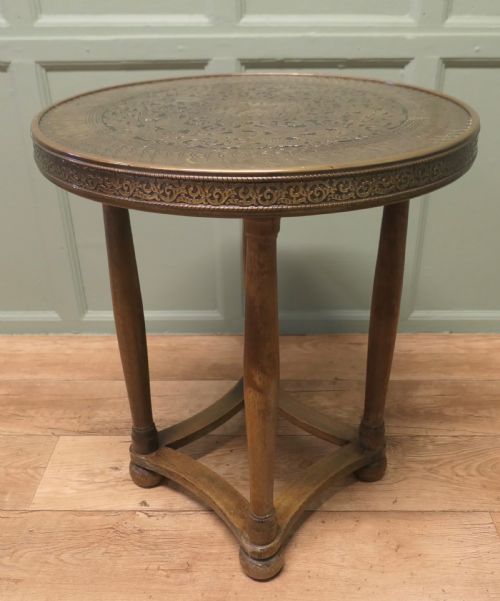
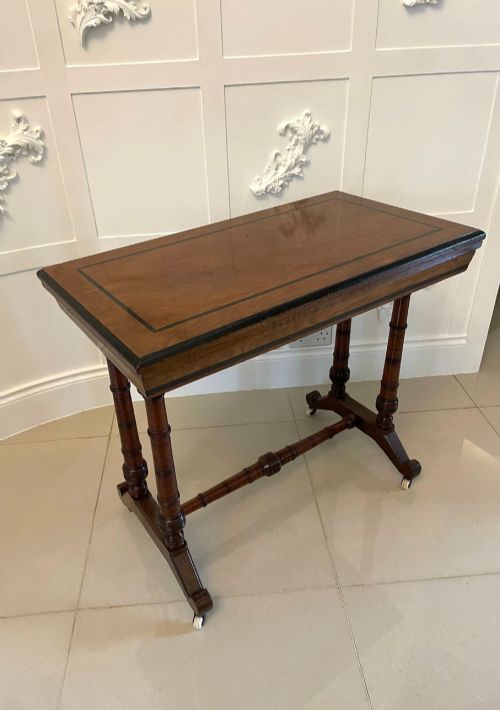
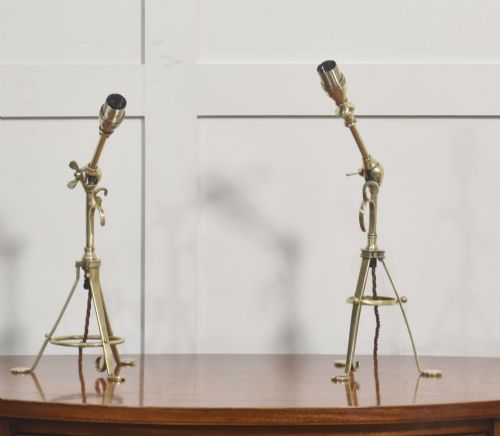
Metalwork played a defining role, with hammered copper trays, brass table lamps, and wrought iron mounts integrated directly into wooden frames. Inlays of ebony, tiles inset into table surfaces, and carved walnut details demonstrate varied workshop techniques from the period.
Victorian Craft Table Retail Price Guide 2026
Typical asking prices for victorian craft table among the pieces listed under this phrase on Sellingantiques today, from the lower quarter to the upper quarter. They describe what is for sale here now, not the wider market.
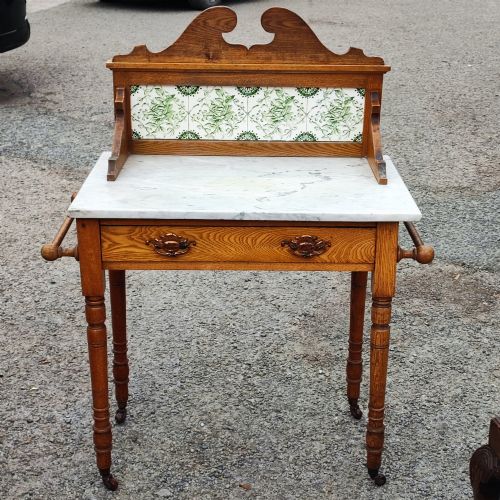
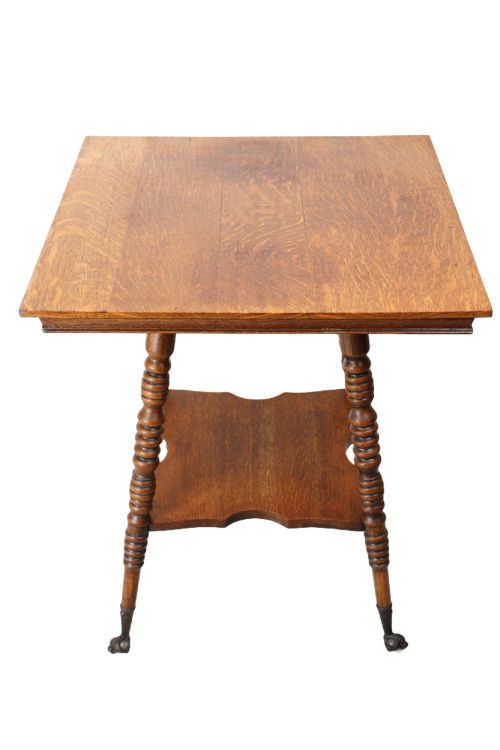
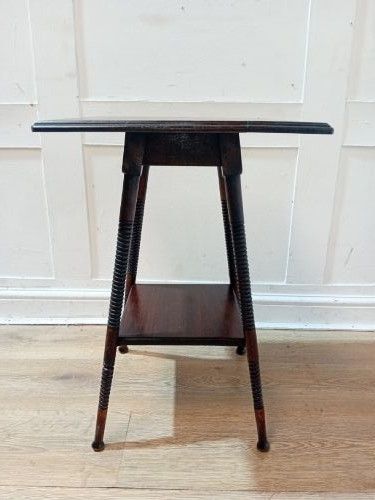
Bobbin-turned legs add a rhythmic, tactile quality to modest side tables, recalling textile tools within the frame itself.
Assessing quality and execution
Superior examples demonstrate crisp joinery, thoughtful timber selection, and integrated hardware designed specifically for the piece rather than sourced from generic stock. The distinction between standard commercial output and workshop pieces lies in the depth of hand-carving and the integrity of secondary timbers.
Signatures, stamps, or labels from known retailers and makers elevate specific pieces, providing documented provenance. Condition of original surfaces, such as undisturbed polish on walnut or patinated copper trays, dictates the standing of individual tables.
Liberty of London·James Shoolbred·William Birch·Harris Lebus of London·Wright and Hunter of Belfast·William Soutter and Sons·W.A.S. Benson
The Victorian Craft Table Glossary
- Arts & Crafts
- A design movement emphasising handcraftsmanship, traditional materials, and reform from mass production. It prioritized utility and sincere construction.
- Ebonised
- Timber treated with a dark stain or finish to imitate ebony. This technique was popular in Aesthetic Movement and late nineteenth-century furniture.
- Occasional table
- A small, movable table intended for specific, intermittent uses such as holding books or tea. These items form a large portion of domestic listings.
- Tile top
- A table surface inset with ceramic tiles, frequently decorated with floral or geometric motifs. This feature provided heat and moisture resistance for plants or vessels.
- Work table
- A specialised piece of furniture featuring compartments, bags, or drawers for sewing, lacemaking, or needlework. They combine utilitarian storage with refined cabinetwork.
Victorian Craft Table: Frequently Asked Questions
How do I identify an Arts and Crafts table?
Look for exposed joinery, plain timber grains, and structural honesty without excessive ornamentation. Details like hammered copper hardware or inset tiles often indicate the style.
Many examples utilise solid oak or ash, favoring functional design over classical revival motifs.
Were these tables used only for sewing?
While designated work tables housed sewing and lacemaking tools, many multi-functional designs served as writing desks, card tables, or occasional tea stands.
Internal compartments and drop flaps accommodated diverse domestic pastimes.
How should I care for a walnut side table?
Maintain stable indoor humidity levels and keep wooden surfaces away from direct heat sources and strong sunlight. Dust regularly with a soft, dry cloth rather than applying silicone polishes.
Occasional application of appropriate wax preserves the historic finish without sealing moisture into the grain.
What distinguishes Victorian from Edwardian craft furniture?
Victorian pieces often incorporate heavier proportions, darker finishes, and eclectic revivals like Gothic or Jacobean styles. Edwardian items tend toward lighter construction, simpler lines, and brighter timbers.
Both eras overlap significantly in Arts and Crafts workshops that maintained continuous production methods.