
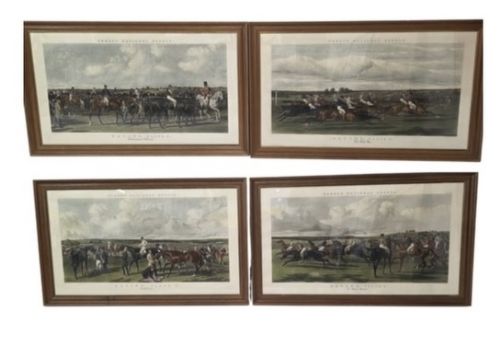
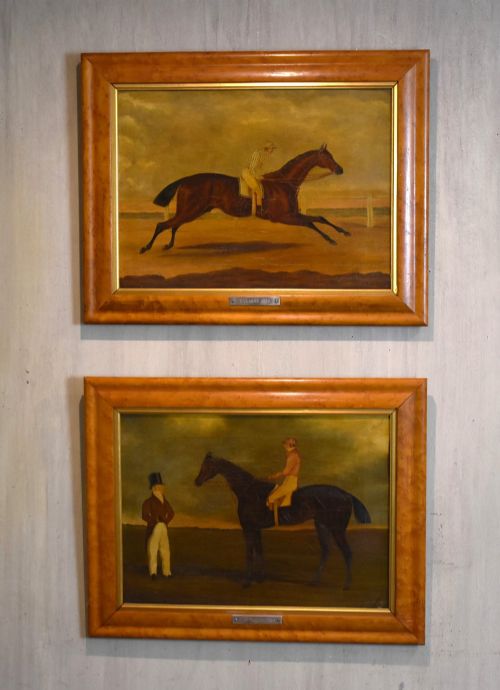


Victorian Country Sports Picture
A victorian country sports picture captures the energy of the field through hunting scenes, working dogs and equestrian subjects.
Victorian Country Sports Picture
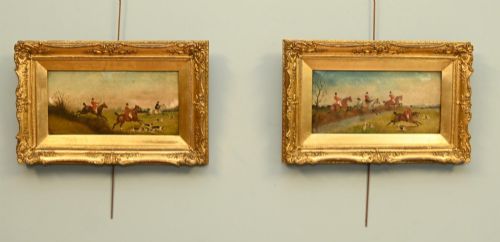
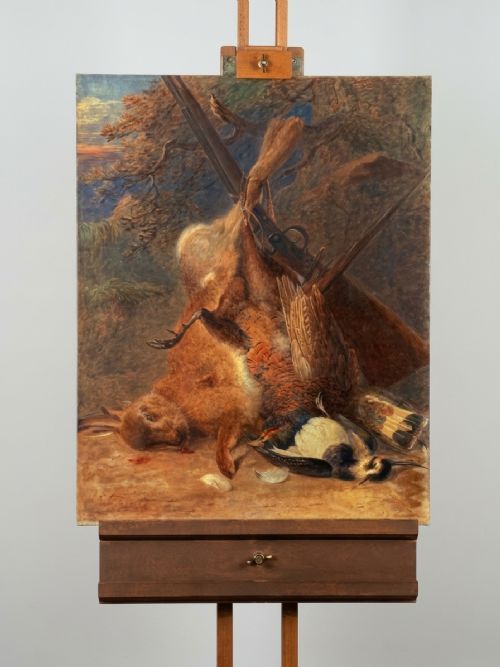
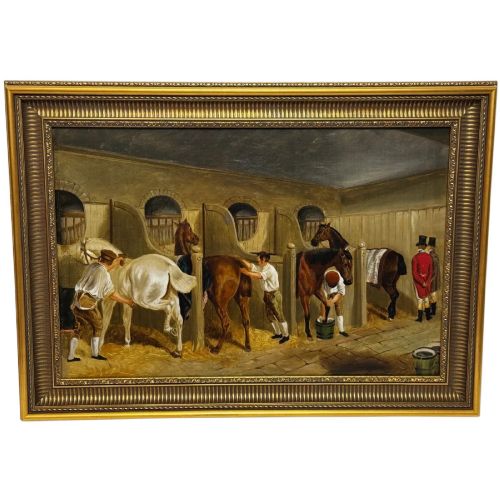
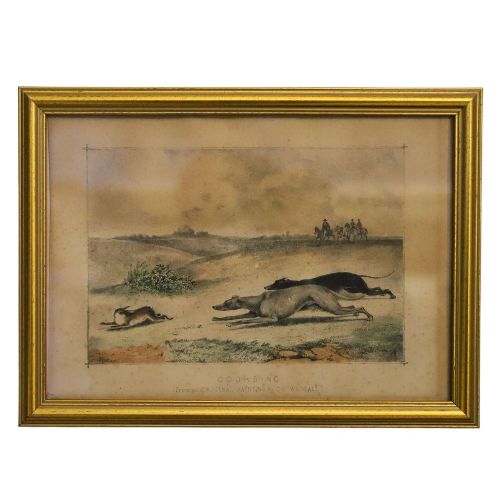
A victorian country sports picture encompasses framed oil paintings, watercolours, engravings and lithographs depicting field pursuits. The selection focuses heavily on nineteenth century works capturing hounds, horses and game.
Subjects range from grand fox hunts and steeplechase racing to detailed studies of setters, pointers and terriers in moorland landscapes. These works reflect the high Victorian enthusiasm for rural pastimes and animal painting.
Most examples appear within period wooden frames, often retaining their original giltwood or gold leaf ornamentation. The formats vary from intimate watercolours to imposing exhibition size oils on canvas.
How they were made
Artists worked primarily in oil on canvas or board, alongside delicate watercolour and bodycolour on paper. Printmakers employed engraving, lithography and embossing techniques to reproduce popular sporting compositions for a wider audience.
Frames utilise solid wood construction finished with gold leaf or gilt wood surrounds. Many works pair traditional hand painting with contemporary nineteenth century framing methods to preserve the paper or canvas.
Listings feature oil on canvas, watercolour, engraving and lithography mediums from the nineteenth century.
What varies in quality
The standard depends significantly on the artist's ability to render animal anatomy and movement accurately. Premier works demonstrate precise brushwork in the depiction of horses, dogs and figures within expansive natural landscapes.
Condition of the medium and the integrity of the original frame influence overall desirability. Pieces executed by established Victorian sporting artists command greater interest due to their accomplished draughtsmanship.
George Sydney Shepherd·John Frederick Herring Snr·Benjamin Blake·John Arthur Lomax·Colin Graeme Roe·Charles Faulkner·Alfred Duke·Robert Cleminson·George Goodwin Kilburne·William J Hodgson·Francis Calcroft Turner·Frank Dadd·Thomas Blinks·Samuel John Egbert Jones
The Victorian Country Sports Picture Glossary
- Bodycolour
- Watercolour mixed with a white pigment to render it opaque. This technique adds dense highlights and solidity to painted game and animals.
- Lithography
- A planographic printing process utilising stone or metal plates. It allowed nineteenth century publishers to issue faithful monochrome or coloured sporting prints.
- Engraving
- A technique where an artist cuts lines into a metal plate to hold ink. These plates produced crisp, detailed impressions of hunts and racing scenes.
- Giltwood
- Wood carved and coated with gold leaf or metallic paint. It provides the traditional reflective border found on nineteenth century frames.
- Watercolour
- Pigments bound in a water soluble medium applied to paper. It creates transparent washes favoured for luminous landscape backgrounds.
Victorian Country Sports Picture: Frequently Asked Questions
What subjects appear in these pictures?
The works depict fox hunting, hare coursing, steeplechase racing and coaching scenes. Domestic and working animals feature prominently across the collection.
Setters, pointers, terriers and hunters dominate the canvas and paper formats. These compositions frequently place animals within detailed nineteenth century rural landscapes.
Are these works original or prints?
The selection includes both original hand painted works and period reproduction prints. Oils on canvas and watercolours represent unique artist creations.
Engravings, lithographs and embossed prints offer multiples produced during the nineteenth century. Each listing specifies the exact medium utilised by the creator.
How should I frame these pieces?
Many examples retain their original Victorian giltwood or wood frames. Preserving these historic mounts maintains the authenticity of the piece.
If framing is required, select traditional wooden moulding suited to the nineteenth century aesthetic. Ensure conservation grade materials protect paper works from light damage.
How do I identify the period?
Clues lie in the framing materials, paper ageing and artistic style. Nineteenth century works often display traditional canvas stamps or period handwriting on the reverse.
Subject dress, hound breeding types and the specific printing technology provide further dating evidence. Stylistic markers align closely with Victorian equestrian realism.