

Victorian Country Landscape Picture
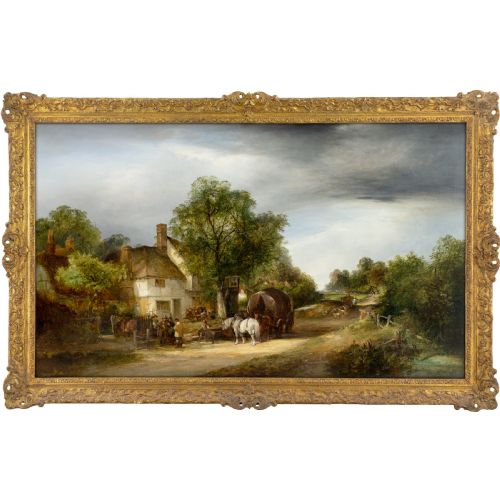
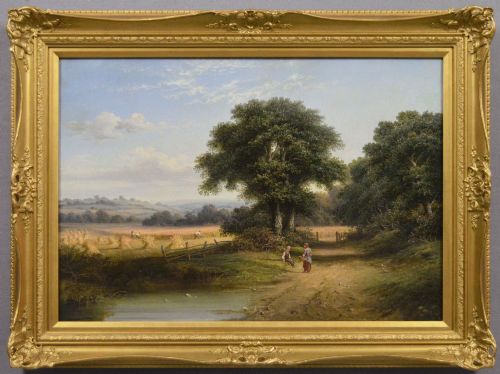
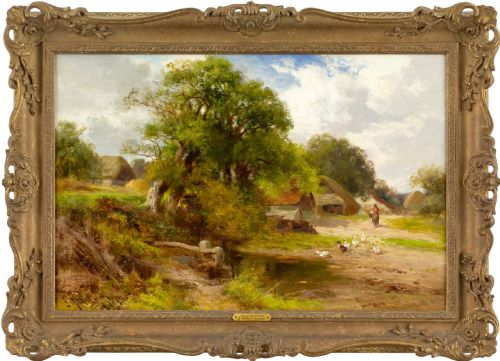
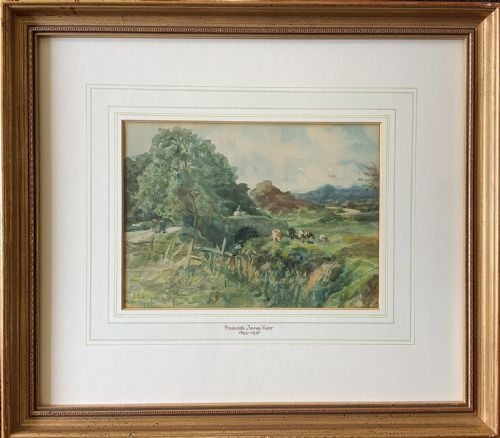
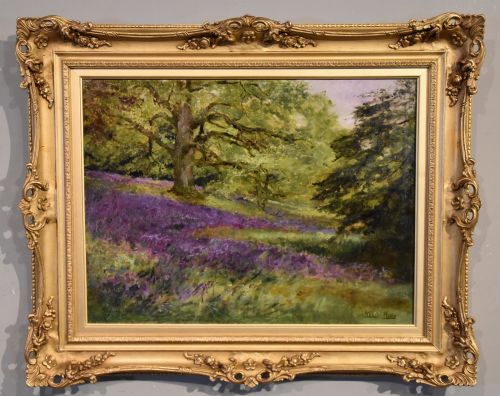
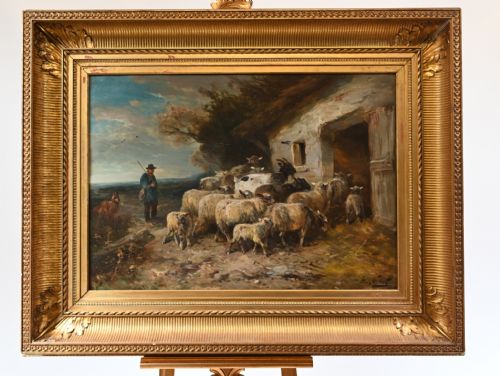
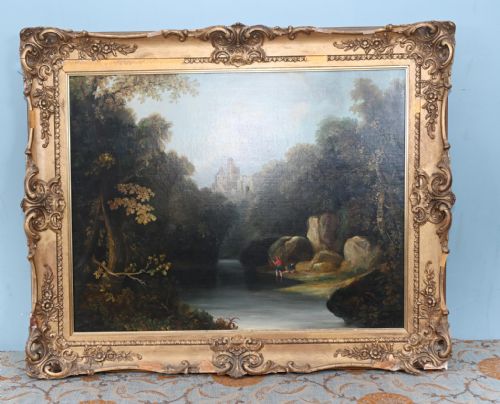
A victorian country landscape picture captures rural pastures, riverbanks and livestock through the careful brushwork of nineteenth-century painters.
Victorian Country Landscape Picture
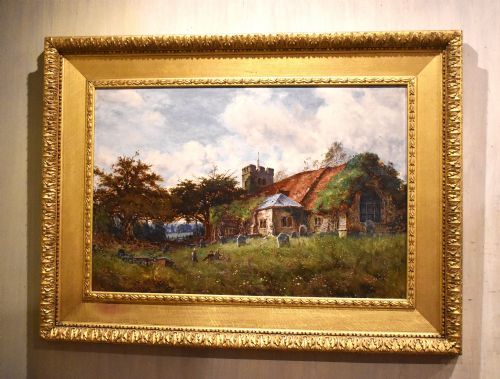
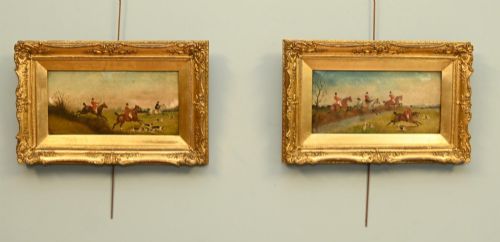
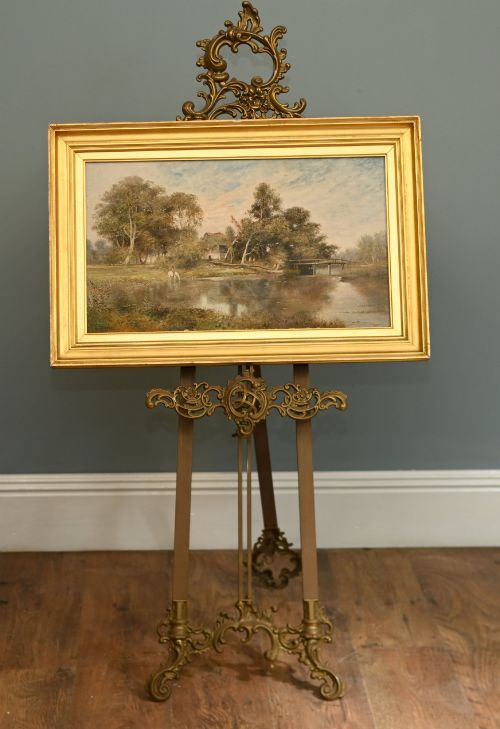
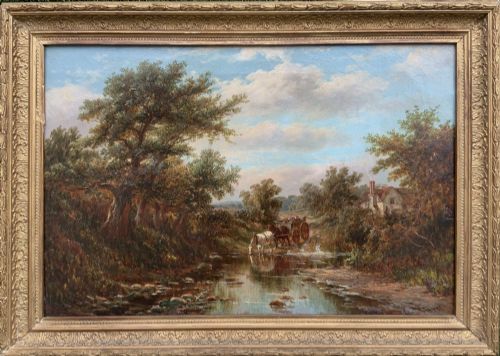
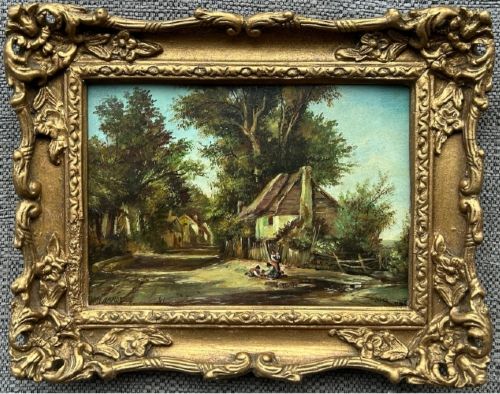
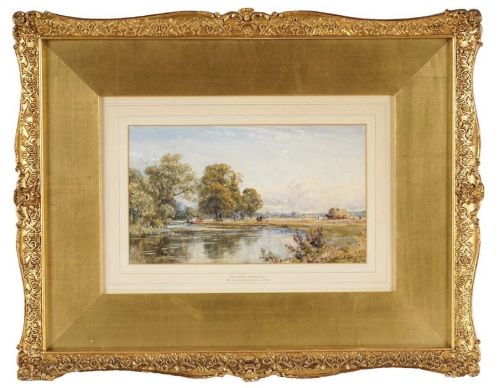
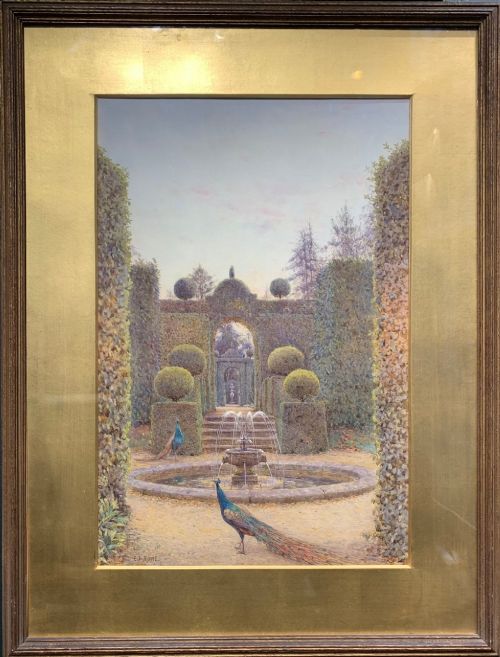
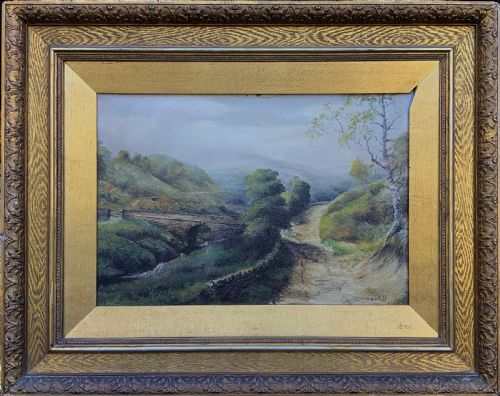
A victorian country landscape picture brings nineteenth-century pastoral scenes into domestic interiors, depicting rivers, harvest fields and farmyards. These works record the rural topography of Britain and Europe during a period of industrial change, focusing on quiet agricultural life.
The most common examples on this page are framed watercolours on paper and oil paintings on canvas or panel. They range from modest cottage studies to expansive West Country views populated by sheep, cattle and farm workers.
How they were made
Artists painted primarily in oil on stretched canvas or wooden panel, and in watercolour on paper using gouache highlights. Pigments were applied with brushes to build up atmospheric skies, textured foliage and pastoral terrain.
Works are typically presented in their original or period-matched wooden frames, often finished with giltwood and moulded gesso ornamentation.
Listings feature works spanning the nineteenth and early twentieth centuries, executed in oil and watercolour on canvas, paper and panel.
What varies in quality
Quality rests in the fidelity of observation and the dexterity of brushwork, distinguishing hurried commercial studio output from deeply considered studies of light and atmosphere. Superior examples demonstrate a secure grasp of perspective and anatomical precision in animals and figures.
Condition also governs value, with untouched surfaces retaining original varnish and pigment vibrancy outranking works suffering from heavy restoration or paper discolouration.
Walter Heath Williams·John Horace Hooper·Ernest Arthur Rowe·Henry Schouten·Thomas Sidney Cooper·John Frederick Herring Jnr·Charles Harmony Harrison
The Victorian Country Landscape Picture Glossary
- Gesso
- A plaster-like mixture applied to wooden frames before gilding to provide a smooth surface for moulding decorative details. It allows intricate relief patterns to catch the light around the painted canvas.
- Watercolour
- A painting method where fine pigment powders are suspended in a water-soluble binder and applied to paper. It relies on the white of the paper shining through translucent washes.
- Pastoral
- A genre of art depicting the idealized rural life of shepherds, farmers and domestic animals in open countryside. These compositions emphasise tranquillity and harmony between man and nature.
- Giltwood
- Timber carved and coated with a thin layer of gold leaf or metal powder. It frames nineteenth-century paintings with a warm, reflective border.
Victorian Country Landscape Picture: Frequently Asked Questions
What subjects appear in these paintings?
These works depict rural British and European scenery, including river valleys, coastal cliffs, harvest fields and cottages. Animals such as sheep, cattle and working dogs frequently populate the foreground.
Scenes often record specific regional locations, from Devon moorlands to Norfolk marshes, reflecting Victorian interest in local geography.
How should I hang and light them?
Display these paintings away from direct sunlight to prevent watercolours from fading and oil varnishes from yellowing. Stable indoor humidity protects both the canvas tension and the wooden frames.
Use picture lights with low heat output to illuminate the canvas evenly without causing environmental damage to the pigments.
How do I identify the period?
Stylistic clues, framing techniques and artist signatures help date these works to the nineteenth century. Realist lighting and pastoral subject matter typify Victorian aesthetic preferences.
Backboards, old gallery labels and framing materials often provide secondary documentation for the decade of creation.
Are watercolours fragile?
Watercolours on paper are sensitive to ultraviolet light and excessive moisture, requiring protection behind glass. Proper sealing prevents environmental pollutants from degrading the paper fibres over time.
Keeping them in dry rooms away from direct sun exposure preserves the delicate washes.